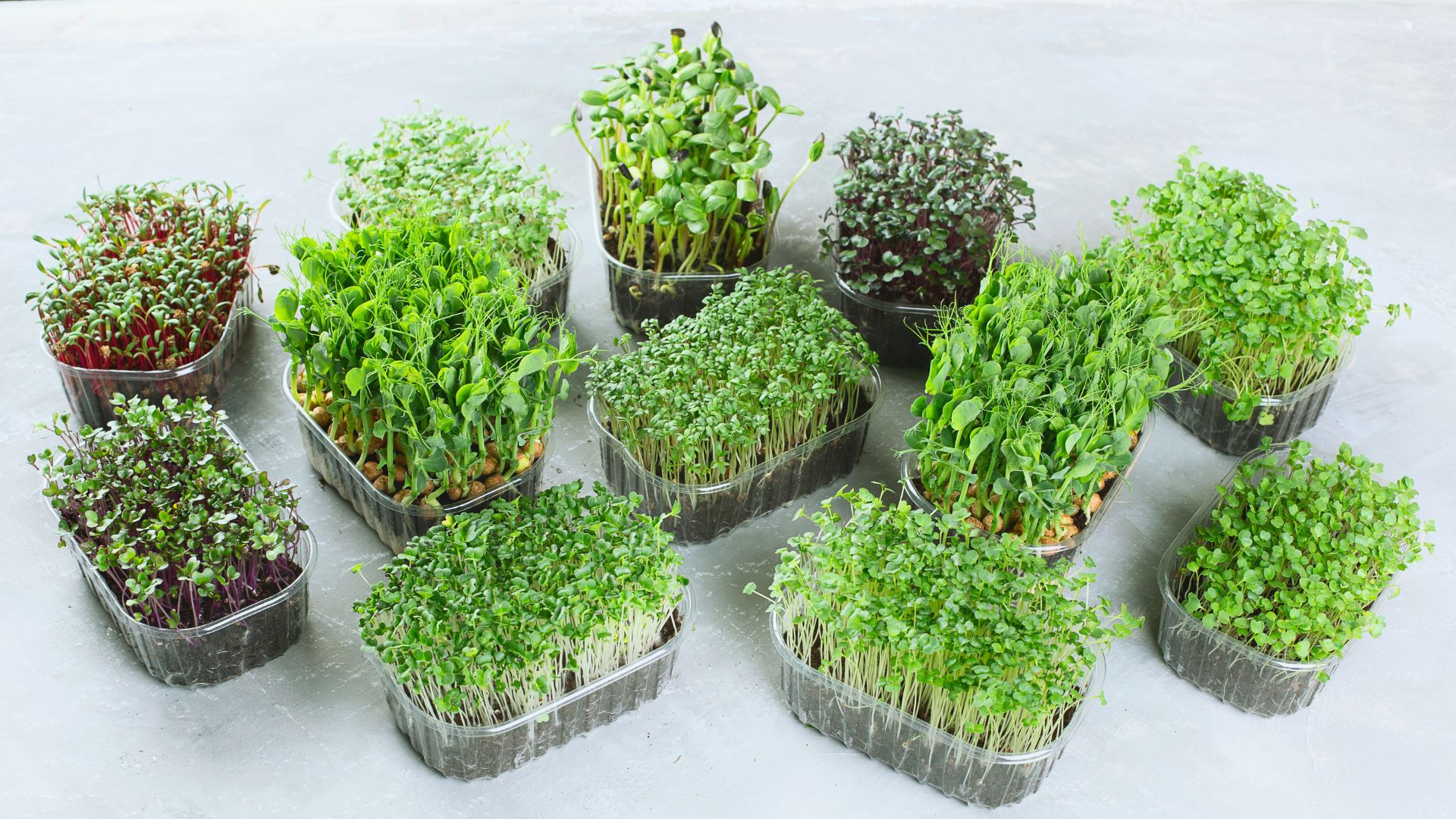
The fastest plants to grow with children indoors are garden cress and other microgreens, which most growing guides put at roughly seven to twelve days from sowing to harvest — quick enough to hold a young child’s attention, with no soil, sharp tools or toxic risk involved.
Picking the right plant matters more than picking the right pot when a young child is involved. Something that takes six weeks to show any change will lose a three- or four-year-old’s interest long before harvest, and a few common vegetables and garden habits are genuinely better left for later with little hands and mouths. This guide covers ten catalogue crops that grow quickly, taste good and are safe to handle, roughly how long each one actually takes, and three things — a pepper, a sprouting habit and a type of task — worth skipping for now.
Products mentioned — in stock at IndoorGarden, shipped from Tallinn across the EU.


What makes a plant safe and fast enough for a child’s first garden
A good first plant for a young child needs to tick a few boxes at once. It has to be edible or at least harmless if a leaf ends up in a mouth, since curiosity about taste is normal at this age. It needs to grow fast enough that a child can connect watering today with a visible change this week, not next month. And it should not need pruning shears, stakes or anything sharp to tend. Seeds bred for indoor and hydroponic growing tend to germinate more reliably under a grow light than packets meant for an outdoor bed, which matters when the whole point is a predictable result for a child who is watching closely. The ten crops below meet all three conditions; the three to skip later in this article fail at least one of them.
10 safe, fast plants to grow with children indoors
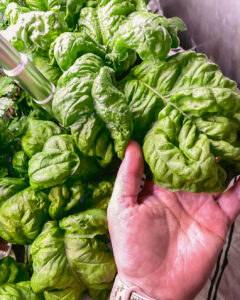
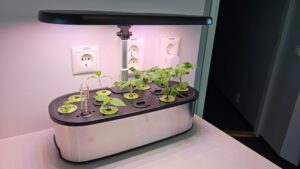
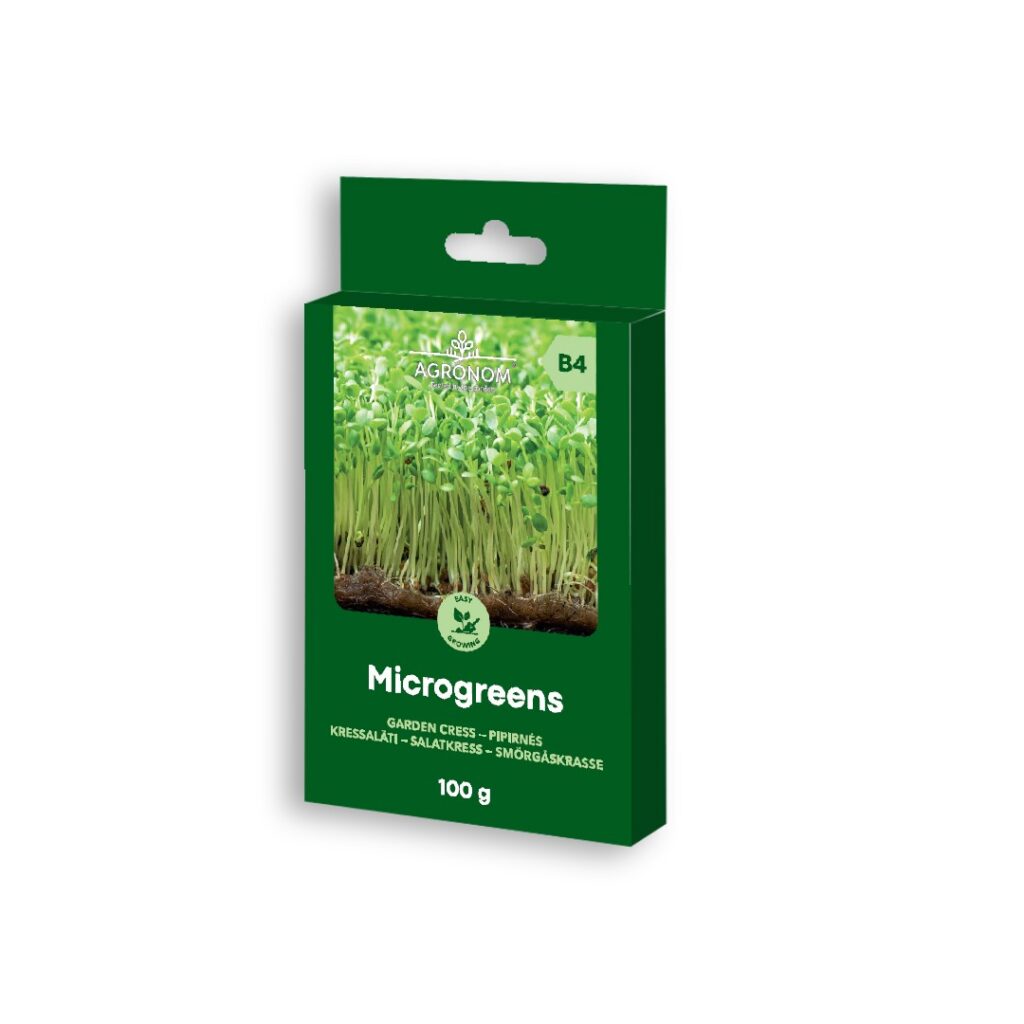
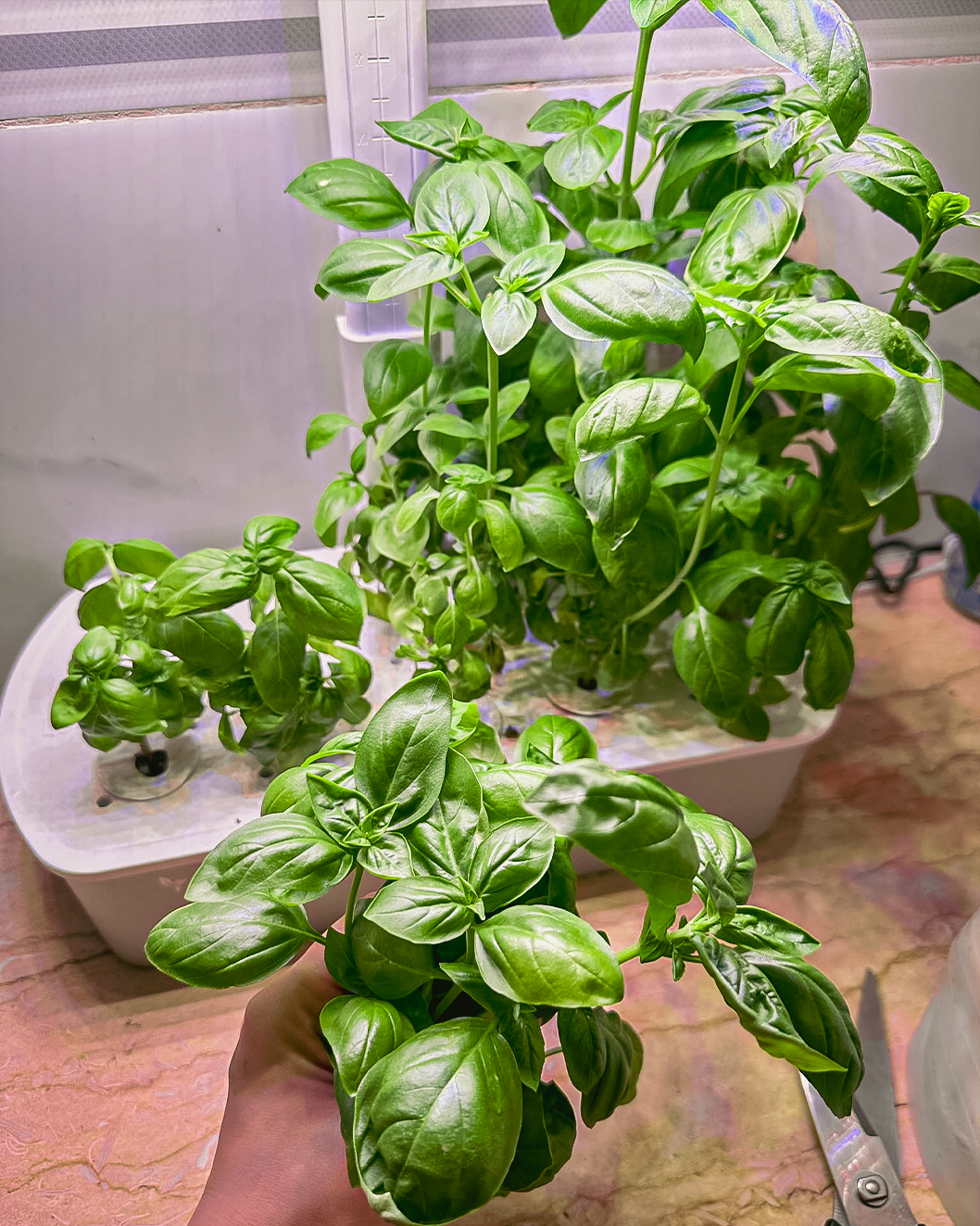
Microgreens dominate the fast end of this list, since they are harvested as seedlings rather than mature plants. Garden cress is usually the first thing a child grows successfully, since it needs nothing more than a shallow dish and damp paper, and our guide to growing microgreens without soil covers that paper-towel method in more detail. Pea shoots take a little longer but reward a child with a shoot big enough to actually chew, and sunflower and radish microgreens sit in a similar window. Basil, leaf lettuce, dill and chives move at a different pace: they need a few weeks of steady light and warmth, which is where a smart garden earns its keep over a plain windowsill, but the payoff is a herb or salad leaf a child can keep harvesting rather than a one-off tray. At the slow end, strawberries and dwarf tomato take months rather than weeks, which makes them a good second or third project once a child already trusts that seeds do something — more a lesson in patience than a quick win.
| Plant | Typical time to harvest |
|---|---|
| Garden cress | About 7–10 days |
| Pea shoots (microgreens) | About 8–10 days |
| Radish microgreens | About 8–12 days |
| Sunflower microgreens | About 9–10 days |
| Basil | About 3–4 weeks to a first real harvest |
| Leaf lettuce | About 3–4 weeks for a first cut-and-come-again picking |
| Dill | About 4–6 weeks before there’s enough to snip |
| Chives | About 4–6 weeks, slow to start but regrows after cutting |
| Wild strawberry | Several months to first fruit |
| Dwarf tomato | About 2–3 months from seed to first ripe fruit |
The microgreen figures above follow general guidance from Utah State University Extension; a windowsill without a grow light will usually run slower than these numbers, especially once autumn daylight fades.
3 things to skip with young children
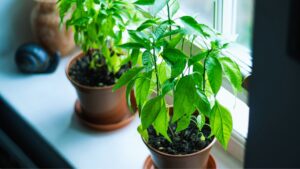
Chilli peppers. Capsaicin, the compound that makes chilli hot, can sting painfully if a child handles a pod and then rubs an eye, and a young child who doesn’t yet understand the risk may put a pod straight in their mouth. Grow chillies once a child is old enough to understand why they are off-limits to taste without asking first.
Lentil sprouts eaten raw, in quantity. Raw sprouts of any kind carry a recognised food-safety risk: Penn State Extension advises that young children, older adults and anyone with a weakened immune system are better off avoiding raw sprouts, since the contamination risk sits with the seed rather than how the sprouts are grown at home. Cooking them removes most of the concern, so treat a home-grown lentil sprout bowl as something to stir into a cooked dish rather than hand a toddler raw by the fistful.
Anything that needs sharp tools. Pruning snips, garden knives and stakes belong with an adult. If a plant from the ten above starts needing real pruning — an overgrown chive clump, say, or a tomato plant that needs tying up — hand that step to a grown-up and let the child keep doing the parts that only need fingers: sowing, watering and picking.
Setting up a simple, safe growing corner
Beyond plant choice, a few basics make any growing spot safer for a young child. Keep the setup on a stable surface at a height where little hands can see the leaves but not reach the socket or pull the cable, and tuck any cord well out of grabbing range. Water goes into a reservoir or dish, never straight onto an outlet, and a child’s job is pouring from a small jug rather than handling the mains supply. If you are using a smart garden with a grow light, point it so the light sits above eye height, since LED grow lights are bright enough to be uncomfortable to stare into directly. A simple paper chart by the setup — one box per day, ticked off together — turns watering into part of the activity rather than a chore to remember.
Frequently asked questions
What’s the fastest plant for a child to grow indoors?
Garden cress and other microgreens are the quickest, typically ready in about seven to twelve days depending on the variety, which is fast enough for a young child to see daily progress.
Is it safe for children to eat what they grow?
Generally yes, with normal food-safety sense: wash what’s harvested, and treat raw sprouts such as lentil sprouts as something to cook rather than eat raw, since young children are one of the groups advised to be more careful with raw sprouts.
Why shouldn’t young children handle chilli plants?
Capsaicin in the pods can sting the eyes and skin, and a young child may not understand why a pod isn’t for eating. Chillies are better suited to an older child growing one with an adult nearby.
Do these plants need a grow light, or will a windowsill do?
Cress and other microgreens will grow in a shallow tray on a bright windowsill with no equipment at all. Basil, lettuce, dill, chives and dwarf tomato generally do better with the steadier light and warmth of a smart garden, especially once autumn light fades.
How much of the work should the adult do?
Sowing, filling a water reservoir and anything involving the power cable or grow light stays with an adult. A child can manage watering from a small jug, checking on growth, and doing the harvesting and eating once something is ready.
Can microgreens be grown without any special equipment?
Yes — a shallow dish, kitchen paper and seed are enough for cress or pea shoots, as covered in our guide to growing microgreens without soil.
Where to start
Most families start with a single fast crop rather than all ten at once. Garden cress is the easiest first success since it needs no equipment and shows results within a week, and once that goes well it is a short step to a wider microgreens selection or a proper smart garden for the slower herbs and salad leaves.