Indoor Planters & Growing Systems
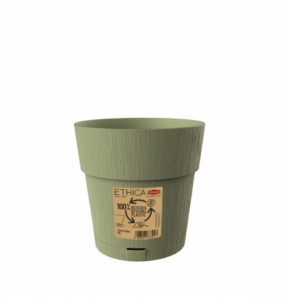
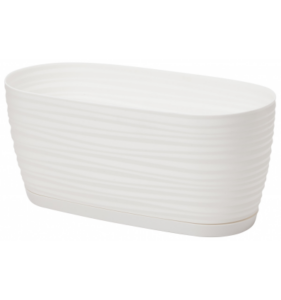
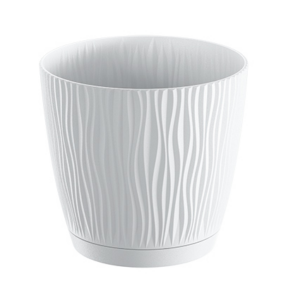
Indoor planters and growing systems cover a broad range of options for anyone who wants to grow plants at home without relying on a traditional pot and soil setup — from self-watering containers and vertical wall planters to sprouting jars, modular shelving, and small indoor greenhouses. The right setup depends on what you want to grow, how much space you have, and how much time you want to spend on watering and care.
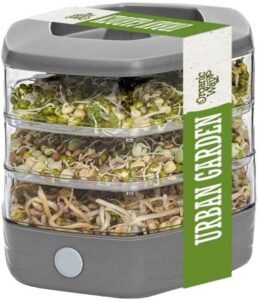
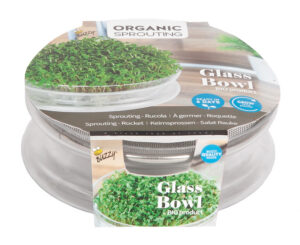
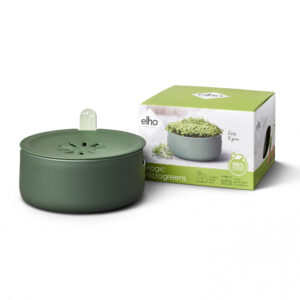
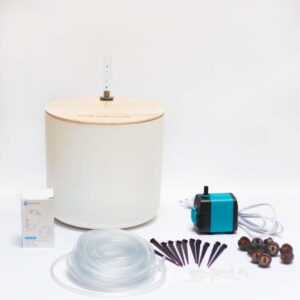
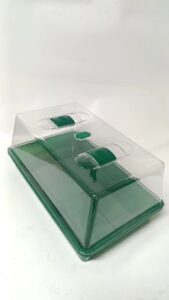
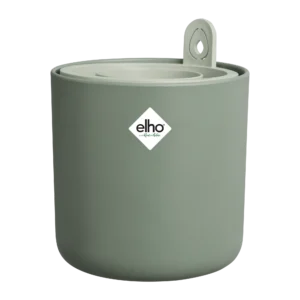
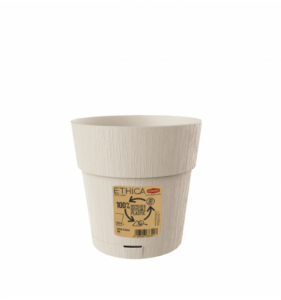
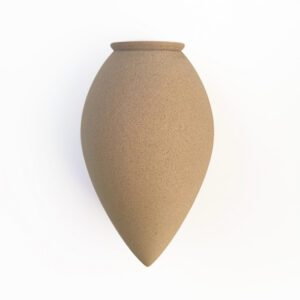
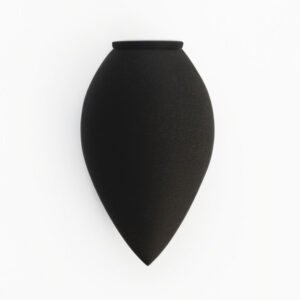
Our range covers six main types: self-watering planters (capillary or reservoir systems that water plants for one to four weeks unattended), vertical planters (CitySens 3- and 4-pot systems for wall-mounted herb walls), modular plant shelves (stackable trays for vertical gardening), wall planters (3-pack sets in white/black/grey), seed sprouting jars and bowls (for microgreens and seed germination), and indoor greenhouse domes (for seedlings and propagation).
Self-watering vs hydroponic
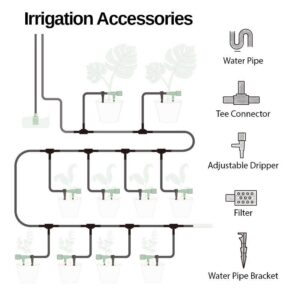
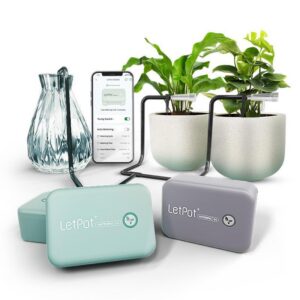
Both reduce daily watering, but they work differently. Self-watering planters use soil as the growing medium and a reservoir to draw water as the soil dries. Hydroponics (in our smart gardens) skips soil entirely and feeds nutrients directly through water. Self-watering works for almost any plant including houseplants; hydroponics is faster but limited to leafy crops, herbs, and small fruits.
How to choose
For limited counter space, a vertical or wall planter delivers six or more pockets in the footprint of a poster. For a hands-off houseplant routine, a self-watering planter with a 1-2 week reservoir is the cleanest fit. For microgreens, a sprouting jar or 100% recycled-plastic sprouting bowl uses minimal space and produces a harvest in 7-14 days.
Looking for self-watering options? Browse self-watering planters. Small space? See vertical planters. Want fully automated? Compare with our smart gardens.
Frequently asked questions
How does a self-watering planter actually work?
Most self-watering planters have a separate reservoir below the soil chamber and a wick or capillary system that draws water up as the soil dries out. You fill the reservoir through a side spout; the plant takes what it needs. Reservoirs last 1-4 weeks depending on plant size and temperature.
Can I use any soil in a vertical planter?
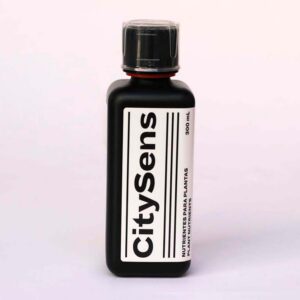
Use a lightweight, well-draining potting mix — heavy garden soil compacts and starves roots of air. Coir-based mixes or peat-perlite blends work best. For CitySens vertical planters, the smart watering kit accommodates standard houseplant soil; we list compatible mixes on each PDP.
Do indoor greenhouses really help?
For seedlings and propagation, yes — a transparent dome over a seed tray traps humidity and warmth, which speeds germination from 10-14 days down to 5-7 days for most herbs. For full-grown plants the benefit is smaller, since adult plants do not need elevated humidity day-to-day.
What grows well in a wall planter?
Compact herbs (basil, parsley, chives, oregano), trailing plants (string of pearls, ivy, mint), leafy greens that take light pruning, and small flowering plants. Avoid heavy-rooted vegetables or anything that grows taller than 30 cm — they tip the planter and unbalance the wall mount.
How much weight can a wall planter hold?
The CitySens 3-pack wall planters are designed for ~3-5 kg of soil and plant mass per pocket. We recommend using the wall plugs that come with each set, and mounting into drywall studs or solid masonry rather than plasterboard alone.