Indoor Gardening Accessories
Indoor gardening accessories cover the tools and supporting products that make day-to-day plant care easier and more effective — grow lights, soil and nutrients, watering equipment, meters, pruning tools, labels, and protective gear. These are the items that do not make up the growing system itself but determine whether you keep plants healthy month after month.
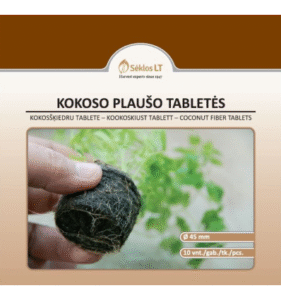
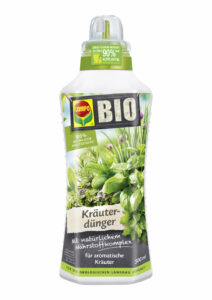
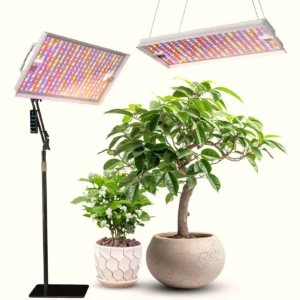
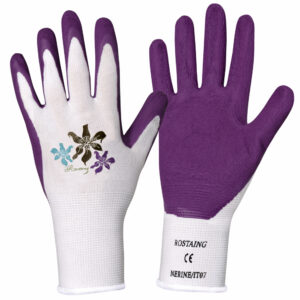
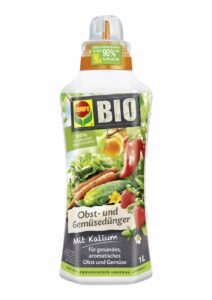
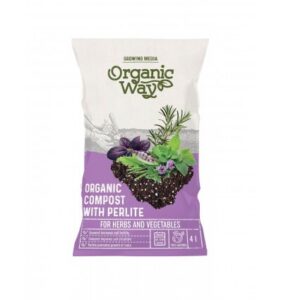
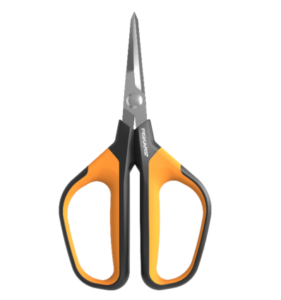
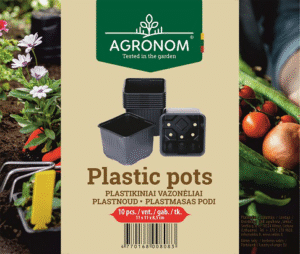
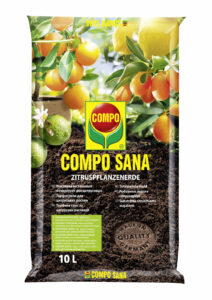
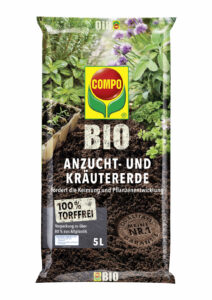
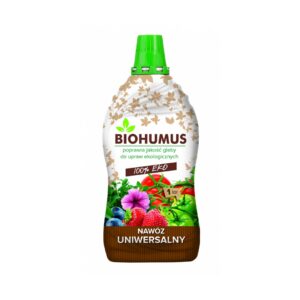
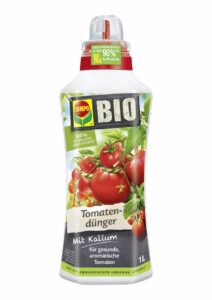
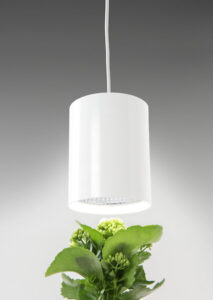
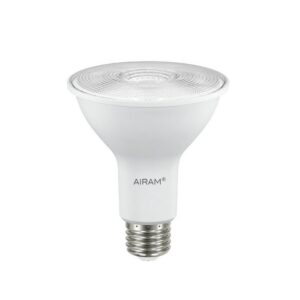
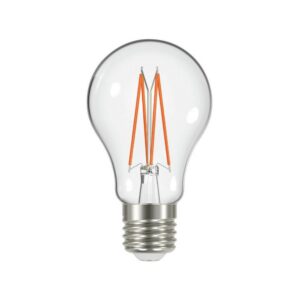
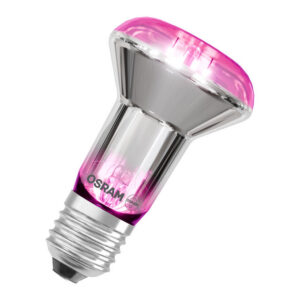
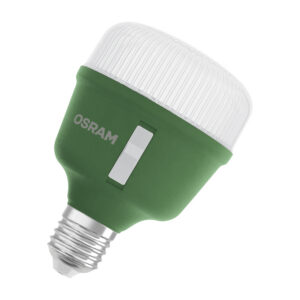
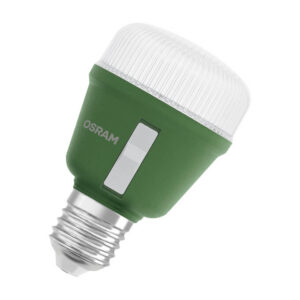
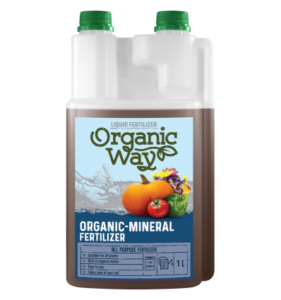
Our accessory catalogue spans ten sub-categories: fertilizers for indoor plants (organic Compo and Agrecol options), grow lights (full-spectrum LED for windowsills, herb gardens, and seedlings), indoor pruning scissors (Fiskars precision snips), indoor watering cans (modern Elho designs in recycled plastic), plant labels (reusable Elho markers), indoor gardening gloves, indoor testers and meters (EC, pH, light), indoor potting soil mixes (Compo bio for seedlings and citrus), and cultivation pots (plastic plant pots for seedlings).
Why accessories matter
A smart garden or planter is the engine; accessories are the fuel and tools. The right fertilizer doubles your tomato harvest. The right grow light determines whether basil thrives or yellows. A pH meter catches a nutrient lockout before it kills a crop. These items pay back fast in plant survival and yield.
How to choose
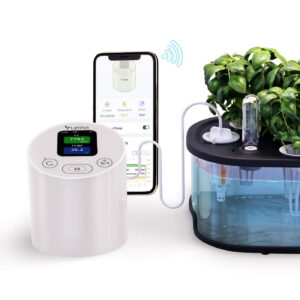
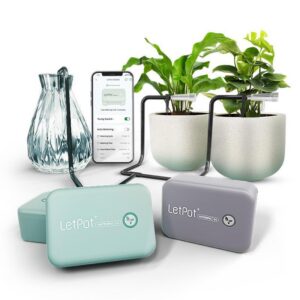
Start with what you actually struggle with. If plants are leggy or pale, you need more light — start with a 100 W full-spectrum LED. If leaves yellow despite watering, get an EC meter and a balanced fertilizer. If you forget to water, a self-watering accessory or set of plant labels with watering schedule cards solves the problem in a different way.
For smart garden compatibility, see smart gardens. Need plant food? Browse fertilizers for indoor plants. Light meters and EC testers are under indoor testers & meters.
Frequently asked questions
How often should I fertilize indoor plants?
Liquid fertilizers like Compo Bio go in every 1-2 weeks during the growing season (spring and summer), once a month in winter. For herbs and leafy greens in soil pots, halving the recommended dose keeps growth steady without leaf burn. Hydroponic systems use a different feeding schedule — see our EC and nutrient guide.
Do I need a grow light if I have a sunny window?
South-facing windows in summer often provide enough light for leafy herbs and salads. From October through February in Northern Europe, daylight drops below the level needed for most edible crops, and a 20-30 W full-spectrum LED on a timer covers the gap. Use our DLI calculator to measure your specific room.
What does an EC meter actually do?
An EC (electrical conductivity) meter measures the total dissolved nutrients in your water or hydroponic reservoir. Most leafy greens prefer 1.2-1.6 mS/cm; tomatoes and chillies 1.8-2.4 mS/cm. If EC drifts too low, plants starve; too high, roots burn. Five seconds and a number tell you whether to top up nutrients or top up water.
Are pruning scissors really necessary?
For occasional snipping a regular kitchen scissors works, but precision herb scissors (Fiskars Solid Pruner) leave a cleaner cut that heals faster and reduces stem rot risk. For chillies, tomatoes, and basil that need regular topping, the difference adds up over a growing season.
What soil is best for indoor seedlings?
A peat-perlite seed-starting mix (Compo Bio Seedling, 5 L pack) is finer-textured than potting soil, drains better, and is sterilised to prevent damping-off. Once seedlings have 2-3 true leaves, transplant into standard potting mix for ongoing growth.