Smart Indoor Gardens & Hydroponic Herb Gardens
Smart gardens are self-contained growing systems that manage light, water, and nutrients automatically — making them a genuinely practical option if you want fresh herbs or greens at home without a steep learning curve. They work on a hydroponic principle, meaning plants grow in water enriched with nutrients rather than soil, which typically results in faster growth and less mess.
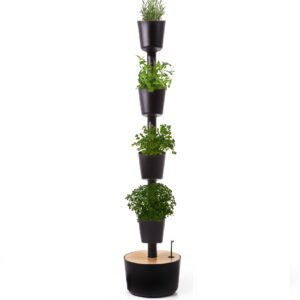
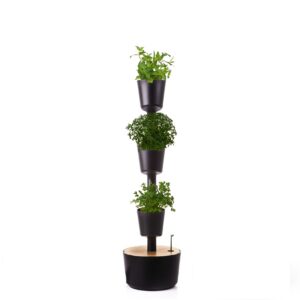
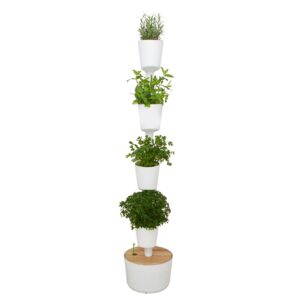
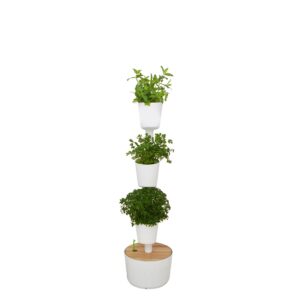
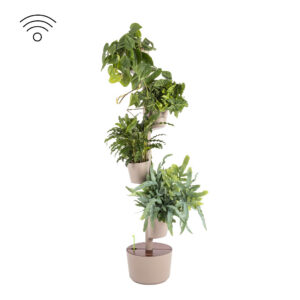
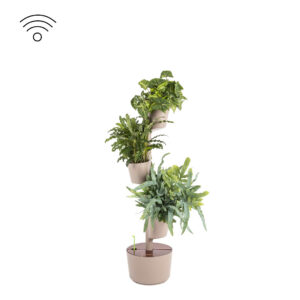
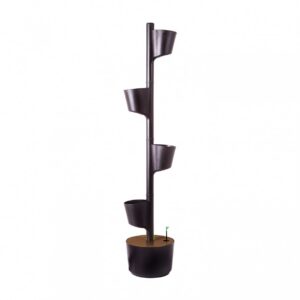
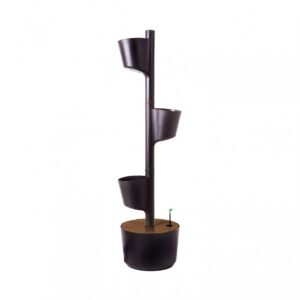
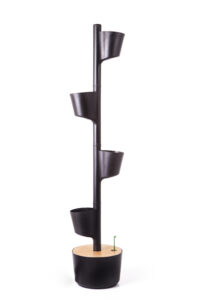
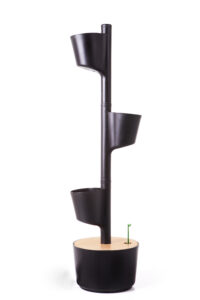
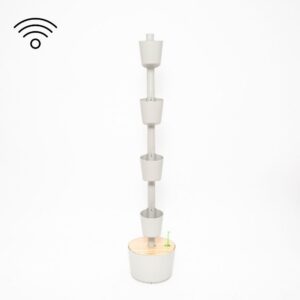
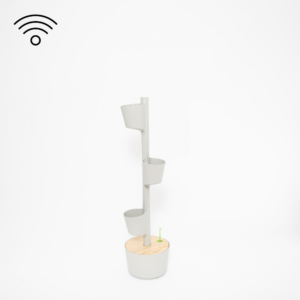
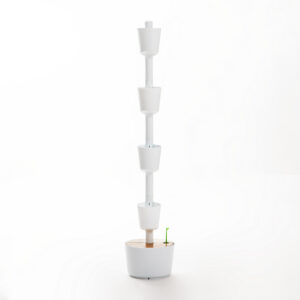
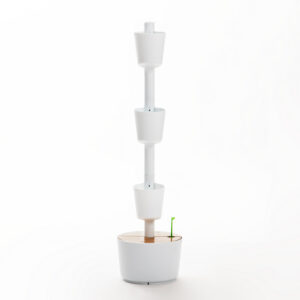
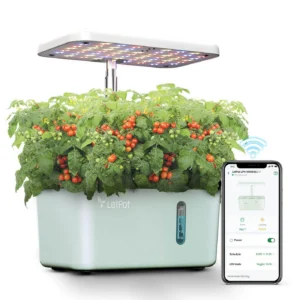
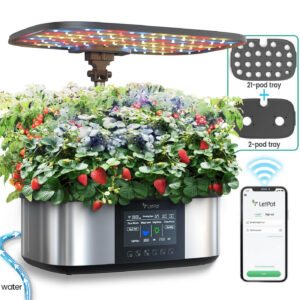
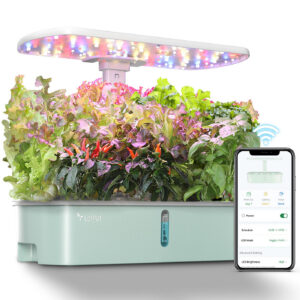
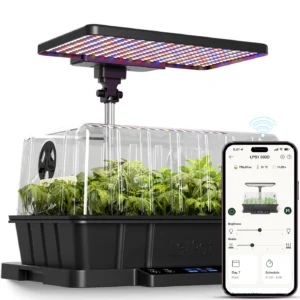
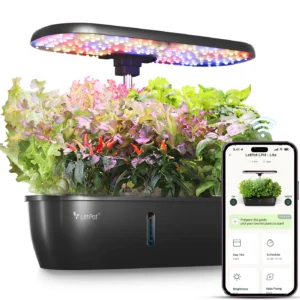
At IndoorGarden we sell smart gardens from the brands we test ourselves: LetPot (the broadest hydroponic lineup, from a 5-pod Mini up to a 21+2-pod Max), Botanium (Scandinavian-designed single-plant pots with automatic watering), and CitySens (vertical and modular systems with Wi-Fi smart watering). Most are app-controlled with full-spectrum LED panels, automatic top-up reminders, and 14-day return windows.
Who smart gardens are for
If you live in a Northern-European apartment with weak winter sunlight, no garden, or a kitchen that gets only a few hours of light, a smart garden is the most reliable path to year-round fresh herbs and salads. They also suit busy households where remembering to water plants is a real obstacle — the reservoir holds water for one to three weeks depending on model, and the app prompts you when it needs a top-up.
How to choose
The main decisions are pod count (Mini for 1-6 plants on a counter, medium for 7-12, large for 12+), dimensions (most Minis fit in 30 × 40 cm of counter space, while Max needs roughly 80 × 40 cm), and whether you want app and Wi-Fi control. For a complete side-by-side, see our LetPot model comparison guide.
For setup help, see our Free Tools page (DLI calculator, EC guide, room quiz). New to hydroponics? Read what is a smart garden. Compact kitchen? Browse mini smart gardens (1–6 pods).
Frequently asked questions
Do smart gardens really need no maintenance?
They cut maintenance substantially but do not eliminate it. You still refill the water and nutrient reservoir every one to three weeks, top up the nutrients per the schedule the app suggests, prune plants that outgrow the system, and clean the reservoir between crop cycles. Plan on 5-10 minutes per week.
What can I grow in a smart garden?
Leafy greens (lettuce, rocket, spinach, kale), herbs (basil, parsley, coriander, mint, oregano, thyme), microgreens, small fruits like cherry tomatoes and strawberries, and chilli peppers all do well. Large-rooted vegetables like potatoes or carrots are not a good fit. We list compatible crops on each PDP and in our indoor garden seeds guide.
How much electricity does a smart garden use?
Mini and Air models draw roughly 20-30 W with the LED on. Senior and Max draw 40-60 W. On a typical 16-hour photoperiod at the EU average tariff (~25 cents/kWh), expect roughly €3-7 per month for the LED. See our smart garden electricity cost guide for crop-specific numbers.
Are smart gardens noisy?
The water pumps cycle in short bursts (15-30 seconds every few hours). At their loudest, they register around 30-40 dB — quieter than a normal conversation. If silence matters, place the unit away from a bedroom or set night mode through the app.
Do I need a green thumb to use one?
No. The system handles light, water, and nutrient timing automatically. Your job is mainly seed-pod placement, occasional top-ups, and harvest. Beginners typically see their first leafy-green harvest in 3-4 weeks.
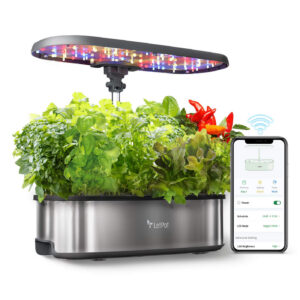
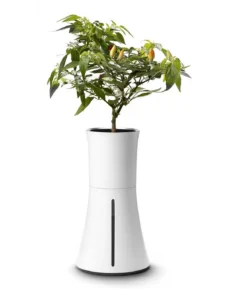
Botanium Smart Hydroponic Pot – Scandinavian Design Indoor Garden with Automatic Watering
Original price was: 75,00 €.69,00 €Current price is: 69,00 €.