A smart garden lets one kindergarten group sow seeds in October and keep harvesting right through the darkest months, because a grow light stands in for the weak winter sun. A 2017 Community Preventive Services Task Force review found that gardening paired with nutrition lessons raised vegetable intake in most of the studies it covered, though the effect came from the combination, not from the equipment on its own.
Running a growing project with a group of three- to seven-year-olds over a dark Estonian winter is mostly a planning problem: what to sow, who waters it, and what happens when the kindergarten closes for the holidays. This article walks through a workable October-to-February timeline, which plants are safe for young children to handle and taste, and the safety rules worth setting before the first seed goes in.
Products mentioned — in stock at IndoorGarden, shipped from Tallinn across the EU.


Why a growing project fits the kindergarten year
Growing food indoors fits naturally into the Estonian preschool learning field “Mina ja keskkond” (Me and the environment), where children are expected to learn by observing, comparing and experimenting with things from their everyday surroundings. A hydroponic garden makes the whole process visible: a seed swells, a root pushes through the sponge into the water, and the first leaves turn toward the light. Children can compare two plants, count leaves, keep a picture diary, and eventually taste what they grew.
The evidence on outcomes is more mixed than the idea sounds. The Community Preventive Services Task Force review found higher vegetable intake in most of the studies it assessed, mainly from school-age children, while a smaller Australian study of ten- to twelve-year-olds found that gardening plus nutrition lessons made pupils more willing to taste vegetables even when their actual intake stayed the same. Growing edible plants is not new in Estonian kindergartens either: a 2025 master’s thesis at the Estonian University of Life Sciences found that nearly half of the Tartu municipal kindergarten managers interviewed had grown edible plants indoors or outdoors for roughly ten years already, with summer cover named as the main obstacle. We see a smart garden as a tool for the teacher, not a lesson by itself — what matters is sowing, watching and tasting together.
What one group actually needs
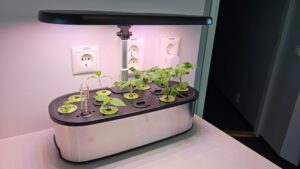
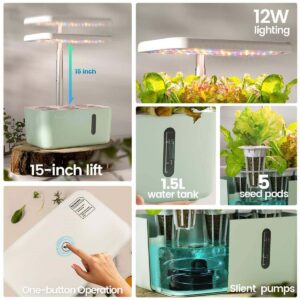
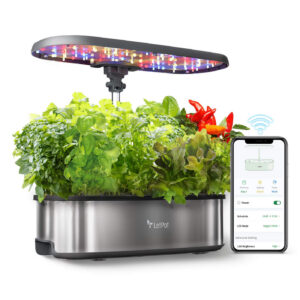
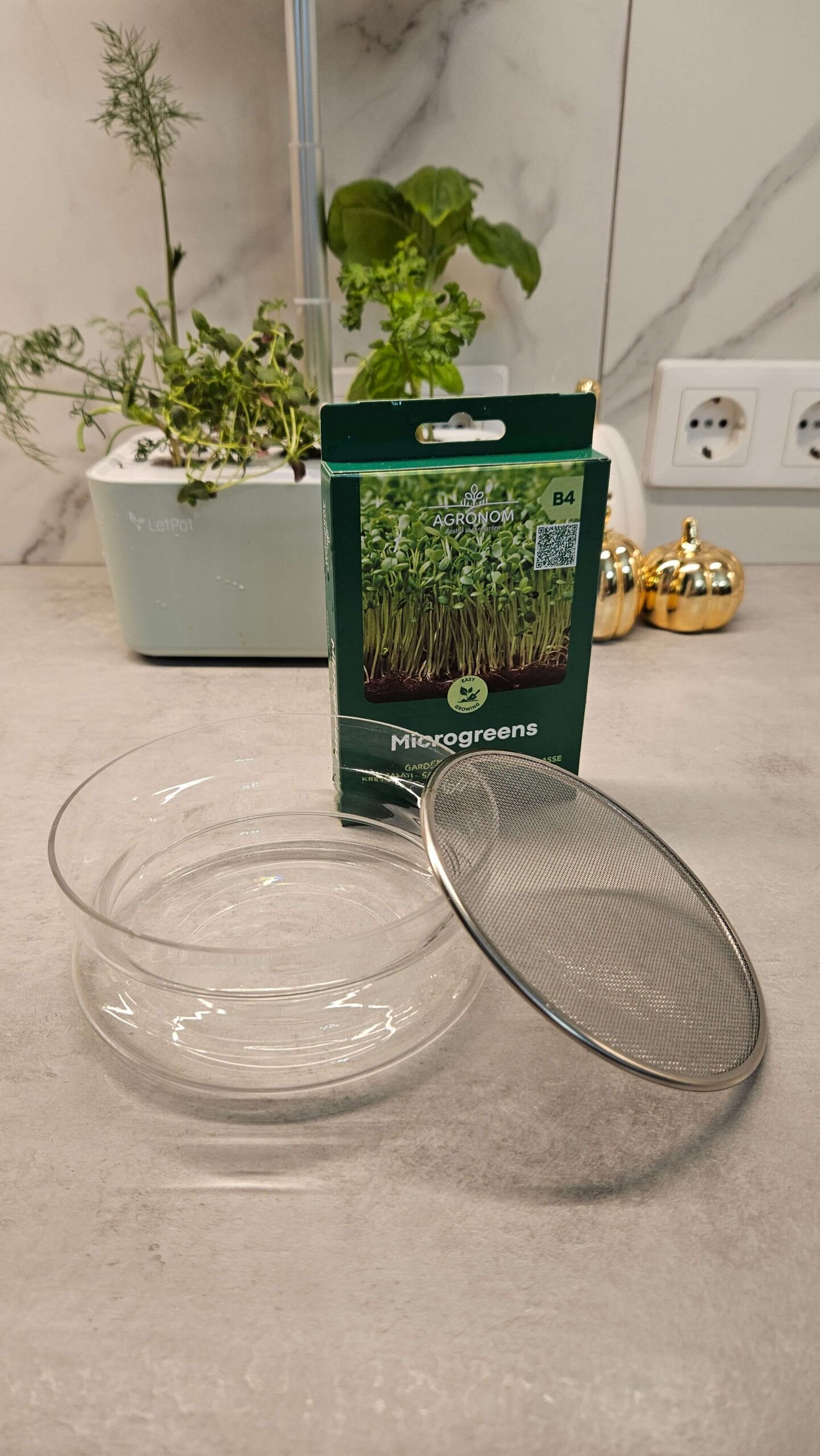
For a group of around 20 children sharing one growing spot, a single LetPot Senior with 12 pods gives enough room for several crops at once — basil in some pods, lettuce in others, maybe a few pods set aside to compare how plants respond to less light. Its 5.5-litre tank is also the reason it suits a kindergarten better than a smaller unit: it covers roughly three weeks between refills, which matters once you start planning around holidays. Next to it, a shallow tray or sprouting jar of cress or pea shoots gives the group something that shows results in days rather than weeks, which keeps younger children interested while the pods in the smart garden are still germinating.
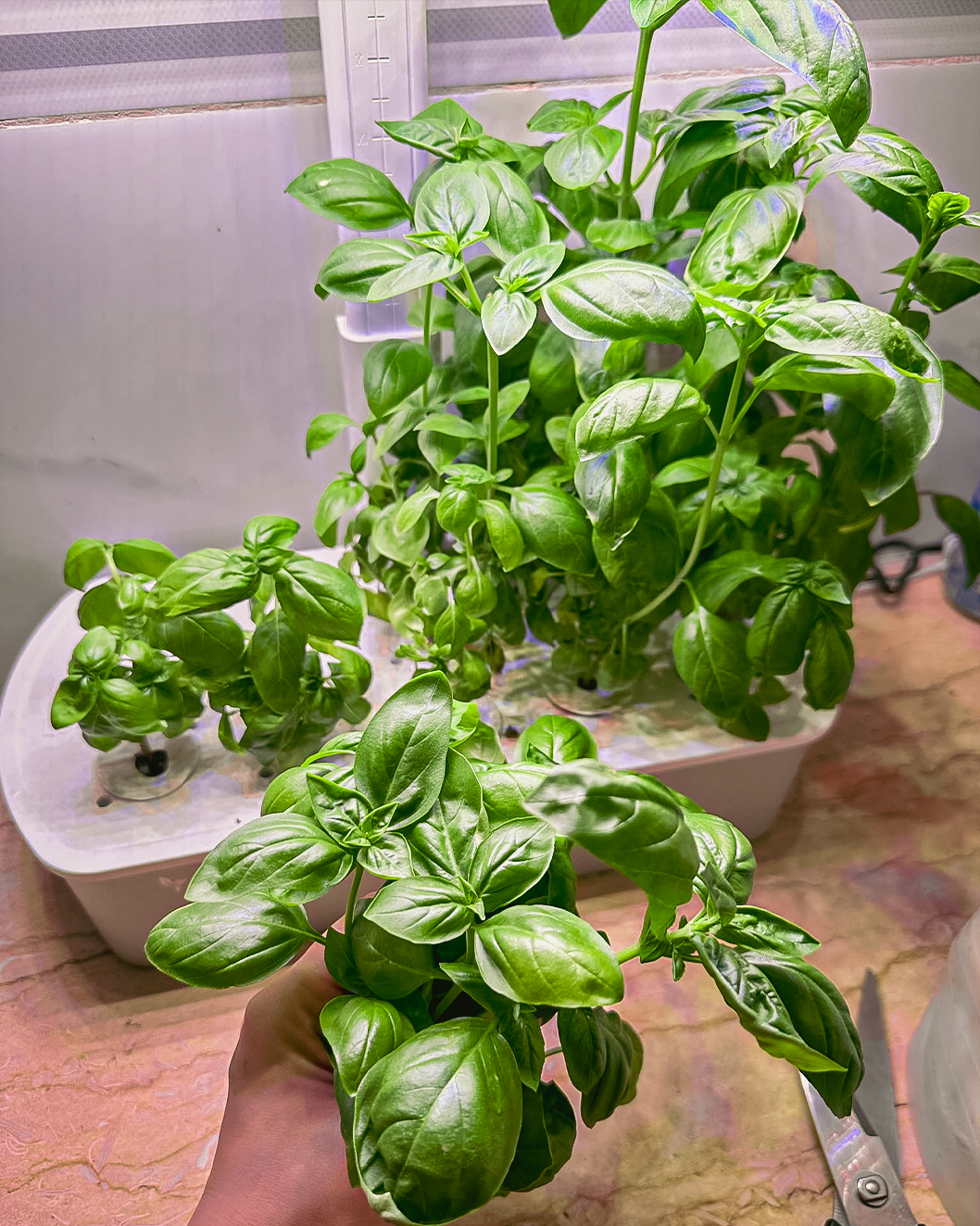
Place the garden on a high shelf or counter where children can see the leaves and the light but cannot reach the plug, the cable or the water tank. Adults handle refilling, the small baskets and the germination covers; children take turns sowing, checking on growth and, eventually, harvesting. A simple paper chart next to the garden — one square per child, ticked off on their turn — turns the watering and harvesting rota into part of the activity rather than a chore for one teacher.
Which plants are safe to grow and taste
For a group this age we would stick to fast, edible, leafy plants that are safe to touch and taste under supervision: basil, parsley, dill and chives, loose-leaf lettuce, garden cress, pea shoots, and sunflower microgreens. Most growing guides put garden cress at around seven to ten days from sowing to a usable harvest in a tray or jar, which makes it the plant most kindergartens start with, while pea shoots typically take about two weeks and basil pods in a smart garden need three to four weeks before the first real harvest.
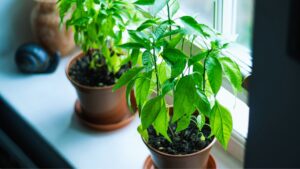
We would not put tomatoes or chilli peppers in a kindergarten group room. Both belong to the nightshade family, their leaves are not food, and Estonia’s draft rules for the kindergarten learning environment do not allow poisonous plants in group rooms — the explanatory text even names the ornamental coral tomato as an example to avoid. A tomato plant can still work as a longer, closely supervised project for older school pupils, just not for a three- to seven-year-old group with unsupervised access.
A rough October-to-February timeline
October is for sowing the first round in the smart garden and starting a cress or pea shoot tray alongside it, so the group has something to check daily while the slower pods germinate. By November the first cress or pea shoots are usually ready to harvest and taste, and the smart garden’s herbs or lettuce are visibly growing, which is a good point to start a simple picture diary or a height chart. December is mostly about topping up the tank and sowing a second quick tray before the Christmas break, since nobody will be there to water for two to three weeks. January restarts the cycle with a new quick tray and, if the first smart-garden crop is ready, a tasting session. February is a natural point to harvest what is left, reflect on what grew well, and decide whether to run the same setup again or try a different plant for spring.
Safety rules worth setting before you start
- Cables and sockets. Keep the garden near a socket that is out of children’s reach or child-proofed, and fix the cable so it cannot be pulled, in line with what Estonian kindergarten group rooms generally expect.
- Water stays in the tank. Nothing connects to the mains. Refill with a jug, not a hose, and keep the garden on a stable, moisture-resistant surface.
- Small parts. Grow baskets, germination domes and support rods are small. Store spares in a closed box and let adults handle them.
- Light. The LED is bright. Position the garden so the light sits above children’s eye level and tell the group not to look straight into it.
- Hygiene. Cover unused pod slots with the light-blocking stickers that come in the box, since light reaching the water encourages algae, and remove germination covers once seedlings are up to avoid mould on the sponges.
Planning around the holidays
A Christmas or spring break of two to three weeks is manageable with the right model if someone tops up the tank on the last working day — a 5.5-litre tank typically lasts about three weeks on its own. A summer closure of six to ten weeks is a different matter: no countertop smart garden runs unattended that long, so the realistic plan is a final harvest before the kindergarten closes, followed by emptying, cleaning and drying the unit for storage until the new school year.
| Quick-growing option | Typical time to harvest |
|---|---|
| Garden cress (tray or jar) | About 7–10 days |
| Pea shoots | About 2 weeks |
| Sunflower microgreens | About 10–12 days |
| Basil or lettuce pods in a smart garden | About 3–4 weeks to first harvest |
One practical note on funding: Estonia’s Environmental Investment Centre (KIK) environmental education calls mainly support study programmes, cooperation and information materials rather than equipment bought on its own, so a smart garden is more often paid for from the kindergarten’s own learning-materials budget or, in some groups, through the parent association. It is worth checking current call conditions directly with KIK before assuming a grant will cover the hardware.
Frequently asked questions
What is the best smart garden size for a kindergarten group?
For a group of around 20 children sharing one setup, a 12-pod system such as the LetPot Senior gives enough room to grow more than one crop at a time and has a tank large enough to survive a normal school break.
Which plants should we avoid with young children?
We would avoid tomatoes and chilli peppers in a kindergarten group room. Both are nightshades with inedible leaves, and Estonia’s draft kindergarten environment rules treat them as plants to keep out of reach of small children.
How often does an adult need to top up the water?
A 5.5-litre tank typically lasts around three weeks under normal use, which covers most short school breaks if it is topped up on the last working day before the holiday.
Can the children eat what they grow?
Many groups do harvest and taste together. Follow your kindergarten’s own food safety plan and allergy lists for the group, the same way you would for any food activity in the classroom.
Does research actually show a benefit?
A 2017 Community Preventive Services Task Force review linked school and classroom gardening with higher vegetable intake in most of the studies it covered, and a smaller Australian study found gardening made children more willing to taste vegetables even without a measurable change in intake. The garden itself is a tool — tasting and talking about the food together is what seems to make the difference.
What happens to the garden over summer?
No countertop smart garden is designed to run unattended for six to ten weeks. Plan a final harvest before the kindergarten closes, then empty, clean and dry the unit until the new school year starts.
Where to start
Most groups start with one shared smart garden and a quick-growing tray alongside it, then decide after one winter whether to add a second unit. If you are weighing up models, timelines or how to pay for one as a public or private institution, our page for kindergartens and schools covers pricing, invoicing and the holiday math in more detail.