
A 21-pod hydroponic system such as the LetPot Max realistically supplies a school canteen with a rotating handful of herb sprigs and a few portions of cut lettuce leaves each week, not a full salad bar. University hydroponic lettuce trials found dry-weight yields of roughly 2.6 to 18.6 grams per plant depending on variety, so output depends heavily on what is grown.
Canteens that want to show students or staff where part of their food comes from are increasingly looking at a hydroponic unit on the counter as a low-effort way to do that, without taking on a greenhouse or a garden plot. The real question kitchen staff need answered is not whether the idea works, but how much it actually produces, who keeps it topped up, and what has to happen to the harvest before it reaches a tray. This article walks through a realistic weekly yield, hygiene steps, and day-to-day upkeep for a 21-pod system in a school or institutional kitchen.
Products mentioned — in stock at IndoorGarden, shipped from Tallinn across the EU.

Why a 21-pod unit suits a canteen counter better than a windowsill pot
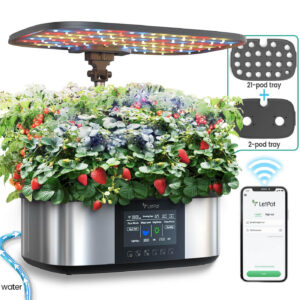
A single large smart garden such as the LetPot Max gives a canteen 21 growing positions plus a small 2-pod tray, which is enough to run several crops alongside each other — a few pods of lettuce, a few of basil or parsley, and a couple left for whatever a class or kitchen team wants to try next. The unit handles its own lighting and reservoir top-ups automatically, which matters in a kitchen where nobody has time to check a plant twice a day. A reservoir this size still needs refilling every couple of weeks, so it suits a kitchen with a regular routine more than one that is only staffed a few days a week.
What a realistic weekly harvest looks like
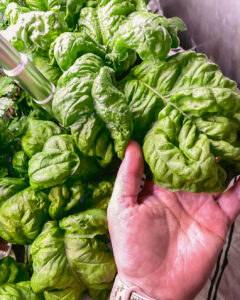
It helps to set expectations before buying anything. A Purdue University Extension hydroponic lettuce trial measured dry-weight yields ranging from about 2.6 grams per plant for the lowest-yielding butterhead variety up to 18.6 grams per plant for the highest-yielding romaine and leaf types, after around 40 days of greenhouse growth — and that is dry weight, which is a fraction of the fresh weight a kitchen would actually handle.1 Translating that into a canteen setting: 21 pods of mixed herbs and loose-leaf lettuce will typically give a kitchen enough leaves for garnish, a handful of side salads, or a few sandwiches a week, not enough for a full class or staff lunch service. Herbs such as basil regrow faster after cutting than lettuce does, so a mixed tray of herbs and loose-leaf varieties tends to give a steadier trickle of small harvests than a tray planted entirely with one slow crop.

Hygiene rules for garden-to-tray produce
A hydroponic unit keeps roots out of soil, which removes one common source of contamination, but it does not remove the need for ordinary food-safety habits. University of Georgia Extension’s food safety guidance is blunt on this point: produce should be thoroughly washed under running water right before it is eaten, since washing “won’t guarantee that it’s pathogen-free, but it will help.”2 For a canteen, that means treating hydroponic herbs and lettuce exactly like any other fresh produce: rinse under running water just before plating, never while it is still sitting in the tray, and keep the same hand-washing routine kitchen staff already use for any raw ingredient. Anyone with food allergies in the group should be told which herbs are being grown, since basil, parsley, and other common kitchen herbs are rarely a concern but should still be flagged like any other menu ingredient.
Who should maintain the system day to day
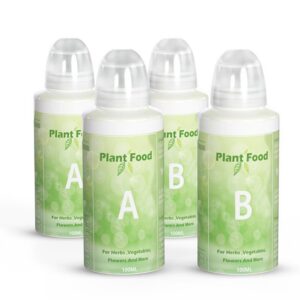
A shared appliance in a staff kitchen or canteen needs one clear owner, even if several people help with harvesting. In practice this usually works best as a named role — a kitchen assistant, facilities person, or teacher who checks the water level and app alerts weekly — rather than a rotating duty nobody quite owns. Handing the unit between several people without a clear owner is how reservoirs run dry and harvests get missed, since nobody notices the app alert if it is not clearly someone’s job to check it. Topping up nutrient solution is the other recurring task: a bottle of liquid hydroponic nutrients lasts many refill cycles, and most growers find it easier to add it on a fixed schedule — for example, every time the reservoir is topped up — rather than by guesswork. Keeping a simple paper log next to the unit, with a tick for each refill and feed, helps a rotating kitchen team stay in sync without relying on one person’s memory.
What to grow for the fastest, safest canteen turnover
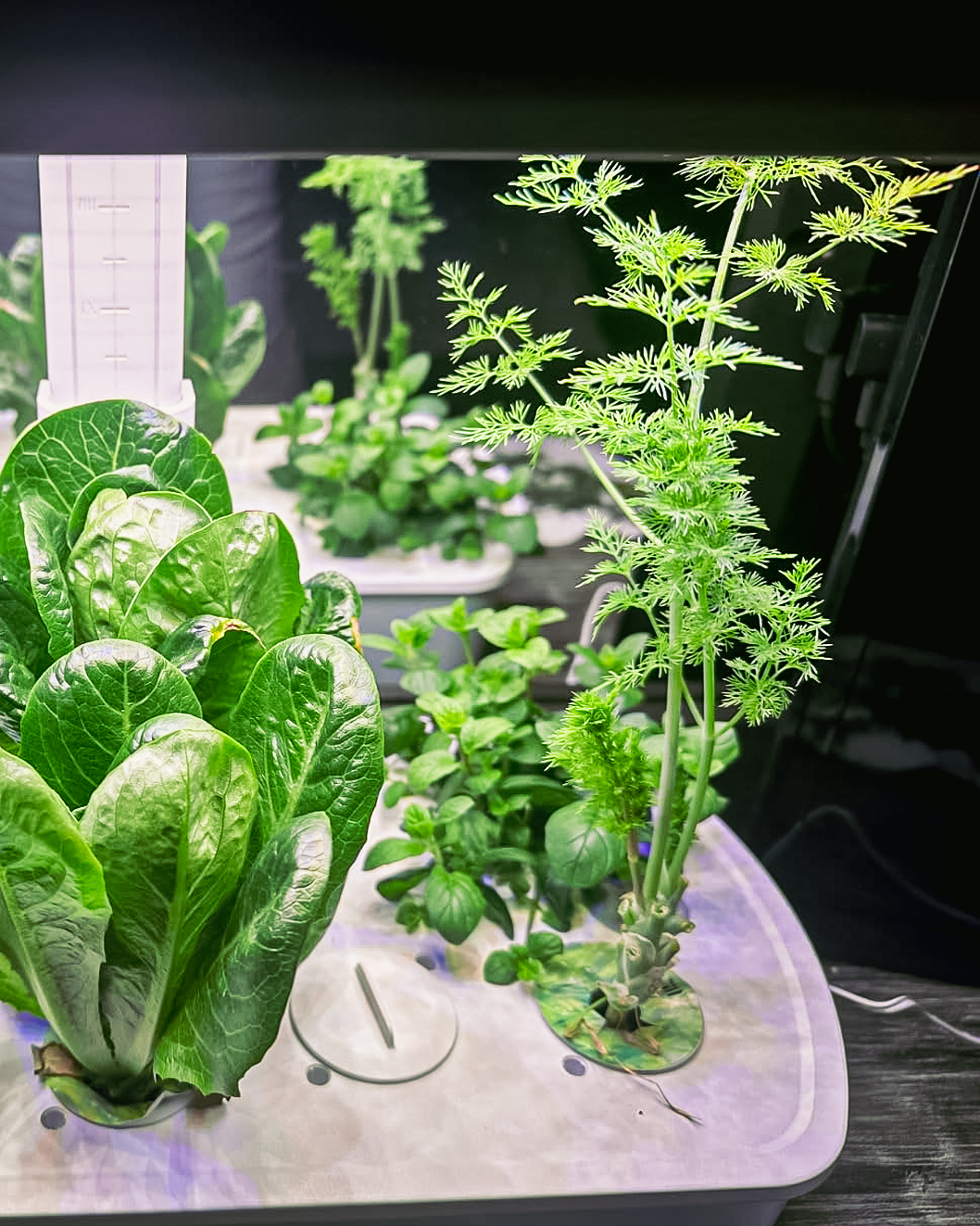
Loose-leaf and cut-and-come-again varieties give a canteen more flexibility than crops that need to be harvested whole. Lettuce and leafy green seeds bred for repeated outer-leaf harvesting, such as a loose-leaf salad bowl type, let a kitchen take a few leaves per plant every few days rather than waiting weeks for a full head. Pairing a few lettuce pods with a few herb seeds such as basil or parsley spreads the harvest across the week, since herbs are typically ready for light trimming sooner than lettuce reaches a useful size. Avoid filling every pod with the same slow-growing variety — a mixed tray is more forgiving of a kitchen’s actual schedule than a tray planted all at once with one crop that all matures together.
| Item | Role in the setup | Price |
|---|---|---|
| LetPot Max (21-pod + 2-pod) | Main growing unit | €249.00 |
| Lettuce Salad Bowl seeds | Loose-leaf, repeat-harvest crop | €1.99 |
| LetPot hydroponic nutrients | Ongoing feed, added at each refill | €17.99 |
Frequently asked questions
How much does a 21-pod system actually produce each week?
Expect a rotating supply of herb sprigs and a handful of lettuce leaves rather than full meals. University hydroponic trials found yields varying several-fold by variety, so the honest answer is “enough for garnish and small side portions,” not a fixed weekly number.
Is hydroponic produce safe to serve without extra precautions?
It should be treated like any other fresh produce: washed under running water right before serving, not while it is still in the growing tray. Growing without soil removes one source of contamination but does not remove the need for normal food-safety habits.
Who should be responsible for the unit in a shared kitchen?
One named person works better than an informal rota. That person checks the water level, refills nutrients on a fixed schedule, and handles pod maintenance, even if other staff or students help with harvesting.
What should we grow first?
A mix of a loose-leaf lettuce variety and one or two fast-growing herbs such as basil or parsley gives the most forgiving harvest schedule, since herbs are usually ready for light trimming before lettuce reaches a useful size.
How often does the reservoir need refilling?
A unit this size typically needs a top-up every couple of weeks under normal use, which fits a kitchen that is staffed most weekdays better than one that closes for extended stretches.
Can this replace produce deliveries?
No. A single 21-pod unit is a supplement for garnish, small salads, or a classroom and kitchen activity, not a replacement for a canteen’s regular produce order. Some kitchens add a second unit once the first one proves useful, but even two units stay a top-up rather than a primary supply.
Where to start
Most kitchens start with one shared LetPot Max planted with a mix of lettuce and herbs, and decide after a few weeks whether a second unit earns its counter space. If you’re weighing this up for a school, canteen, or workplace kitchen and want help thinking through quantities or timing, our contact page is the quickest way to reach us directly.