A hydroponics lesson plan for primary school works best as a paired trial: sow the same seed into a soil tray and into a hydroponic pod on the same day, then have children measure stem height in millimetres twice a week. Run this way, over roughly four weeks of growth after germination, the comparison turns a single science lesson into an ongoing classroom routine. AgClassroom’s Test Tube Hydroponics activity for grades 3–5 runs on a similar pattern: about a week to germinate, then observations logged twice a week for a month.
Teachers ask us for a hydroponics lesson plan for ages 9–12 more often every autumn, usually because a science unit on plant needs is coming up and a soil pot alone does not hold a class’s attention for a month. Running a soil tray next to a hydroponic pod gives children something to measure, argue about and write up, and it needs almost no daily maintenance once it is set up. This guide walks through what to buy, how to set both sides up on the same day, and how to turn four weeks of ruler readings into a lesson that fits science and maths outcomes.
Products mentioned — in stock at IndoorGarden, shipped from Tallinn across the EU.


What a soil-versus-water growing lesson actually teaches
The lesson is a controlled comparison, not a competition between soil and hydroponics. Both trays get the same seed, the same light and the same starting day; the only planned difference is the growing medium. AgClassroom’s version compares plain water against a nutrient solution rather than soil against water, and Alabama’s ALEX programme runs a two-week hydroponic bean activity in a plastic cup with a damp paper towel, so a soil-versus-water version is an adaptation of both rather than a copy of either. What stays constant across all of them is the habit the lesson builds: children predict, observe, measure and revise their prediction, which is the actual skill being taught, not the growing method itself. You can read more on what hydroponics actually is before deciding how much background to give the class up front.
It also helps to decide in advance what counts as a fair result. If one tray sits closer to a window and the other under a grow light, a slower soil tray might simply be reflecting a light difference rather than anything about the growing medium itself. Lining both trays up next to each other, on the same shelf or windowsill, removes that variable and makes the final comparison easier to defend when children write up their conclusions.
What you need before you start
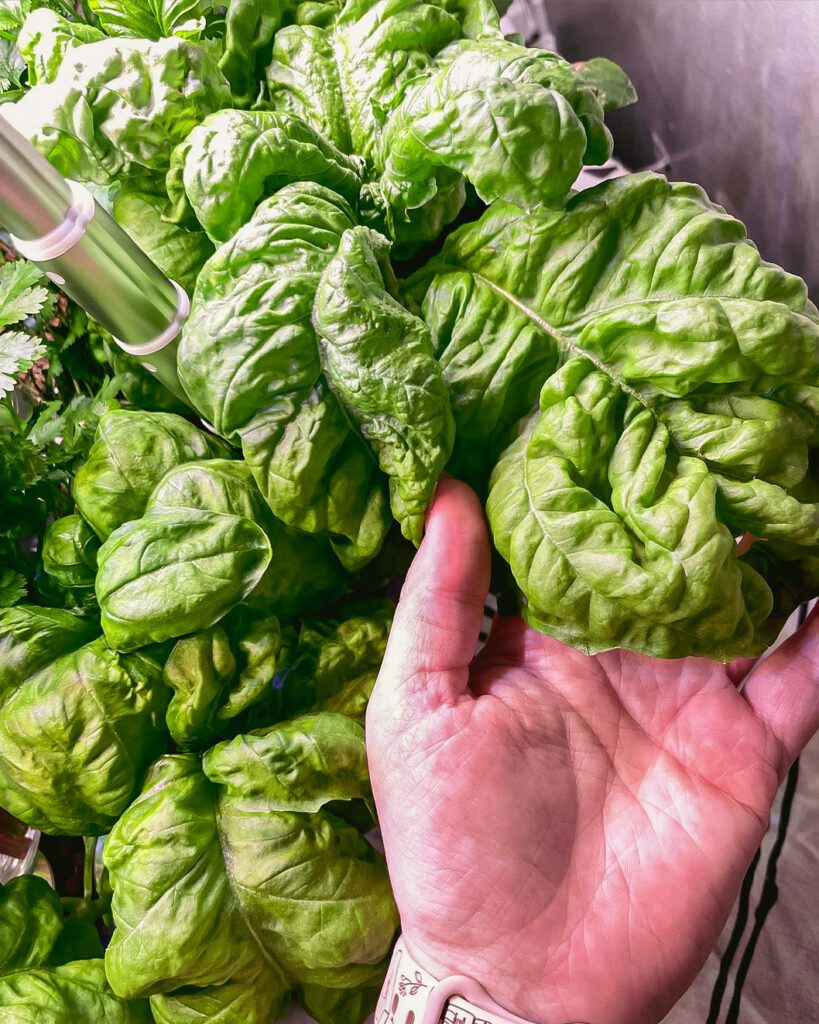
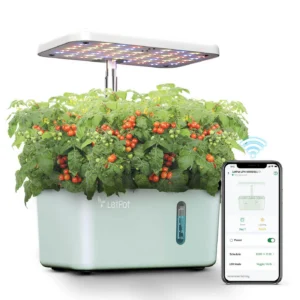
For the hydroponic side, a small pod-based mini smart garden such as the LetPot Mini keeps the water topped up automatically, which matters over a school holiday. For the soil side, any seed tray and a bag of potting mix will do. Both trays should use the same fast, forgiving crop: a lettuce seed variety germinates reliably indoors and shows a visible difference in leaf count within the first two weeks, which keeps younger children engaged while they wait for the soil tray to catch up. A bottle of liquid hydroponic nutrient solution is needed for the water side only; soil-grown seedlings get a diluted all-purpose liquid feed instead once true leaves appear, following the rate printed on the bottle. The full range of lettuce and leafy green seeds is worth browsing if a class wants to try a second variety alongside the main trial, since a slower and a faster lettuce variety growing next to each other can turn into its own mini comparison once the main lesson is finished.
If a school is ordering for several classrooms at once, it is usually simpler to contact our team directly about quantities and delivery timing rather than placing several separate small orders, since one delivery to a school office is easier for staff to receive and unpack than a handful of parcels arriving on different days.

Setting up the soil tray and the hydroponic pod on the same day
Sow both on the same morning so the germination clock starts together. Push the soil seed about twice its own depth into damp potting mix, label the tray, and place it under the same light source the hydroponic pod will use. For the hydroponic side, follow the manufacturer’s instructions for seeding the pod sponge; most smart garden systems specify an 18-hour light cycle for seedlings, which a built-in timer handles without a teacher needing to flip a switch every evening. Keep both trays at normal room temperature, away from a cold windowsill, since germination slows noticeably below about 18°C in most seed-starting guides.
A four-week measuring and journaling routine
Twice a week, at a fixed time such as Monday and Thursday morning, have children measure from the base of the stem to the tip of the tallest leaf with a ruler, in millimetres, and record it on a shared chart next to a quick sketch. This mirrors the observation rhythm AgClassroom’s lesson uses, just swapped from “twice a week for a month” onto a soil-versus-water comparison, and it gives a class roughly seven to eight data points per tray by the end of a four-week run. A simple line graph at the end turns the ruler readings into a maths exercise: plotting two lines on the same axes makes it obvious within a couple of weeks which tray is pulling ahead, and by how many millimetres. Assign one or two children as the official measurers for the week and rotate the job, since consistent technique — measuring from the same point on the stem each time, rather than from the soil line one week and the pot rim the next — matters more to the accuracy of the chart than how often the plants are checked.

Linking the activity to science and maths outcomes
A soil-versus-water lesson fits science and maths outcomes around what plants need to grow, fair testing, and data recording and graphing, without needing to bolt on a separate maths lesson. Alabama’s ALEX programme frames the same idea as an argument-writing task: children defend, in their own words, why a plant grew the way it did, using their own measurements as evidence rather than a textbook answer. That reasoning step is worth keeping even in a shorter version of the activity, because it is what turns a plant-watching exercise into something a class can be assessed on. A short write-up at the end, covering what was measured, what the graph showed, and one reason the two trays might have grown differently, gives a teacher a piece of work to mark without needing a separate test.
| Item | Role in the lesson | Price |
|---|---|---|
| LetPot Mini (5-pod hydroponic smart garden) | Hydroponic side of the comparison, self-watering | €59.00 |
| Lettuce Salad Bowl seeds | Fast, visible crop for both trays | €1.99 |
| LetPot Hydroponics Nutrients (liquid plant food) | Feeds the hydroponic side only | €17.99 |
Frequently asked questions
How long should the lesson run for a visible difference?
Most classrooms see a clear gap by the third week. AgClassroom’s own timeline allows about a week for germination plus roughly a month of observation, so four weeks after sowing is a reasonable point to wrap up the comparison and write up results.
Do children need to measure in millimetres, or is centimetres fine?
Millimetres give younger children a bigger, more satisfying number to record and make small early differences visible on a graph; centimetres work just as well for the science and are easier for younger classes to read off a ruler, so either unit fits the same lesson.
What if the soil tray grows faster than the hydroponic pod?
That is a valid and common result in the first two weeks, since a seed planted in soil already has some stored nutrients in the surrounding mix, while a hydroponic pod depends on the feed schedule being followed correctly. It is worth discussing in class rather than treating it as a failed experiment.
Can this run without a teacher checking it daily?
Yes, if the hydroponic side uses a self-watering smart garden with a built-in reservoir and light timer; the soil tray still needs manual watering every two to three days, which is the more common point where a soil-only setup dries out over a weekend.
Is this suitable for a kindergarten group rather than ages 9–12?
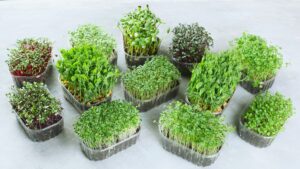
The soil-versus-water comparison and ruler measurements work best from around age 8 upward, once children can read a ruler reliably; for younger groups, a simpler sprouting or microgreens activity without formal measurement usually holds attention better.
Where do the lesson structures referenced here come from?
The germination-plus-observation rhythm is adapted from AgClassroom’s Test Tube Hydroponics lesson for grades 3–5, and the journaling and argument-writing approach from Alabama’s ALEX “Hydroponics: Can Plants Grow Without Soil?” resource for grade 5; both are linked below for teachers who want the original materials.
Where to start
A single LetPot Mini covers one hydroponic tray for a small group, and a second pod can run a different crop if a class wants to compare more than one variety at once. For a bigger classroom or a whole-school project, it is worth browsing the full range of smart gardens before deciding how many pods the activity needs.
Further reading: AgClassroom’s Test Tube Hydroponics lesson (grades 3–5) and Alabama ALEX’s “Hydroponics: Can Plants Grow Without Soil?” (grade 5).