A sprouting corner for a library or youth centre is one of the cheapest, lowest-mess indoor growing setups available: a sprouter and a bag of seeds cost under €20, need no soil and no grow light, and most varieties are ready to taste in well under two weeks. It works as a standing display near the returns desk, a rotating activity for school-holiday programming, or a quiet corner project for a youth club, and it survives being looked after by whoever happens to be on shift that week.
Libraries and youth centres already run plenty of hands-on lending and making activities, so a sprouting corner tends to fit in naturally. One branch library’s own account of starting a seed-lending programme, published on WebJunction, puts a comparable programme’s setup cost at under $200 — a similar order of cost to what follows, for a different format. This guide covers the equipment, the cost from stock, a weekly rhythm any volunteer can follow, and how to keep it tidy enough for an open shelf.
Products mentioned — in stock at IndoorGarden, shipped from Tallinn across the EU.

What a sprouting corner actually needs
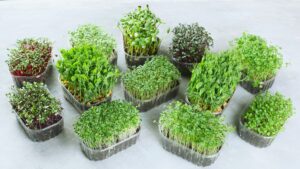
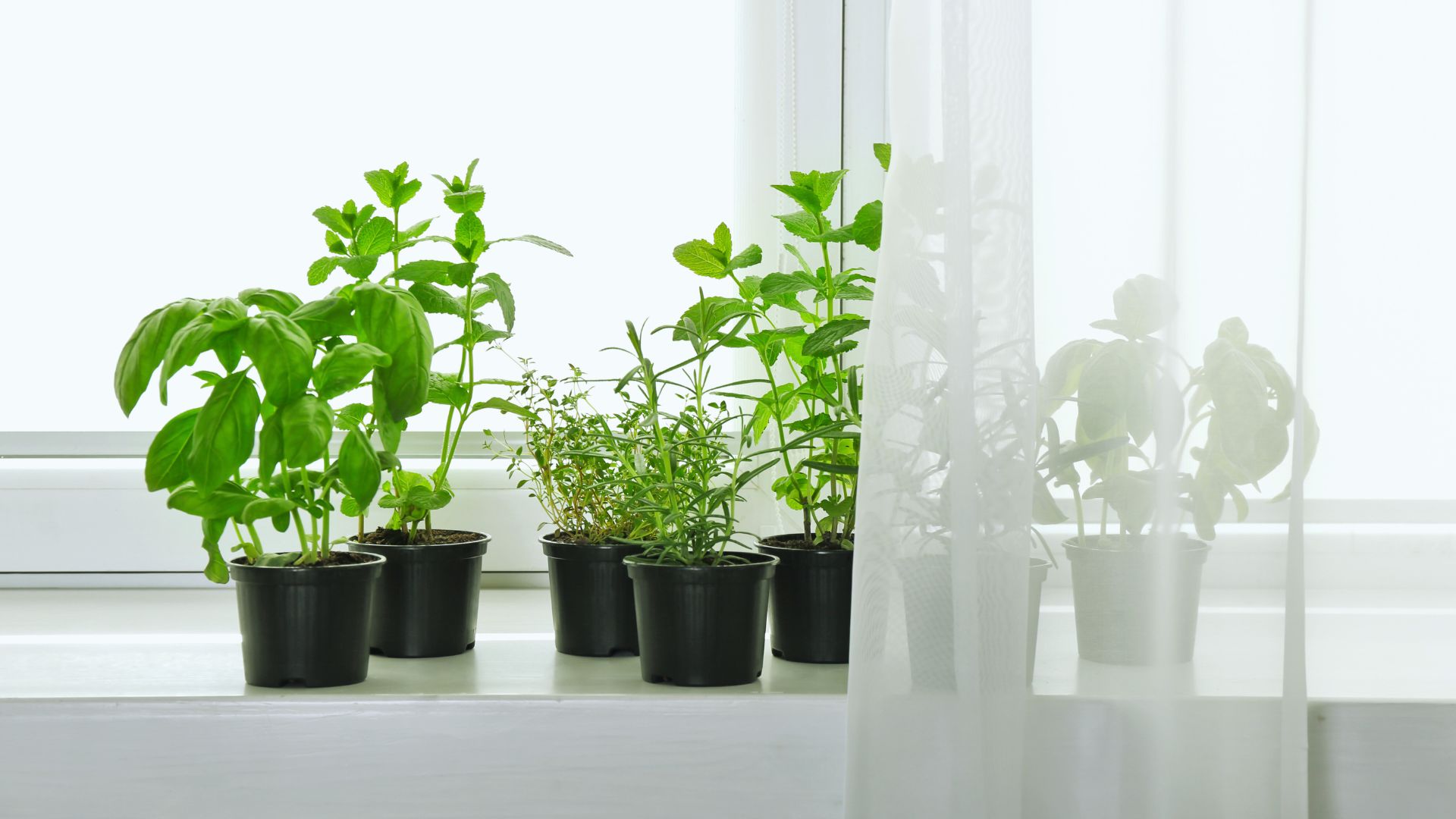
A sprouting corner is simpler than a planted garden corner. At its core it is a sprouting jar or bowl, a packet of seed, and a sink nearby for rinsing. There is no growing medium to spill, no soil to track across the carpet, and nothing that needs daily electricity. Utah State University Extension’s guidance on growing microgreens notes that most trays need no presoaking at all for seeds like radish, just an even scatter over a damp surface and a cover for the first day or two while the seed germinates. That means the whole operation fits on one shelf: jar, seed packet, a small spray bottle, and a tray to catch drips.
Cleanup is a rinse-and-dry rather than a sweep-up, which matters in a space people also use for reading or studying. With heavy footfall from children, keep seed packets out of reach between sessions and treat the jar as the only thing visitors handle.
Setting it up for less than €100
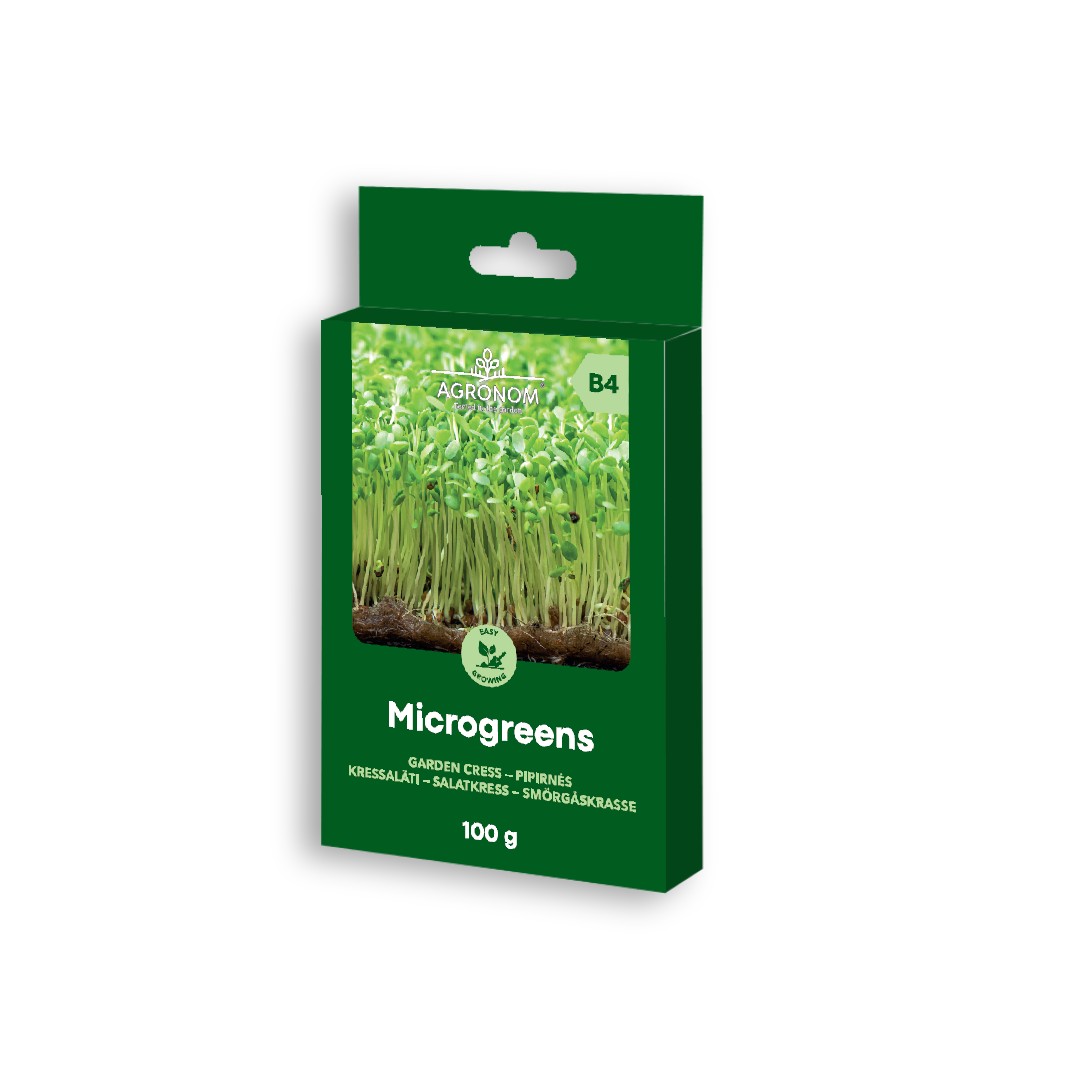
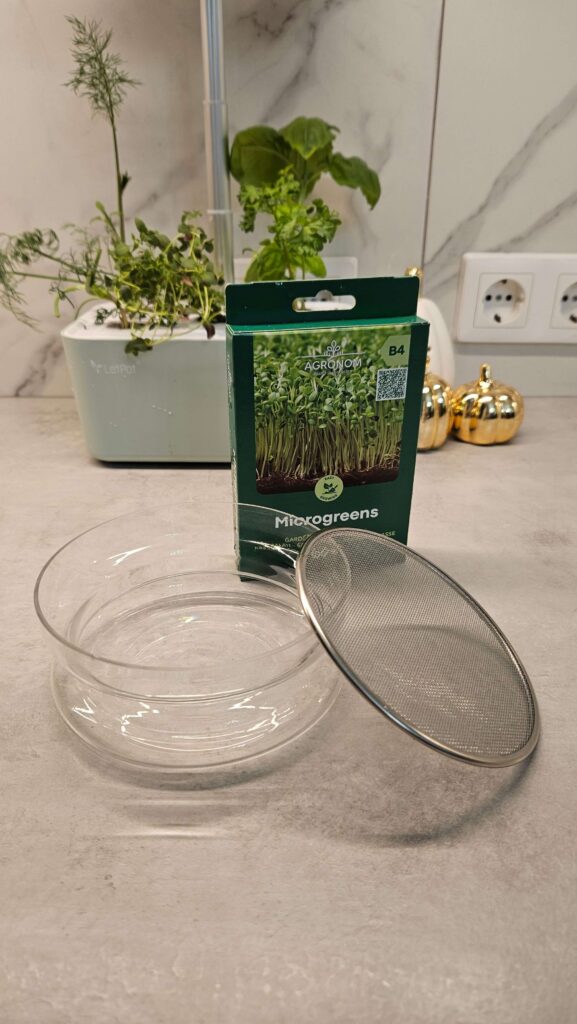
A starter setup is the Microgreens Sprouter at €11.99 plus a 100 g bag of radish microgreen seeds at €5.99, which comes to €17.98, enough seed for several rounds on a windowsill jar refilled every week or two. For a permanent, always-growing display instead, adding a small hydroponic unit brings the total to €76.98, still well under a typical programming budget. Either tier is a one-off purchase; only the seed gets replaced.
A weekly rhythm that any volunteer can follow
The routine itself is short enough to hand to whoever is on the desk. Seeds go in, get rinsed once or twice a day, and are ready within one to two weeks depending on the variety. Utah State University Extension lists radish microgreens at roughly 8 to 12 days from sowing to harvest in a tray setup, broccoli in a similar range, and faster options like arugula closer to 6 to 8 days. A laminated card by the jar with the sowing date and a rough harvest-by date is usually enough; no dedicated rota needed, just a habit someone keeps for a week before handing it off.
For a programme tied to a fixed window, such as a school-holiday week, sowing on day one and harvesting on the last day suits fast crops like radish or cress far better than slower ones like basil or coriander, which take two to four weeks.
Choosing seeds that are fast, cheap and visitor-safe
For a space with young or unsupervised visitors, the safest choices are varieties with no known common allergy flags and a short growing window: radish, pea, sunflower and garden cress microgreens are the usual picks: fast enough to show visible change within days. Radish and cress have a noticeably peppery taste that tends to interest children and teenagers more than a plain lettuce green, which helps if the point is to get people to stop and look.
Keep seed packets and small parts out of reach of toddlers — the point is observation and harvest, not unsupervised snacking, and this is a growing activity rather than a dietary programme.
Moving up to a visible, always-growing display
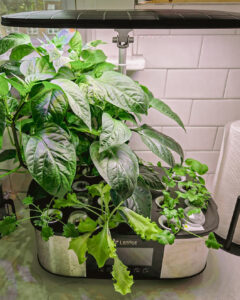
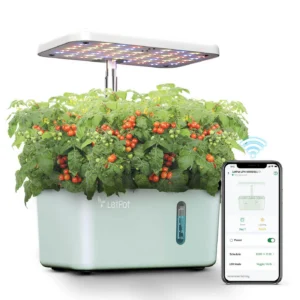
A jar on a shelf works for a rotating activity, but it empties out between sowings. For a spot with constant footfall, such as the entrance or returns desk, a small hydroponic unit keeps something visibly growing at all times instead of cycling between empty and full. A compact option such as the LetPot Mini 5-Pod smart garden runs on its own reservoir and built-in light, so it needs no window and can sit anywhere near a power socket — a bigger cost than a jar, but a one-off purchase with no sowing cycle to manage.
Keeping it low-mess and genuinely low-risk
The main risks in a public space are spilled water, loose cords and seed packets within reach of very young children. A tray under the jar catches drips, routing any cord along a wall avoids a trip hazard, and keeping seed in a drawer rather than on the open shelf solves the rest. With no soil and no fertiliser in a sprouting jar setup, there is nothing to stain carpet or leave residue on furniture — usually the bigger practical concern in a public space than the plants themselves.
| Item | Price | Running total |
|---|---|---|
| Microgreens Sprouter | €11.99 | €11.99 |
| Microgreens Radish Seeds, 100 g | €5.99 | €17.98 |
| LetPot Mini 5-Pod smart garden (optional upgrade) | €59.00 | €76.98 |
Frequently asked questions
How much does a sprouting corner cost to set up?
A basic jar-and-seed setup costs under €20, and adding a small hydroponic unit for a permanent display brings the total to roughly €77, well inside a typical programming budget.
How often do the seeds need attention?
A sprouting jar needs rinsing once or twice a day; a hydroponic unit with its own reservoir needs a water top-up every week or two and otherwise runs on its own.
Which seeds work best for a space with children or teenagers around?
Radish, pea, sunflower and garden cress microgreens are common choices: they are fast-growing, have no major allergy flags, and give a visible result within days.
Does the display need a window or grow light?
A sprouting jar needs no light during the first covered days and only moderate light afterwards, so a bright room is usually enough. A hydroponic unit with a built-in light does not depend on a window at all.
How long does it take from sowing to harvest?
It varies by seed. Utah State University Extension lists radish microgreens at roughly 8 to 12 days and arugula at 6 to 8 days in a tray setup; slower herbs like basil or coriander take two to four weeks.
Is this the same as a seed-lending library?
No. A seed-lending library sends seed packets home with patrons to grow in their own space; a sprouting corner is a jar or small unit that grows on site, for people to watch rather than take away.
Where to start
Most spaces start with the jar-and-seed tier, since it needs no wiring and fits on a single shelf, then decide after a few rounds whether a permanent display is worth the extra cost. Pick up a Microgreens Sprouter and seed from the microgreens seed range to try a first round, and reach us through the contact page for a bulk order across several branches.