Vegetable seeds for growing indoors work best when you pick compact, fast-cropping varieties — in our 8-week test, 12 varieties stood out, including dwarf tomatoes, leaf lettuce and spinach that gave a first harvest in as little as 3 to 6 weeks.
I run the IndoorGarden test kitchen in Tallinn, and this spring and summer we grew 14 vegetable varieties side by side: dwarf tomatoes, lettuce, spinach, rocket and corn salad, both in soil and in a LetPot smart garden. The goal was simple: find varieties that actually crop indoors and in a smart garden, not just ones that look nice. 12 varieties clearly outperformed the rest, and they are listed below.
What we used — tested in our Tallinn test kitchen, ships from Estonia across the EU.
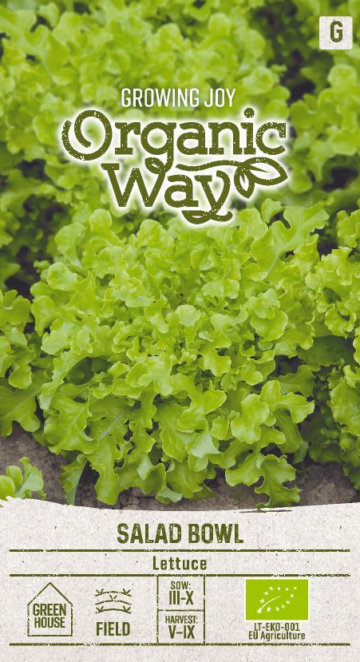
Organic Lettuce Salad Bowl Seeds | Fast-Growing Leaf Lettuce for Hydroponics & Smart Indoor Gardens
1,99 €Add to cart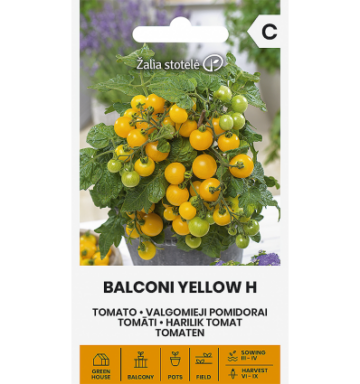
Tomato balconi yellow h – determinate balcony cherry tomato hybrid
1,49 €Add to cart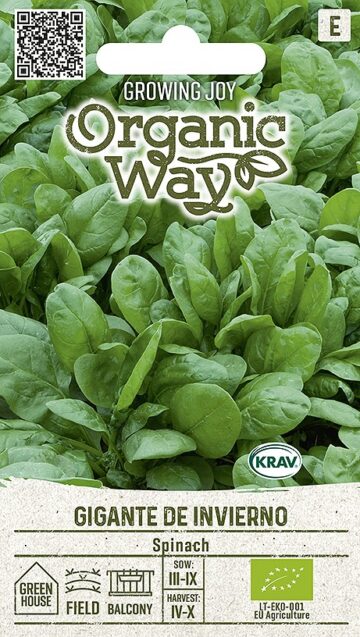
Organic Spinach Gigante de Invierno Seeds | Fast-Growing Baby Leaf Spinach for Hydroponics & Smart Indoor Gardens
1,99 €Add to cart
What separates vegetables from herb seeds indoors
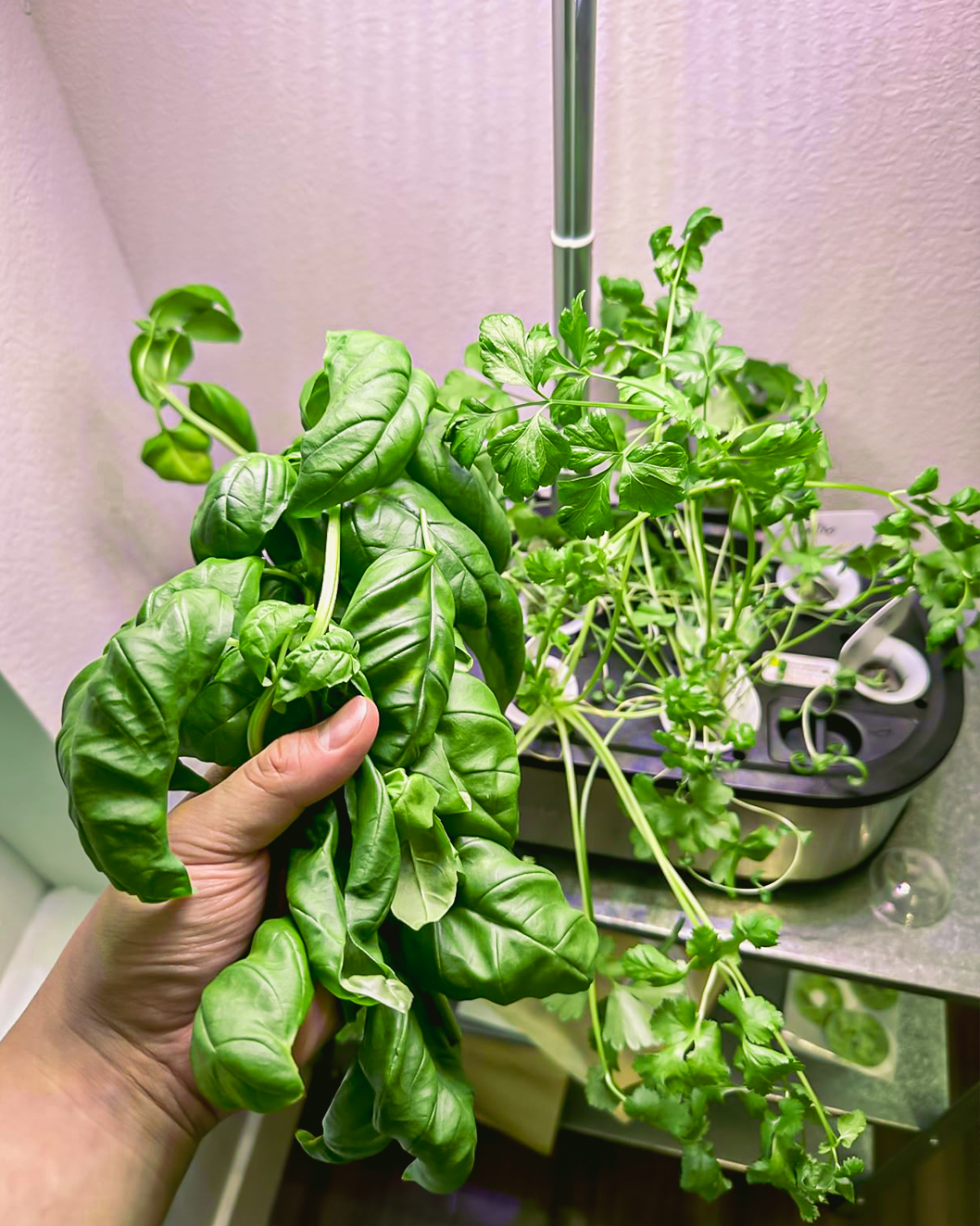
A herb such as basil or parsley is happy with a small root ball and keeps producing for months once you start cutting it. A vegetable is more demanding: a tomato needs pollination and more light to set fruit, while spinach and lettuce prefer cooler temperatures and bolt quickly if watering swings between dry and soaked. None of that means vegetables cannot be grown indoors — it just means variety choice matters more. For this test we picked varieties from our own range bred to stay compact and crop quickly, because an ordinary garden-centre tomato simply grows too large and too slowly indoors.
Tomatoes on the windowsill and in a smart garden: three varieties that actually fruit
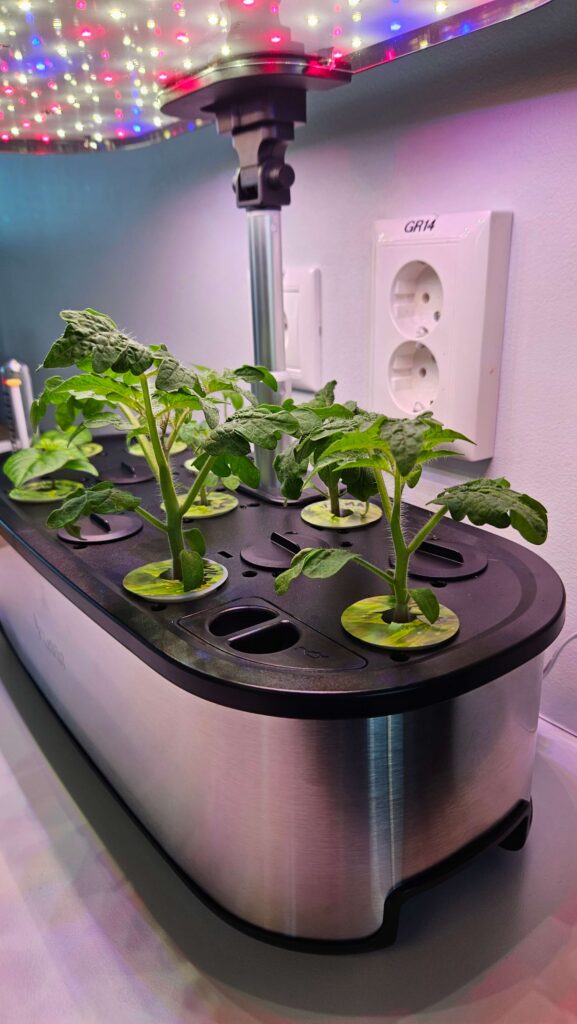
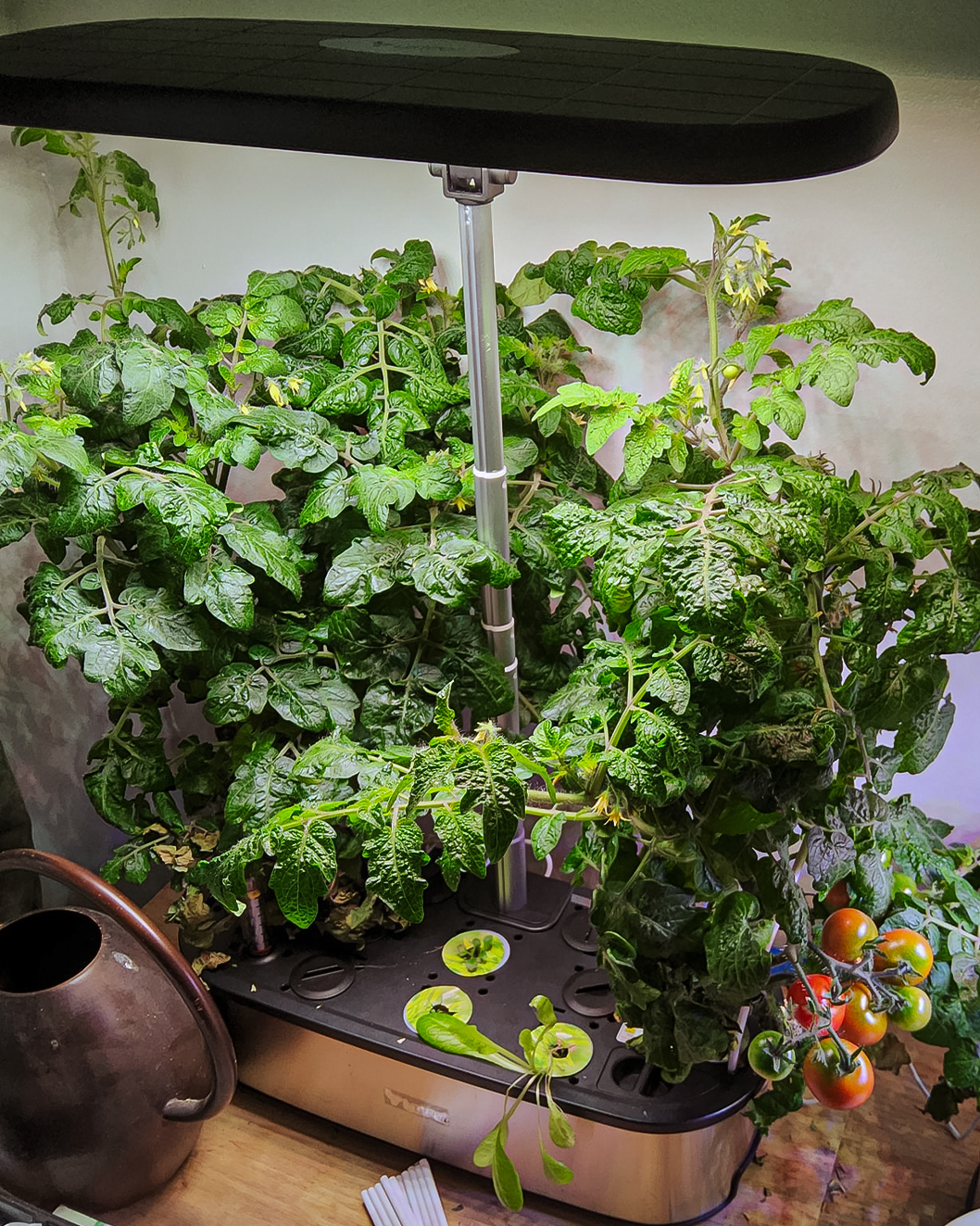
Dwarf tomatoes are the most demanding vegetable on this list, but also the most rewarding once you pick the right variety. Our best result came from Balconi Yellow H, which stayed under 40 cm tall and gave its first ripe fruit in 9 weeks in a LetPot Senior smart garden under a 100 W grow light. We hand-pollinated every open flower with a soft brush every other morning, since there is no wind or insect traffic indoors. Vilma and Venus (both €1.49) gave similar results in soil pots, but took 2 to 3 weeks longer to their first fruit, because soil moisture swung more than the smart garden’s reservoir.
Lettuce and leafy greens: the fastest route to a harvest
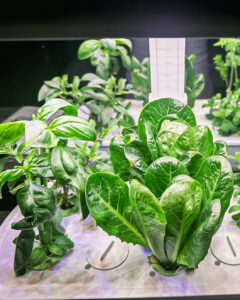
If you want a fast, reliable result, start with leaf lettuce. In our test, Salad Bowl gave its first pickable leaves in just 3 weeks and kept cropping every 5 to 7 days for over a month, as long as we only cut the outer leaves. Frillice (€3.99) and Grünetta (€1.49) formed a denser, more compact plant that suits a smart garden pod well, while Bionda a Foglia Riccia (€1.99) grew faster in a warmer kitchen (22-24 °C) than in a cooler room. Rocket was the fastest of all the varieties — the first leaves were edible by day 16 to 18, but the plant turned bitter and bolted when we kept it above 24 °C, so the steady 20-22 °C of a smart garden suited it better than our warm kitchen window.
Spinach, corn salad and other cool-tolerant vegetables
Spinach is the most temperature-sensitive vegetable on this list. Gigante de Invierno gave its best result in a cooler corner at 16-18 °C, where the leaves stayed dark green and juicy; in a warmer spot (above 22 °C) the plant bolted quickly and the leaves turned bitter. New Zealand spinach (€1.49) tolerates warmth better and is the better choice if your home consistently sits above 20 °C. Corn salad, sold as Trophy (€1.99), grew slowly but produced nutty-tasting leaves right through winter without bolting — a good pick if you want one planting that does not need re-sowing every couple of weeks.
12 varieties that actually work indoors
A summary table of our test results — time to first harvest, type and today’s price in our shop.
| Variety | Type | Time to first harvest | Price |
|---|---|---|---|
| Balconi Yellow H | Dwarf tomato | 9 weeks | €1.49 |
| Vilma | Dwarf tomato | 11-12 weeks | €1.49 |
| Venus | Dwarf tomato | 11-12 weeks | €1.49 |
| Goldkrone | Cherry tomato | 10-11 weeks | €1.49 |
| Salad Bowl | Leaf lettuce | 3 weeks | €1.99 |
| Frillice | Leaf lettuce | 3-4 weeks | €3.99 |
| Grünetta | Leaf lettuce | 3-4 weeks | €1.49 |
| Bionda a Foglia Riccia | Leaf lettuce | 3 weeks | €1.99 |
| Rocket | Rocket | 2-3 weeks | €1.49 |
| Gigante de Invierno | Spinach | 4-5 weeks | €1.99 |
| New Zealand spinach | Spinach | 5-6 weeks | €1.49 |
| Trophy corn salad | Corn salad | 6-7 weeks | €1.99 |
Frequently asked questions
Can vegetables be grown in a smart garden as easily as herbs?
Lettuce, rocket and spinach grow in a smart garden just as easily as basil or parsley. Tomatoes additionally need hand pollination and brighter light, so they are a step up in effort, but entirely possible based on our test.
Why is my indoor tomato not setting fruit?
The most common cause is missing pollination — there is no wind or insects indoors. Brush each open flower gently with a soft brush or your finger every other morning, and fruit set should improve within 5 to 7 days.
Do spinach and lettuce need a cooler room than other vegetables?
Yes. Spinach and lettuce bolt and turn bitter faster above 22-24 °C. If your home runs warm, choose New Zealand spinach instead, or grow in a cooler corner away from a radiator.
How long do vegetable seeds take to germinate?
Most of our vegetable seeds germinate in 5 to 10 days at room temperature. Tomato and spinach are a little slower to germinate, lettuce and rocket faster.
Is a smart garden suitable for growing dwarf tomatoes?
Yes, provided you choose a taller model where the light can be raised as the plant grows — we used a LetPot Senior with an added 100 W grow light in our test. Shorter Mini-type smart gardens suit lettuce and herbs better.
How many times can you cut leaf lettuce before it is spent?
If you only cut the outer leaves and leave the growing point intact, most of the lettuce varieties we tested can be cut 4 to 6 times before the plant bolts or yield drops off.
If you want to start today
For the fastest first harvest, start with Salad Bowl leaf lettuce — it gave us a result in just 3 weeks. If you want something more demanding, pick Balconi Yellow H dwarf tomato and grow it in our smart gardens range, where light and water stay steady through the whole fruiting period. Every seed pack ships from our Estonian warehouse across the EU.