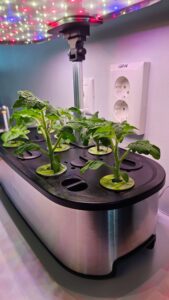
A smart garden is a countertop hydroponic unit that runs its own LED light and water pump on a timer, so herbs and salad greens grow without soil, daily watering or a sunny window. Prices for the 3 models we run in our test kitchen span €59 to €89, and a first harvest usually arrives within 2 to 4 weeks.
I run the test bench at IndoorGarden in Tallinn, and for the past 6 months we have kept a LetPot Mini, a LetPot Air and a Botanium pot growing side by side in our kitchen to see exactly what each one is good for. This guide is the plain answer to what a smart garden actually is, how the light, water and nutrients work together, and which of the three is worth buying for a normal EU kitchen counter.
What we used — tested in our Tallinn test kitchen, ships from Estonia across the EU.
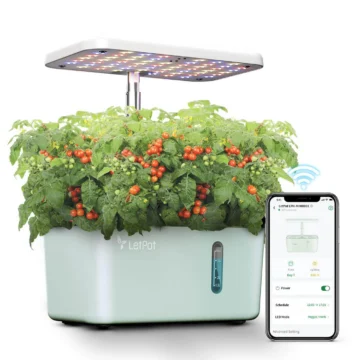
LetPot Mini 5-Pod Smart Indoor Hydroponic Garden – Grow Herbs, Greens & Veggies Year-Round
59,00 €Add to cart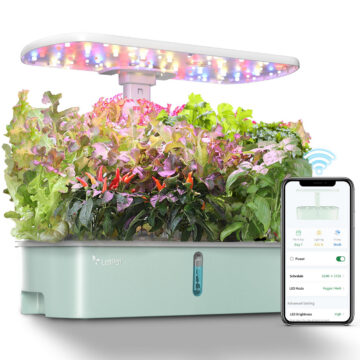
LetPot Air 10-Pods Smart Indoor Hydroponic Garden – Grow More Herbs, Greens & Veggies
89,00 €Add to cart- Sale!
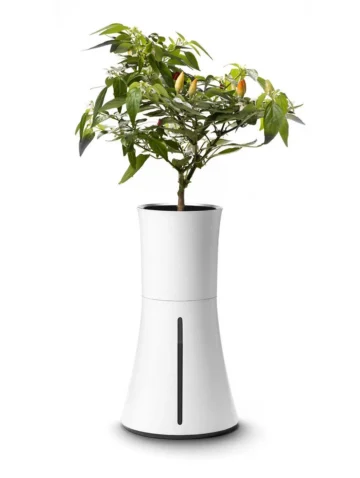
Botanium Smart Hydroponic Pot – Scandinavian Design Indoor Garden with Automatic Watering
Original price was: 75,00 €.69,00 €Current price is: 69,00 €.Add to cart
What a smart garden actually is
A smart garden is a self-contained hydroponic appliance built from 3 parts: a water reservoir holding the nutrient solution, a full-spectrum LED light on a timer, and a set of pods where seeds sit in a growing sponge instead of soil. Roots grow down directly into the water below the sponge, so there is no compost to buy, no saucer to empty and no guessing about how much to water. Our LetPot Mini holds 1.5 L and runs a 10 W LED, while the 10-pod LetPot Air steps up to a 4 L tank and a 24 W panel for a wider mix of plants at once. The Botanium takes the idea down to a single pot with a 1 L tank and a USB-powered light, which suits one plant on a desk rather than a full herb rotation.
How the water, light and nutrients work together
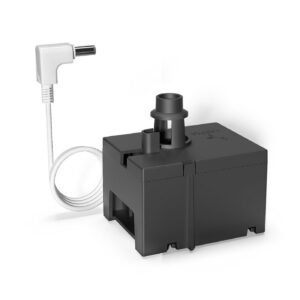
The pump moves water up to the roots on a short cycle, typically a few minutes every 30 minutes, which keeps oxygen reaching the roots instead of leaving them sitting in stagnant water. Nutrients are dissolved into that same reservoir at the concentration the manufacturer specifies, so the plant receives a steady, measured feed rather than the boom-and-bust of watering a pot by hand. The University of Nevada, Reno Extension notes that plants absorb minerals as dissolved ions whether those ions come from soil or from a nutrient solution, which is why a hydroponic feed is not a shortcut around good nutrition, just a different delivery method. The LED above the tray runs on a fixed schedule, usually 14 to 16 hours of light followed by a dark period, which matters more than people expect: a chilli or lettuce plant left in an Estonian kitchen in January gets a fraction of the daily light it needs from the window alone, and the LED is what actually grows the plant rather than just keeping it alive.
What you can actually grow in one
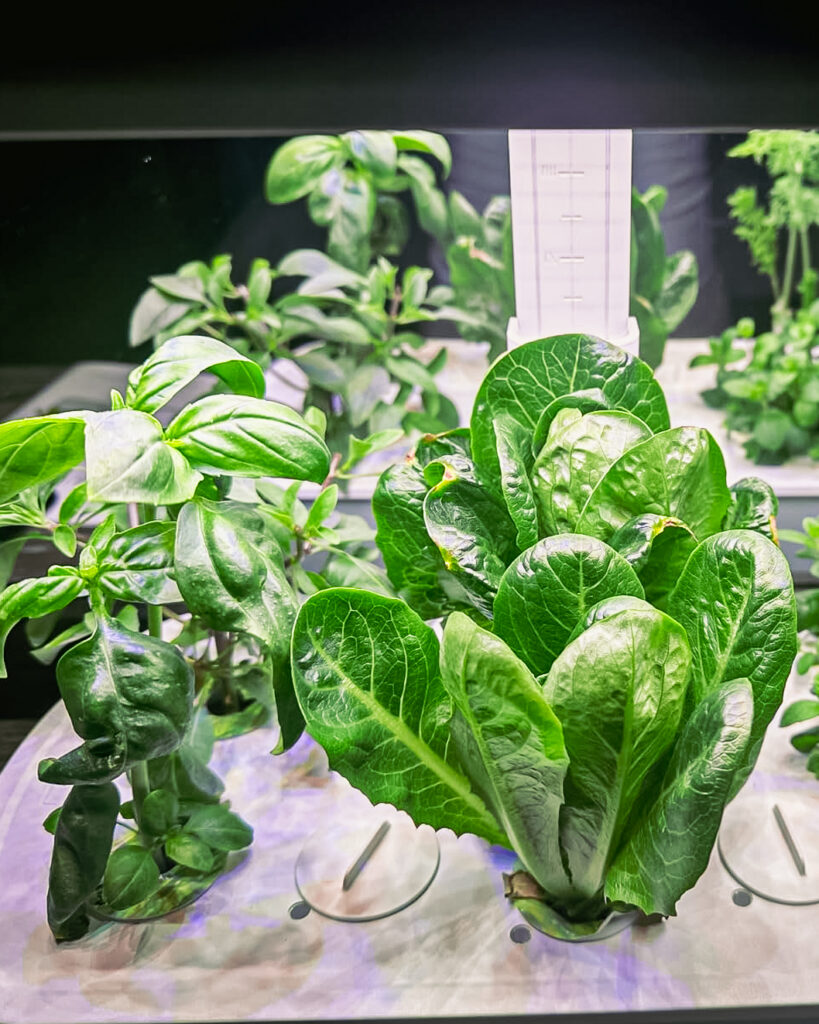
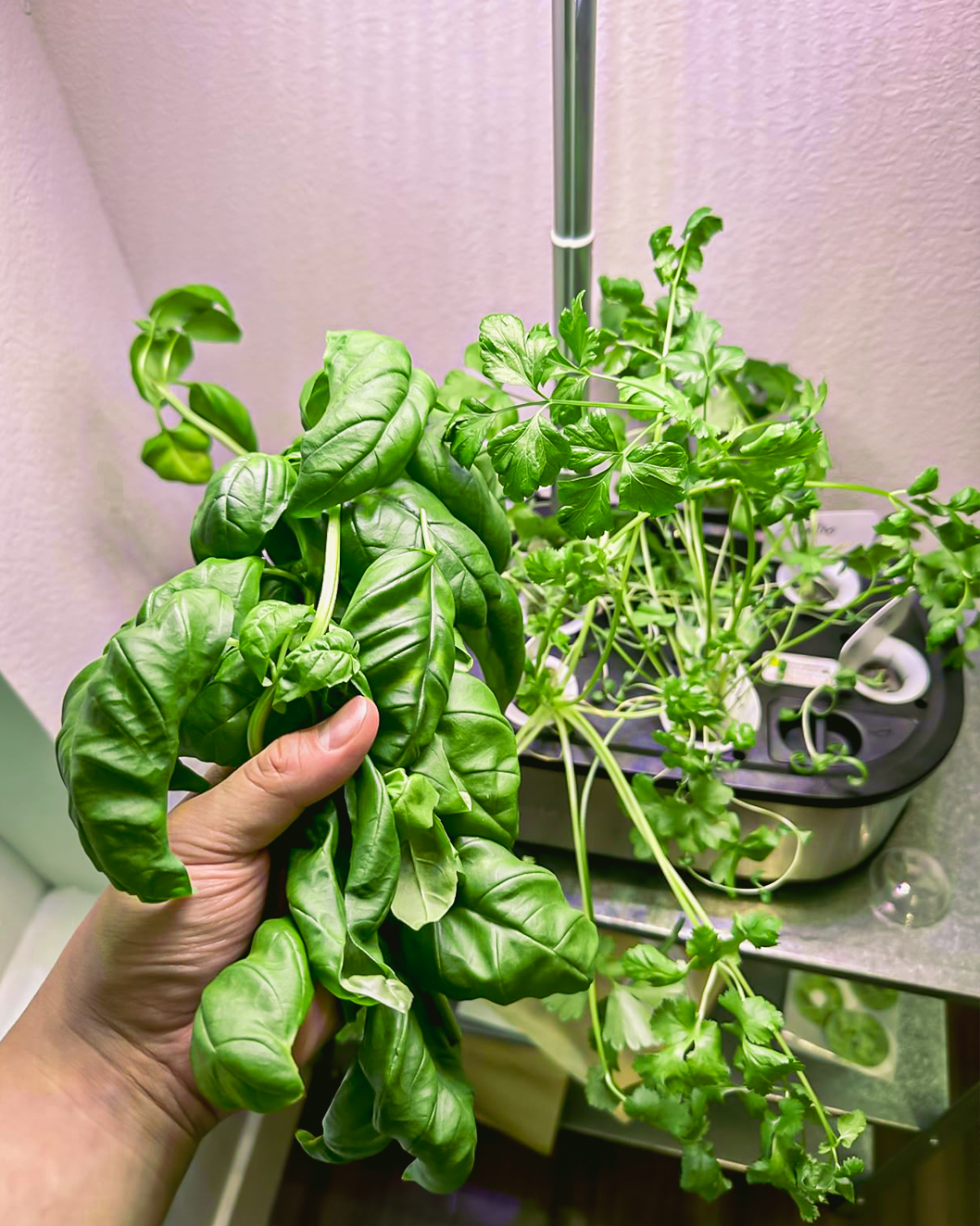
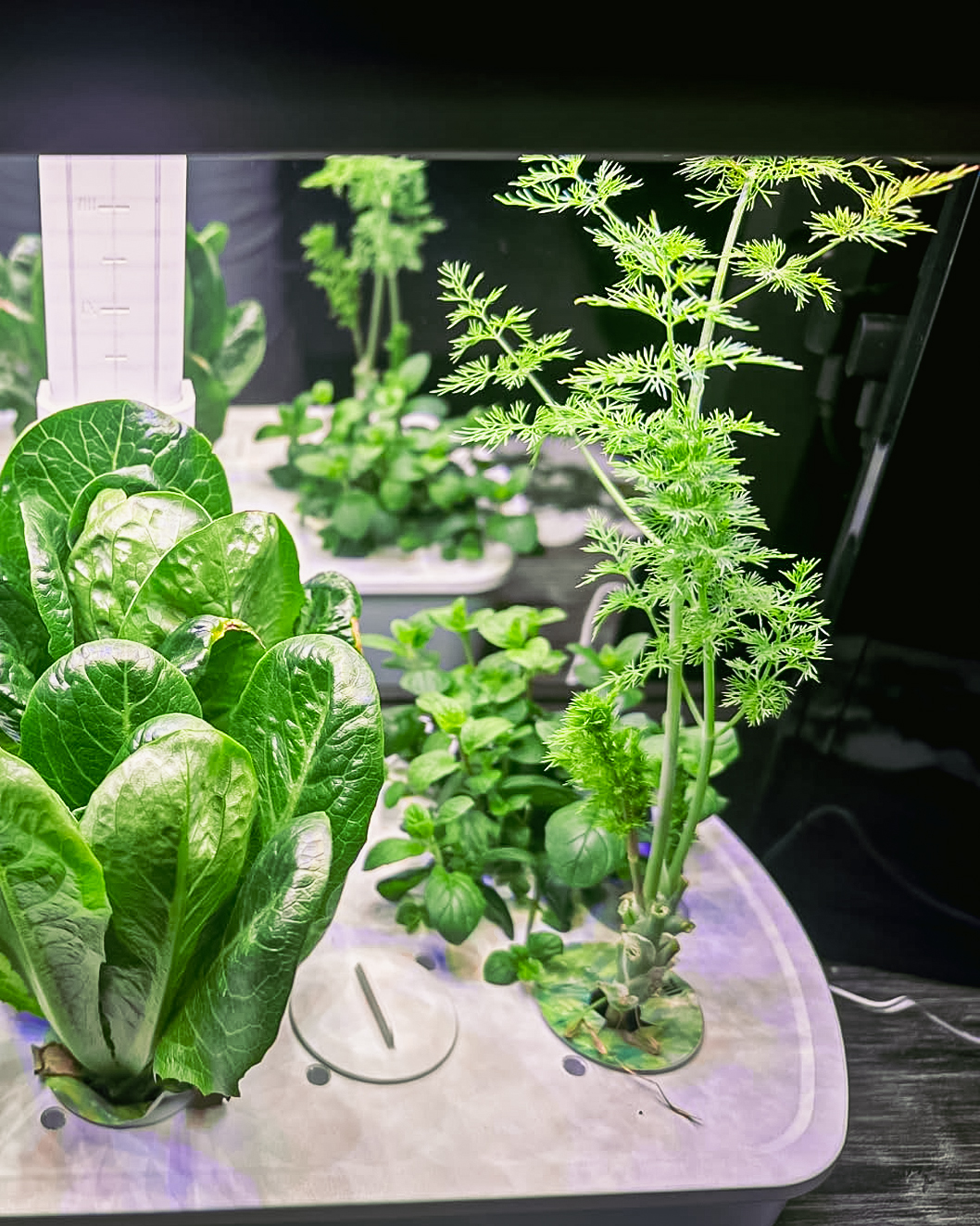
Smart gardens are built for plants that grow fast and don’t need a deep root run: basil, parsley, coriander, chives and dill all do well, along with lettuce, spinach and other leafy salad greens. Our own test pods have carried all of these on rotation, with the first cut usually ready in 2 to 4 weeks depending on the crop and the model. Compact fruiting plants such as cherry tomatoes and chilli peppers can also work, though they need the taller light clearance that the Air and larger LetPot models give, rather than the shorter reach of the Mini or Botanium. Root vegetables like carrots and potatoes are a poor match for any of these systems, since there is no depth of growing medium for a large root to develop in. Choosing seed varieties bred to stay compact makes a real difference too, which is why we curate our own smart gardens range around crops that are proven to perform in a 11 to 41 cm growing height.
Smart garden vs soil vs a self-watering pot
A soil pot on a windowsill depends on you noticing when it’s dry and on the window actually supplying enough light, and in a Northern European winter neither is reliable. A self-watering pot solves half the problem: it buffers the water supply, but it still relies on whatever daylight reaches the room. A smart garden solves both parts at once, because the reservoir and the LED are both running on their own schedule regardless of the season. The trade-off is that a smart garden needs a power socket and costs more up front than a plastic pot and a bag of compost, and it works best with the crops listed above rather than as a general-purpose houseplant pot. If watering is genuinely your only obstacle and you already have decent light, a soil-based self-watering pot can be enough on its own, but in a dim Baltic kitchen the light is usually the bigger limiting factor.
What it costs to buy and to run
The upfront prices in our test line-up run from €59 for the LetPot Mini to €89 for the 10-pod LetPot Air, with the single-pot Botanium at €69. Running cost is mostly the LED, since the pump draws very little. At 10 W, the Mini’s light costs roughly €1.20 a month on a 16-hour daily schedule at the EU average electricity price of about €0.25 per kWh. The Air’s 24 W panel comes to around €2.90 a month on the same schedule. Nutrient solution is the other ongoing cost, and a single bottle typically covers several months of feeding for one unit. Set against the price of buying fresh basil or salad bags weekly, most households recover the cost of a Mini within the first few months of steady use, which we break down in full in are indoor garden systems worth it.
Which model fits your counter
Work down this table based on how much you cook with fresh herbs and how much counter space you actually have free. If you’re also weighing systems from other brands rather than just ours, our Click & Grow alternatives comparison lines up 6 options side by side.
| Your situation | Best fit | Why | Price |
|---|---|---|---|
| One desk or a small counter, 1-2 herbs at a time | Botanium | Single pot, 136 × 250 mm, USB-powered | Botanium smart pot, €69 |
| Kitchen counter, cook with herbs a few times a week | LetPot Mini | 5 pods, 1.5 L tank, refill every 7-10 days | LetPot Mini 5-pod, €59 |
| Family kitchen, want herbs and salad greens together | LetPot Air | 10 pods, 4 L tank, refill every 14-21 days | LetPot Air 10-pod, €89 |
| Want tomatoes or chillies as well as herbs | Larger LetPot models | Taller light clearance for fruiting plants | See full LetPot comparison |
Frequently asked questions
Do I need to use special seed pods with a smart garden?
Not with any of the systems we sell. LetPot and Botanium both use an open growing sponge rather than a locked pod, so you can plant our seeds or your own rather than being tied to a proprietary refill.
How much daily attention does a smart garden need?
Very little once it’s running. You check the water level every few days, top up the reservoir on the schedule the tank size sets, roughly every 7 to 10 days for the Mini and every 14 to 21 days for the Air, and harvest as the plants grow.
Can a smart garden replace a vegetable garden?
No. It replaces a windowsill herb pot or a bag of supermarket salad greens well, because those are exactly the fast, shallow-rooted crops it’s built for. It isn’t a substitute for growing potatoes, squash or anything that needs real depth and space.
Is the light too bright to have on a kitchen counter?
It’s noticeably brighter than room lighting when it’s on, which is by design, but the panel points down at the tray rather than out into the room. Most people set the schedule so the light runs during the day and switches off in the evening.
Do smart gardens use chemicals I should worry about?
The nutrient solution is a mineral feed, the same forms of nitrogen, phosphorus and potassium a plant would take up from soil, just dissolved in water instead. Used at the labelled dose, it isn’t different in kind from feeding a soil plant with liquid fertiliser.
What happens if the power goes out?
A short outage does no harm, since the reservoir still holds water around the roots. An outage of a day or more will stop the pump cycling and the LED running, so treat a smart garden like any powered appliance during a longer outage rather than as fully self-sufficient.
If you want to start today
For a first smart garden on a normal kitchen counter, the LetPot Mini is the model we’d point a beginner to, since it covers the herbs most people actually cook with at the lowest price in our line-up. If you already know you want a wider mix of herbs and salad greens at once, look at the full smart gardens range before deciding. Delivery on all of them is from our Estonian warehouse across the EU, with exact timing shown at checkout.