You can meaningfully green up an office on a small budget by picking two or three visible changes — a shared smart garden, a bit of vertical greenery and one waste-cutting habit — rather than planning a full refit. University of Exeter research links visible office plants to measurably higher staff wellbeing and productivity, and most of the seven ideas below cost under €200, with one under €15.
Office “wellbeing” budgets rarely stretch far, and most teams don’t actually want a redesign — they want the space to feel less flat, without a facilities overhaul or a contractor booking. The seven changes below are small, mostly product-based, and chosen so staff notice them in the first week: a countertop smart garden, a vertical planter for a bare wall, a weekly microgreens tray, a lighting swap, and a couple of habits that pay for themselves. None of it needs rewiring or planning permission, and most changes fit into a single afternoon.
Products mentioned — in stock at IndoorGarden, shipped from Tallinn across the EU.
1. Start with one change people will actually see
A single visible plant or growing unit beats several small, half-hidden ones. A 2014 University of Exeter study found that offices with even a modest amount of greenery reported around 15% higher productivity and well-being scores than bare offices of the same size, and the effect held even where staff had no say in which plants were chosen. The lesson for a small budget is to put that visibility first: one well-placed unit staff walk past daily will do more than five quiet desk plants nobody notices.
2. A smart garden for the break-room counter
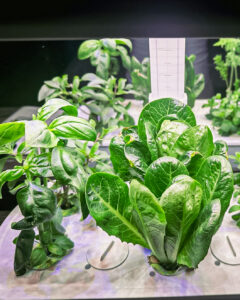
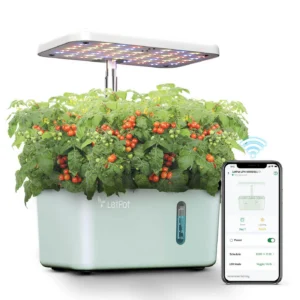
A compact hydroponic unit on the break-room counter gives the office fresh herbs without anyone needing a green thumb. A LetPot Mini 5-pod smart garden runs on a built-in LED and pump, needs its reservoir topped up every couple of weeks rather than daily, and takes up roughly the footprint of a large fruit bowl. Basil, parsley or chives grown this way give the kitchen something to actually use at lunch, which is usually what makes staff notice a change like this rather than walk past it.
3. Cut the small running costs that add up
Not every green change is a plant. Facilities teams commonly find that switching off monitors, printers and chargers overnight — rather than leaving them on standby — removes a quiet, recurring slice of a small office’s electricity use, even with no new equipment bought. The same goes for printing: a shared “print only what you need” reminder by the printer, paired with double-sided as the default setting, is free and usually cuts paper use within the first month. Pair one of these habits with a visible plant change so the “green office” effort has something people can actually see, not just a line in a sustainability report.
4. A vertical planter for a bare wall
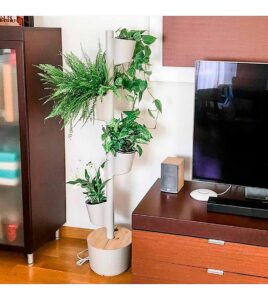
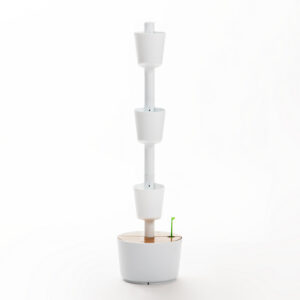
A reception area, a meeting room or a corridor wall with nothing on it is usually the best candidate for a vertical planter, since it adds greenery without taking any floor space. A CitySens vertical planter with a Wi-Fi smart watering kit holds three pots and tops itself up automatically, which matters for a wall nobody is assigned to water. The manufacturer’s own guidance is to check the app or indicator before a long weekend rather than assume the reservoir covers any specific number of days — reservoir size and plant choice both affect how long it lasts.

5. A weekly microgreens tray for the kitchen
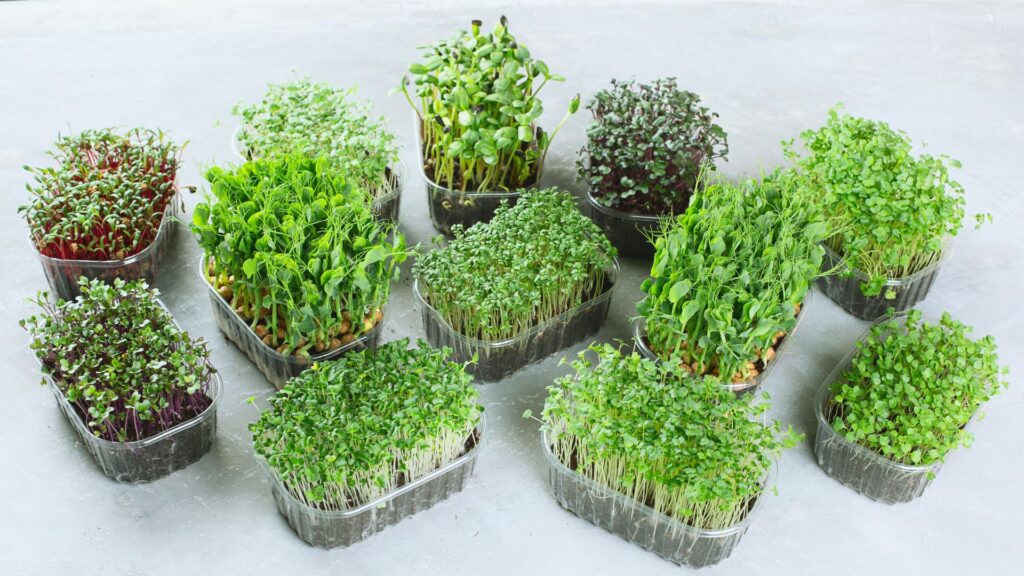
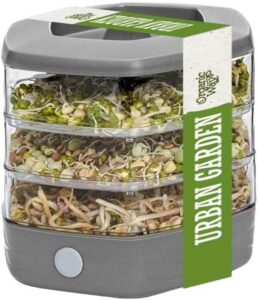
At under €15, a microgreens sprouter is the cheapest entry point on this list and the easiest to trial before committing to anything bigger. Sown on a Monday, most fast crops such as radish or sunflower microgreens are ready to cut within a week, which turns into a small, visible kitchen ritual rather than a one-off purchase. It also works well as a trial run for teams unsure whether a bigger smart garden is worth the desk space.
6. Put the watering and the budget in writing
The single biggest reason an office plant project fades after month two is that nobody is actually assigned to it. A short note by the kitchen — who checks the water level, who orders replacement seed pods, what the agreed budget for refills is — turns a one-off purchase into something that survives a holiday period. Self-watering hardware, such as the self-watering planters category, reduces how often that person needs to act, but it does not remove the need for one named owner.
7. Make it a shared ritual, not a one-off delivery
The changes that staff mention months later tend to be the ones with a recurring moment attached to them — cutting the week’s microgreens together, or a rota for who takes basil home when the smart garden overproduces. A one-off delivery of plants with no follow-up tends to fade into the background within a few weeks, which undoes most of the wellbeing effect described in the research above. Building in even one small recurring moment is usually what separates a green office change that lasts from one that quietly dies on a windowsill.
| Product | Price | Space needed | Typical upkeep | Best office spot |
|---|---|---|---|---|
| LetPot Mini 5-pod smart garden | €59.00 | ~20 × 20 cm counter space | Top up water every 2–3 weeks | Break room / kitchen counter |
| CitySens vertical planter, 3 pots, Wi-Fi watering kit | €189.00 | Wall-mounted, minimal floor footprint | Wi-Fi kit tops up automatically; check app before holidays | Reception, meeting room or corridor wall |
| Microgreens sprouter | €11.99 | One small tray, counter or windowsill | Rinse once or twice a day for about a week | Kitchen, as a weekly ritual |
Frequently asked questions
What’s the cheapest way to green up an office?
A microgreens sprouter is the lowest-cost item on this list, at around €12, and needs no wiring, wall space or long-term commitment — just a tray, water and seeds. It’s a reasonable first trial before spending more on a smart garden or a vertical planter.
Do office plants really affect productivity, or is that marketing?
The most widely cited evidence is the 2014 University of Exeter study referenced above, which linked visible office greenery to measurably higher productivity and wellbeing scores compared with bare offices. It’s one study rather than a guarantee, but it’s a commonly referenced data point for the case.
Who waters the office plants when everyone’s away?
Self-watering hardware such as a Wi-Fi-enabled vertical planter or a hydroponic smart garden extends the gap between waterings significantly compared with a standard pot, but check the manufacturer’s app or water-level indicator before a long break rather than assuming a fixed number of days.
Does a smart garden add much to the electricity bill?
A hydroponic unit like the LetPot Mini runs a small LED grow light and a low-power pump; the exact wattage is listed on the product’s own specification page, and it’s modest compared with most office equipment. It’s worth checking the spec sheet rather than guessing if the office tracks energy use closely.
We have no budget left this quarter — what should we do first?
Start with the free or near-free changes: switching off standby devices overnight and setting double-sided printing as default cost nothing, and a microgreens tray at under €15 is a reasonable addition even on a frozen budget. The smart garden and vertical planter can wait for the next budget cycle.
Where to start
If the office has no budget history for this kind of thing, start with the smallest, most visible option rather than the most ambitious one. A LetPot Mini smart garden on the break-room counter, or a quick browse of the mini smart gardens category, is usually the easiest first step — and if the team wants the research behind why this works, the piece on office plants and employee wellbeing covers it in more depth. For bulk orders or an invoice for a public institution, our contact page can set that up directly.