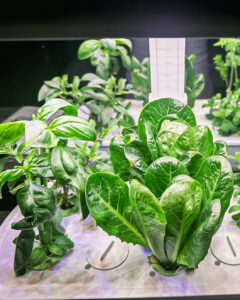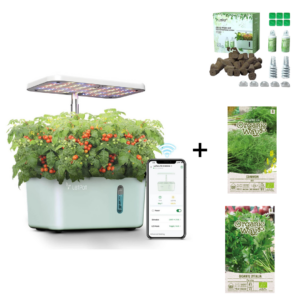
Smart irrigation systems save water by delivering it more precisely, reducing waste, and keeping moisture where plants can actually use it. In indoor gardening, this happens mainly through two approaches: smart gardens (hydroponic systems) and self-watering systems — read our detailed guide to how self-watering systems work.
Both methods are designed to avoid the most common cause of water waste in home growing: overwatering and uncontrolled drainage.
Why traditional indoor watering wastes water
When plants are watered manually in pots, excess water often drains out of the bottom or evaporates from the soil surface. This creates several problems:
- Water runs straight through the pot without being absorbed
- Roots sit in soggy soil, which harms plant health
- Growers compensate by watering less often but with too much volume
Over time, this leads to unnecessary water use and inconsistent plant growth.
How smart irrigation works indoors
Indoor smart irrigation systems focus on controlled delivery rather than volume. The goal is not to reduce the plant’s water needs, but to reduce water loss.
This is achieved by:
- Delivering water directly to the root zone
- Storing unused water instead of letting it drain away
- Reducing evaporation from exposed soil
How smart gardens save water
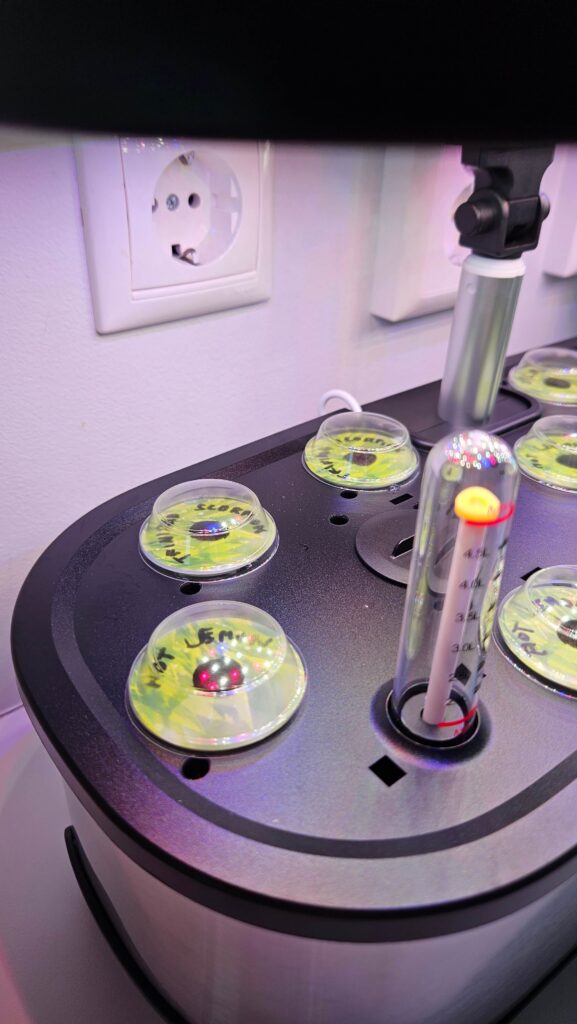
Smart gardens use hydroponics, meaning plants grow without soil and receive water and nutrients directly through a reservoir system.
Why hydroponics is water-efficient
- Closed or semi-closed water systems: water stays in the reservoir instead of being lost through drainage
- Direct root access: plants absorb what they need without saturating surrounding material
- Minimal evaporation: there is no large soil surface constantly drying out
Multiple scientific studies have shown that hydroponic systems can be significantly more water-efficient than soil-based growing. A controlled comparison of tomato production systems found that hydroponic cultivation used less water per unit of yield than soil systems while maintaining comparable productivity.
Source: PubMed – Water use efficiency in hydroponic vs soil-grown tomatoes
Broader reviews of hydroponic food production also describe reduced water consumption compared to conventional soil cultivation, especially when water is recirculated.
Source: MDPI – Review of hydroponic systems and resource efficiency
In practice, this means smart gardens use water more efficiently because very little is wasted. You refill a reservoir when needed instead of repeatedly flushing water through soil.
How self-watering systems save water
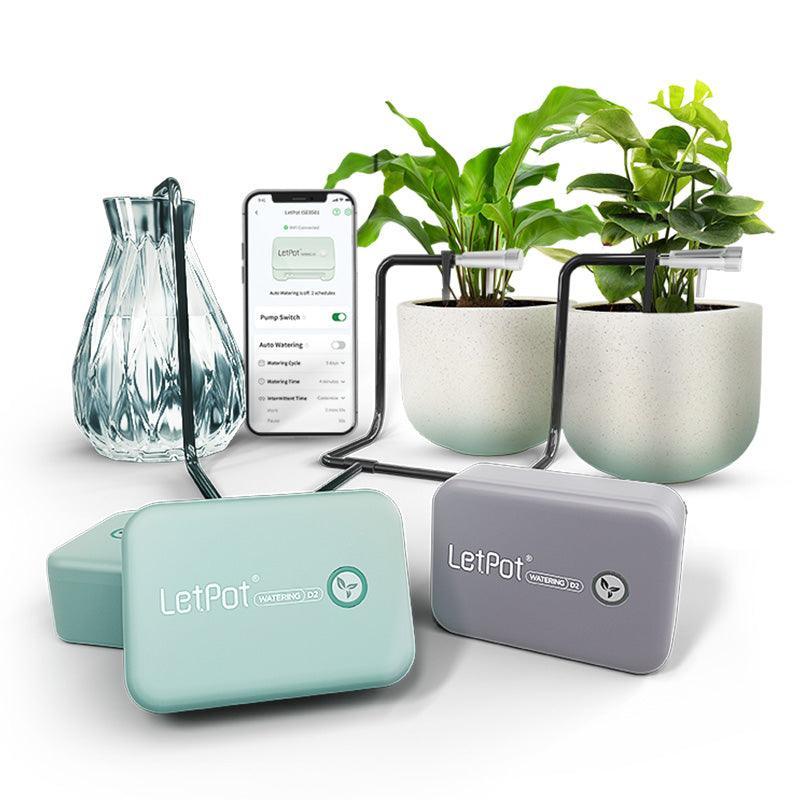
Self-watering systems use soil, but change how water is delivered. Instead of pouring water from the top, they store water in a reservoir below the soil and supply it gradually through capillary action.
Where the water savings come from
- Reduced runoff: excess water stays in the reservoir instead of draining away
- Steady moisture levels: plants take water as needed, reducing stress cycles
- Less evaporation: soil surface stays drier compared to frequent top watering
While self-watering systems do not change how much water a plant needs biologically, they significantly reduce waste caused by overwatering. This makes them especially useful for beginners and busy home growers.
Smart gardens vs self-watering systems: water use comparison
- Smart gardens (hydroponic): highest water efficiency due to reservoir reuse and no soil drainage
- Self-watering systems: improved efficiency compared to manual watering, but still some evaporation and soil retention
- Traditional pots: highest risk of water loss through drainage and inconsistent watering
Why water efficiency matters for home growers
Saving water is not just about sustainability. It also improves plant health.
- Roots are less likely to rot or suffocate
- Nutrients stay available instead of being flushed away
- Plants grow more evenly with less stress
Efficient irrigation means healthier plants and more predictable results, especially indoors.
Practical tips to maximize water savings indoors
- Use smart gardens when light and consistency are limited
- Choose self-watering systems if you prefer soil but want fewer watering mistakes
- Top up water gradually instead of refilling too often
- Clean systems between cycles to maintain efficiency
Conclusion
Smart irrigation systems save water by controlling how and where water is delivered. In indoor gardening, smart gardens achieve this through hydroponic reservoirs that reuse water efficiently, while self-watering systems reduce waste by supplying moisture only when plants need it.
Both approaches are more efficient than traditional manual watering and make indoor growing easier, cleaner, and more sustainable for home growers.