
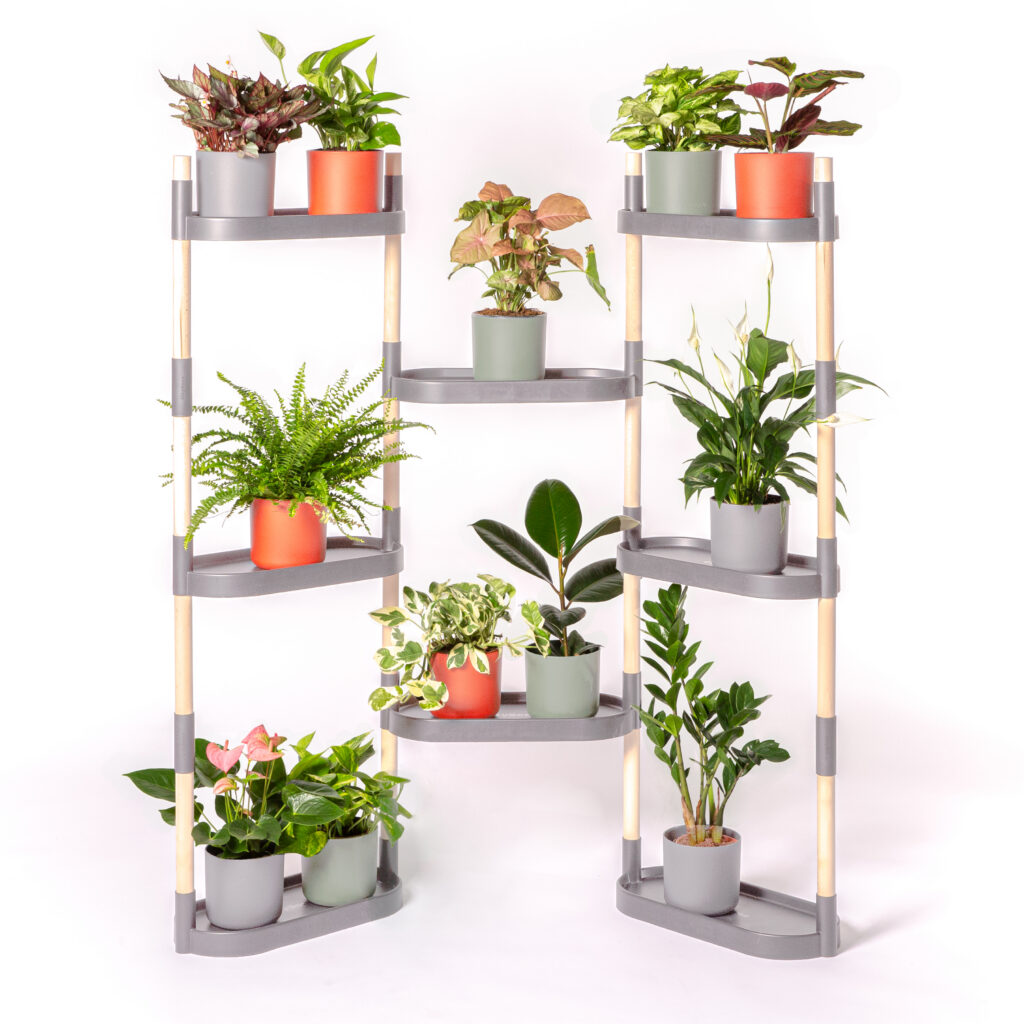
Short answer: the CitySens vertical planter is worth it if you want fresh herbs or salad greens in a small footprint and don’t want to think about watering for weeks at a time. The 3-pot version suits a kitchen counter or narrow balcony; the 4-pot version earns its extra 33 cm of height and €10 price difference only if you actually have four plants’ worth of light and demand for them. Add the digital timer if your plan is to leave the planter unattended for more than a couple of weeks.
CitySens built its name on compact, self-watering vertical planters that use a small reservoir and a drip line instead of daily watering cans. The white Wi-Fi version reviewed here comes in two sizes — three pots or four — plus an optional digital timer that automates the watering schedule further. Below is what the system actually includes, how the two sizes differ in practice, what it costs to run, and who should buy the 3-pot over the 4-pot (or skip it).
Products used in this comparison:
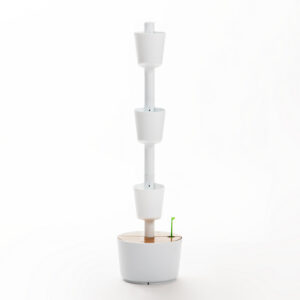
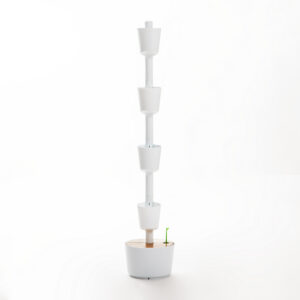
What the CitySens system actually is
Each CitySens vertical planter is a stacked column of pots — either three or four — sitting on a water reservoir at the base. A small submersible pump lifts water up through an internal line, and each pot has its own drip point and overflow channel, so excess water runs back down into the reservoir rather than onto your floor. CitySens specifies a built-in Wi-Fi watering kit on this model, which lets you set and adjust the watering schedule from a phone app instead of a physical dial.
The column stands on a round base about 29 cm across, which is narrow enough for a kitchen counter, console table, or corner of a balcony. It’s a soil-based system rather than hydroponic — you plant directly into the pots with standard potting mix — so it suits herbs, strawberries, small salad greens, and similar shallow-rooted plants rather than larger vegetables.
3-pot vs 4-pot: what actually differs
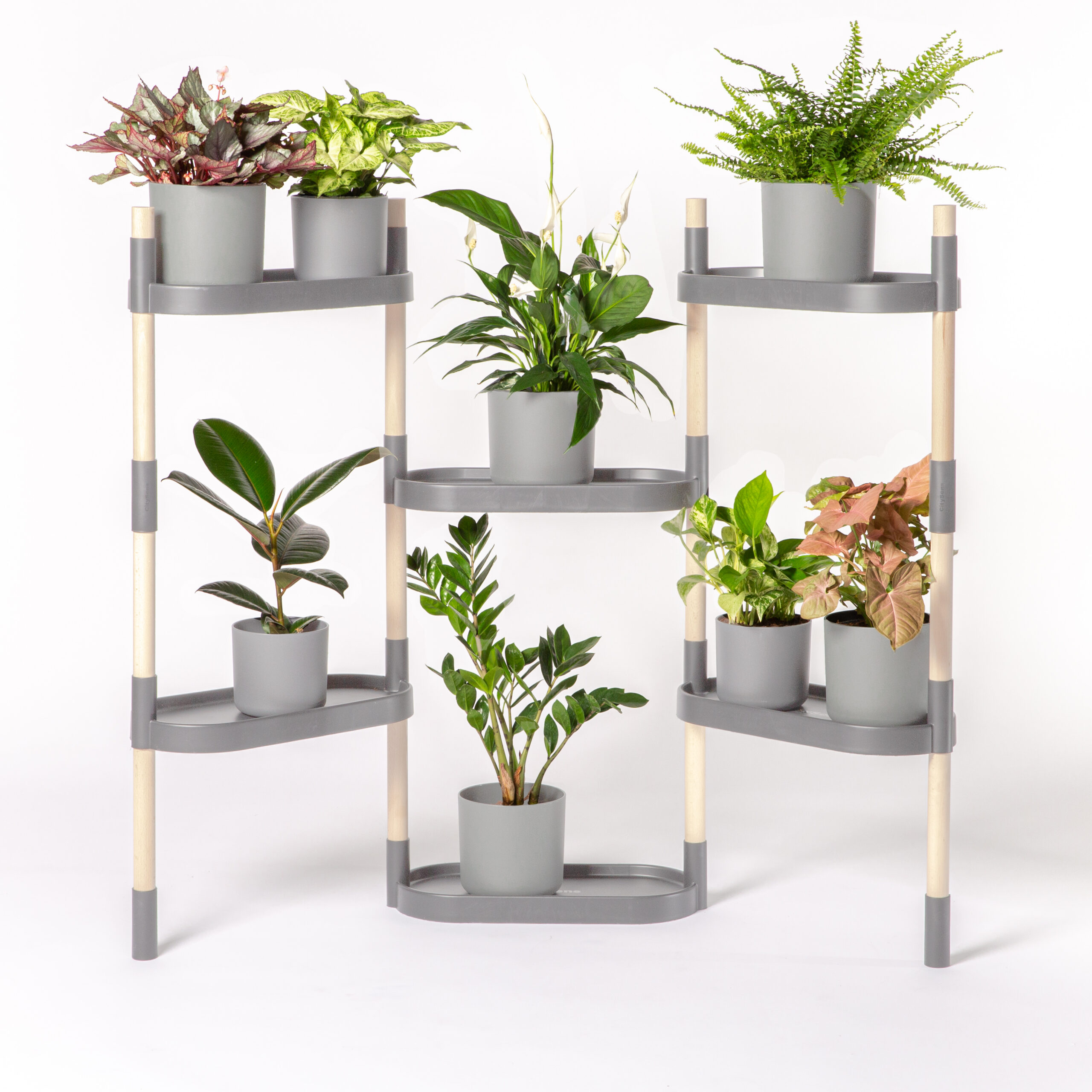
The two sizes share the same mechanism, base width, and Wi-Fi watering kit. The difference is a single extra pot stacked on top, which changes three things in practice:
- Height: CitySens lists the 3-pot column at 115 cm tall and the 4-pot column at 148 cm — a 33 cm difference that matters if you’re placing it under a shelf, window sill, or sloped ceiling.
- Weight: the 3-pot unit weighs 3.8 kg empty; the 4-pot unit weighs 4 kg empty. Once planted and watered, the 4-pot column carries noticeably more weight higher up, so a stable, level surface matters more.
- Growing capacity: one more pot means one more plant, which sounds trivial until you consider light. A fourth pot sitting near the top of a 148 cm column is further from most desktop or ceiling grow lights than the top pot on the shorter unit, so the extra capacity is only useful if your light source — window or grow light — reaches that height evenly.
In practice: buy the 3-pot version by default. Step up to the 4-pot only if you have a specific use for the fourth plant and the vertical space and light to support it.
Setting up and the weekly watering routine
Setup is pot-filling rather than plumbing: add potting mix to each pot, plant, fill the reservoir, and connect the watering kit to a nearby outlet. From there, the Wi-Fi controller runs the pump on whatever schedule you set in the app — typically a short pulse once or twice a day rather than one long soak, which matches how the drip-and-overflow design is meant to work.
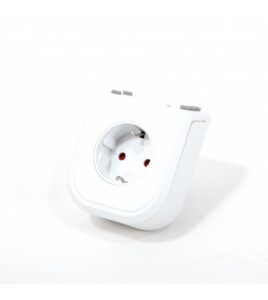
The CitySens digital timer is a separate accessory, not a requirement, since the Wi-Fi kit already schedules watering on its own. Its practical use case is redundancy and simple scheduling without the app — useful if you want a physical backup timer, or if you’re setting the planter up somewhere without a reliable Wi-Fi connection for the smart kit to use.
Water autonomy, running cost and maintenance
CitySens states the reservoir gives roughly 30 to 60 days of autonomy between refills, depending on plant size, room temperature, and how the watering schedule is set. That range is wide because a column of young herb seedlings draws far less water than the same column once the plants have filled out and are actively growing.
Running cost is low by design: CitySens estimates around €0.20 per year in electricity for the pump, which is consistent with what a small low-wattage water pump running in short daily pulses would be expected to draw. For comparison, Eurostat’s household electricity price data for the EU puts typical residential rates in the range of roughly €0.20–€0.30 per kWh depending on the country, which is the scale that makes a claim like this plausible rather than something to take purely on faith.
Maintenance is mostly refilling the reservoir and occasionally rinsing the drip line if it clogs with mineral deposits, which is a known issue with any small drip system using tap water. CitySens includes two years of nutrients with the planter and backs the unit with a two-year warranty, which is worth factoring into the price if you’d otherwise be buying liquid fertiliser separately.
Is it worth it in 2026, and who it suits
At €189.00 for the 3-pot and €199.00 for the 4-pot, CitySens sits above a basic self-watering pot but below a full hydroponic smart garden. The value case is specific: you’re paying for a space-efficient, low-maintenance way to keep a handful of herbs or greens alive on minimal counter or floor space, with a Wi-Fi schedule that removes the daily watering-can routine. If you only want window-sill herbs and have the time to water them, a basic self-watering planter is cheaper and does the job. If you want several plants stacked in almost no footprint and don’t want to remember to water them, CitySens is a sensible buy.
It’s less of a fit if you want hydroponic speed of growth, if you need to grow anything with deep roots or real height (CitySens is built for herbs and small greens, not full vegetables), or if you want a system that doesn’t need soil at all. For readers weighing vertical growing in general against the alternatives, our guide on why people use vertical gardens covers the broader trade-offs, and our piece on the benefits of vertical planters digs into the space-saving case specifically.
CitySens 3-pot vs 4-pot at a glance
| Spec | 3-pot | 4-pot |
|---|---|---|
| Price | €189.00 | €199.00 |
| Height | 115 cm | 148 cm |
| Base width | 29 cm | 29 cm |
| Pot width | 13 cm | 13 cm |
| Weight (empty) | 3.8 kg | 4 kg |
| Water autonomy | 30–60 days | 30–60 days |
| Est. running cost | ~€0.20/year | ~€0.20/year |
| Warranty | 2 years | 2 years |
| Nutrients included | 2 years | 2 years |
Frequently asked questions
Is the CitySens vertical planter hydroponic?
No. It’s a soil-based, self-watering system — you plant into potting mix, and the Wi-Fi kit automates watering through a drip line and reservoir.
How long can I leave it unattended?
CitySens states roughly 30 to 60 days of autonomy on a full reservoir, depending on plant size and growth stage. For longer absences, refilling before you leave or using the digital timer as a backup schedule is the safer approach.
Should I buy the 3-pot or the 4-pot?
Buy the 3-pot unless you specifically need a fourth plant and have the vertical space and light to support the extra 33 cm of height.
Do I need the digital timer if I already have the Wi-Fi kit?
No — the Wi-Fi kit already schedules watering through the app. The timer is a backup option for simple scheduling without an app, or for spots with unreliable Wi-Fi.
What can I grow in it?
Herbs, strawberries, and small, shallow-rooted salad greens suit the pot size best. It isn’t designed for larger vegetables or deep-rooted plants.
Does it come with nutrients?
Yes — CitySens includes two years of nutrients with the planter, on top of a two-year warranty on the unit itself.
Where to start
For most kitchens and balconies, the 3-pot CitySens is the practical starting point. Step up to the 4-pot only if you already know you’ll use the extra plant.
Products used in this comparison: