Coriander bolts fast indoors mainly because it is a long-day plant: once light runs past about 12 hours and the room sits above roughly 27 °C, the plant switches from leaf growth to flowering within weeks. Oregon State University Extension notes that warm, long summer days routinely push a planting to flower and set seed within four to six weeks.
Coriander, also sold as cilantro, is one of the fastest herbs to bolt on a windowsill, and most of the reasons are about light and heat rather than anything wrong with the plant or the seed. The four techniques below slow that switch down without needing anything you don’t already have on a kitchen counter.
Products mentioned — in stock at IndoorGarden, shipped from Tallinn across the EU.

What makes coriander bolt so fast in the first place
Bolting is the shift from making leaves to making flowers and seed, and coriander is quicker to make that switch than most other kitchen herbs. Oregon State University Extension explains that both temperature and day length drive the timing, and that warm, long days typically carry a planting from first flower to set seed in four to six weeks. Washington State University’s gardening notes add a specific threshold: cilantro bolts quickly once temperatures climb above roughly 27 °C, while a cooler spot slows the whole process down. Indoors, a kitchen that runs warm in the afternoon and a grow light left on for 14 to 16 hours, the schedule most leafy herbs are happiest with, can together tip coriander into flowering far sooner than basil or parsley sown on the same day.
Technique 1: sow in small batches every 2 to 3 weeks
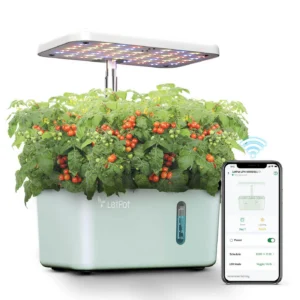
Succession sowing is the single most reliable fix, because it stops you depending on one planting to last all month. Rather than one pot or pod that eventually bolts and leaves you with nothing, a fresh batch started every 2 to 3 weeks means an older planting can bolt without a gap in the harvest. This is the approach most growing guides settle on for coriander specifically, since no amount of technique fully stops the plant from flowering once it is ready to. A 5-pod system such as the LetPot Mini suits this well: keep one or two pods on a rolling sowing schedule rather than filling every pod with coriander at once.

Technique 2: keep the room cooler and shorten the light hours
Since heat and long light both push coriander towards flowering, pulling back on either one buys time. Moving the plant away from a radiator or a sunny afternoon window, and aiming for the 10 to 21 °C range rather than a warm kitchen, keeps the plant closer to the comfortable zone most guidance describes for this crop. On a timer-controlled grow light, running coriander at 10 to 12 hours a day rather than the 14 to 16 hours used for basil or lettuce is worth testing, since shorter days are what naturally slow bolting in spring and autumn plantings outdoors. The trade-off is slightly slower leaf growth, which is a fair exchange for a longer harvest window.
Technique 3: sow direct and skip the transplant
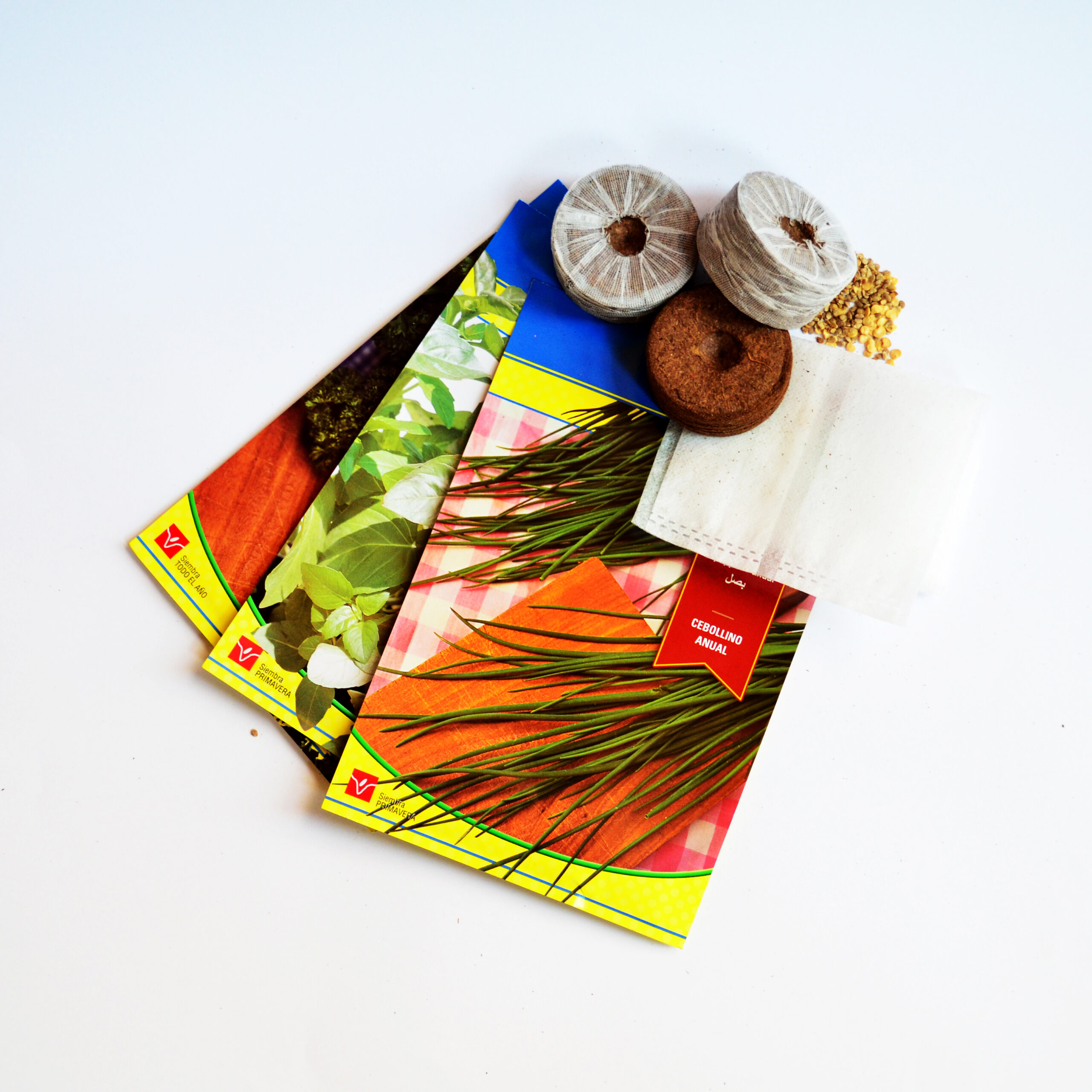
Coriander grows from a taproot, and disturbing that root while transplanting is a stress the plant often answers by bolting early. Washington State University’s growing notes specifically flag the taproot as something to handle carefully if you do move a seedling. The simpler fix is to sow directly into the final pot, sponge or pod rather than starting seedlings elsewhere and transplanting them later, which removes the stress altogether. If you are moving away from a sprouting tray towards a smart garden pod, do it while the seedling is still very small, since the taproot gets harder to move without damage every week it grows.
Technique 4: water evenly and harvest hard
Irregular watering is a stress the plant reads the same way as heat, so compost that swings from dry to soaked encourages an early bolt just as reliably as a hot windowsill. Keep the medium lightly and consistently moist rather than letting it dry out between waterings. Once the plant is established, cutting the outer leaves regularly rather than letting them pile up also helps, since a plant that is actively cropped puts more energy into fresh leaf growth for longer before it commits to flowering. Pinching off any flower buds as soon as you spot them buys a little extra time too, though it only delays the inevitable rather than stopping it for good.
The four techniques at a glance
| Technique | What it does | Effort | Where to start |
|---|---|---|---|
| Succession sowing every 2–3 weeks | Keeps a fresh batch coming as older plants bolt | Low, just a sowing habit | Coriander seeds, €1.99 |
| Cooler room, shorter light hours | Slows the heat and day-length triggers | Low, a timer adjustment | Any timer-controlled grow light |
| Direct sowing, no transplant | Avoids taproot stress that can trigger bolting | Low, a sowing choice | LetPot Mini, €59.00 |
| Even watering, regular harvest | Removes drought stress, keeps the plant cropping | Low, a watering routine | A measured cup or the pod’s own reservoir |
Frequently asked questions
Is it normal for coriander to bolt indoors even with a grow light?
Yes. A grow light that runs 14 to 16 hours a day, the setting most leafy herbs want, is itself a long-day signal for coriander. Shortening the schedule slightly for coriander pods specifically is one of the few ways to push the timeline back.
How long does a coriander planting usually last before it bolts?
There is no fixed number, since it depends on temperature and light, but once flowering starts it typically runs its course and sets seed within four to six weeks. Succession sowing is the practical answer to that short window rather than trying to extend any single planting indefinitely.
Can I still eat coriander once it has bolted?
The leaves turn sparse and the flavour shifts once flowering starts, though the plant is not harmful. Many growers let a bolted plant finish and collect the seed, which is coriander spice in its own right, rather than discarding the plant outright.
Does a hydroponic smart garden slow bolting compared to a soil pot?
It can help with watering consistency, since the reservoir removes the dry-to-soaked swings that stress the plant in soil, but it does not remove the heat and light triggers. Adjusting the light schedule and room temperature still matters in a smart garden pod.
Are there coriander varieties that bolt more slowly?
Some seed breeders market slow-bolt types bred specifically to delay flowering longer than a standard variety, though this is a varietal trait rather than a growing technique. Pairing a slow-bolt variety with succession sowing and the other techniques here compounds the effect rather than replacing it.
Why did my coriander bolt within a couple of weeks of sowing?
That usually points to a warm spot, a long light schedule, or a seedling that was transplanted and lost part of its taproot in the process. Checking all three against the techniques above usually identifies which one applied.
Where to start if your coriander keeps bolting
Start a fresh batch of coriander seeds every 2 to 3 weeks rather than relying on one planting, sow directly into the pod or pot you intend to keep it in, and move it somewhere cooler if the current spot runs warm in the afternoon. If you want a low-effort way to keep that rolling schedule going, our herb seeds range and a spare pod on a LetPot Mini make succession sowing an easy habit rather than a chore. For the other herbs worth growing alongside coriander, see our guide to what herbs you can grow indoors.