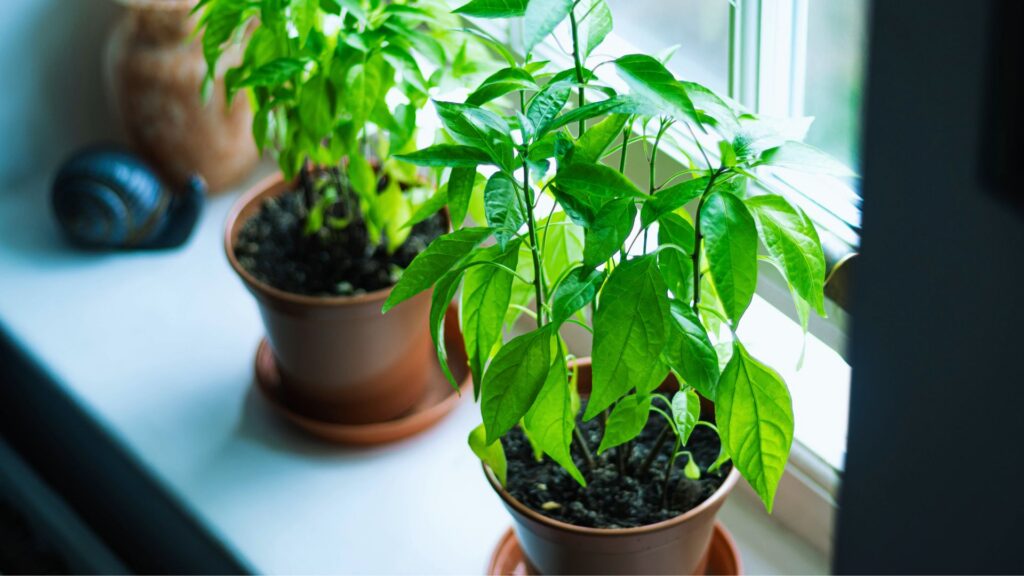
Thyme dying indoors is almost always one of two things: roots sitting in damp compost they do not need, or too little light to replace the full sun thyme gets outdoors. RHS guidance is blunt that thyme’s roots rot in damp conditions, especially in winter, and University of Minnesota Extension notes that indoor herbs need around 12 hours of light a day, well above what most windowsills give in a Baltic winter.
Thyme behaves differently from the herbs most people grow alongside it. Basil, parsley and mint all want the compost kept lightly and evenly moist, so a grower used to that routine often waters thyme the same way and wonders why it goes downhill rather than thriving. Thyme is a Mediterranean native bred for dry, free-draining ground, and most of what looks like a thyme problem traces back to one of five causes below, checked in the order worth trying first.
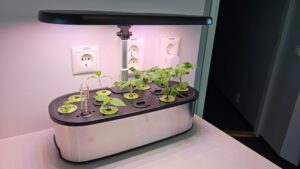
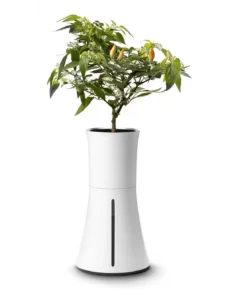
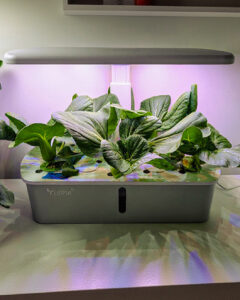
Products mentioned — in stock at IndoorGarden, shipped from Tallinn across the EU.

Cause 1: overwatering and root rot
This is the most common reason a thyme plant dies indoors. The RHS describes thyme as drought tolerant and says it “rarely needs watering” once established, except for newly planted thyme or container plants in hot, dry weather — and it warns plainly that the roots will rot in damp conditions, especially over winter. Indoors, a pot that never gets the chance to dry out between waterings is the single biggest cause of a thyme plant going from green to grey-brown within a couple of weeks.
The fix is to water only once the top 2 to 3 cm of compost is dry to the touch, and to water less often again once fine weather ends and the plant stops actively growing. If the base of the stems looks dark, soft or slightly slimy rather than dry and woody, the roots have likely already rotted, and the plant usually will not recover from that stage.
Cause 2: not enough light
Thyme is a full-sun plant outdoors, and a kitchen windowsill rarely matches that. University of Minnesota Extension puts the indoor target at around 12 hours of light a day, and says too little light shows up as thin, spindly growth rather than outright wilting, which is why a light-starved thyme plant often looks stretched and pale before it starts actually dying back. A north-facing window in October gives nowhere near that figure.
A full-spectrum grow light run for 12 to 14 hours a day, positioned 20 to 30 cm above the plant, closes most of that gap without adding the heat of a sunny glass pane. If the stems are stretching towards the window with long bare gaps between the leaves, light is almost certainly the limiting factor rather than water or feed.
Cause 3: the wrong pot or no drainage
Thyme’s dislike of damp roots makes the container itself part of the problem more often than with other herbs. The RHS recommends a pot at least 15 cm wide and 10 cm deep per plant, with plenty of drainage holes, and a peat-free, soil-based compost mixed with up to 25% horticultural grit so water passes through rather than pooling around the roots. A decorative pot with no drainage hole, or a saucer that is left to hold standing water, recreates exactly the damp conditions that cause root rot in cause 1, however carefully the watering itself is managed.
If you are repotting, add grit or small stones to the compost mix rather than relying on ordinary potting soil alone, and never let the pot sit in a tray with water collecting in the bottom. A layer of grit or gravel on the compost surface also lifts the base of the foliage clear of any damp soil, which the RHS notes helps prevent rot at the crown of the plant.
Cause 4: still, humid air
Thyme’s thin, needle-like leaves do not cope well with warm, still, moist air, which is common in a kitchen with a kettle running and little ventilation. Humid, stagnant conditions around the foliage encourage the same fungal problems that affect seedlings: the RHS specifically warns that overwatered thyme seedlings are prone to damping off, a fungal disease that thrives in exactly this kind of damp, airless environment.
Moving the pot somewhere with a little air movement, spacing plants so leaves are not touching, and avoiding a spot directly above a steaming pan all help. A small fan run for a few minutes a day on its lowest setting is enough to keep the air moving without drying the plant out.
Cause 5: old, woody growth past its best
Sometimes a thyme plant is not sick at all — it is simply old. Thyme turns woody at the base after a couple of years, and the RHS is direct about the risk of trying to fix this by cutting hard back into that old wood: the stems often will not regrow from bare, woody growth, so a plant that already looks mostly brown and bare rarely bounces back from a severe prune. Light trimming in mid to late spring, and again after flowering, keeps a younger plant compact, but it will not rescue one that has already gone over.

In this case the better move is usually to take the plant as a lesson rather than a patient. Thyme grown from fresh seed establishes a younger root system that tolerates the drier, airier conditions it wants from the start, rather than fighting to revive a woody plant that has already passed its productive years.
Matching the symptom to the cause
| What you see | Most likely cause | Fix |
|---|---|---|
| Dark, soft stem base, compost always damp | Overwatering, root rot | Water only when top 2–3 cm is dry |
| Long, pale, stretched stems | Not enough light | Grow light, 12–14 h/day at 20–30 cm |
| Plant wilts hours after watering, no drainage hole | Wrong pot | Repot into a gritty mix with drainage |
| Fine grey or white fuzz near the base | Still, humid air, damping off | Improve airflow, space plants out |
| Mostly bare, woody stems, little green left | Old growth, past hard pruning | Start again from fresh seed |
Frequently asked questions
How often should I water thyme indoors?
Rarely, once the plant is established. The RHS describes thyme as drought tolerant and says it needs watering mainly when newly planted or in a container during hot, dry weather. Let the top 2 to 3 cm of compost dry out between waterings.
Can thyme recover after root rot?
Rarely, once the stem base has turned soft and dark. If a few healthy green stems remain, it is worth taking cuttings and starting a new plant rather than trying to save the original root ball.
Why does my thyme look pale and stretched rather than wilted?
That is the classic sign of too little light rather than a watering problem. University of Minnesota Extension links thin, spindly growth directly to inadequate light, which is common on a dim windowsill through autumn and winter.
Does thyme grow well in a hydroponic smart garden?
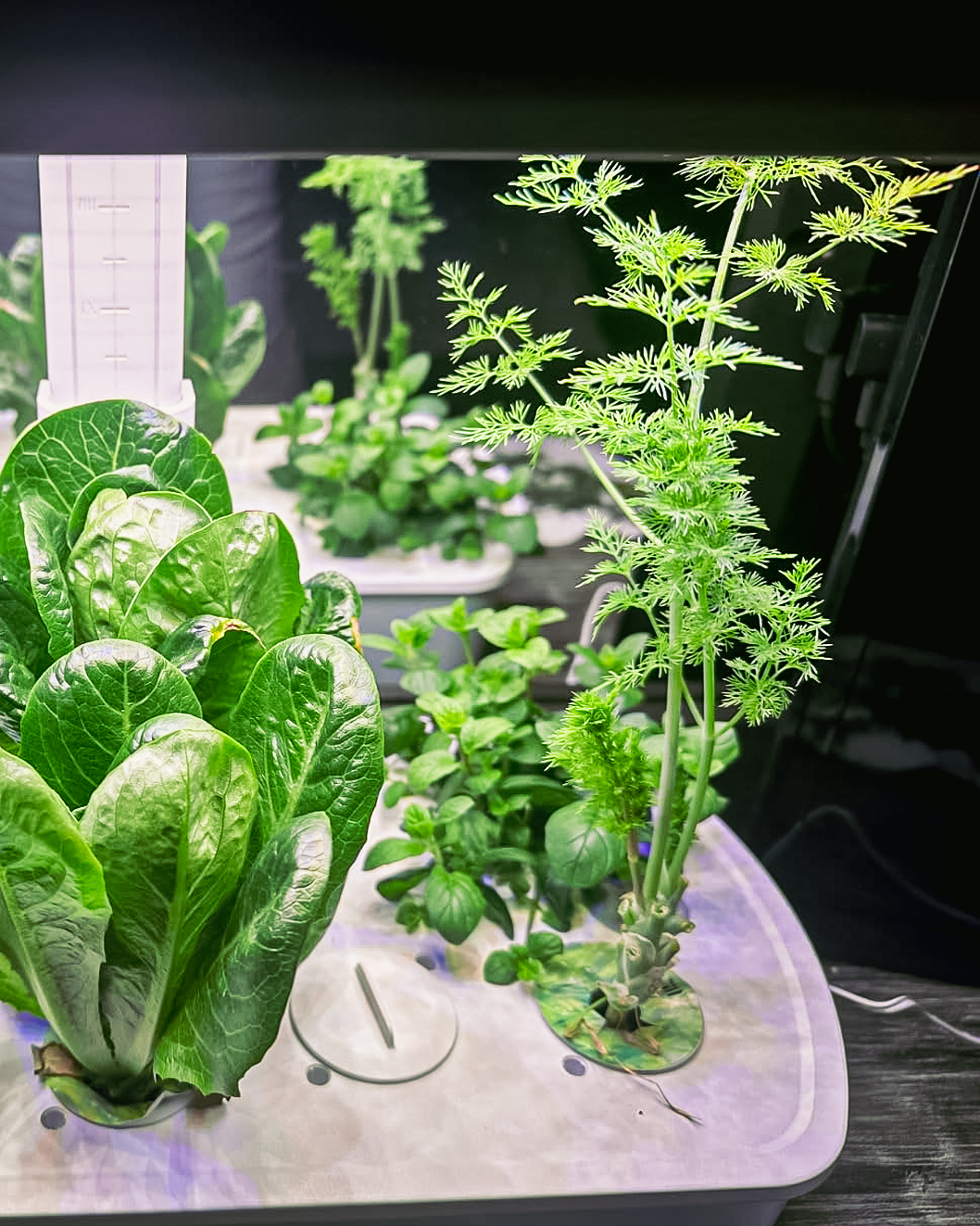
It can, but it is one of the harder herbs for a constantly wet reservoir, since thyme’s roots evolved for dry spells. Basil, parsley and lettuce are a better match for a smart garden‘s steady moisture, while thyme usually does better in a gritty pot that is allowed to dry out.
Should I mist my indoor thyme plant?
No. Misting adds moisture to still air around the leaves, which is the opposite of what thyme wants and can encourage the fungal problems covered above. Good airflow matters far more than humidity for this particular herb.
How do I know if my thyme plant is too old to save?
If more than half the stems are bare and woody with only a little green growth left, hard pruning is unlikely to bring it back, since the RHS notes stems often will not regrow from old wood. Starting a new plant from seed is usually faster than nursing an old one.
Where to start
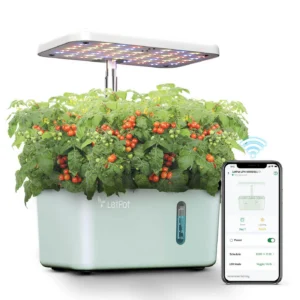
Check the stem base and the compost first, since overwatering and poor drainage explain most dying thyme plants. If the compost is consistently damp, let it dry out and consider repotting into a grittier mix. If the plant looks stretched and pale instead, add a grow light before changing anything else. Once you have fixed the cause, our thyme seeds and wider herb seeds range have fresh seed if the original plant is too far gone, and the LetPot Mini suits the moisture-loving herbs that are easier to keep alive than thyme. The wider guide to what herbs you can grow indoors covers how thyme compares with those easier options.