Root rot in a hydroponic system shows up as brown, slimy roots instead of firm white ones, and it is usually driven by low oxygen in warm, still water rather than by the plant itself. Colorado State University Extension lists an optimum root zone temperature of 20 to 22 °C, and in most home systems the first 48 hours after you spot it decide whether the plant recovers.
Root rot is one of the few hydroponic problems that can turn a healthy plant into a write-off within a week, which is why it is worth knowing what it looks like before you ever see it. This guide covers how to tell root rot from normal root colour, what to do in the first two days after you find it, and the handful of habits that keep it from coming back in a countertop smart garden.
Products mentioned — in stock at IndoorGarden, shipped from Tallinn across the EU.
What root rot actually looks like
Healthy hydroponic roots are white or pale cream, firm to the touch, and branch into fine hairs that give the root mass a slightly fuzzy look. Root rot replaces that with roots that are brown, grey or almost black, soft or slimy rather than firm, and often sparse, with the fine root hairs gone entirely. The Colorado State University Extension PlantTalk programme lists brown roots with sparse root hairs, wilting and leaf tip burn as the typical early signs, often before the roots themselves are fully checked. Above the water line, the first warning is usually a plant that wilts despite sitting in a full reservoir, since rotted roots can no longer move water up to the leaves even though water is not actually short.
Why roots rot in a hydroponic system
Most hydroponic root rot traces back to Pythium, an oomycete rather than a true fungus, which Penn State Extension notes is common in standing water and spreads easily on dirty tools, pots and equipment. Pythium and similar organisms are opportunistic: Colorado State University Extension describes them as pathogens that mainly harm plants that are already stressed, and the two stresses that matter most in a home system are low dissolved oxygen and warm water. Oxygen dissolves less readily in warm water than in cool water, so a reservoir that drifts into the high twenties on a sunny counter is already working against the roots before any pathogen gets involved. CSU Extension’s guidance is to keep the root zone within 20 to 22 °C and to raise aeration specifically because low oxygen favours disease. A pump that stops cycling, a reservoir left uncovered to sunlight, and a nutrient solution left too strong for too long all push conditions further in the same direction.
The 48-hour fix
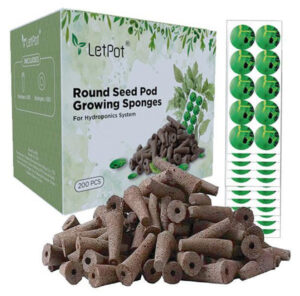
Once you see brown, slimy roots, the aim for the first two days is to stop the rot from spreading rather than to repair the damage already done, since affected root tissue does not recover. Unplug the pump, lift the plant out carefully, and trim away any root tissue that is brown, soft or slimy, using clean scissors and cutting back into firm white tissue where you can. Drain the reservoir completely and rinse the tank, pods and tubing; Colorado State University Extension recommends disinfecting trays and troughs with a 10% chlorine bleach solution or a hydrogen peroxide product labelled for hydroponic use, following the label’s dilution and contact time rather than guessing at strength. If the grow sponge holding the plant is visibly slimed or discoloured, replace it rather than reusing it, since a contaminated sponge can reinfect a clean reservoir within days.
Refill with fresh nutrient solution mixed at roughly half the usual strength for the first few days, since a stressed root system takes up salts poorly and a full-strength feed can add further stress on top of the rot itself. Move the unit away from direct sun or a warm appliance if the reservoir has been running warm, and if your system’s pump has an adjustable cycle, run it closer to continuously for the next two days to keep oxygen moving through the water. By the end of 48 hours you are looking for a stop rather than a full recovery: no new brown tissue appearing on the roots that were trimmed, and ideally the first pale new root tips starting to show.
Preventing root rot from coming back
Most of the prevention list is the same handful of habits that caused the problem, run in reverse. Keep the reservoir out of direct sun and away from radiators and other heat sources, since both warm the water and make algae more likely, and algae competes with roots for oxygen. A temperature and EC meter takes the guesswork out of this, since you can check at a glance whether the reservoir is drifting toward the warm end of the 20 to 22 °C range CSU Extension recommends rather than finding out from the roots. Keep the pump running on a steady cycle rather than letting it sit idle for long stretches, and avoid over-concentrating the nutrient solution; CSU Extension’s advice to monitor total soluble salts and avoid over-fertilising applies just as much at home as in a commercial greenhouse. A full reservoir clean and a fresh grow sponge between crops, covered in our guide to what regular maintenance a LetPot system needs, resets the system before the next planting rather than carrying any contamination forward.
Which fix matches your symptom
Work down this table in order, since several causes often overlap in the same plant.
| What you see | Most likely cause | Fix | Where to start |
|---|---|---|---|
| Wilting despite a full reservoir | Roots already rotted, water uptake blocked | Trim affected roots, clean the system | Clean scissors, no cost |
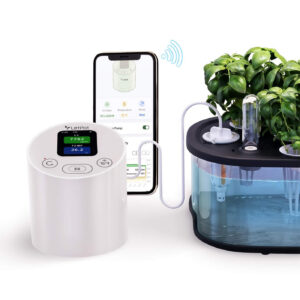
| Reservoir warm to the touch | Water above 22 °C | Move off sun or heat source, check with a meter | LetPot temperature & EC meter, €69.00 |
| Green film inside the tank | Light reaching the solution, feeding algae | Cover or shade the reservoir | Opaque lid, low cost |
| Slimy, discoloured sponge | Contaminated growing medium | Replace the sponge, not just rinse it | LetPot replacement grow sponges, €24.99 |
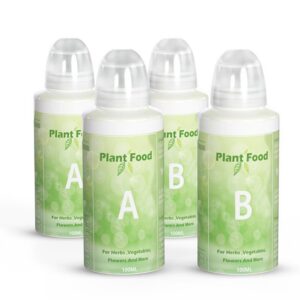
| Leaf tips browning, salts creeping up | Over-concentrated nutrient solution | Dilute, feed at half strength while recovering | LetPot hydroponic nutrients, €17.99 |
Frequently asked questions
Can a plant recover from root rot?
Often yes, if you act within the first day or two. Trimmed roots do not heal, but a plant with enough healthy root tissue left usually grows fresh white roots within one to two weeks once the warm, low-oxygen conditions are fixed.
How do I know if my roots are rotting or just naturally brown?
Some root browning with age is normal, especially on older growth near the base. The warning signs are softness, a slimy texture, or a sour smell, none of which appear on roots that are simply ageing rather than rotting.
Does root rot spread between plants in the same reservoir?
Yes, since the pathogens responsible live in the shared water and on shared equipment. If one plant in a multi-pod system shows rot, drain and disinfect the whole reservoir rather than treating just the one pod.
Is hydrogen peroxide safe to use in a hydroponic reservoir?
A hydrogen peroxide product labelled for hydroponic use, applied according to its own label directions, is one of the disinfecting options Colorado State University Extension lists. Follow the product’s stated dilution rather than mixing household peroxide by guesswork.
What temperature should my hydroponic reservoir actually be?
Colorado State University Extension gives an optimum root zone temperature of 20 to 22 °C. Warmer water holds less dissolved oxygen, which is the main reason root rot becomes more likely as the reservoir warms.
Can a smart garden get root rot even with a working pump?
Yes, if the water is warm enough or the nutrient solution is too strong, since the pump keeps water moving but does not control temperature or feed strength on its own. A temperature and EC meter is the simplest way to check both at a glance.
Where to start
If you already see brown, slimy roots, trim them back today, clean the reservoir, and feed at half strength for the first few days rather than waiting to see if it clears on its own. Once the plant is past the immediate scare, a temperature and EC meter is the cheapest way to stop the same conditions building up again, and our full smart gardens range is worth a look if the reservoir that rotted is due for a replacement anyway.