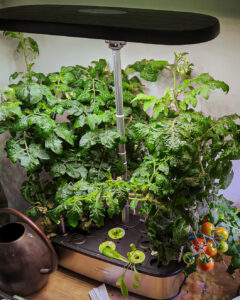
To pollinate tomatoes indoors, gently vibrate or tap each flower truss every two to three days while the plant is blooming, ideally near midday. Tomatoes are self-pollinating but need movement to shake pollen loose, and indoors there is no wind or bees, so left alone they set fruit on only 20 to 30 percent of flowers.
The first time I grew indoor cherry tomatoes, the plant flowered beautifully and then dropped almost every blossom without a single fruit. I assumed something was wrong with the plant, when in fact nothing was wrong except that I had not done the one ten-second job indoor tomatoes need. Once I started buzzing the flowers, the same plant set fruit on truss after truss. Here is exactly how to do it and why it works.
Why indoor tomatoes need your help
A tomato flower is self-fertile, meaning it contains both male anthers and a female stigma and can pollinate itself without a second plant. According to PlantVillage at Penn State, tomatoes are most commonly pollinated by wind or by bees, which shake the flower so pollen falls from the anthers onto the stigma. Indoors there is neither breeze nor bee, so the pollen simply stays put and the flower withers unfertilised. That is why a healthy indoor plant can flower heavily and still set fruit on only 20 to 30 percent of its blossoms. Your job is to supply the missing vibration, nothing more.
The methods, fastest first
Hand pollination is just a way of moving pollen the few millimetres from anther to stigma, and there are several ways to do it. The quickest is a gentle vibration: hold an electric toothbrush against the stem just behind an open flower truss for a couple of seconds, and the buzz mimics a bee almost exactly. No toothbrush needed if you would rather tap, since flicking the stem behind each truss with a finger or a pencil works nearly as well. A cotton swab or small soft brush is the most deliberate option, brushing the inside of each flower to carry pollen directly, and it doubles as a way to see the yellow pollen and confirm it is shedding. All three take seconds per truss.
| Method | How | Best for |
|---|---|---|
| Electric toothbrush | Hold behind truss 2–3 seconds | Fastest, highest fruit set |
| Finger or pencil tap | Flick the stem behind each truss | No tools, quick daily pass |
| Cotton swab or brush | Dab inside each open flower | Precise, lets you see pollen |
Timing makes the difference
Pollen sheds best when it is warm and dry, so the middle of the day, roughly between 10:00 and 15:00, gives the highest success. Pollen that is cool or damp clumps and stays stuck, which is one reason a steamy kitchen corner sets fruit poorly. Repeat every two to three days for as long as the plant is producing new flowers, since each truss opens over several days and a single pass misses blooms that have not opened yet. A warm indoor room near the plant, kept under about 24 °C to avoid stressing the plant, holds pollen in the easy-to-shed window for most of the day.
How to tell it worked
You will know pollination succeeded within a week. A fertilised flower begins to shrivel at the petals while a tiny green swelling appears at its base, which is the start of the fruit. An unpollinated flower instead turns yellow and drops cleanly from the stem, often called blossom drop. If you see a lot of blossom drop despite buzzing, the usual culprits are heat above 30 °C, very dry air or a plant short on the right nutrients rather than a pollination failure. Steady fruit set is one reason tomatoes rank so well in my piece on the most profitable plants to grow indoors.
It works for peppers too
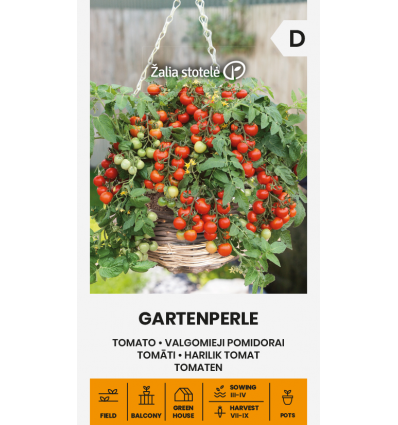
The same trick rescues indoor chillies, which are also self-pollinating and just as starved of wind on a windowsill. A gentle flick of each flower or a quick buzz with the toothbrush is enough, and it is a good habit to pollinate tomatoes and peppers in the same daily pass. I grow both from the same shelf, with cherry and dwarf tomatoes from our cherry tomato seeds and dwarf tomato seeds ranges, and a chilli plant alongside. If your fruiting plants are getting tall and crowding the flowers, the fix is the same pruning logic I use in my guide to pruning tall plants to fit a smart garden.
Frequently asked questions
Do indoor tomatoes really need hand pollination?
Yes, if you want a full crop. Tomatoes can self-pollinate, but without wind or bees indoors they set fruit on only 20 to 30 percent of flowers. A few seconds of vibration per truss lifts that dramatically.
What is the easiest way to hand-pollinate?
An electric toothbrush held behind each flower truss for two to three seconds. The vibration mimics a bee and shakes pollen onto the stigma. A finger flick or pencil tap works almost as well with no tools.
What time of day should I pollinate?
Midday, roughly 10:00 to 15:00, when pollen is warm and dry and sheds most freely. Cool or humid conditions make pollen clump and stick, lowering your success rate.
How often should I do it?
Every two to three days while the plant is flowering. Each truss opens its blooms over several days, so regular passes catch flowers that were still closed last time.
How do I know if pollination worked?
Within a week a pollinated flower shrivels at the petals and shows a small green fruit forming at its base. A flower that turns yellow and drops was not pollinated.
Can I hand-pollinate peppers and chillies the same way?
Yes. Peppers are also self-pollinating, so a gentle flick or toothbrush buzz of each flower does the job. Pollinate them in the same pass as your tomatoes.
Ten seconds a truss, a full harvest
Hand pollination is the smallest possible task for one of the biggest payoffs in indoor growing, turning a plant that merely flowers into one that actually fruits. Buzz the trusses at midday, repeat every couple of days, and watch the fruit set. If you are still choosing what to grow, our cherry tomato seeds are the most forgiving place to start.