The most profitable plants to grow indoors are fast, repeat-harvest crops — sunflower and pea microgreens (ready in 8-12 days), cut-and-come-again basil (harvestable weekly for 2-3 months), and cress (6-8 days) — because they turn a small tray or pod into several harvests before a slower crop like a chilli plant produces its first pod.
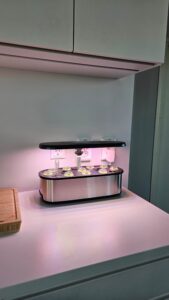
We ran six crops side by side on our kitchen counter for eight weeks — three microgreen trays, a 12-pod LetPot Senior full of basil and lettuce, and a couple of chilli and cherry tomato pods — and logged sowing dates, harvest dates, and how many times we could cut each crop before it was spent. What follows is what actually paid back fastest, not just what looked good on Instagram.
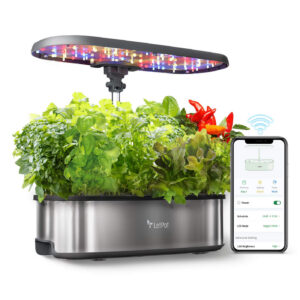
What we used — tested in our Tallinn test kitchen, ships from Estonia across the EU.
What makes a plant profitable to grow indoors
Profitability indoors is not just about how expensive a crop is at the shop — it is yield per square metre, speed to first harvest, and how many times you can cut the same planting before it needs replacing. A €5.99 pack of microgreen seeds that gives you 3-4 trays of cress in a month beats a single slow-growing chilli plant that takes 10-12 weeks to produce its first usable pod, even though chillies cost more per 100 g at the shop. We ranked crops on three numbers: days to first harvest, number of repeat harvests, and how much counter space each one needs.
Microgreens: the fastest return per square metre
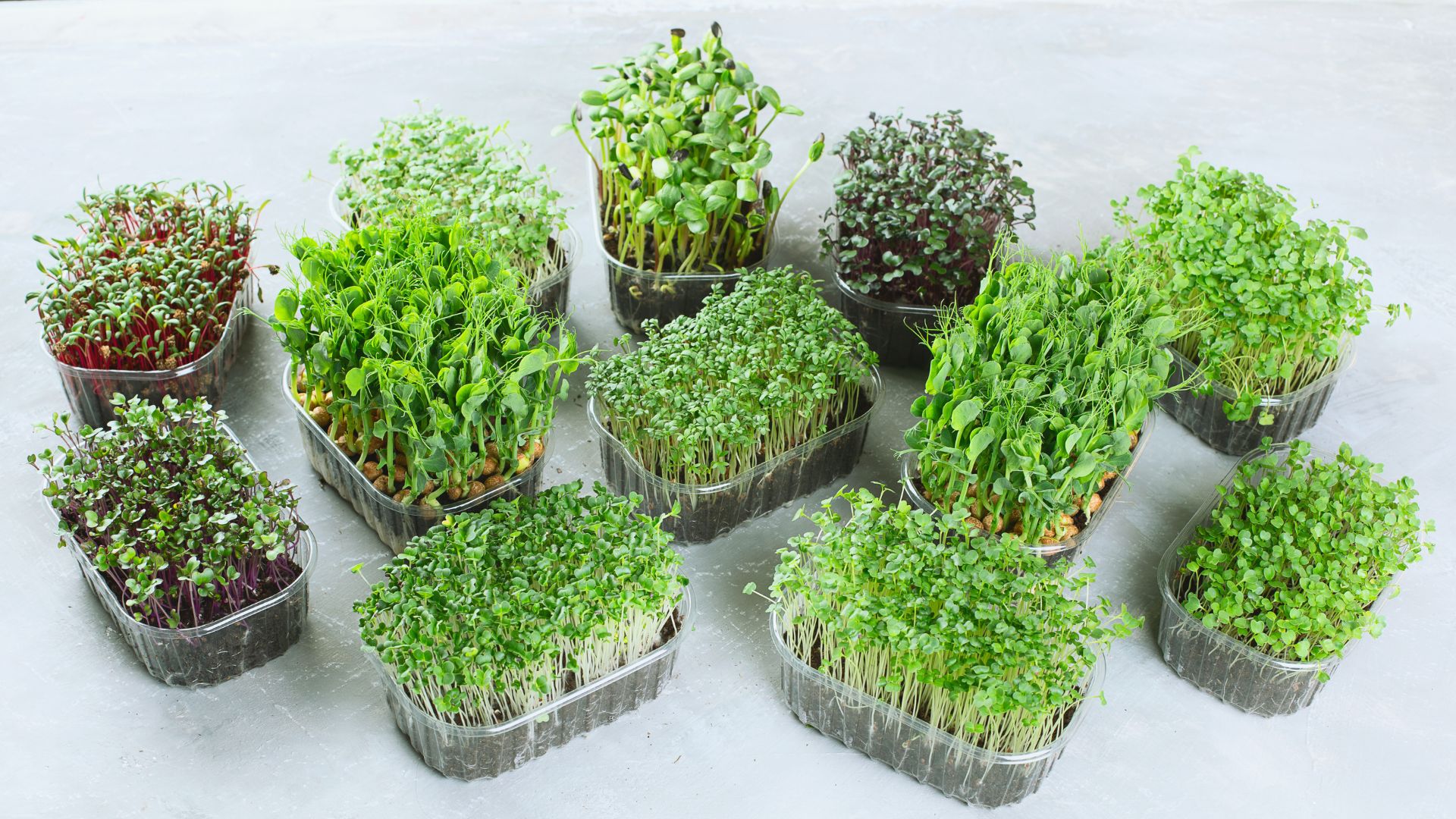
Microgreens are the clearest win on speed. Sunflower and pea microgreens are ready in 8-12 days from sowing, and a single 20 x 30 cm tray produces a genuinely useful harvest — university trial data on comparable mixes puts yields around 300-400 g of fresh cut greens per tray for larger-seeded varieties like sunflower and pea, with smaller-seeded cress and broccoli mixes closer to 300-450 g1. Because the whole crop is cut once and re-sown, you can run three to four cycles a month in the same tray, which is what makes the €/m² number look so good compared with a plant you only harvest once. We ran sunflower microgreen seeds in a sprouting tray next to a windowsill and had a full cut by day 10 each time.
Basil and other cut-and-come-again herbs
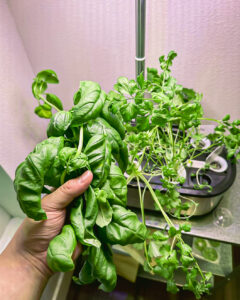
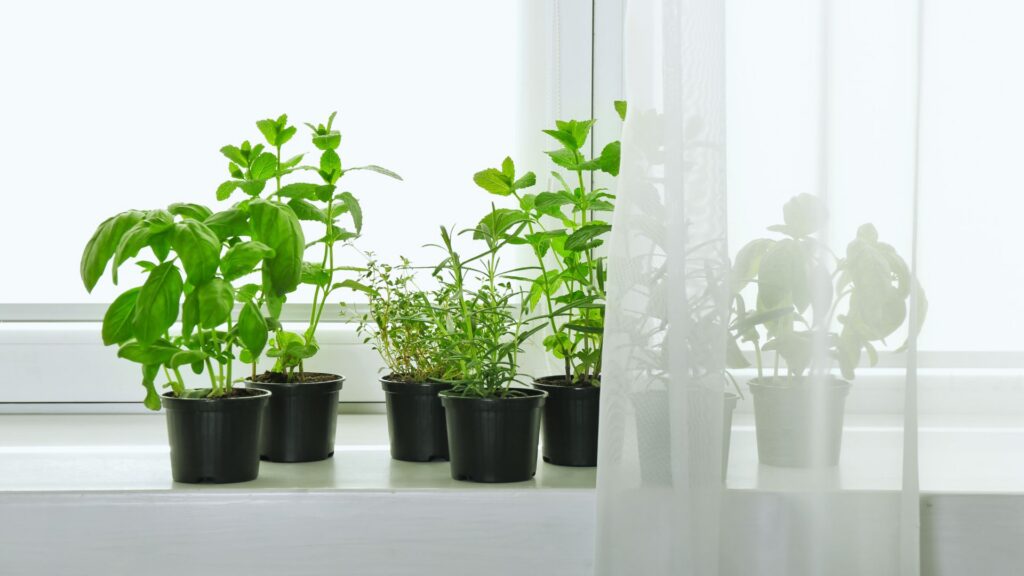
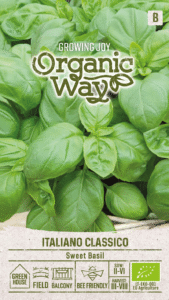
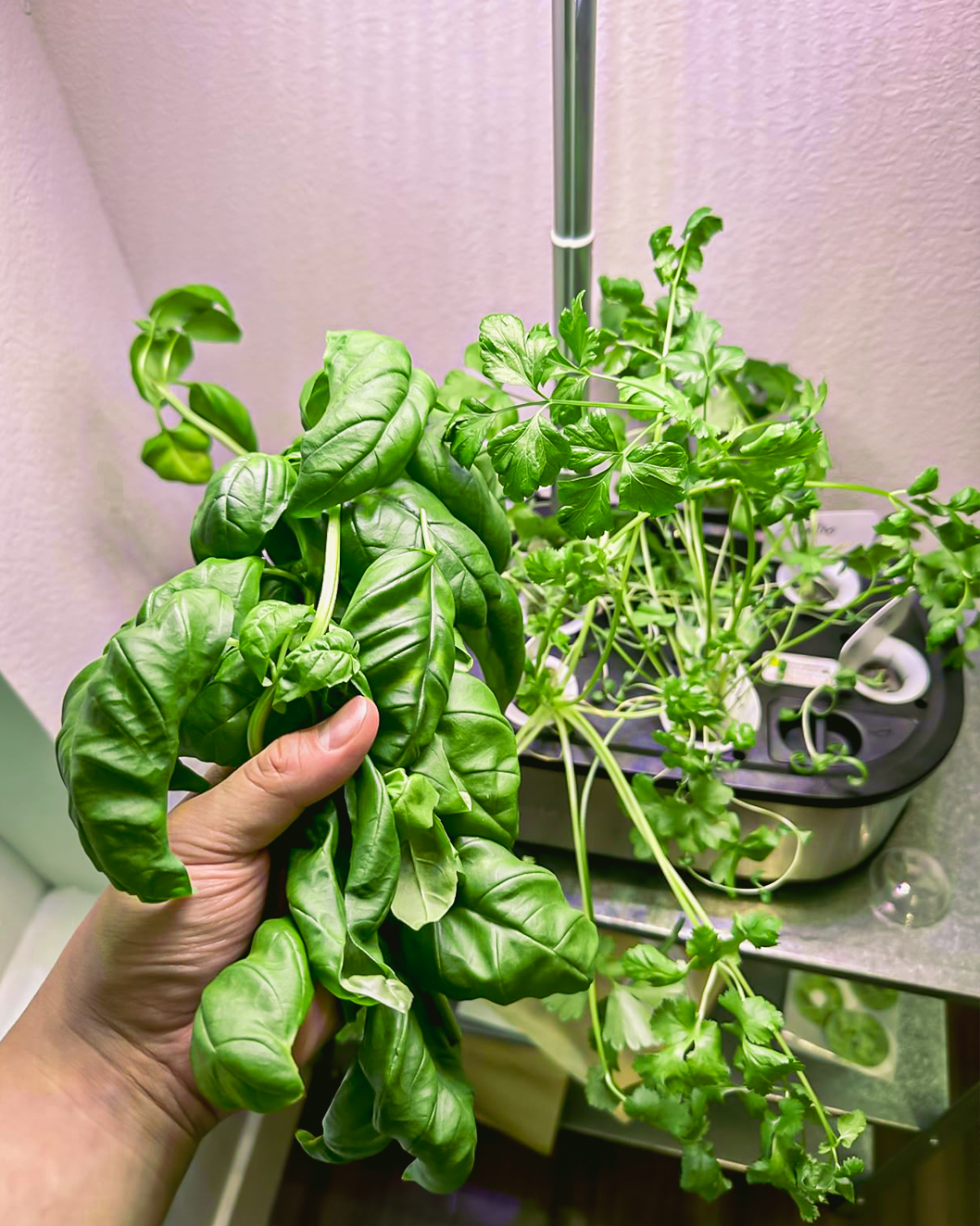
Basil is the best all-round performer for repeat harvests. University of Minnesota Extension research on basil regrowth found that new shoots appear at the cut point within 7-10 days at warm room temperature2, and USU Extension recommends harvesting no more than a third of the plant at a time to keep it productive for months rather than weeks2. In our LetPot Senior, one pod of sweet basil seeds gave us a usable handful of leaves roughly every 7-9 days from week four onward, for about ten weeks before it started to bolt. Parsley, chives, and mint behave similarly, though basil has the best price-per-gram at most EU supermarkets, which is why it consistently tops profitability rankings for home growers.
Chilli peppers and cherry tomatoes: higher value, slower payback
Chilli and cherry tomato plants cost more to buy at the shop per 100 g than herbs or microgreens, but they take far longer to reach that first harvest — typically 10-14 weeks from seed to first ripe fruit indoors, compared with 1-2 weeks for microgreens. Once established, though, a single chilli plant can keep fruiting for 4-6 months, and the per-fruit value adds up if you are patient. We would not recommend either as a first project if fast payback is the goal, but they are worth running alongside faster crops once your setup is dialled in.
How we calculated days to harvest and repeat cycles
We tracked sowing date, first-harvest date, and last productive harvest for each crop over eight weeks, then divided total usable weight by the tray or pod footprint in square metres. Microgreens and lettuce came out on top because both the days-to-harvest number and the repeat-cycle count are small, so you fit more harvests into the same eight weeks. Basil and other herbs scored well because a single pod kept producing for the full test period without needing to be re-sown. Chilli and cherry tomato scored lowest on this particular measure simply because eight weeks was not long enough to reach their first harvest — their value shows up over a longer horizon.
Which system pays for itself fastest
If your goal is the fastest possible payback, a sprouting tray or jar for microgreens and a smart garden running mostly herbs is the combination we would start with. A 12-pod system like the LetPot Senior lets you run basil, parsley, and lettuce side by side, so you are always a few days from a harvest on at least one pod. Add a microgreen tray on the counter for the fastest possible cash-in-hand crop, and save chillies and tomatoes for once you already have a rhythm going. Our free indoor gardening tools page has a DLI calculator that helps you check whether your counter gets enough light for all of the above before you buy anything.
| Crop | Days to first harvest | Repeat harvests | Price (from) |
|---|---|---|---|
| Sunflower/pea microgreens | 8-12 days | Full re-sow every cycle | €5.99 |
| Sweet basil | 3-4 weeks, then weekly cuts | Every 7-9 days for ~10 weeks | €1.99 |
| Garden cress | 6-8 days | Full re-sow every cycle | €1.49 |
| Chilli pepper | 10-14 weeks | Ongoing for 4-6 months | from shop |
| LetPot Senior 12-pod (system) | — | Runs multiple crops at once | €129.00 |
Frequently asked questions
What is the single most profitable plant to grow indoors?
For speed alone, sunflower or pea microgreens win because they are ready in 8-12 days and need almost no equipment. For sustained output from one planting, basil wins because a single pod keeps producing for two to three months.
Do I need a smart garden to grow profitable crops indoors, or is a tray enough?
A tray or jar is enough for microgreens. For herbs, lettuce, and anything you want to keep producing for months, a hydroponic smart garden like the LetPot Senior manages watering and nutrients automatically, which matters more as the growing period gets longer.
How much does it cost to start growing microgreens at home?
A 100 g pack of microgreen seeds runs from around €5.99 to €6.99, and one pack sows several trays, so the seed cost per harvest is low. The bigger cost is your time and a tray or shallow dish, both of which you likely already have.
Why did my basil stop producing after a few weeks?
Usually over-harvesting. Taking more than a third of the plant at once, or cutting below the lowest leaf node, slows regrowth. Harvest little and often, cutting just above a leaf pair, and the plant keeps branching instead of running out of growing points.
Are chilli peppers or cherry tomatoes worth growing indoors for profit?
Not if fast payback is the goal — they take 10-14 weeks to their first harvest. They are worth growing once your setup already has faster crops running, since a single plant can keep fruiting for months once established.
What is the fastest crop to harvest indoors overall?
Garden cress and radish microgreens, both ready in as little as 6-8 days from sowing, tie for the fastest turnaround of anything we tested.
If you want to fix this today
If you want the fastest possible payback from an indoor growing setup, start with a tray of sunflower or cress microgreens for a harvest inside two weeks, and add a pod of basil in a smart garden for continuous cutting after that. Skip chillies and tomatoes until you have a rhythm going — they cost more to buy but take far longer to pay you back. A 12-pod system lets you run several of these side by side once you are ready to scale up.
Sources: 1. Utah State University Extension, Grow Your Own Microgreens. 2. Utah State University Extension, How to Grow Basil.