Indoor lettuce gets bitter mainly because of heat: once the room holds above 24 °C for a few days, the plant starts to bolt and floods its leaves with bitter sesquiterpene lactones. Underwatering, too-long light hours and leaving leaves to over-mature make it worse. Keep lettuce cool, watered and young-picked and it stays sweet.
Lettuce grown on a sunny windowsill can go from crisp and sweet to mouth-puckeringly bitter within about a week once south-facing glass quietly heats the leaves. Bitterness is one of the most common lettuce complaints growers report, and the good news is that it is almost always preventable once you know the trigger. Here is what actually causes it indoors and the small changes that keep every harvest mild.
Bolting is the real cause of bitterness
Bolting is the moment a lettuce plant switches from making leaves to making a flower stalk, and it is the root of nearly all bitterness. When the plant senses stress, it redirects energy into reproduction and produces sesquiterpene lactones, the defensive compounds that taste bitter and concentrate in the stems and leaves. The University of Minnesota Extension notes that several days above roughly 24 °C push lettuce into this flowering mode, and the bitterness is the first thing you taste, often before any stalk is visible. Lettuce is a cool-season crop that is happiest between 15 and 21 °C, so a warm flat is enough to tip it over.
Heat is the main indoor trigger
Heat stress indoors usually comes from places you would not blame: a radiator under the counter, direct afternoon sun through glass, or the warmth thrown off by the grow light itself on a unit with no gap above the plants. Any of these can hold the leaf canopy above the bolting threshold for hours a day. Keeping lettuce systems away from heat sources and aiming for a room that sits in the high teens, with cooler nights around 16 to 18 °C, noticeably sweetens the leaves. If the only available spot is warm, loose-leaf types harvested young are the better choice, since they bolt more slowly than tight heads.
Light hours matter more than people expect
Photoperiod, the number of light hours per day, is a bolting trigger in its own right, since long days combined with heat tell the plant that summer has arrived. That is why more light is not automatically better for lettuce. Running lettuce on 12 to 14 hours and no more is plenty for steady leaf growth without nudging the plant towards flowering. The light’s spectrum and distance also affect how much heat reaches the canopy, covered in the guide to choosing a grow light for leafy greens.
Water stress and over-mature leaves add bitterness
Inconsistent watering is the second trigger after heat, because a lettuce plant that dries out, even briefly, reads the drought as stress and responds the same way it does to heat. Hydroponic systems mostly remove this problem by keeping roots in constant contact with solution, which is one quiet reason smart-garden lettuce often tastes milder than soil-grown. Age is the last factor: the oldest, largest leaves are always the most bitter, so a plant left to over-mature tastes sharper than one picked regularly. Harvesting little and often, leaf by leaf, keeps both the plant young and the flavour mild, and it is the same approach that makes lettuce so productive in the first place.
The quick bitterness checklist
| Cause | What happens | Fix |
|---|---|---|
| Heat above 24 °C | Plant bolts, leaves turn bitter | Move off heat sources, cool the room |
| Too many light hours | Long days signal summer, trigger bolting | Cap light at 12–14 hours |
| Drying out | Drought stress mimics heat stress | Keep the reservoir topped up |
| Over-mature leaves | Oldest leaves accumulate bitterness | Pick young, leaf by leaf |
| Slow-bolting type skipped | Tight heads bolt fast in warmth | Grow loose-leaf varieties |
Run down that list when a crop turns sharp and the culprit is usually obvious within a row or two. Heat is by far the most common cause growers report.
How to rescue a batch that has already turned
A mildly bitter harvest is not wasted. Cool the leaves in cold water for 15 to 30 minutes, which firms them and tones down the edge, and dress them with something acidic or sweet to balance what remains. A lemon or vinegar dressing genuinely counters the bitterness on the plate. If the plant has thrown up an obvious central stalk, though, it has fully bolted and will only get sharper, so pulling it, sowing a fresh pod and treating the empty space as a reset is the better move. Bitterness, unlike bolting, is reversible right up until the stalk appears. If you are wondering whether the leaves are still good for you, the short answer is yes, and the nutrition side is covered in our guide to whether hydroponic vegetables are healthy.
Frequently asked questions
At what temperature does lettuce turn bitter?
Bitterness sets in once the plant bolts, which several days above about 24 °C will trigger. Lettuce stays sweetest between 15 and 21 °C, so the aim indoors is a cool spot well away from radiators and direct sun.
Does bitter lettuce mean it has bolted?
Usually yes, or it is about to. Bitterness from sesquiterpene lactones is the early warning, often arriving before the flower stalk is visible. Once a tall central stalk forms, the plant has fully bolted and will not recover.
Can I still eat bitter lettuce?
Yes, it is perfectly safe. Soaking the leaves in cold water and using an acidic or sweet dressing tames the flavour. Only the taste changes with bolting, not the safety.
Why is my hydroponic lettuce bitter when the water never runs dry?
Then heat or light hours are the likely cause rather than drought. Check whether the grow light or room is pushing the canopy above 24 °C, and make sure the light runs no longer than 12 to 14 hours a day.
Which lettuce is least likely to turn bitter indoors?
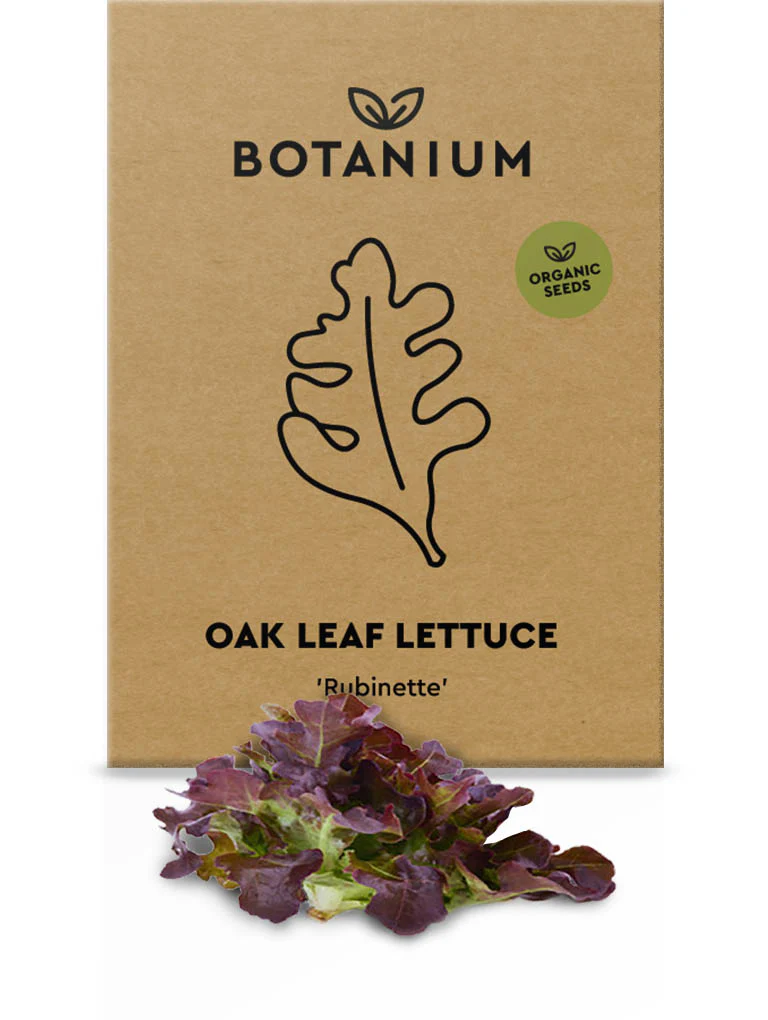
Loose-leaf types like oak leaf and lollo bolt more slowly than tight heads and let you pick young leaves continuously, which is the best defence against bitterness. Romaine and other heading types are the quickest to turn in warmth.
Does picking leaves often really help?
Yes. Frequent leaf-by-leaf harvesting keeps the plant young and removes older leaves before they accumulate bitterness, so the flavour stays mild and the plant keeps producing for weeks.
Keep it cool and pick it young
Bitter lettuce is rarely bad luck and almost always a warm room, a long light schedule or a plant left standing too long. Fix those three and sweet leaves follow. If you want varieties bred to shrug off a bit of warmth, our lettuce and leafy green seeds collection is the place to start, and the full index sits under lettuce seeds.