The short answer: there are at least 10 names for an indoor garden, and most of them describe a specific setup rather than a vague idea — a smart garden, a hydroponic countertop garden, a vertical planter, a wall planter, a propagation dome, a mini greenhouse, a terrarium-style sprouting bowl, a seed-starting station, a herb windowsill garden, and a kitchen herb garden all count.
We get asked this a lot, usually by people who bought one system and then found three different names for it online. Rather than write another history lesson about glasshouses, we went through our own product range and matched each real name to a setup you can actually buy and run in a normal EU apartment. No invented categories and no plants we don’t sell — just what each name means in practice, and which one fits your space.
What we used — tested in our Tallinn test kitchen, ships from Estonia across the EU.
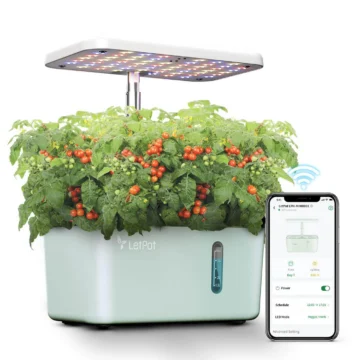
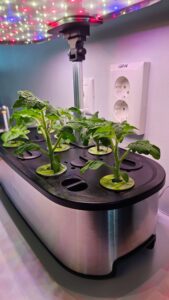
LetPot Mini 5-Pod Smart Indoor Hydroponic Garden – Grow Herbs, Greens & Veggies Year-Round
59,00 €Add to cart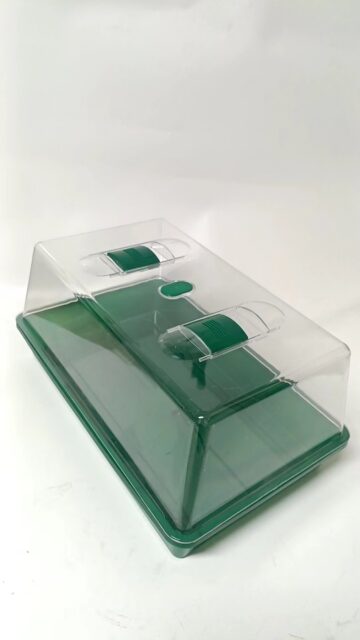
Indoor Greenhouse 38×24×18 cm – Compact Propagation Dome for Seeds, Cuttings & Hydroponic Starts
9,99 €Add to cart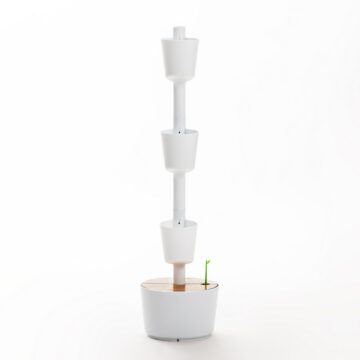
CitySens Vertical Planter – White 3 Pots with Wi-Fi Smart Watering Kit
189,00 €Add to cart
What people actually mean by a “fancy name for an indoor garden”
Search for the phrase and you’ll find lists that mix architectural terms (conservatory, orangery, atrium) with growing-method terms (hydroponic garden, smart garden) and container terms (vertical planter, terrarium). These are not interchangeable — a conservatory is a room, a smart garden is an appliance, and a terrarium is a sealed container. Once you separate the three groups, the question “which one do I actually have” gets much easier to answer, because most home growers in a flat or terraced house end up with one of the appliance or container types rather than a dedicated room.
The smart garden: a hydroponic countertop kitchen garden
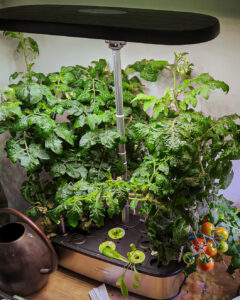
A smart garden is the modern name for a countertop hydroponic unit that runs its own LED light and water pump on a timer, so you top up the tank every one to three weeks instead of watering daily. Ours is a LetPot Mini 5-pod smart garden, which measures roughly 22 × 13 cm on the counter and draws about 20 W with the light on, at €59. It is also fair to call this a hydroponic countertop garden or a kitchen herb garden, since basil, parsley, coriander, chives and lettuce are the crops people actually grow in it. The practical tip: place it within reach of a plug and out of direct afternoon sun, since the built-in LED already supplies the light the plants need — a sunny windowsill on top of the grow light just stresses the seedlings. For the full explanation of how the technology works, see our guide on what a smart garden is and how it benefits home growers, and browse the full range under smart gardens.
The vertical planter and the wall planter
When floor and counter space run out but a wall is free, the setup usually gets called a vertical planter or a wall planter — both are legitimate, separate names. A vertical planter is a freestanding column of pots stacked upward, like our CitySens vertical planter, white, 3 pots with Wi-Fi watering, priced at €189 and suited to trailing herbs, strawberries and small leafy greens. A wall planter is mounted flat against the wall instead of standing on the floor, which matters if you have limited depth in a hallway or balcony. Both rely on consistent watering, since the lower pockets dry out faster than the top ones if you rely on hand watering alone — this is why the Wi-Fi smart watering kit exists, dosing each pot on a schedule rather than leaving it to memory. Browse the full range under vertical planters.
The propagation dome, mini greenhouse and terrarium-style sprouter
Three more names cluster around the same idea: a small, enclosed, humid space for starting things from seed. A propagation dome is a tray with a clear lid, like our Indoor Greenhouse 38×24×18 cm propagation dome at €9.99, which traps humidity around seed trays or hydroponic starts and speeds up germination noticeably compared with an open tray on a windowsill. Call the same object a mini greenhouse and you’re emphasising the enclosed-microclimate function rather than the seed-starting function — both are accurate. A terrarium-style sprouting bowl is the smallest version of the idea: a glass bowl or jar used for microgreens or sprouts rather than potted seedlings, and it is really a sealed-ecosystem cousin of the true terrarium rather than the same thing. The practical tip: keep the dome’s vents cracked open once the first true leaves appear, or damping-off fungus can take hold in the trapped humidity. Shop the category at indoor greenhouse.

Conservatory, orangery and atrium — the historic names, used correctly
These three terms show up constantly in “fancy name” searches, and they are real, but they describe rooms, not appliances. A conservatory is, in the Merriam-Webster definition, “a greenhouse for growing or displaying plants” — historically glass-walled and attached to a house. An orangery is older and narrower: per Encyclopaedia Britannica, a garden building designed for wintering exotic trees, primarily orange trees, dating to the 16th century. An atrium or sunroom is a bright, glazed living space that happens to hold plants rather than a structure built specifically for them. If you don’t have a spare room to convert, you can still borrow the effect at appliance scale: a countertop smart garden under a window gives you the bright, plant-filled feel of a small conservatory without any construction, and a vertical planter against a bare wall does the same job as an orangery corner used to — concentrating your growing plants into one visually dense spot.
How the ten names compare
| Name | What it actually is | Typical size | IndoorGarden equivalent | Price |
|---|---|---|---|---|
| Smart garden / hydroponic countertop garden | Self-watering, self-lighting appliance for herbs and greens | ~22 × 13 cm (5-pod) | LetPot Mini 5-pod | €59 |
| Vertical planter / wall planter | Stacked or wall-mounted pots for herbs, strawberries, trailing plants | ~20 × 20 × 80 cm | CitySens Vertical Planter White 3-pot | €189 |
| Propagation dome / mini greenhouse | Enclosed tray with clear lid for seed starting and cuttings | 38 × 24 × 18 cm | Indoor Greenhouse 38×24×18 cm | €9.99 |
| Terrarium-style sprouting bowl | Small glass bowl or jar for microgreens and sprouts | ~14–17 cm diameter | Sprouting bowls and jars (shown at checkout) | shown at checkout |
Frequently asked questions
Does a windowsill herb pot count as an indoor garden?
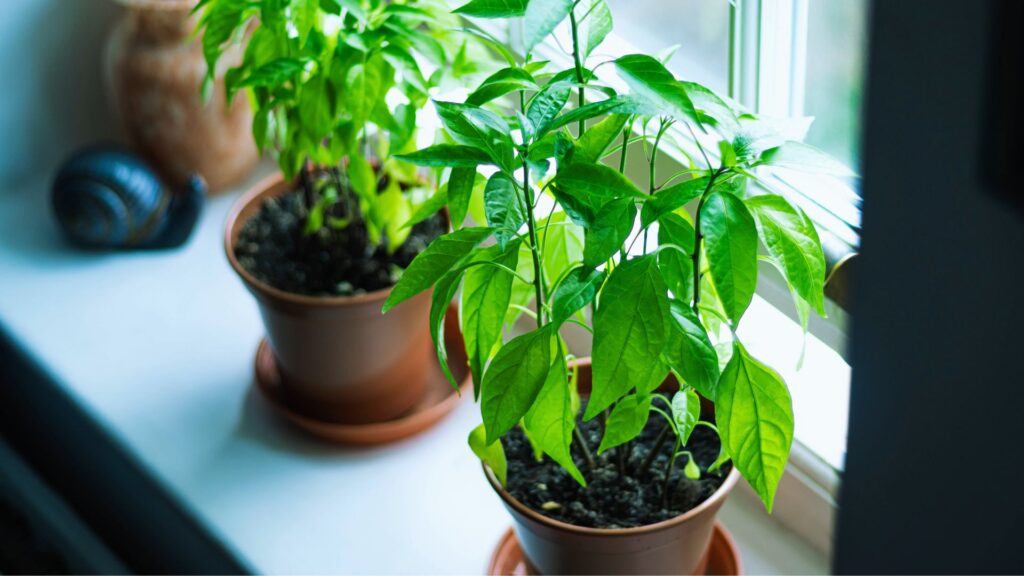
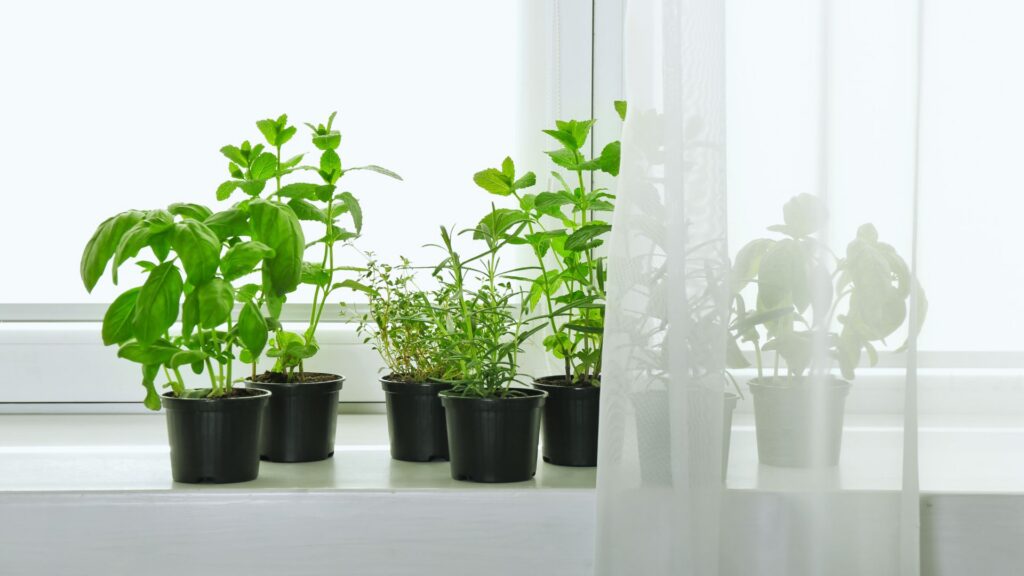
Yes. Any container growing edible or ornamental plants indoors qualifies as an indoor garden — a single basil pot on a windowsill is a modest but genuine one. The fancier names simply describe more structured or automated versions of the same basic idea.
What’s the difference between a smart garden and a greenhouse?
A smart garden is a self-contained appliance with its own light and water pump, built for growing herbs and greens to harvest. An indoor greenhouse or propagation dome is an enclosure that traps humidity around seedlings or cuttings to help them establish — it doesn’t supply light or water on its own in most compact models.
Is a vertical planter the same as a vertical garden?
“Vertical garden” is the broader, informal term; a vertical planter is the specific product — a column or wall-mounted unit with individual pockets or pots. Most vertical gardens people build at home use vertical planters as the hardware.
Can I call my hydroponic setup a smart garden even without an app?
Yes. “Smart garden” has become the general market name for compact hydroponic growing systems, whether or not they include app or Wi-Fi control. App control is a feature some models add, not a requirement of the category.
What should I call a terrarium that only grows microgreens?
Most growers call this a sprouting bowl or a microgreens tray rather than a true terrarium, since it isn’t a sealed, self-watering ecosystem — it is simply a shallow, humid container you harvest from within one to two weeks.
Do I need different names for the same setup in different rooms?
No — the name describes the equipment, not the room it sits in. A LetPot Mini on a kitchen counter and the same unit on an office desk are both smart gardens.
If you want to start yours today
Most people reading a “names for an indoor garden” article already have a spot in mind — a kitchen counter, a bare wall, or a windowsill — and just need the right equipment for it. For a counter or desk, the LetPot Mini smart garden is the easiest starting point; for a wall, look at our full smart gardens range. Either way, delivery is from our Estonian warehouse across the EU, with exact timing shown at checkout.