
Spring is the most satisfying time to start seeds indoors. The days are getting longer, light through the window is improving, and there is enough warmth in most homes to germinate a wide range of herbs without needing a heated propagator. If you have been waiting for the right moment to set up an indoor herb garden or expand what you are already growing, early spring is it. Here is a practical guide to which herbs and edible plants reward that spring effort most, and how to get each one started well.
Basil — Start It Warm and Do Not Rush It
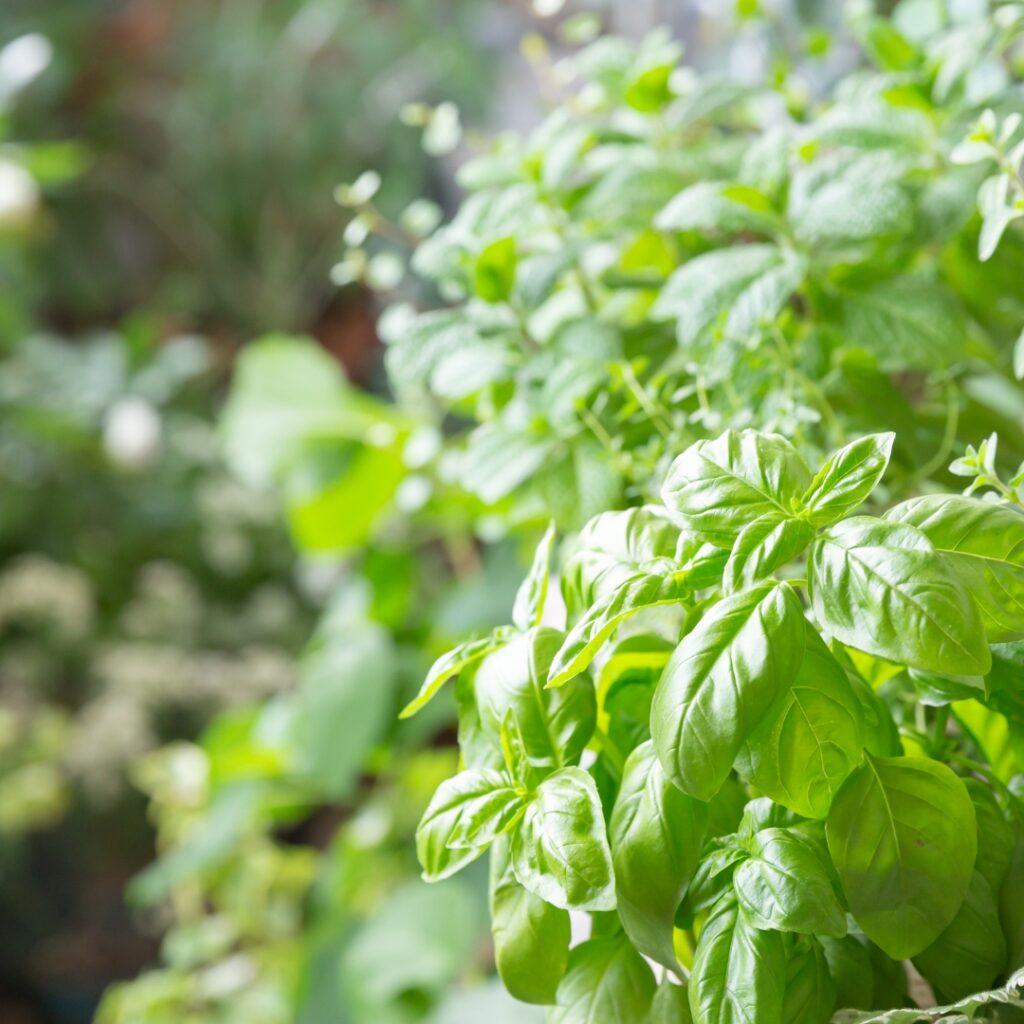
Basil is the herb most people want to grow and the one that disappoints most often, almost always because of cold. It is a tropical plant that needs consistent warmth — soil temperature of at least 20°C to germinate reliably, and air temperature above 18°C once established. In early spring, a cold windowsill will stall or kill basil seedlings even if the room itself feels warm. Wait until late March or April when indoor temperatures are more stable, or use a propagator with bottom heat to start it earlier.
Sow basil seeds on the surface of a moist growing medium and barely cover them — they are tiny and need light to germinate well. Keep the container covered with a clear lid until germination, which typically takes five to ten days in warm conditions. Once seedlings emerge, move them immediately to your brightest window or under a grow light. Basil is a cut-and-come-again herb but benefits from pinching out the growing tip early to encourage bushy growth rather than a single tall stem.
Parsley — Patient but Worth It
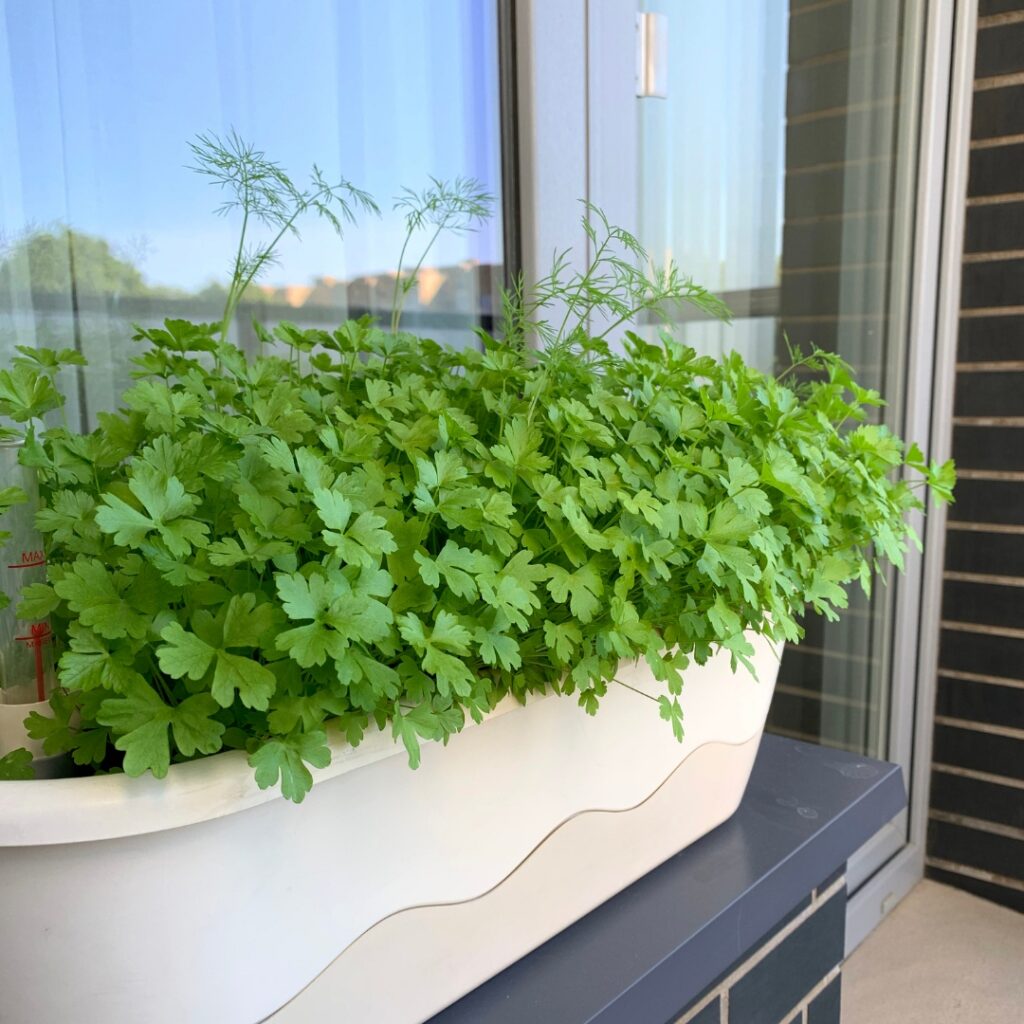
Parsley has a reputation for slow germination, and it is deserved — it can take two to four weeks to sprout even in good conditions. Soaking seeds in lukewarm water for a few hours before sowing speeds this up noticeably. Once parsley is established, though, it is one of the most reliably productive herbs you can grow indoors. It tolerates lower light levels better than basil, handles cooler temperatures, and continues producing through most of the year without bolting quickly.
Sow parsley directly into the container where it will grow, as it dislikes root disturbance during transplanting. A depth of about 5 mm is right — not too deep. Keep the growing medium consistently moist throughout germination and resist the temptation to give up if nothing appears in the first two weeks. It will come.
Chives — The Most Forgiving Herb to Start from Seed
If you are new to growing herbs from seed, chives are the one to start with. They germinate reliably at a wide range of temperatures, grow quickly once established, and regrow rapidly after cutting. Sow a small pinch of seeds into each pot, cover lightly with about 5 mm of growing medium, and expect germination within seven to fourteen days at room temperature. The grass-like seedlings are unmistakable and satisfying to watch fill out over the first few weeks.
Chives are also one of the few herbs that actively benefit from regular, hard cutting. Trimming them back to about 3 cm above the soil every few weeks encourages dense, fresh regrowth and keeps the plant productive for months. They also tolerate partial shade well, making them useful for positions that do not get full sun.
Coriander — Sow Little and Often
Coriander is a fast grower but also a fast bolter — once it decides to flower and set seed, leaf production essentially stops. The practical solution is to sow a small amount every two to three weeks rather than a large batch all at once. This gives you a continuous supply of fresh leaves rather than a glut followed by nothing.
Coriander also has a tap root and dislikes being transplanted, so sow it directly into its final container. It prefers cooler conditions than basil and actually bolts faster in heat, which makes it well-suited to a slightly cooler windowsill or a position with morning light rather than intense afternoon sun. Keep the growing medium evenly moist and harvest regularly by cutting stems from the outside of the plant inward.
Mint — Keep It Contained
Mint is extremely easy to grow from seed and extremely vigorous once established. In a shared planter it will outcompete almost everything else given enough time, so growing it in its own individual pot is the right approach. Mint seeds are tiny and should not be covered — just press them gently onto the surface of a moist growing medium and keep them humid until germination, which happens quickly in warm conditions.
Once established, mint needs cutting back regularly to prevent it from becoming woody and to encourage fresh, flavourful new growth. It tolerates partial shade better than most herbs and is happy in a cooler position. It also responds well to being cut hard — right back to a few centimetres above the soil — and will bounce back within a week or two.
Beyond Herbs — Other Spring Seed Starts Worth Including
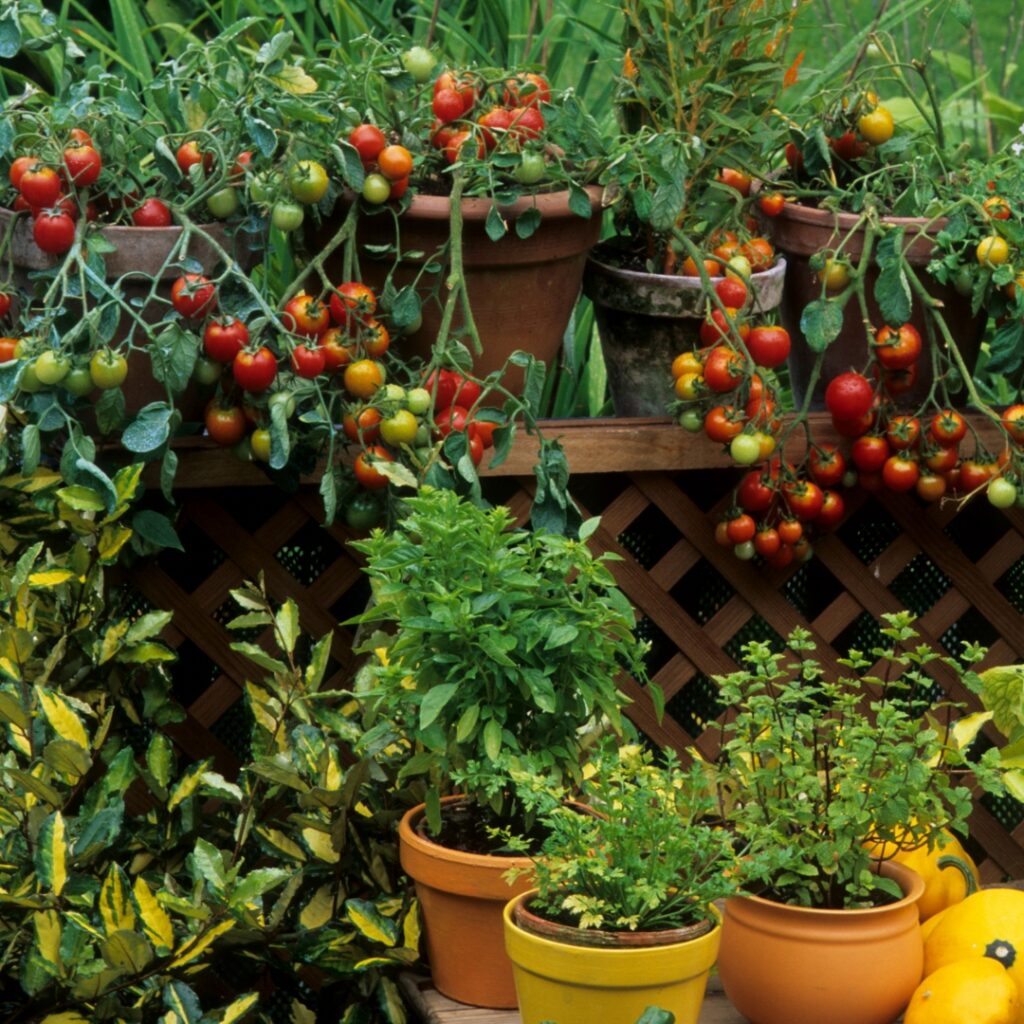
Spring is not just for herbs. Several other food crops start well indoors in spring and produce results through the summer months, particularly if you are growing in containers or a vertical setup.
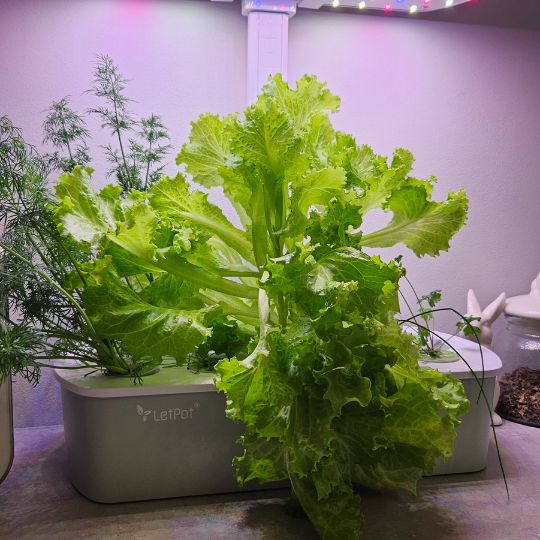
Lettuce and leafy greens are the fastest food crop you can grow alongside herbs. They germinate in three to five days in good conditions and are ready to harvest in three to four weeks. Sowing a small tray of lettuce and leafy green seeds in early spring gets a productive harvest going while you wait for slower crops to establish.
Tomatoes started in late March to mid-April will be ready to move to their final containers or outdoors by late May. Spring is the correct window for getting tomatoes going if you want fruit through summer. Compact and bush varieties work best in containers. Tomato seeds should be started now if you have not already.
Chilli peppers benefit from an early spring start for the same reason — they have a long growing season and need time to develop before they produce fruit. Starting chilli pepper seeds in February or early March gives plants enough lead time to flower and fruit well before autumn.
Strawberries started in January or February are well into their establishment phase by spring and may even produce their first fruit by early summer. If you have not started them yet, it is still worth sowing strawberry seeds in early spring for a late summer harvest.
Edible flowers like nasturtiums are easy to start from seed in spring and add colour and variety to a container or balcony setup. Every part of a nasturtium is edible — flowers and leaves both — and they grow quickly once the soil warms up. Browse flower seeds for edible varieties worth including alongside food crops.
Microgreens are worth starting at any point regardless of season. They germinate and harvest in seven to fourteen days and need very little space or light compared to full-size plants. Microgreen seeds are a good way to keep something harvesting while slower spring crops establish.
How to Give Spring Seedlings the Best Start
The single biggest improvement you can make to spring seed starting is ensuring adequate light. March and April light through a window is much better than winter, but still not always sufficient for seedlings that need 12 to 14 hours per day to develop properly. A grow light set on a timer removes this uncertainty and produces visibly stronger seedlings with shorter internodes and more robust stems.
Use a quality indoor potting mix rather than garden soil or a heavy general-purpose mix. Spring seedlings started in the right medium establish faster and suffer fewer early losses to damping off and poor drainage. Begin feeding with a diluted liquid fertiliser once seedlings have their first true leaves — the fertilisers for indoor plants category has options that cover herbs and food crops from the seedling stage through to harvest.
Conclusion
Spring is the best time to build momentum with indoor seed starting. Herbs like basil, parsley, chives, coriander, and mint all establish well from seed in spring given adequate warmth and light, and they start producing quickly enough to stay motivating. Pair them with a batch of leafy greens for fast early harvests and get tomatoes and chillies started now if you want fruit through summer. Browse the full seeds for indoor growing range to plan what goes in first, and share what you are starting this spring in the comments.