Growing chillies from seeds is one of the most satisfying ways to start an indoor edible garden. It gives you more variety, costs less than buying mature plants, and lets you control the whole process from germination to harvest. It also requires patience. Chillies usually germinate and grow more slowly than many beginner crops, especially if warmth and light are not strong enough. University extension guidance consistently recommends starting peppers indoors and keeping them warm during germination because peppers are a warm-season crop that struggles in cold conditions. :contentReference[oaicite:0]{index=0}
If you want the simplest path, start with compact varieties that are suitable for pots, containers, or indoor systems. At IndoorGarden, you can browse chilli pepper seeds selected for indoor growing, including compact options like Jalapeño M, Cayenne, Kilian, and Hot Lemon.
Why Start Chillies from Seeds?
Starting from seed gives you access to more varieties and a wider heat range than you usually get from ready-grown plants. It also works well for indoor gardeners because peppers need a long growing season, so starting early indoors gives them enough time to establish, flower, and fruit. Extension sources commonly recommend starting pepper seeds around 8 to 10 weeks before planting-out time, and some peppers benefit from an even longer head start.
Choose the Right Chilli Variety for Indoors
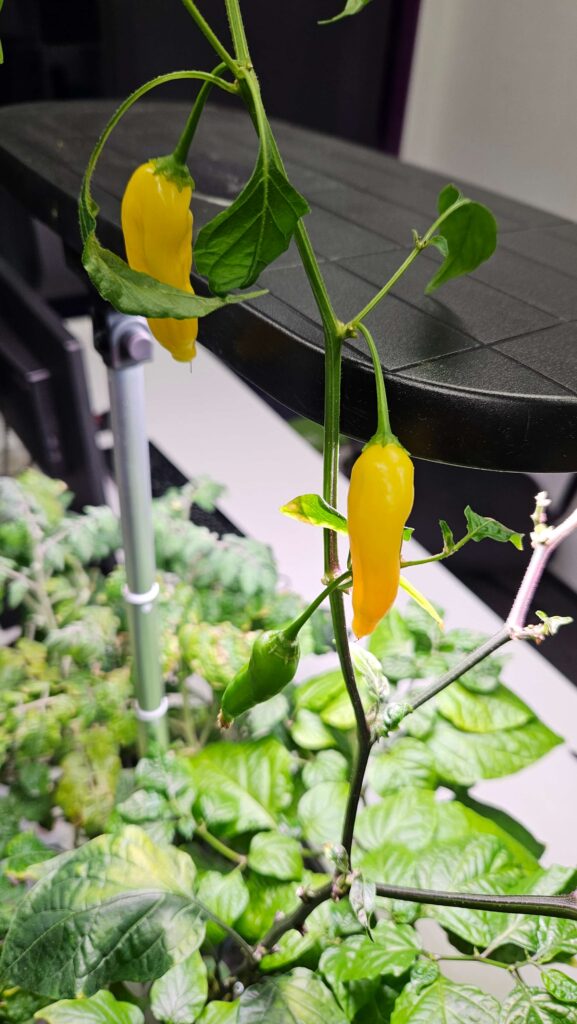
For indoor growing, compact or medium-sized chilli plants are usually the easiest choice. Large, sprawling varieties can outgrow a windowsill or a small grow-light setup very quickly. Product guidance across IndoorGarden’s chilli range also shows that many chilli varieties sold for home growing are suitable for pots, containers, and smart indoor gardens.
Good beginner characteristics to look for include:
- Compact plant size
- Good performance in pots
- Reliable fruiting
- Suitability for indoor growing or grow lights
If you want extra support choosing a system later, you can also explore smart gardens for a more controlled setup.
When to Start Chilli Seeds
Chillies are not a crop to rush at the last minute. Because peppers need a long season, starting seeds early is one of the biggest advantages you can give yourself. University of Minnesota Extension, University of Maryland Extension, and other extension sources recommend starting peppers indoors roughly 8 to 10 weeks before outdoor conditions would be warm enough, because peppers slow down badly in cool temperatures.
For indoor gardeners, this is useful even if you are not planning to move plants outside. It means you should expect chillies to take longer than herbs or leafy greens, and you should give them a warm, bright start from day one.
What You Need Before Sowing
You do not need a complicated setup, but peppers do respond better when the basics are right. A clean seed-starting mix, small containers, warmth, and strong light after germination make the biggest difference. University of Minnesota Extension recommends starting seeds in small individual containers rather than crowding many seedlings together, because separating tangled roots later can damage young plants.
Useful basics include:
- Chilli seeds
- Seed-starting mix
- Small pots, trays, or cell modules
- A spray bottle or gentle watering can
- A warm spot or heat mat
- A bright window or, more reliably, LED grow lights for indoor plants
How to Sow Chilli Seeds
Fill your containers with a light seed-starting mix and moisten it evenly so it is damp but not soaked. Sow the seeds shallowly and cover them lightly. Extension guidance for similar warm-season crops commonly places pepper-type seeds at around 6 mm depth, and the main point is not to bury them too deeply. Warmth is critical at this stage. Pepper seeds germinate best when the rooting medium is kept warm, with several extension sources pointing to roughly 24–32°C as the useful germination range, with many growers aiming close to 27–30°C.
Once sown, place the containers somewhere consistently warm. Keep the medium lightly moist, but do not let it stay wet and heavy. Cold, soggy seed trays are one of the easiest ways to get poor germination or rot.
How Long Chilli Seeds Take to Germinate
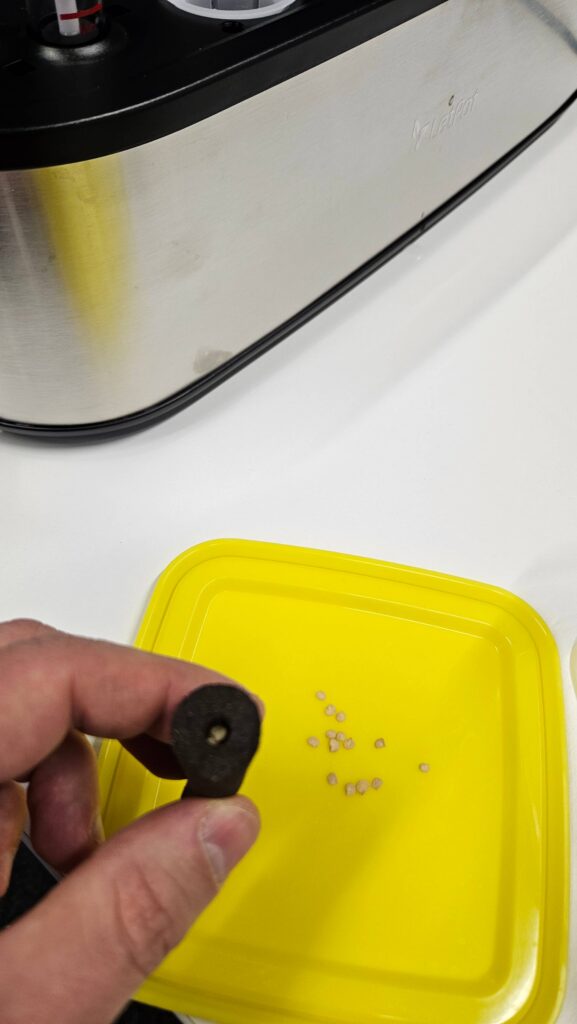
Germination time varies by variety, seed age, and temperature. Under warm conditions, peppers often germinate in around 7 to 14 days, though some take longer. Cooler conditions can delay germination significantly. Several extension sources emphasize that peppers are slow and warmth-sensitive, which is why heat mats are so commonly recommended for reliable results.
If your seeds have not sprouted after a week, do not panic. Check warmth first. With chillies, slow germination is often more about temperature than about seed failure.
What to Do Right After Germination
As soon as seedlings emerge, light becomes the priority. Without enough light, chilli seedlings stretch, lean, and become weak. University of Minnesota Extension notes that light is one of the most important factors in plant growth, and seedlings need bright overhead light to develop properly. Illinois Extension also recommends supplemental lighting for indoor seed starting when natural light is limited.
This is especially important in Estonia and other Northern European locations where daylight intensity is limited for much of the year. A sunny window can help, but for more reliable seedlings, a dedicated grow light is usually the better option. IndoorGarden’s grow lights for indoor plants category is designed for exactly this stage of growing.
How to Water Chilli Seedlings
Young chilli seedlings need steady moisture, but not constant saturation. The root zone should stay lightly moist, never waterlogged. Warm seed trays can dry faster, especially on a heat mat, so check regularly. University of Minnesota Extension specifically notes that heating mats dry growing media faster and require closer moisture monitoring.
A good rule is to water gently and only when needed. Heavy watering and poor airflow can quickly weaken seedlings. You are aiming for balance, not constant wetness.
When to Pot Up Chilli Seedlings
Once seedlings have developed their first true leaves and begin to outgrow their starter cells, move them into slightly larger pots. This gives roots more room and prevents crowding. If you started multiple seeds in one cell, thin to the strongest seedling or separate them carefully while they are still small enough to handle. Starting in individual cells makes this easier and reduces root damage.
After potting up, keep the plants warm and continue providing strong light. Avoid moving them into a much larger container too early, because oversized pots can stay wet for too long around a small root system. That slows growth instead of helping it.
Best Conditions for Early Chilli Growth
Once germinated, chilli seedlings still want warmth. Extension sources on peppers commonly note that growth slows below roughly 10–13°C at night and that peppers dislike cold, wet conditions. For fruiting later on, peppers generally perform best in warm daytime conditions and mild nights.
For indoor growers, the practical takeaway is simple: keep seedlings away from cold windows, draughts, and chilly night-time temperature swings. Stable warmth matters more than people often expect.
Can You Grow Chillies from Seeds in a Smart Garden?
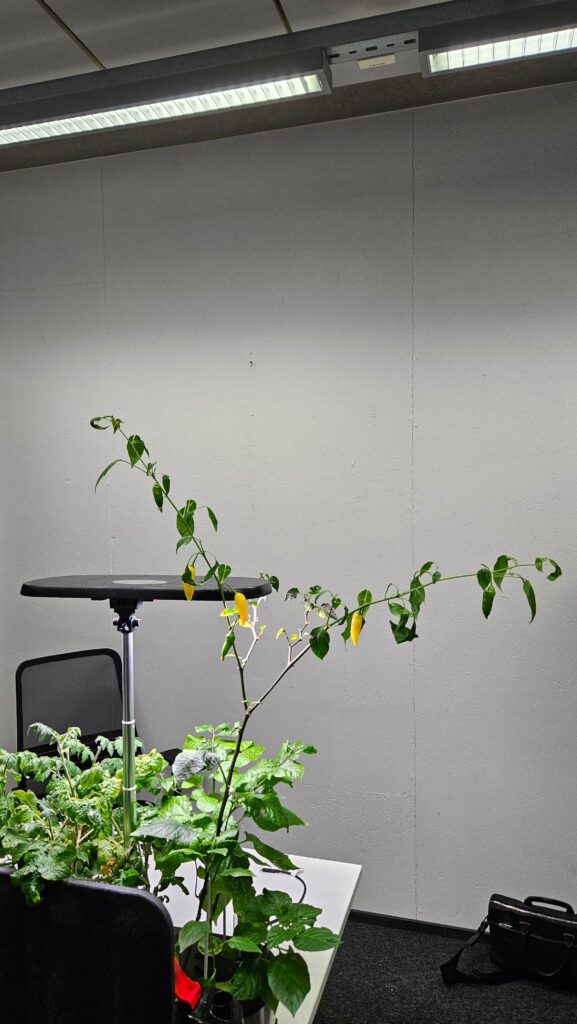
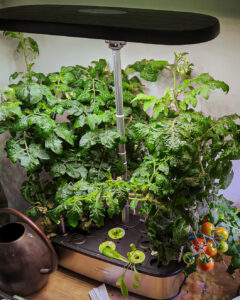
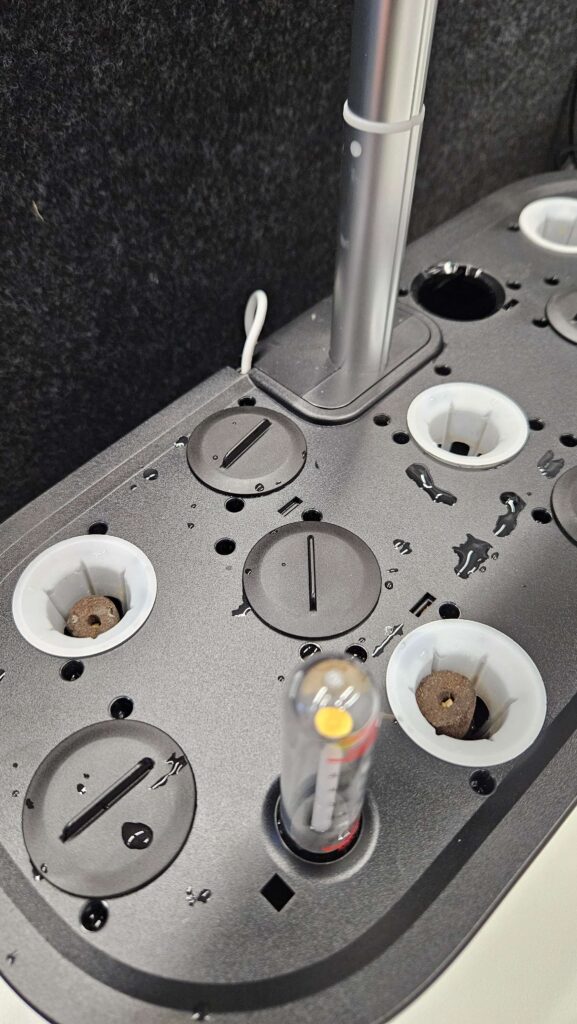
Yes, but the fit depends on the variety and the system size. Compact chillies can work well in indoor hydroponic systems, while taller or more vigorous plants need more vertical room and usually benefit from larger systems or individual pots under grow lights. IndoorGarden’s smart garden range is built for controlled indoor growing, and the LetPot comparison guide specifically notes that taller fruiting plants like chilli peppers are easier in models with more grow height.
If you are planning to grow chillies hydroponically, choose a compact variety and make sure the system can handle the mature plant height, not just the seedling stage. That is one of the most common planning mistakes with fruiting crops indoors.
Common Mistakes When Starting Chilli Seeds
- Starting too cold
- Using weak light after sprouting
- Keeping the mix too wet
- Expecting fast germination like lettuce or basil
- Choosing a variety that becomes too large for the space
Most chilli seed failures come back to those same basics: warmth, light, patience, and realistic variety choice. Pepper seeds do not behave like quick leafy crops. They need a warmer and more deliberate start.
How to Give Your Chilli Seedlings the Best Start Indoors
If you want a simple formula, do this: start early, keep seeds warm, move seedlings under strong light immediately after sprouting, and pot up steadily as they grow. Those few steps solve most beginner problems before they start. For a wider beginner overview, you can also read The Ultimate Guide to Indoor Gardening for Beginners.
Conclusion
Growing chillies from seeds is not difficult, but it does reward the right setup. Warm germination temperatures, bright light right after emergence, careful watering, and patience make a huge difference. Start with the right variety, avoid cold conditions, and do not judge success too early. With that approach, chilli seeds become a very realistic and rewarding indoor project.
To get started, browse IndoorGarden’s chilli pepper seeds, explore LED grow lights for indoor plants for stronger seedlings, or look at smart gardens if you want a more controlled indoor growing setup.