Hydroponic vegetables are, in most peer-reviewed comparisons, just as healthy as soil-grown ones, and sometimes ahead on specific nutrients. A 2024 residue study found detectable pesticides in only 30% of hydroponic samples against 84% of conventionally grown ones, while another comparison found higher vitamin C and E in hydroponic tomatoes and strawberries. The one trade-off worth knowing: nitrate levels can run higher.
I run the test bench at IndoorGarden in Tallinn, and “is hydroponic actually healthy” is one of the questions I get asked most, usually from someone who has just bought their first smart garden and wants to know if the lettuce growing in water is really as good for them as the lettuce from a market stall. So I went through the peer-reviewed comparisons rather than the marketing pages, and this is what they actually show, including the part that does not favour hydroponics.
What we used — tested in our Tallinn test kitchen, ships from Estonia across the EU.
What “healthy” actually means for a vegetable
When people ask if hydroponic vegetables are healthy, they are usually asking three separate questions at once: does it have the same vitamins and minerals, does it carry more or fewer chemical residues, and does it taste like a real vegetable rather than a watery imitation. Each question has its own answer, and lumping them together is why so much online debate on this topic goes nowhere. Nutrient density depends on the plant variety, how ripe it was at harvest and how the grower managed the feed, not on whether the roots sat in soil or in water. That is the frame I used to go through the research below.
Nutrient content: hydroponic can match or beat soil-grown
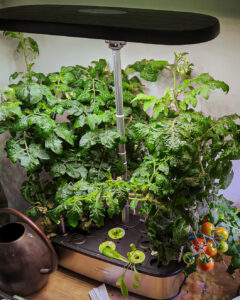
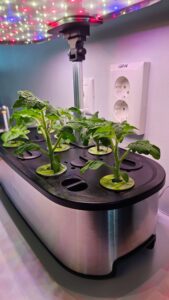
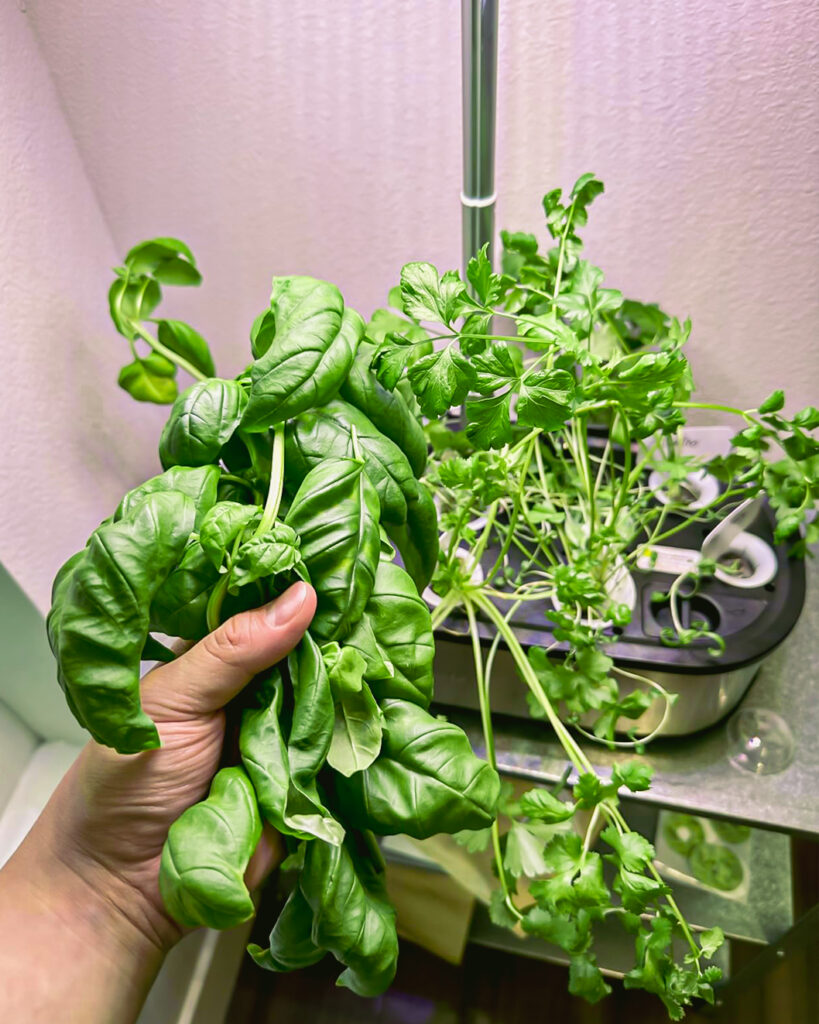
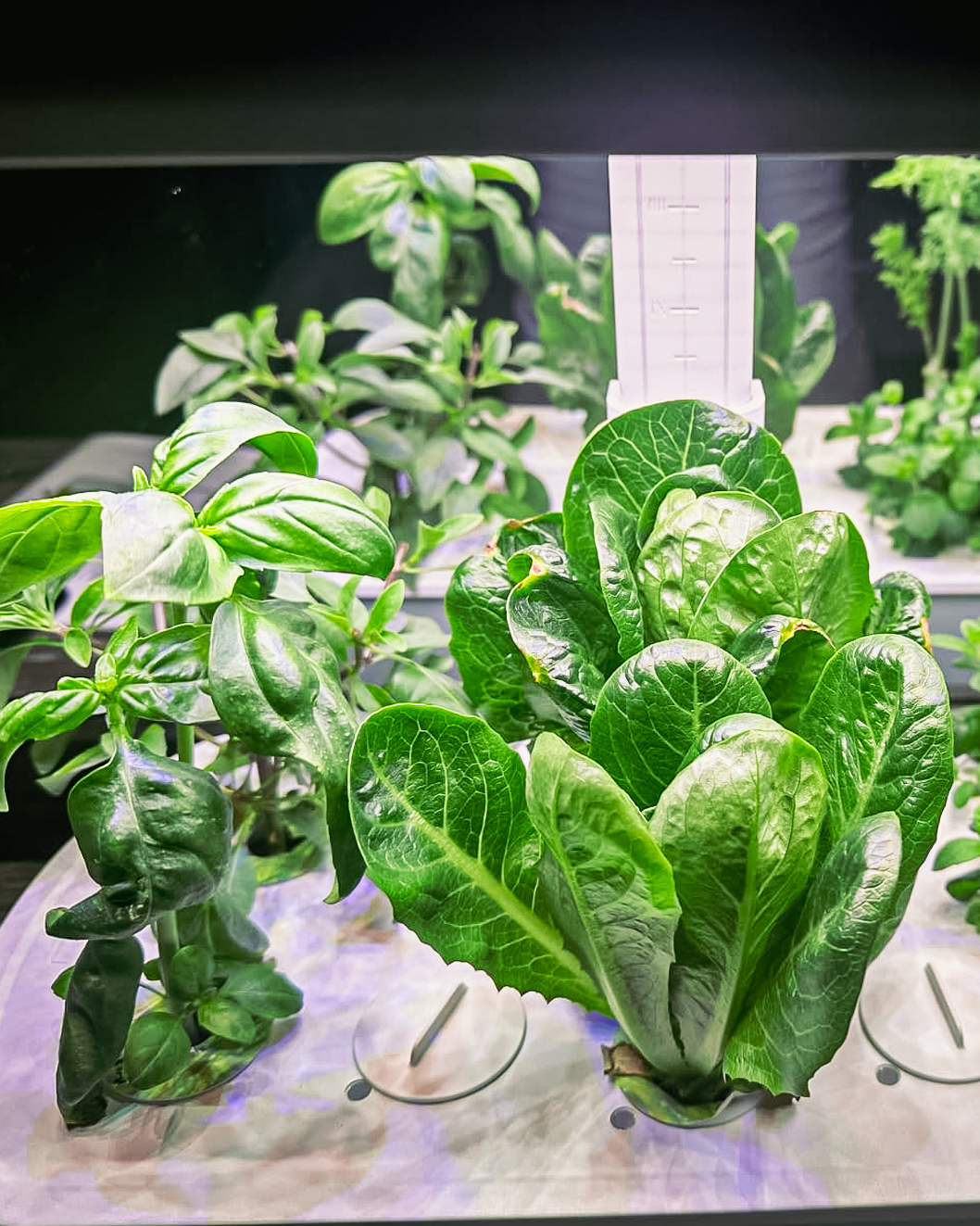
A comparative study on tomatoes and strawberries found significantly higher vitamin C in hydroponically grown fruit of both crops, and higher vitamin E in hydroponic tomatoes, spinach and strawberries against their soil-grown counterparts1. That is not a universal rule, since other trials on different crops and nutrient recipes have found the opposite or no difference at all, but it kills the common assumption that water-grown produce is automatically nutritionally thinner. What actually drives the number is the mineral concentration in the feed solution and how much light the plant gets, both of which a grower controls directly in a hydroponic system rather than hoping the soil happens to be rich enough. Our own basil and lettuce, grown under a full-spectrum LED on a fixed 16-hour cycle, taste noticeably more intense than the same varieties I grow on a dim windowsill in soil, and that lines up with what the light and nutrient research predicts rather than anything mystical about hydroponics itself.
Pesticide and heavy metal residue: this is where hydroponics wins clearly
The strongest result in the research is on contamination rather than vitamins. A 2024 risk-assessment study testing vegetables from both cultivation methods found at least one detectable pesticide in 84% of conventionally grown samples, compared with just 30% of hydroponic samples2. The same study measured lead and cadmium residue and found both were significantly higher in the conventionally grown produce. This makes sense once you think about where residues actually come from: an enclosed hydroponic system indoors has no soil-borne pests to spray for, no wind-blown drift from a neighbouring field, and no accumulated heavy metal history sitting in the growing medium. Phthalate levels, for what it is worth, showed no meaningful difference between the two methods in the same study, so hydroponics is not a blanket fix for every kind of contaminant, just the pesticide and heavy-metal categories specifically.
The one place hydroponics loses: nitrate
This is the honest caveat, and I would rather state it plainly than let the good news above stand unchallenged. Multiple studies on leafy greens, including lettuce and mustard greens, have found nitrate concentrations running higher in hydroponically grown crops than in soil-based systems, in some cases close to or above EU reference limits for nitrate-sensitive vegetables. Nitrate itself is not acutely dangerous at normal dietary levels, and the EU sets limits specifically for crops like lettuce and spinach because they are the main dietary source of it, but if you are growing for a baby, are pregnant, or eat unusually large amounts of raw leafy greens daily, it is worth knowing that a hydroponic lettuce is not automatically the lower-nitrate choice. The practical fix is straightforward: keep nitrogen dosing at the lower end of the range for your crop rather than the top, and harvest at a normal size rather than letting leafy greens grow oversized, since nitrate tends to concentrate in older, larger leaf tissue. Our guide on how to mix hydroponic nutrients has the exact ml-per-litre ranges we use for lettuce and other leafy crops.
Does hydroponic produce actually grow faster, and does that affect quality
Speed and nutrition are often assumed to trade off against each other, but the evidence does not support that assumption. Hydroponic leafy greens and herbs commonly reach harvest 25 to 40% faster than the same varieties in soil, because the roots are not spending energy searching for water and nutrients the way they do in compost, as we cover in full in do plants grow faster hydroponically or in soil. Faster growth from better nutrient access is not the same thing as rushed, hollow growth from stress, which is the pattern that actually depletes flavour and nutrient density. The plants in our smart gardens are, if anything, less stressed than the ones on a windowsill, since the water and light supply never dips the way a forgotten watering can or a cloudy week does.
How to grow the healthiest hydroponic harvest at home
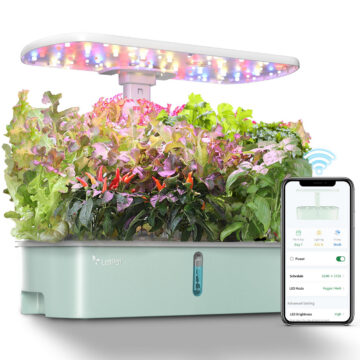
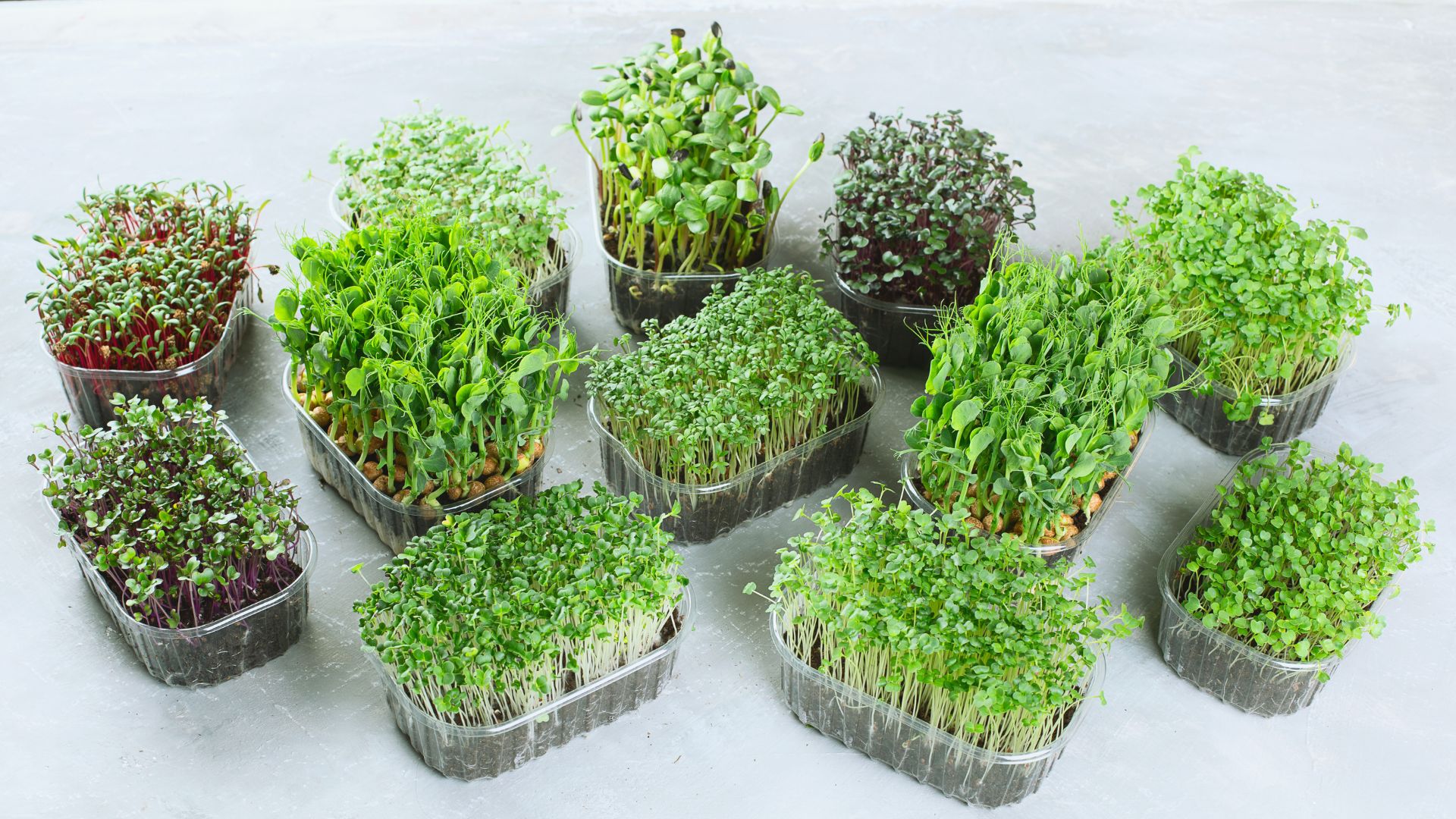
Three things matter more than the growing method itself. First, use a nutrient solution actually formulated for hydroponics rather than a diluted soil fertiliser, since the mineral ratios and solubility are different and a mismatched feed is the single biggest cause of a nutritionally poor harvest. Second, keep the reservoir clean between plantings, because algae and biofilm can build up on tubing and pods even without soil, and a dirty system feeds pathogens rather than your plants. Third, harvest at the point the recipe or seed packet suggests rather than leaving leafy crops to grow oversized, which is both a flavour improvement and, per the nitrate point above, a genuine safety margin. A smart garden with a built-in LED and reservoir removes most of the guesswork around light and watering consistency, which is where home hydroponic setups most often go wrong.
Hydroponic vs soil: the honest scorecard
| Factor | Hydroponic | Soil-grown |
|---|---|---|
| Vitamin C and E (tomato, strawberry, spinach) | Equal or higher in comparative trials1 | Baseline |
| Pesticide residue detected | 30% of samples2 | 84% of samples2 |
| Lead and cadmium residue | Significantly lower2 | Significantly higher2 |
| Nitrate in leafy greens | Often higher | Often lower |
| Time to harvest (herbs, leafy greens) | 25-40% faster | Baseline |
| What we grow it in | LetPot Air 10-pod, €89.00 | Compost and a pot |
Frequently asked questions
Are hydroponic vegetables less nutritious because they are not grown in soil?
No. Plant roots absorb minerals as dissolved ions regardless of whether those ions came from soil or from a mixed nutrient solution. Comparative studies have found hydroponic produce matching or exceeding soil-grown produce on several vitamins, so there is no inherent nutritional penalty for growing without soil.
Do hydroponic vegetables have more pesticides than soil-grown ones?
The opposite, in the research available. A 2024 comparative study found detectable pesticides in only 30% of hydroponic samples against 84% of conventionally grown ones, largely because an enclosed indoor system has no soil pests or field drift to spray for in the first place.
Is the higher nitrate in hydroponic greens actually dangerous?
At normal dietary levels, no, though the EU sets specific nitrate limits for lettuce and spinach because leafy greens are the main dietary source. Keeping nitrogen dosing moderate and harvesting at a normal size rather than oversized keeps nitrate well within those limits.
Does a hydroponic vegetable taste different from a soil-grown one?
It can taste more intense rather than blander, particularly for herbs, because consistent light and a properly dosed feed drive essential oil and flavour compound production. A plant that is stressed by inconsistent watering or weak light, whether in soil or water, is what actually produces a flat-tasting harvest.
Can I make my own hydroponic vegetables healthier by choosing the right nutrients?
Yes. Using a nutrient solution formulated for hydroponics, dosed at the crop-specific strength rather than guessed, is the single biggest lever you have over the nutritional outcome. Our guide to mixing hydroponic nutrients has the exact ratios by crop.
Is lettuce a good crop to start with if I care about nutrition?
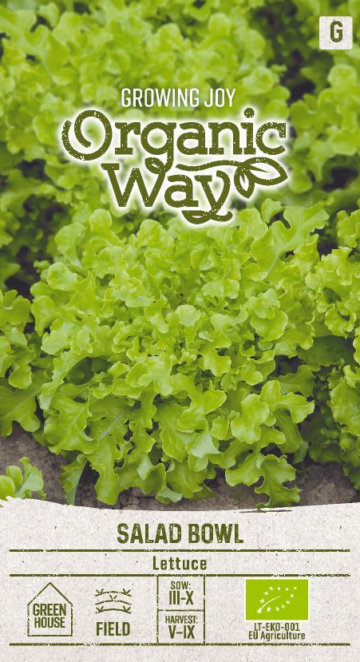
Yes, lettuce is one of the best-studied hydroponic crops and performs reliably on both speed and nutrient content. Our lettuce and leafy green seeds are bred for fast, even indoor growth.
If you want to fix this today
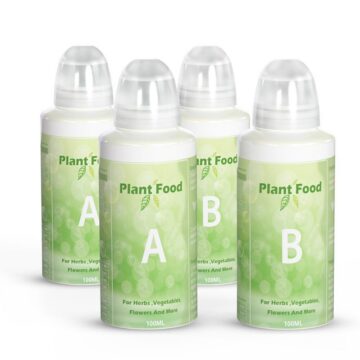
If you are already growing hydroponically, the one change worth making today is checking your nitrogen dose against the crop-specific range rather than a single all-purpose number, and harvesting leafy greens at a normal size rather than letting them grow oversized. If you are just getting started, a smart garden with a properly formulated feed removes most of the guesswork, and our LetPot hydroponic nutrients are what we dose ours with. Both ship from our Tallinn warehouse across the EU.
Sources: 1. A Comparative Analysis on the Variation of β-Carotene, Vitamin C and E Levels in Hydroponic and Soil-Based Fruits and Vegetables. 2. Occurrence and Risk Assessment of Pesticides, Phthalates, and Heavy Metal Residues in Vegetables from Hydroponic and Conventional Cultivation.