Algae in a smart garden reservoir almost always means light is reaching the water, since algae need light to grow just like any other plant. The three fixes that actually last are blocking light to the tank, cleaning the reservoir and pump between plantings, and keeping the nutrient solution below about 22 °C, the range most hydroponic guidance already recommends for leafy herbs.
A green tint in the water tank is one of the most common questions we hear from smart garden owners, and it almost never means the system is broken. Algae are simple plants, and like the herbs growing above them, they need light, water and dissolved nutrients to spread. This guide covers the three fixes that remove the cause rather than just the colour, plus what to do if a bloom has already taken hold.
Products mentioned — in stock at IndoorGarden, shipped from Tallinn across the EU.

Why algae shows up in a reservoir and not in soil
Soil keeps a plant’s roots in the dark, but a hydroponic reservoir is open water, which is exactly the environment algae need. The University of Minnesota Extension notes that nutrient-rich water solutions are prone to algal and bacterial growth, and that light reaching the growing area and reservoir is what lets algae establish in the first place. A smart garden’s tank already holds everything algae need except one thing: most are built to keep light out, so a bloom usually means light is getting in somewhere it shouldn’t, most often around a loose lid, a net pot gap, or a reservoir left open while refilling.
Fix 1: cut the light before it reaches the water
Blocking light is the single biggest lever, because without it algae cannot photosynthesise even with nutrients and warmth both present. Check the lid seals fully and that no gap sits between the pods and the tank wall, since even a narrow strip of light along one edge is enough to seed a bloom over a few weeks. If your system has a clear or translucent section of tank, a strip of dark tape or an opaque sleeve over that section stops light reaching the solution without affecting the LED above the plants. Refilling in a dim room rather than next to a bright window also helps, since direct sun on an open tank during a top-up is a common and easily missed source of light.
Fix 2: clean the tank and pump between plantings
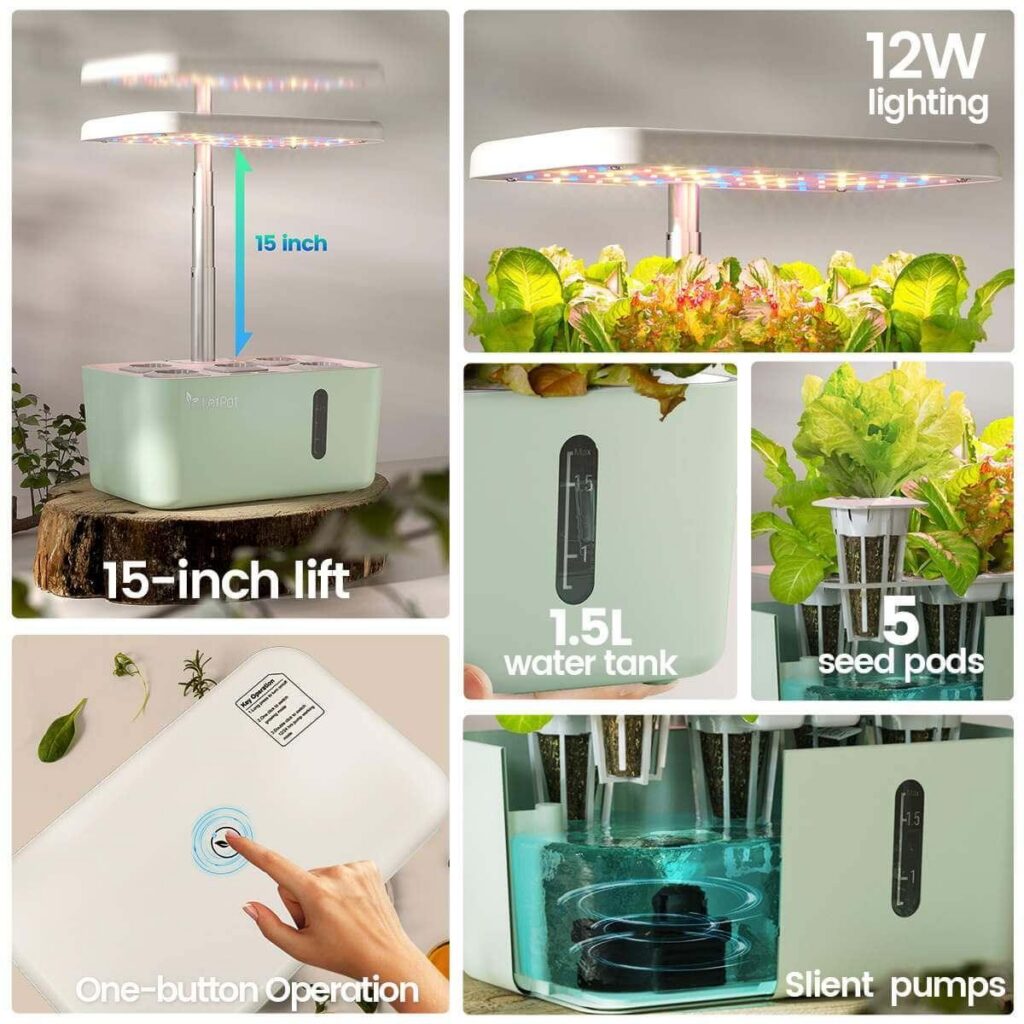
Even with light blocked, a reservoir that is never emptied slowly builds up a film of organic matter that gives algae and bacteria something to feed on long after the original cause is fixed. Draining the tank fully between growing cycles, rinsing it with warm water, and wiping the inside with a soft cloth removes this film before it becomes a problem. The pump deserves the same attention, since algae and mineral residue can clog its intake filter and slow water circulation, which our guide to LetPot maintenance covers in more detail, including how often to rinse the filter sponge. A quick rinse of both tank and pump at every nutrient change is the habit that keeps a bloom from coming back once it is gone.

Fix 3: keep nutrients and temperature out of algae’s comfort zone
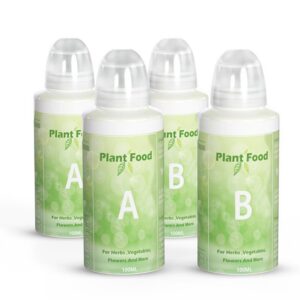
Algae grow fastest in warm, nutrient-rich water, which is unfortunately close to what a growing herb also wants, so the aim is to stay at the lean, cool end of the range rather than the rich, warm end. Dosing the nutrient solution to the strength the manufacturer specifies, rather than adding extra on the assumption that more feeds the plant faster, matters here: an over-strength solution feeds algae as readily as it feeds roots. Keeping the tank below about 22 °C, away from a sunny windowsill or a radiator, also slows algae noticeably, since warmth speeds up most biological growth in standing water. A dosed bottle of LetPot hydroponic nutrients is formulated to the concentration a smart garden is designed around, which takes the guesswork out of this step.

If algae has already taken hold
A light green tint on the tank walls is a different job from thick, stringy growth clogging the pump, so match the response to what you are actually seeing. For a light bloom, draining and rinsing the tank once, then checking the lid and pod seals for the light leak that caused it, is usually enough on its own. For a heavier bloom, a full drain followed by a wipe with a weak, food-safe cleaning solution and a thorough rinse before refilling clears it faster, and swapping in fresh grow sponges stops algae that has colonised the old ones from reseeding the clean tank. Growers who keep hitting the same bloom every few weeks almost always have an unaddressed light leak rather than a water problem, so it is worth rechecking the seals even after a successful clean.
What you need to fix it
Work down this table if you are not sure where to start.
| What you see | Most likely cause | Fix | Where to start |
|---|---|---|---|
| Thin green film on tank walls | Light reaching the solution | Seal lid and pod gaps, cover any clear tank section | Dark tape or an opaque sleeve, no cost |
| Green film returns a few weeks after cleaning | Light leak not fully fixed | Recheck every seam and gap, not just the lid | 5 minutes, no cost |
| Slimy buildup inside the tank | Organic residue from skipped cleaning | Full drain, rinse, wipe between plantings | 10 minutes each nutrient change |
| Pump running slower than usual | Algae or mineral buildup on the intake filter | Rinse the filter sponge | LetPot replacement pod kit, €24.99 |
| Bloom keeps coming back despite cleaning | Over-strength feed or a warm spot | Dose to spec, move off a sunny sill or radiator | LetPot hydroponic nutrients, €17.99 |
Frequently asked questions
Is algae in my smart garden harmful to the plants?
A light film is mostly cosmetic, but a heavier bloom competes with roots for dissolved oxygen and nutrients and can clog the pump, which does affect growth. It is worth fixing as soon as you notice it rather than leaving it to spread.
Can I use tap water straight from the tap to refill the tank?
Yes, most tap water in Estonia and across the EU is fine for a smart garden. The nutrient solution itself, not the source water, is what feeds algae, so the fix is in dosing and light rather than switching water sources.
How often should I clean the reservoir to prevent algae?
A full drain and rinse at every nutrient change, typically every 1 to 2 weeks in a smart garden, keeps organic residue from building up. If you already have an algae problem, clean a little more often until it clears.
Will a drop of bleach in the tank get rid of algae?
We would not recommend adding bleach or other chemicals to a system growing food you plan to eat. Draining, rinsing and fixing the light leak removes algae without introducing anything you would rather not have near your herbs.
Does algae mean my smart garden has too much light overall?
No. The LED above the plants is meant to run long hours and is not the problem. Algae grow where light reaches the water itself, not the leaves, so the fix is sealing light out of the tank rather than reducing the light schedule.
Why does algae come back faster in summer?
Warmer rooms speed up algae growth the same way they speed up plant growth, so a tank that stayed clear all winter can bloom within days once a room warms up in summer. Moving the system away from direct afternoon sun helps more at that time of year.
Where to start today
Check the lid and every pod gap for light first, since that single fix resolves most cases on its own. Drain and rinse the tank while you are at it, and dose your next nutrient refill to the label strength rather than guessing high. If the pump feels slow, a fresh replacement pod kit clears any residue the rinse alone cannot reach. Browse the full smart gardens range if you are shopping for a new system, and every part ships from our Tallinn warehouse across the EU.