A chilli plant not growing is almost always reacting to one of 7 conditions: light under 12 hours a day, nights below 15 °C, wet roots, a pot that is too small or too large, wrong feeding, transplant shock or a slow variety. Six of the seven can be fixed in about 10 minutes.
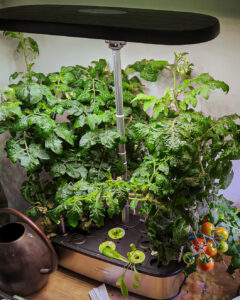
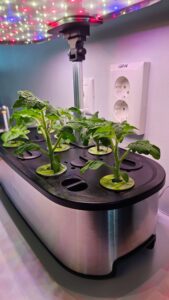
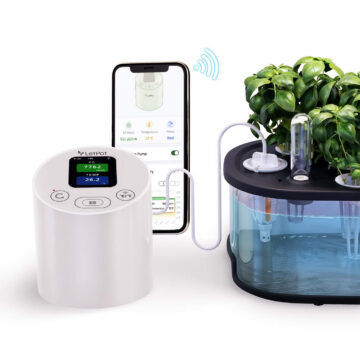
Between February and April 2026 I ran three chilli plants side by side in our Tallinn test kitchen: one on a north-facing windowsill, one under a 100 W LED panel and one in a LetPot Senior smart garden. The windowsill plant stalled at 9 cm for five weeks. The other two kept growing. Below are the seven causes I see most often, what I changed for each one, and how long the plant took to respond.
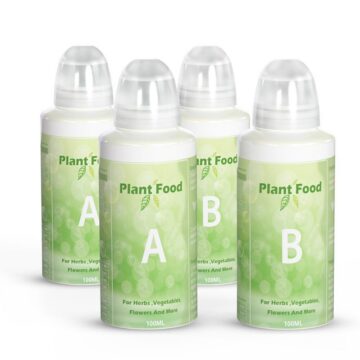
What we used — tested in our Tallinn test kitchen, ships from Estonia across the EU.

Cause 1: not enough light (the fix takes 10 minutes)
Light is the first thing to check, because it explains most stalled chilli plants I see in Estonia and across Northern Europe. A chilli needs 12 to 14 hours of light a day to grow at a normal pace, and a windowsill in February gives about 8 hours of weak light at best. University of Minnesota Extension notes that plants in low light grow more slowly and use less water, which is why a dark spot leads straight to the overwatering problem in cause 3.
What I did: I moved the windowsill plant under the LED panel at 30 cm distance, set on a 14-hour timer. In 9 days it produced two new leaf pairs after five weeks of nothing. If you only fix one thing, fix this one. A 100 W full-spectrum panel runs at roughly 0,10 € a day in Estonia at 14 hours, and our free indoor gardening tools help you work out light and nutrient settings for your setup.
Cause 2: nights below 15 °C
Cold is the second most common reason, and the sneakiest, because the plant does not look damaged. The RHS says chillies cope with 12 °C at night but grow better above 15 °C, and my own experience is that at 13 °C growth simply pauses. A windowsill above a radiator that is switched off at night can drop 6 to 8 °C below the room temperature.
What I did: I taped a cheap thermometer to the sill for three nights and saw 12 °C. Moving the pot 40 cm into the room, off the sill, brought the nights to 18 °C and growth restarted within a week. That is the 10-minute fix. If you cannot move the plant, a heated seed starter base keeps the root zone at 20 to 25 °C regardless of the window.
Cause 3: overwatering and wet roots
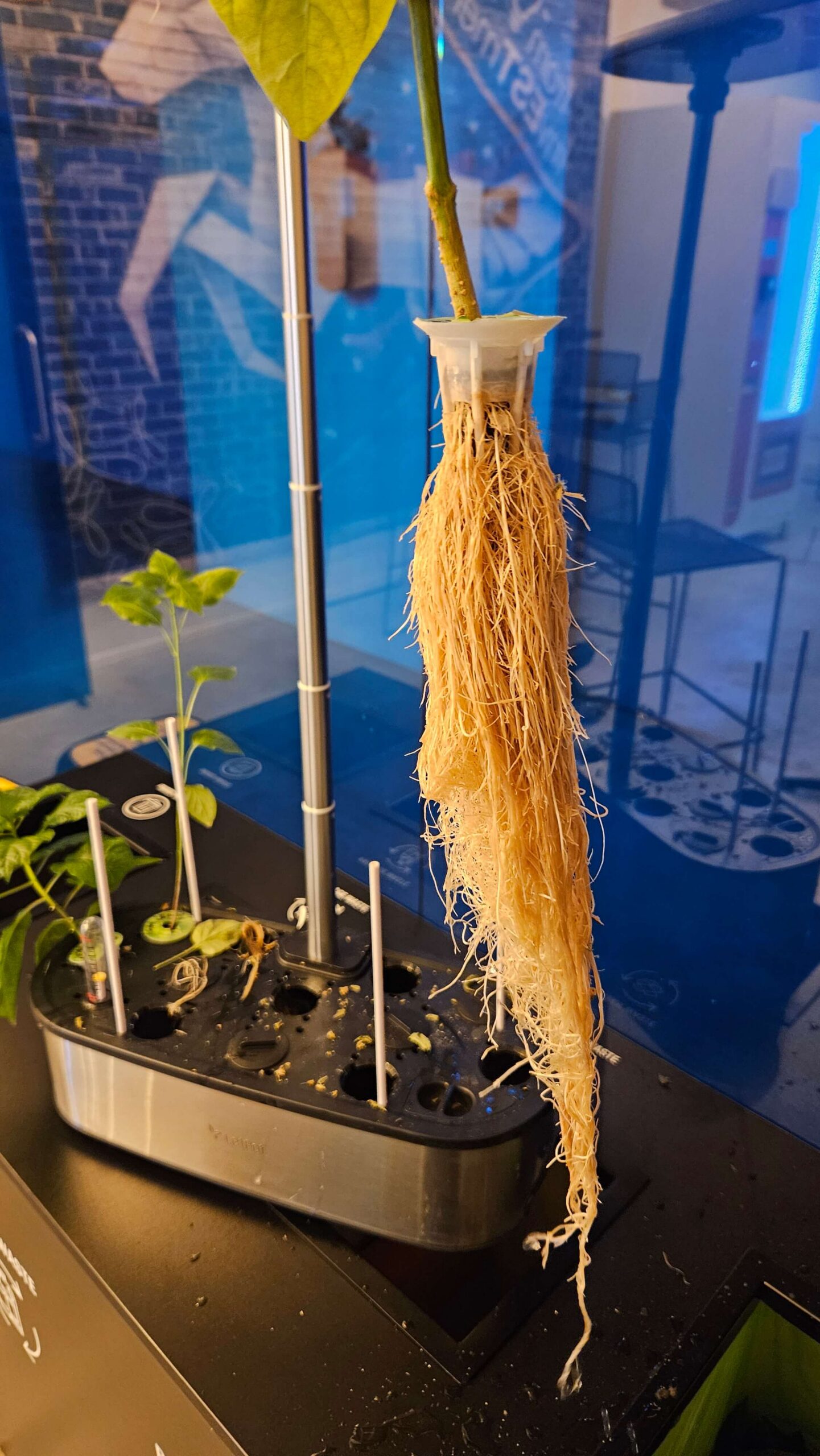
Overwatering means the compost never dries between waterings, so the roots sit without oxygen. When a chilli stops growing, most people water more, which makes it worse. In low light a chilli uses maybe a third of the water it uses under a grow light, so the same watering routine that worked in June drowns the plant in November.
What I did: I pushed a finger 3 cm into the compost. If it was damp, I did not water. For the stalled plant that meant going from every 2 days to every 6 days. I also made sure the pot had drainage holes and no standing water in the saucer. Root recovery is slower than the light fix, expect 2 to 3 weeks before you see new growth. In a hydroponic system this problem does not exist, which is one reason my LetPot Senior plant never stalled.
Cause 4: the pot is too small or too large
Pot size affects growth in both directions. A chilli in a 7 cm pot for more than 4 weeks becomes root-bound and stops. A 5 cm seedling moved straight into a 5 L pot sits in cold, wet compost for weeks and also stops. The RHS sequence works: seed tray, then a 9 cm pot, then a 13 cm pot when roots show at the bottom, then a final 22 cm pot (about 5 L).
What I did: I tipped the stalled plant out and saw roots circling the base. Moving it up one size, from 9 cm to 13 cm, took 10 minutes. New growth appeared after 8 days. Do not skip sizes. Twice the diameter is roughly four times the volume, and that is too much wet compost for a small root ball.
Cause 5: feeding at the wrong strength
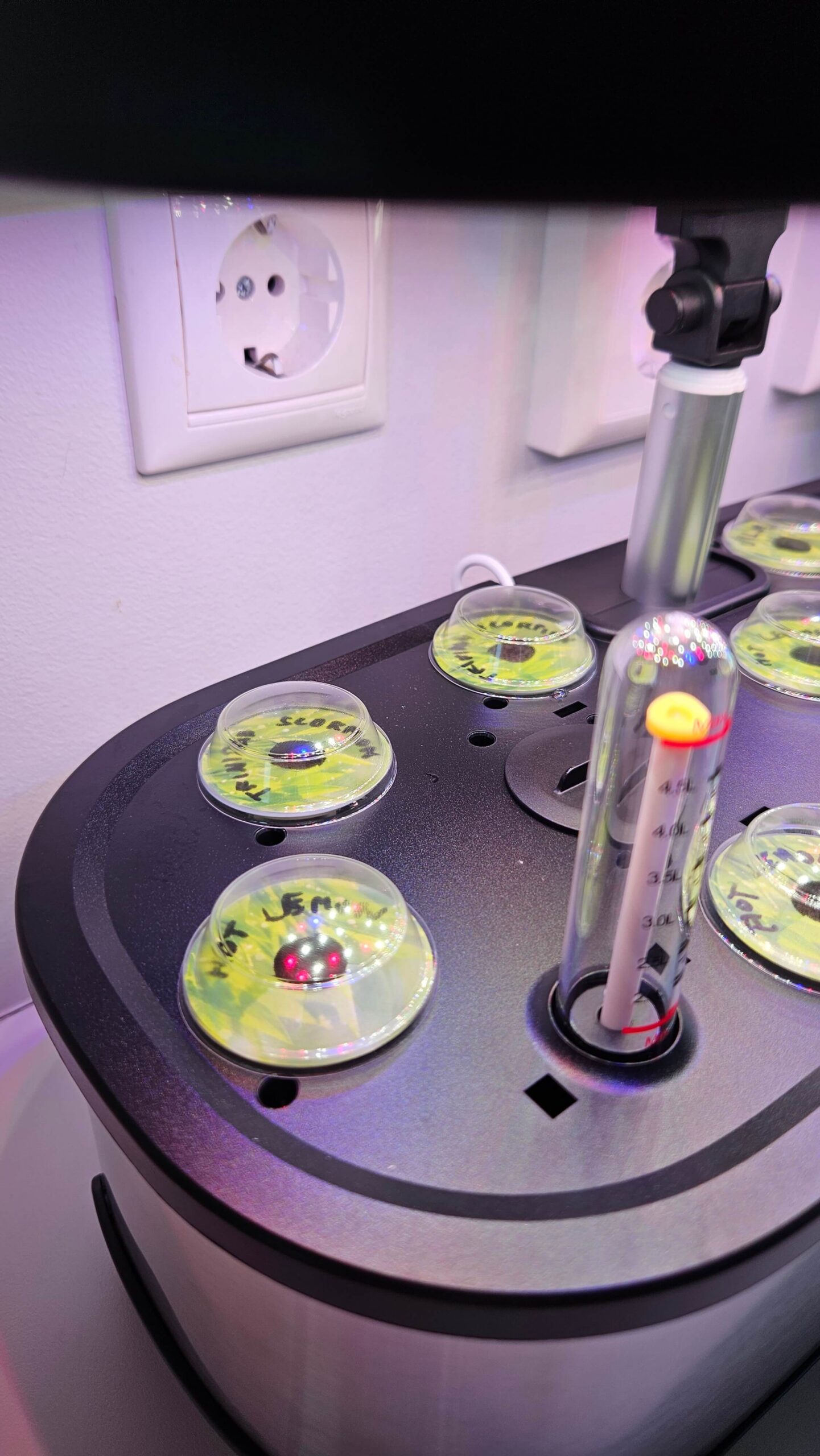
Feeding is a fix only when the other four conditions are already right. A chilli in dim, cold, wet compost does not need more fertiliser, it needs less water and more light. But a plant that has been in the same compost for 8 weeks or longer, with pale lower leaves and good light, is usually hungry. Fresh compost feeds a chilli for about 6 weeks, after that you feed weekly at half strength until flowering, then full strength.
What I did for the hydroponic plant: I measured EC with the LetPot meter and found 0,6 mS/cm after a top-up with plain water. Chillies want 1,8 to 2,2 mS/cm in the vegetative stage. Adding 10 ml of LetPot nutrients per 2 L brought the reading to 1,9 and the plant put on 4 cm in the following week. If you are not sure what EC means, our guide to EC in hydroponics and how much nutrient to add explains it in plain language.
Cause 6: transplant shock
Transplant shock is a growth pause of 7 to 14 days after repotting, moving the plant to a new room, or a sudden jump in light. It looks alarming but needs no fix except patience. The mistake is to react with extra water or feed, which turns a pause into cause 3 or cause 5.
What I did: after repotting, I kept the plant at the same light distance and temperature for 10 days and watered only when the top 3 cm was dry. Growth restarted on day 9. If you move a chilli from a window to a grow light, start the lamp at 40 cm and lower it 5 cm every 3 days to avoid scorched leaves.
Cause 7: a slow variety, or the wrong season
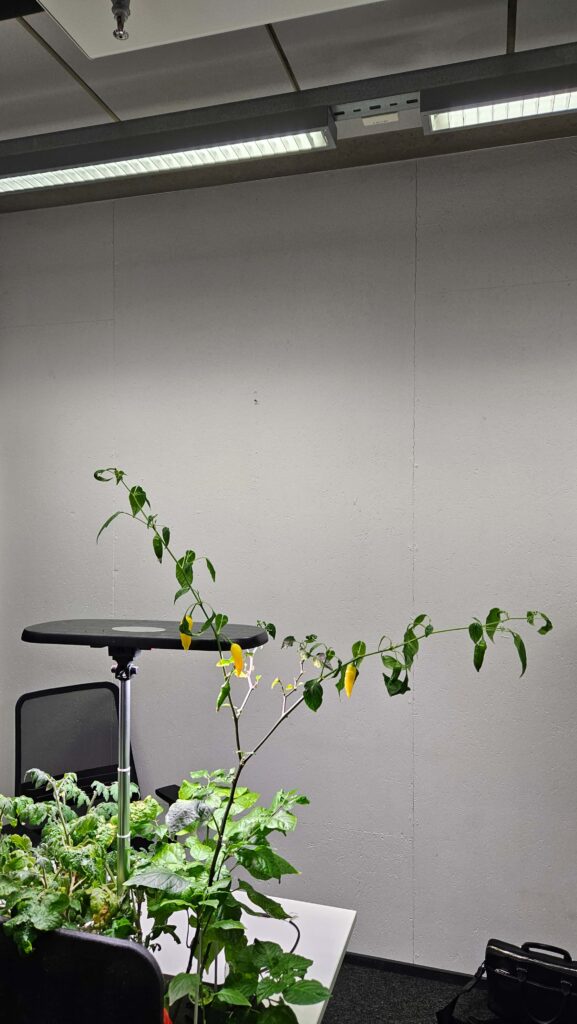
Some chillies are simply slow. Habanero types and other Capsicum chinense can take 120 to 150 days from sowing to first ripe fruit, while a cayenne type such as Ardito H is ready in around 90 days. Growth also slows naturally from October to February at our latitude even under good conditions, and that is normal rather than a problem. If you sowed in autumn without a grow light, the plant is waiting for spring.
What I did: for the 2026 test I chose a cayenne-type hybrid rated 30 000 to 50 000 SHU because it stays under 60 cm and fruits early. If your plant is a large-fruited or superhot variety, give it a 100 W light and 4 months rather than expecting results in 6 weeks. Our chilli pepper seeds list the days to harvest for each variety.
Which fix to try first: a 10-minute decision table
| Symptom | Most likely cause | 10-minute fix | Tool we used |
|---|---|---|---|
| Pale, stretched stem, tiny new leaves | Light under 12 h/day | Move under a grow light, 14 h timer | Grow light (see category link below) |
| Healthy-looking but frozen for weeks | Nights below 15 °C | Move 40 cm off the sill, check with a thermometer | Thermometer, or EC meter with temperature readout, €69.00 |
| Compost damp for days, lower leaves yellow | Overwatering | Stop watering until top 3 cm is dry | Your finger |
| Roots circling, dries out daily | Pot too small | Repot one size up | Next-size pot |
| Good light, pale lower leaves after 8 weeks | Hungry | Feed to EC 1,8 to 2,2 mS/cm | LetPot nutrients, €17.99 |
| Stopped right after repotting | Transplant shock | Wait 10 days, change nothing | Patience |
| Everything correct, still slow | Slow variety or winter | Choose an early cayenne type next time | Ardito H seeds, €2.49 |
The order matters because the causes chain together. Weak light means slow water use, slow water use means wet compost, wet compost means weak roots. Fix light and temperature first, then watering, and only then think about feeding. If your plant is growing but dropping its flowers, that is a different problem and I cover it in chilli flowers falling off.
Frequently asked questions
How long does a chilli plant take to start growing again after a fix?
In my 2026 test, light fixes showed new leaves in 7 to 9 days, temperature fixes in about a week, and watering fixes in 2 to 3 weeks because the roots have to recover first.
How many hours of light does an indoor chilli need?
12 to 14 hours a day. Below 8 hours the plant will hold but not grow. Keep a dark period of at least 8 hours, a 24-hour light schedule does not help.
What temperature stops chilli plants growing?
Growth slows sharply below 15 °C at night and stops around 12 °C. Above 30 °C fruit set drops. The comfortable range is 18 to 26 °C.
Should I fertilise a chilli plant that is not growing?
Only if light, temperature and watering are already right and the plant has been in the same compost for more than 6 weeks. Otherwise feeding adds salt stress to a plant that cannot use it.
Can I grow chillies in a smart garden all year?
Yes. A 12-pod hydroponic garden with its own LED gives 14 hours of light and 20 to 24 °C water regardless of the season, which removes causes 1, 2 and 3 at once. My LetPot Senior plant reached 35 cm in 10 weeks in February.
Why is my chilli seedling not growing after germination?
Seedlings stall for the same reasons as mature plants, but light is usually the culprit. Keep seedlings 10 to 15 cm under a lamp at 16 to 18 °C and move them to their own 9 cm pot once they reach 2 to 3 cm tall.
If you want to fix this today
Start with light and warmth, because they solve most cases in under two weeks. If you would rather remove the guesswork entirely, a smart garden gives your chilli 14 hours of LED and warm roots automatically, and a bottle of LetPot hydroponic nutrients covers feeding for about 6 months. Both ship from our Tallinn warehouse across the EU.