If you’ve ever wanted to grow your own chillies at home, you’re in the right place. At IndoorGarden, I’ve seen how rewarding it is to harvest your own fresh peppers—especially when you understand what chillies actually need to grow well indoors. This guide walks you through the full journey, from seeds to harvest, in a simple and practical way.
Chillies are one of the best plants for indoor gardening. They grow compactly, produce continuously, and thrive in controlled environments. But they also have specific needs—especially when it comes to light, warmth, and nutrients. Once you get these right, everything becomes much easier.
Why Chillies Are Perfect for Indoor Growing
Chilli plants naturally prefer warm and stable environments. That makes them a great fit for indoor setups, especially in Northern Europe where outdoor growing seasons are short. Indoors, you can control light, temperature, and watering—three things that most beginners struggle with outside.
According to the University of Minnesota Extension, peppers grow best in temperatures between 21–29°C and require consistent warmth to produce fruit (source). This is exactly what indoor growing setups provide.
- Year-round growing (no seasonal limits)
- Better control over plant health
- Cleaner, more compact growing
- Higher success rate for beginners
Choosing the Right Chilli Seeds
Not all chilli varieties grow equally well indoors. Smaller, compact plants are easier to manage and produce reliably in limited space. For beginners, I always recommend starting with varieties that are known for indoor success.
Good beginner-friendly options include:
- Cherry chilli varieties
- Small cayenne types
- Compact ornamental chillies
You can explore suitable options in our chilli pepper seeds selection, which is curated specifically for indoor growing conditions.
How to Grow Chillies from Seeds
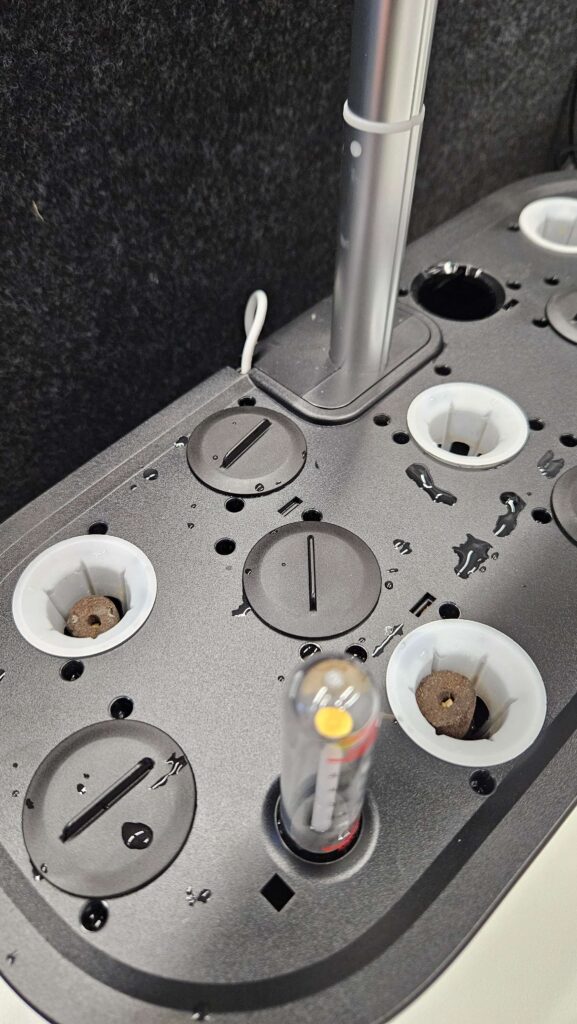
Growing chillies from seeds is straightforward, but timing and conditions matter. Pepper seeds need warmth to germinate, and they can take longer than herbs or greens.
Step-by-step:
- Start seeds in a warm environment (22–28°C)
- Keep soil or growing medium slightly moist, not wet
- Expect germination in 7–21 days
- Provide light immediately after sprouting
If temperatures are too low, seeds may fail to germinate. The Royal Horticultural Society also highlights that peppers require consistently warm conditions during early growth (source).
Light: The Most Important Factor
If there is one thing that determines success with chillies, it is light. Most indoor failures happen because plants simply don’t get enough of it.
Chillies need strong, direct light for at least 12–16 hours per day. A windowsill is often not enough, especially during autumn and winter in Estonia or other Northern regions.
That’s why many beginners use LED grow lights for indoor plants or switch to smart gardens that automate lighting completely.
Keep the light source close to the plant (around 10–20 cm depending on intensity). If plants become tall and weak (leggy), it’s a clear sign they need more light.
Watering and Nutrients
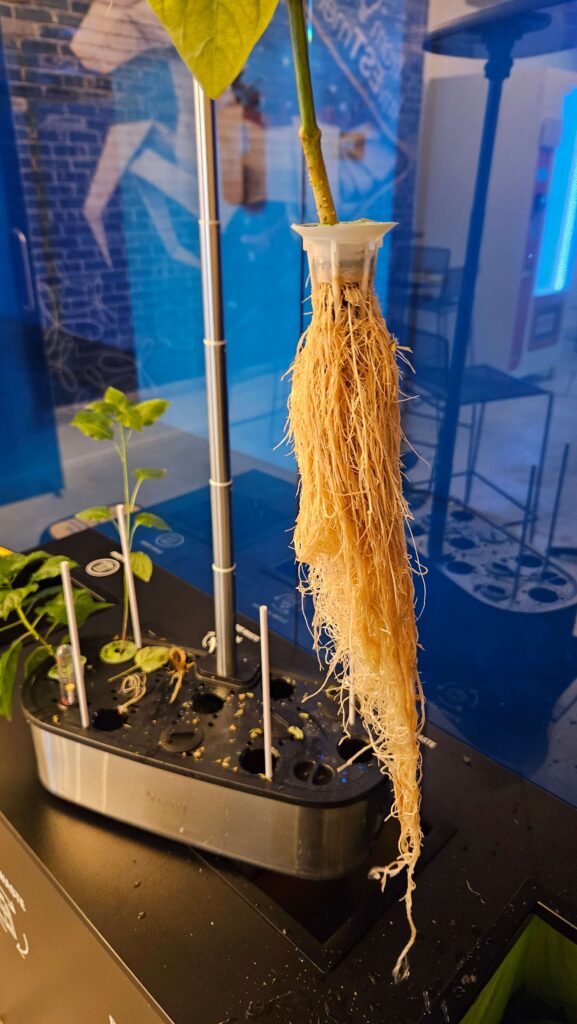
Watering is where most beginners make mistakes. Chillies do not like constantly wet roots. Overwatering reduces oxygen in the root zone and slows growth.
- Water when the top layer feels dry
- Avoid standing water in pots
- Ensure good drainage
During growth, chillies also need nutrients. Early stages require more nitrogen for leaf growth, while flowering and fruiting stages need more potassium and phosphorus.
If you’re growing in a hydroponic system or smart garden, nutrients are typically added to water in controlled amounts, making the process simpler and more consistent.
Temperature and Environment
Chillies are warm-climate plants. They grow slowly or stop completely if temperatures drop too low.
- Ideal range: 21–29°C
- Avoid drafts and cold windows
- Keep conditions stable
Sudden changes in temperature can cause flowers to drop before they turn into fruit. Stability is more important than perfection.
Flowering, Pollination, and Fruiting
One of the most common questions is: “Why does my chilli plant flower but not produce fruit?”
Indoors, pollination does not happen naturally because there is no wind or insects. You can solve this easily:
- Gently shake the plant
- Use a soft brush to transfer pollen
- Ensure good airflow
Once pollinated, flowers develop into chillies. If flowers keep falling off, check light, temperature, and watering conditions.
Common Problems (and How to Fix Them)
Here are the most frequent issues beginners face:
- Leaves turning yellow – often overwatering or nutrient imbalance
- No fruit – insufficient light or lack of pollination
- Slow growth – low temperature or weak lighting
- Small peppers – inconsistent watering or lack of nutrients
Most problems are not caused by one single factor but by a combination of small imbalances. Adjust one variable at a time and observe how the plant responds.
Harvesting Your Chillies
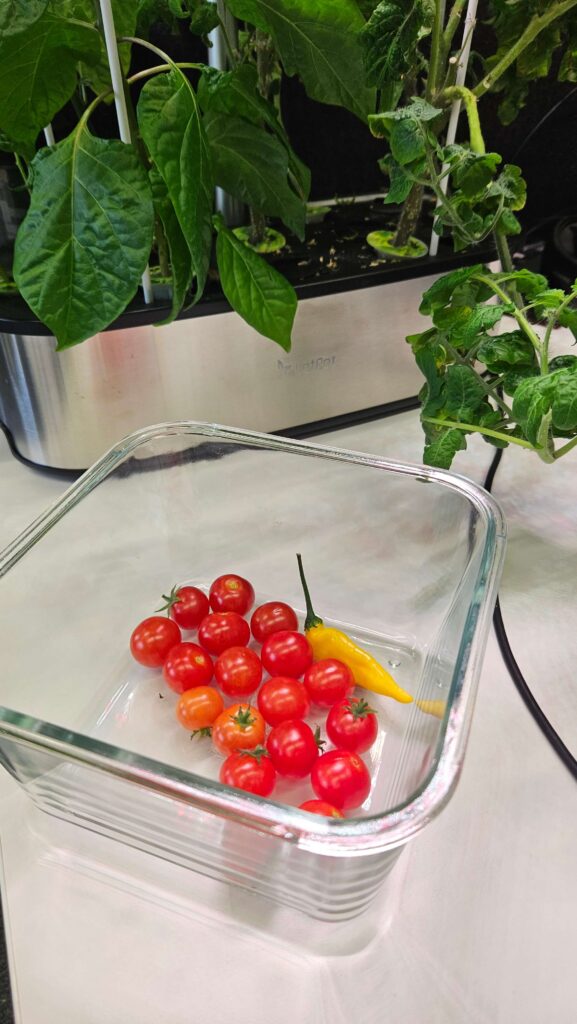
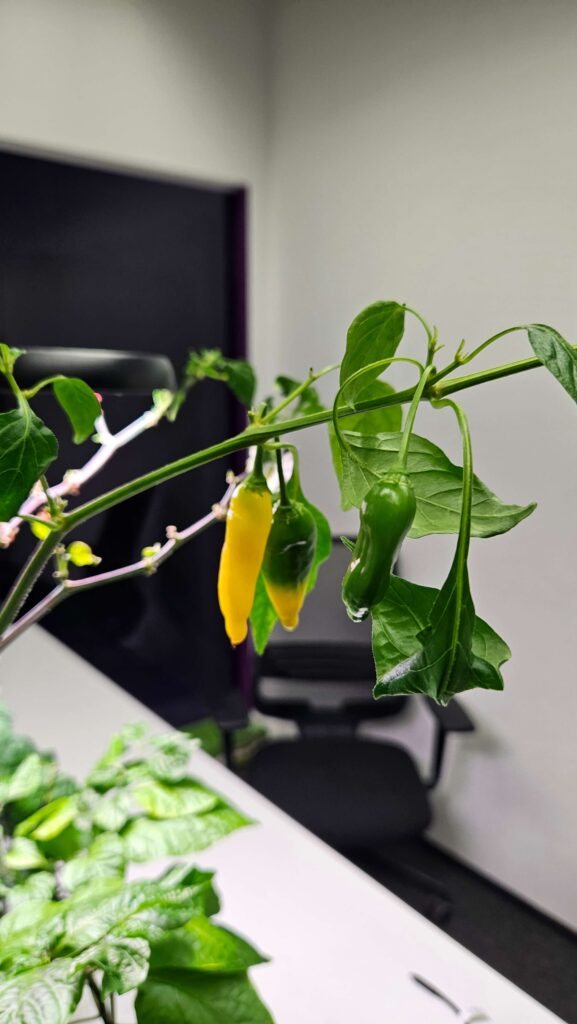
Chillies can be harvested at different stages depending on your preference. Most varieties change color as they ripen, often from green to red.
- Harvest early for milder flavor
- Wait longer for more heat and sweetness
- Regular harvesting encourages more fruit production
According to growing guides, chilli plants can produce continuously if conditions remain stable and nutrients are maintained (source).
Indoor Growing Made Easier
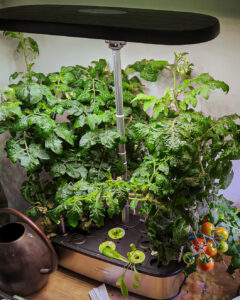
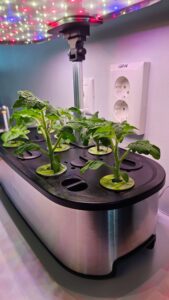
If you want the simplest path to success, many beginners start with controlled systems. At IndoorGarden, we see that growers who use mini smart gardens or larger systems avoid most beginner mistakes.
These systems automate lighting, watering, and nutrients, making it easier to focus on plant growth rather than constant adjustments.
Final Thoughts
Growing chillies at home becomes much easier once you understand the basics: strong light, consistent warmth, balanced watering, and proper nutrients. Most beginners struggle at first, but small adjustments quickly lead to better results.
If you’re just getting started, choose reliable chilli pepper seeds, give your plants enough light, and keep conditions stable. From there, everything builds naturally.