Timing is one of the most common points of confusion for anyone starting seeds indoors for the first time. Start too early and seedlings outgrow their containers before it is warm enough to move them outside. Start too late and you miss weeks of productive growing time. The good news is that once you understand what drives the timing decisions, it becomes straightforward — and for growing indoors year-round, many of the traditional timing rules stop applying altogether.
The Basic Principle Behind Seed Starting Timing
For outdoor growing, seed starting timing is counted backwards from your last expected frost date. If you want to transplant tomatoes outside in late May, and tomatoes need six to eight weeks indoors to reach transplant size, you start them in late March or early April. This backwards-counting approach applies to most fruiting vegetables that benefit from a head start indoors before the outdoor season begins.
For indoor growing — herbs on a windowsill, greens in a vertical planter, or a year-round setup under grow lights — the outdoor frost calendar is largely irrelevant. You can start seeds at any time of year as long as you can provide adequate warmth and light. The main seasonal constraint for indoor growing in Northern Europe is winter light. Between November and February, natural light from a window is usually insufficient for most seedlings to grow well without supplemental lighting.
When to Start Different Crops
Different plants have different lead times from seed to a useful, harvestable size. Understanding this helps you plan what to start and when.
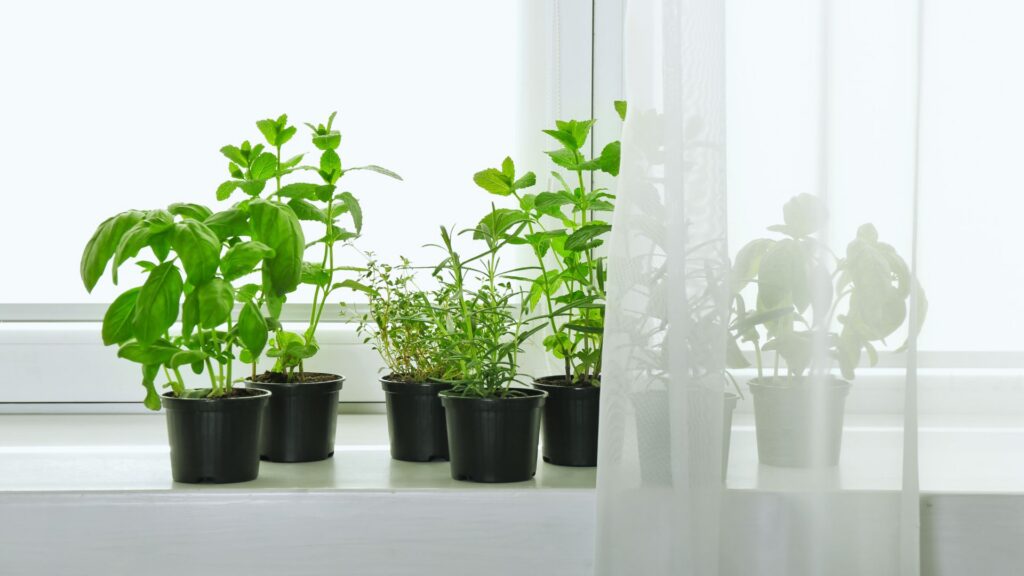
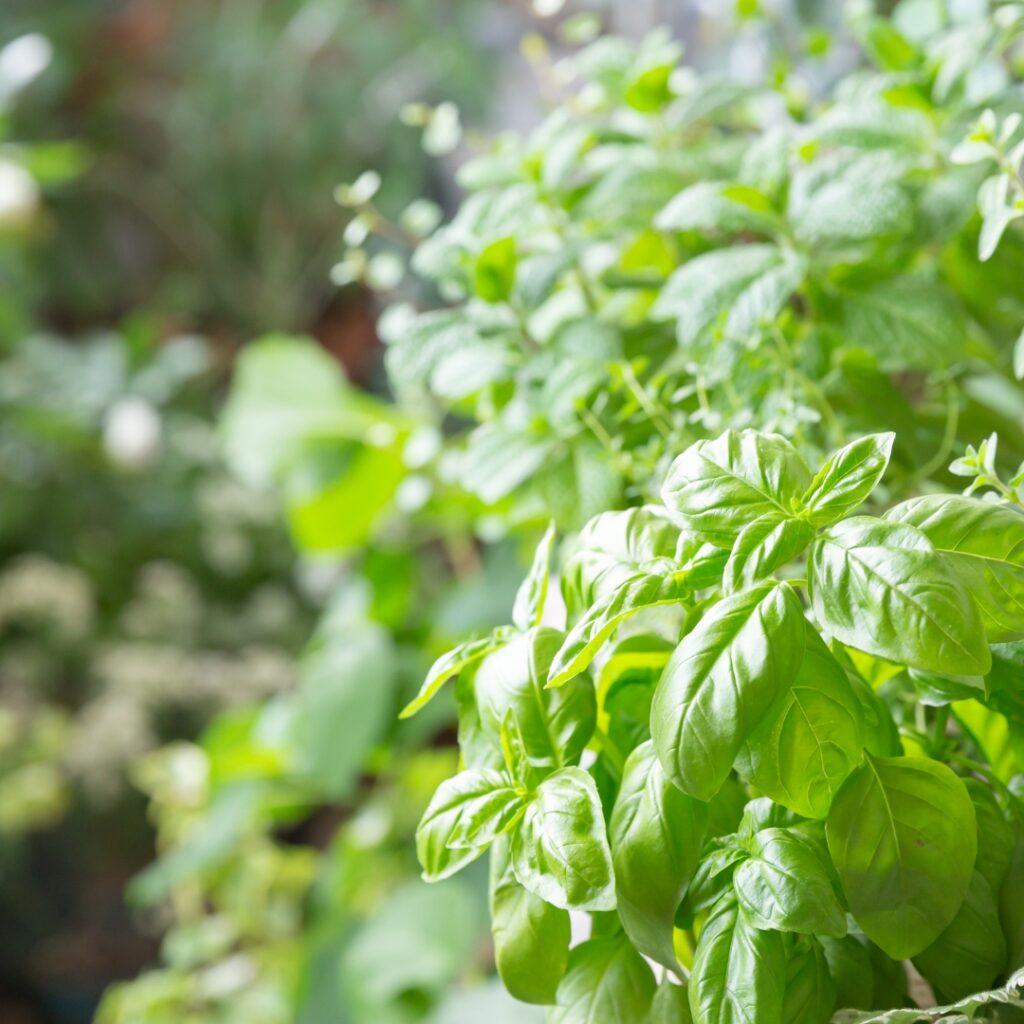
Herbs like basil, parsley, chives, and coriander typically take three to six weeks from sowing to reach a size where you can start harvesting. Basil is one of the slowest to establish and dislikes cold — it germinates best at soil temperatures above 20°C and struggles in cool windowsill conditions in early spring. Chives and parsley are more forgiving and can be started earlier. Herb seeds can be started at almost any time of year indoors — choosing the right seeds for your indoor garden matters as much as timing. With adequate light and warmth.
Lettuce and leafy greens are among the fastest crops from seed to harvest — many varieties are ready to cut within three to four weeks of germination. They also tolerate cooler conditions better than most crops, which makes them ideal for starting in early spring or late summer when temperatures are mild. Lettuce and leafy green seeds are a good choice for anyone who wants quick results from a new indoor setup.
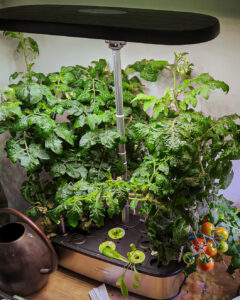
Tomatoes need the longest lead time of any common indoor crop. They take six to eight weeks from sowing to reach a size suitable for moving to a larger container or transplanting outdoors. For outdoor growing in Estonia and the Baltic region, tomatoes should be started indoors in late March to mid-April. For indoor growing under lights, timing is more flexible, but expect a longer wait before the first fruit. Choose compact or dwarf varieties for container growing and check the days-to-maturity figure on the seed packet. Browse tomato seeds for varieties suited to containers and indoor conditions.
Chilli peppers take even longer than tomatoes to produce fruit — some varieties need twelve to sixteen weeks from sowing before they flower, and more time again before fruit develops. For this reason, chilli peppers should be started earlier than tomatoes, ideally in February or early March for outdoor growing. Indoors under lights they can be started at any point, but factor in the long lead time before harvest. Chilli pepper seeds reward patience — established plants can produce fruit for two or more years if brought indoors before frost each autumn.
Strawberries grown from seed are a longer-term investment than most food crops. They take several months from sowing to produce their first fruit, and the first year’s harvest is often modest while the plant establishes. Starting strawberry seeds in January or February gives plants the longest possible growing season in their first year. Everbearing varieties are the best choice for indoor and container growing as they produce fruit continuously rather than in a single flush.
Microgreens sit outside the normal timing conversation entirely. They go from seed to harvest in seven to fourteen days and can be grown in a shallow tray at any time of year with minimal light requirements compared to full-size plants. Microgreen seeds are the best option if you want a harvest measured in days rather than weeks.
What Conditions Do Seeds Actually Need to Germinate?
Seeds need three things to germinate: moisture, warmth, and in most cases oxygen. Light is not required at the germination stage — in fact most common vegetable and herb seeds germinate in darkness and only need light once the shoot breaks the soil surface.
Soil temperature is the most critical and most often overlooked factor. Most common herbs and vegetables germinate best at soil temperatures between 18 and 24°C. Air temperature and soil temperature are not the same thing — a room that feels comfortable at 20°C may have windowsill soil sitting at 14 or 15°C, which slows germination significantly or prevents it entirely. If germination is taking much longer than the seed packet suggests, cold soil is usually the reason. A heated propagation mat or a purpose-built seed starter kit with a heated base solves this directly.
Moisture needs to be consistent. The growing medium should stay evenly damp throughout the germination period — not waterlogged, not drying out between checks. The simplest way to maintain this is to cover the container with a clear lid or plastic film until germination occurs, which traps humidity and reduces the frequency of watering needed. Remove the cover as soon as seedlings emerge to prevent fungal issues.
The Role of Light After Germination
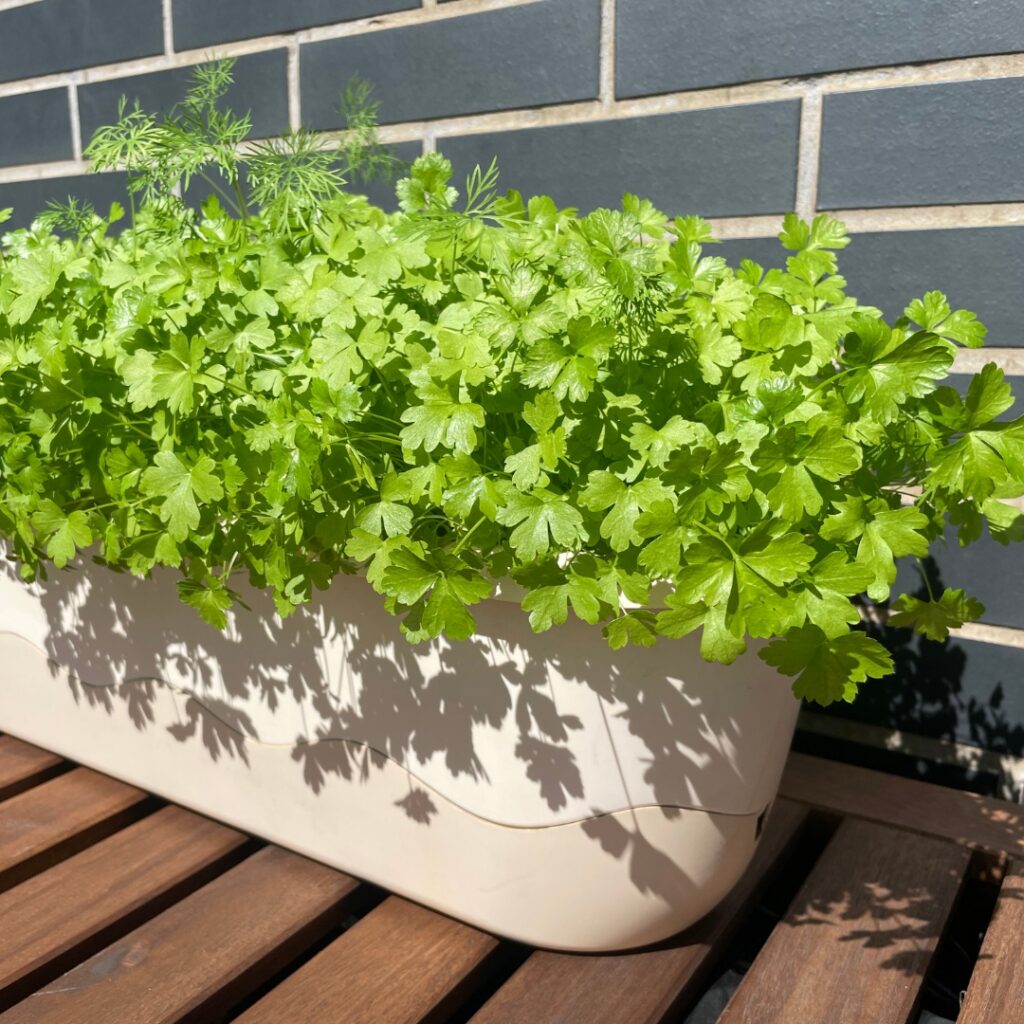
Once seeds germinate, light becomes the most important factor. Seedlings that do not receive adequate light within the first day or two of emergence will stretch rapidly toward the nearest source — a phenomenon called etiolation. Etiolated seedlings develop long, weak stems that never fully recover their structural strength, even if light conditions improve later. This is one of the most common reasons beginner-grown seedlings look spindly and disappointing.
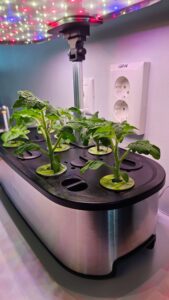
To prevent this, seedlings need to be placed in the brightest available position immediately after germination — either a very bright south-facing window, or under a grow light set to run for 14 to 16 hours per day. In winter in Northern Europe, a windowsill alone is rarely sufficient. Even on a bright day in January, the light intensity and duration through a window is significantly below what most seedlings need to develop properly.
Choosing the Right Growing Medium
The growing medium you use for seed starting matters more than most beginners expect. Garden soil and heavy potting mixes compact in small containers, hold too much moisture around delicate roots, and often carry fungal spores that cause damping off. A purpose-made indoor potting mix designed for containers gives seeds the light, airy structure they need without the risks associated with outdoor soil.
Sow seeds at the correct depth — the general rule is twice the diameter of the seed. Tiny seeds like basil, lettuce, and most herbs should barely be covered at all, just pressed gently into the surface. Sowing too deep is a very common mistake: the seed exhausts its energy reserves pushing toward the surface and either emerges too weak to thrive or fails to emerge at all.
Common Seed Starting Mistakes and How to Avoid Them
Starting too early. Enthusiasm leads a lot of beginners to start seeds weeks before conditions are ready for them. Seedlings started too early outgrow their containers, become root-bound, and often deteriorate before they can be moved outside or transplanted. Follow the timing guidelines for each crop and resist the urge to start everything in January.
Cold soil. As covered above, soil temperature below 18°C significantly delays or prevents germination for most common crops. If your home is cool or you are starting seeds in early spring, find a warm spot for germination — the top of a refrigerator, a warm shelf away from windows, or a propagator with bottom heat.
Overwatering. More seedlings are killed by overwatering than by any other cause. Waterlogged soil drives out oxygen, suffocates roots, and creates the conditions for damping off — the fungal condition that causes seedlings to suddenly collapse at soil level. Water when the top of the growing medium is starting to dry out, not on a fixed schedule. Bottom watering, where you place the container in a shallow tray of water and let it absorb from below, is more consistent and gentler than watering from above.
Not enough light after germination. Covered above, but worth repeating: weak, leggy seedlings are almost always a light problem. Get seedlings into the brightest available position the moment they emerge and keep them there.
Sowing too many seeds at once. It is tempting to sow an entire packet at once, but you will end up with more seedlings than you can manage or find space for. Sow in small batches — a few seeds every two to three weeks — to give yourself a continuous supply rather than a single overwhelming flush.
Skipping labels. A flat of identical seedlings with no labels is a genuine problem. Basil and chilli pepper seedlings look very similar in their first weeks. Write the variety and sowing date on a label every time you sow, without exception.
Forgetting to feed. Most potting mixes include enough nutrients for the first three to four weeks. After that, nutrients deplete and growth slows noticeably. Starting a diluted weekly liquid feed once seedlings have their first true leaves keeps growth steady. The fertilisers for indoor plants category has options suitable from the seedling stage onward.
Transplanting too early. Moving seedlings to a larger container or outdoors before they are established enough sets them back significantly. Wait until seedlings have at least two to three sets of true leaves and a visible root system before transplanting. Handle roots as gently as possible during the move.
A Simple Timing Summary
- Microgreens: any time, harvest in 7–14 days
- Lettuce and leafy greens: any time indoors, 3–4 weeks to first harvest
- Herbs: any time indoors with warmth and light, 3–6 weeks to first harvest
- Tomatoes: late March to mid-April for outdoor season; any time indoors under lights
- Chilli peppers: February to early March for outdoor season; any time indoors under lights
- Strawberries: January to February for longest first-year season
Conclusion
Getting the timing right for indoor seed starting is mostly about understanding what each crop needs and counting backwards from when you want results. For year-round indoor growing, consistent warmth, adequate light, and the right growing medium matter far more than the calendar date. Start small, label everything, avoid overwatering, and give seedlings strong light from the moment they emerge. Those four habits alone solve the majority of beginner seed starting problems. Browse the full range of seeds for indoor growing to plan your first — or next — growing batch, and share what you are starting in the comments.