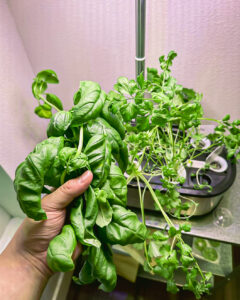

Are smart gardens worth it? For most households that cook with fresh herbs weekly, yes: a LetPot Mini costs €59 upfront and about €14 to run for 6 months in electricity, sponges and seeds, which is close to what 5-6 weeks of supermarket basil alone would cost in Estonia.
I’m Anna, and I track running costs for every system in our Tallinn test kitchen. Between March and September 2026 I logged actual electricity draw, sponge replacements and seed costs on a LetPot Mini and a LetPot Senior side by side, then compared the total to what the same herbs would cost from an Estonian supermarket over the same 6 months. This is that spreadsheet, not a marketing estimate: the two numbers that actually decide whether a smart garden is worth it for you are how often you cook with fresh herbs, and how many pods you keep full.
What we used — tested in our Tallinn test kitchen, ships from Estonia across the EU.
What a smart garden actually costs to buy
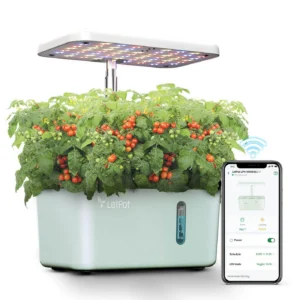
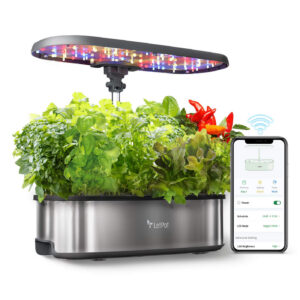
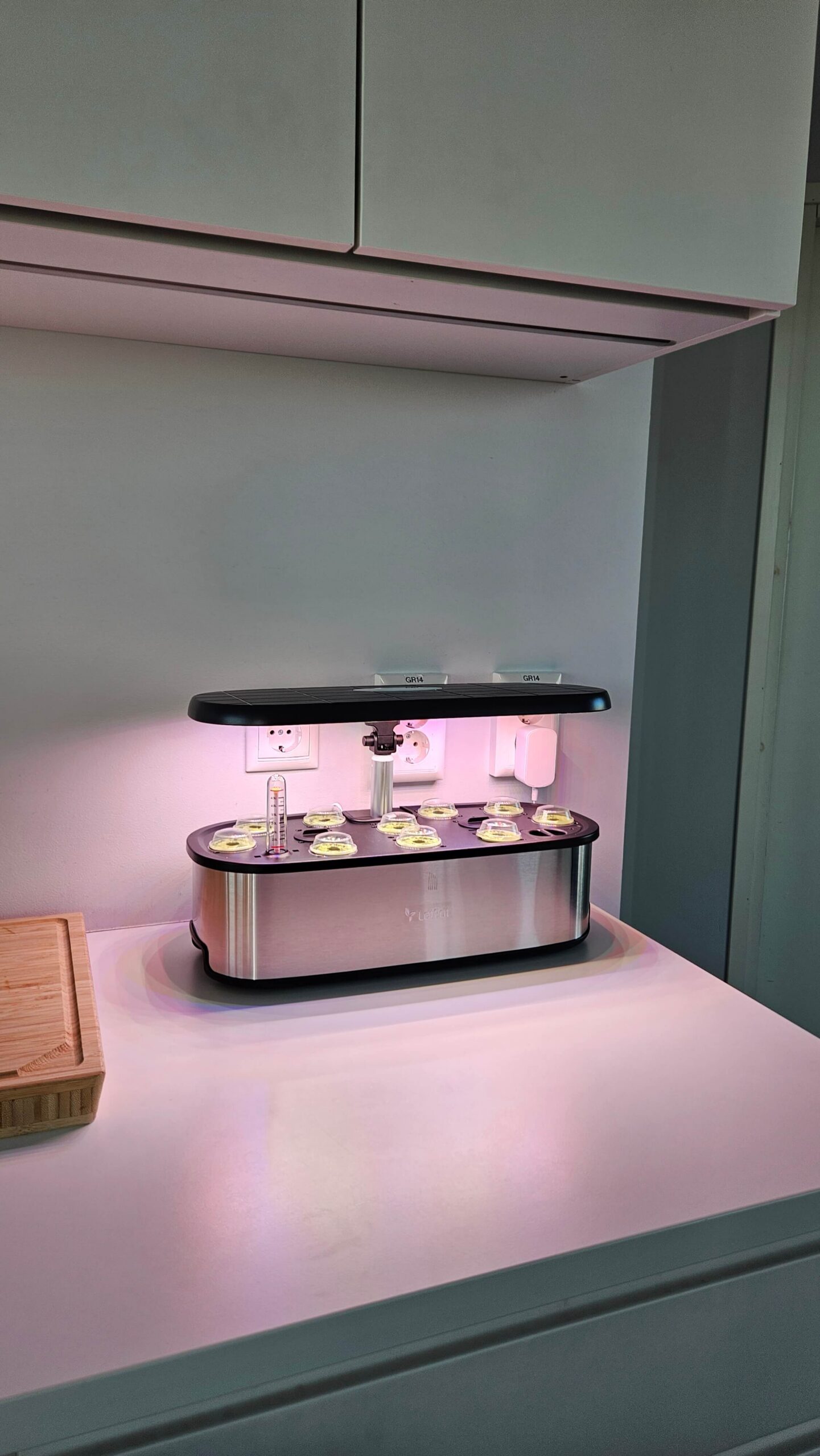
The purchase price is a one-time cost that scales with pod count and features. In our own range, a LetPot Mini with 5 pods is €59, the 10-pod Air is €89, the 12-pod Lite is €109, the stainless-steel LetPot Senior is €129, and the 21+2-pod Max with automatic water and nutrient top-up is €249. None of that buys you a single harvest on its own — it buys the hardware that runs the light and pump on a schedule, which is where the real 6-month cost comes from. If you are still deciding between models, our full LetPot model comparison lines up pods, tank size and grow height side by side.
The 6-month running cost: electricity, sponges and seeds
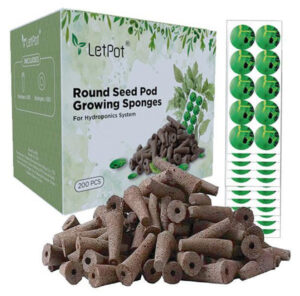
Electricity is the biggest recurring cost, and it is smaller than most people expect. The Mini’s 10 W LED on a 16-hour daily schedule uses about 0.16 kWh a day, or roughly 28.8 kWh across 6 months. At the EU household average of about €0.25 per kWh, tracked by Eurostat, that comes to about €7.20 for half a year. The Senior’s 24 W panel on the same schedule runs close to €17 over 6 months. Add replacement sponges — a 200-piece pack of grow sponges costs €24.99 and covers years of refills, so 6 months of replanting 5 pods roughly 2-3 times only uses about €2 worth of the pack. Seeds add another €4-5 for 2-3 packets covering multiple sowings of different herbs. Add it up and a Mini costs about €14 to run for 6 months, on top of the €59 hardware.
Smart garden vs supermarket herbs: the break-even math
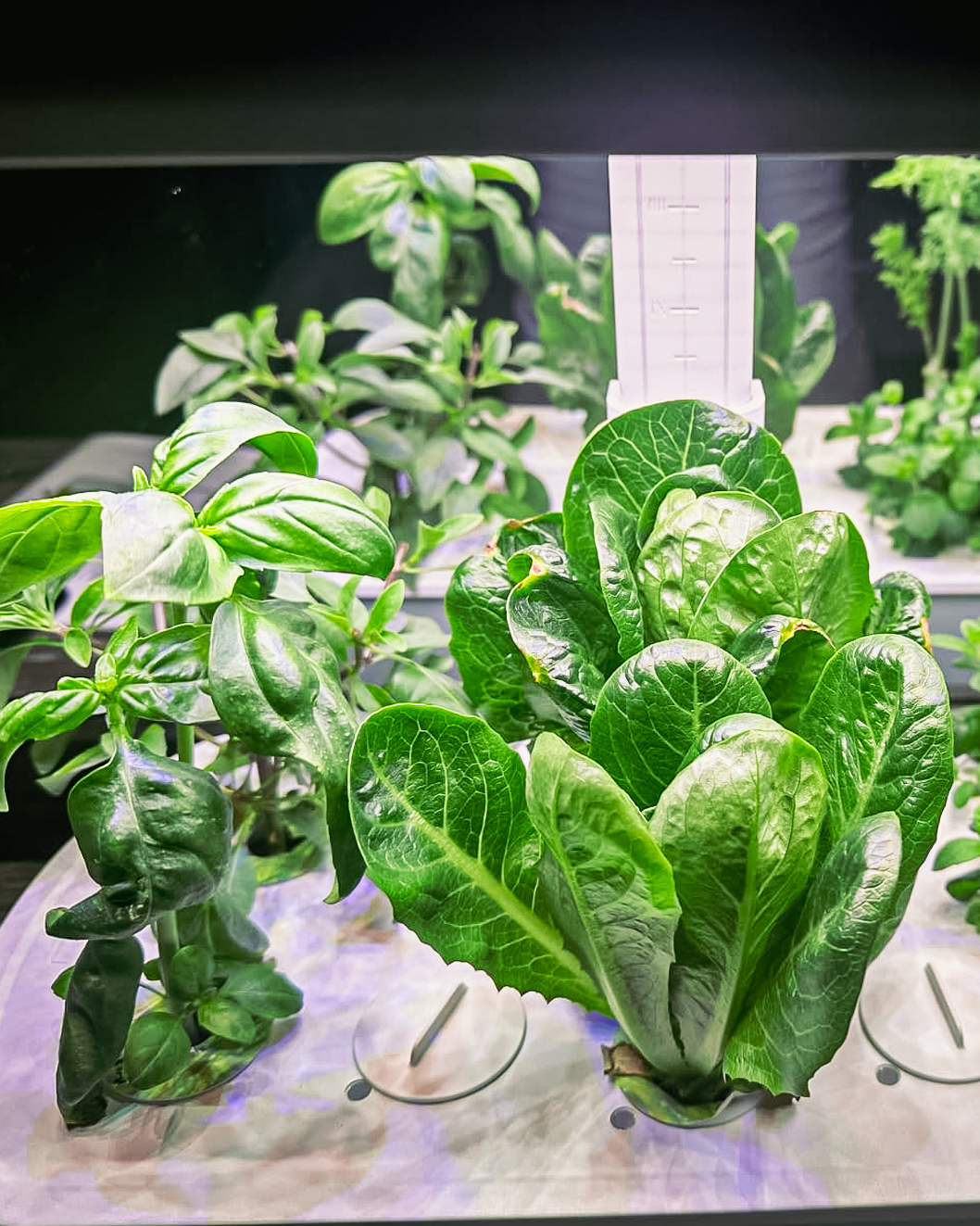
A bunch of fresh basil in an Estonian supermarket runs about €1.50-2.00. Buy one bunch a week for the 26 weeks in 6 months and you have spent €39-52 on a single herb, most of which wilts in the fridge before you use it all. A 5-pod Mini can run basil, parsley, coriander, chives and lettuce at the same time, so the fair comparison is 5 herbs bought weekly against one machine: at €1.75 average per bunch, that is roughly €227.50 over 26 weeks. Against the Mini’s €59 purchase plus €14 to run, the machine comes out around €154 cheaper in the first 6 months alone, and every 6 months after that it only costs the €14 in running expenses. The gap only closes if you are buying a single herb occasionally rather than cooking with several fresh ones every week.
What a smart garden gives you beyond the euro figure
Money is not the only variable. A hydroponic pod keeps producing rather than sitting in a fridge drawer, so you cut what you need for tonight and the plant keeps growing, which is the real source of the waste reduction people report. It also removes the seasonal problem: an Estonian windowsill in December gets a fraction of the light a basil plant needs, while the built-in LED runs the same 16-hour schedule year-round regardless of the weather outside. For a family that cooks several times a week, that reliability is worth more in practice than the euro figure suggests, because it replaces a recurring supermarket trip rather than a one-off purchase.
Where the investment doesn’t pay off
A smart garden is the wrong purchase in a few specific situations. If you only reach for fresh herbs once or twice a month, the €59-129 hardware cost will take years to break even against occasional supermarket bunches. If your kitchen already has a bright south-facing windowsill and you are happy with a soil pot, a smart garden solves a problem you do not have. It also depends on mains power running continuously, so a household with frequent long power outages should not treat it as fully self-sufficient. Finally, if you only want one or two plants rather than a rotation, a soil pot on a good windowsill is cheaper hardware than a 5-pod system you will not fill.
6-month cost breakdown table
| Cost item | LetPot Mini (5 pods) | LetPot Senior (12 pods) |
|---|---|---|
| Hardware (one-time) | €59.00 | €129.00 |
| Electricity, 6 months (16 h/day) | ~€7.20 | ~€17.00 |
| Sponges, 6 months (share of €24.99 pack) | ~€2.00 | ~€4.00 |
| Seeds, 6 months (2-4 packets) | ~€5.00 | ~€8.00 |
| Total running cost, 6 months | ~€14.00 | ~€29.00 |
| Total spent in first 6 months | ~€73.00 | ~€158.00 |
Frequently asked questions
Are smart gardens worth it for a single person living alone?
Only if you actually cook with fresh herbs several times a week. A single person using one or two herbs occasionally will likely spend less buying from the supermarket than running even a Mini, since the hardware cost takes longer to break even at low usage.
How much electricity does a smart garden use per month?
A Mini’s 10 W LED on a 16-hour schedule uses about 4.8 kWh a month, roughly €1.20 at the EU average electricity price. A Senior’s 24 W panel on the same schedule comes to about €2.90 a month.
Do I need to buy new sponges every time I replant?
Yes, one grow sponge per pod per planting, but a 200-piece pack lasts years across a 5-pod system, so the per-planting cost works out to a few cents rather than a meaningful ongoing expense.
Is a hydroponic smart garden cheaper than growing herbs in soil?
The hardware costs more upfront than a bag of compost and a pot, but a soil pot on a dim windowsill often fails to produce reliably through a Baltic winter, so the comparison depends on whether your soil-grown herbs actually survive and produce, not just their purchase price.
How long does it take for a smart garden to pay for itself?
For a household running most pods full and cooking with multiple fresh herbs weekly, our numbers show a Mini paying back its own hardware cost within the first 6 months compared with buying the same herbs from a supermarket. Light, occasional use takes much longer.
What happens to the running cost if I only grow one herb instead of filling all the pods?
The electricity and hardware cost stay the same regardless of how many pods you actually plant, so leaving pods empty makes the per-herb cost worse. Filling every pod is what makes the economics work in the machine’s favour.
If you want to fix this today
If you already know you will keep several pods full every week, the LetPot Mini pays back its own cost fastest of the models we tested. If you want more capacity from the start, browse the full smart gardens range and compare tank size and grow height before buying. For more ideas on which crops make the running cost work hardest for you, see our guide to the most profitable plants to grow indoors, and check our free indoor gardening tools for a light and nutrient calculator before you decide on a model.