Seeds for growing indoors succeed most reliably when the variety is matched to your room’s light and growing method, not picked at random off a shop shelf. After testing more than 30 varieties in our Tallinn test kitchen, we narrowed it down to 12 that germinate almost every time and reach harvest in 3 to 8 weeks, whether grown in a soil pot or a hydroponic smart garden.
I’m Anna, and I run the test kitchen at IndoorGarden. Over the past year we sowed dozens of seed packets side by side, some in pots on the windowsill, others in LetPot pods, and tracked which ones actually produced a harvest under Baltic light conditions and which just dried out or never germinated at all. This guide collects the 12 varieties that came through consistently, grouped by type so you can choose based on your own kitchen rather than guessing.
What we used — tested in our Tallinn test kitchen, ships from Estonia across the EU.
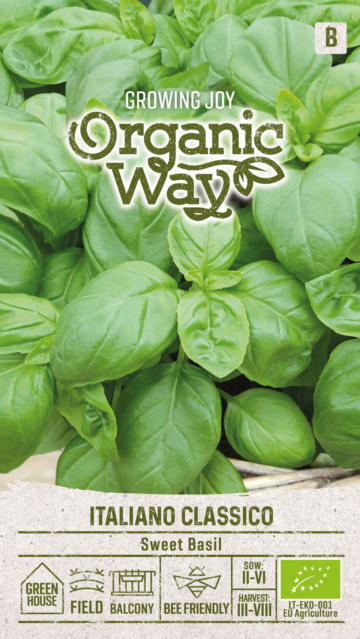
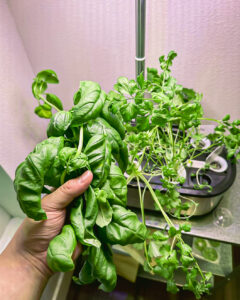
Organic Sweet Basil Italiano Classico Seeds | Aromatic Culinary Basil for Hydroponics & Smart Indoor Gardens
1,99 €Add to cart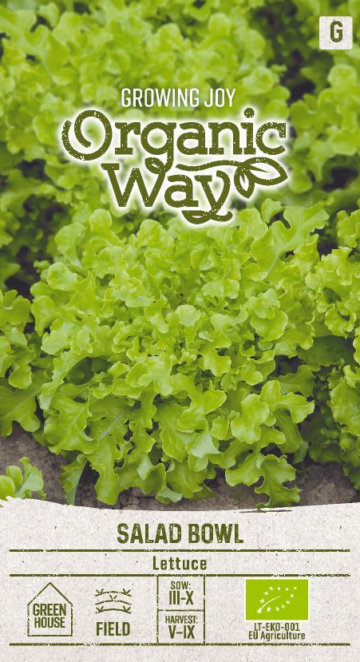
Organic Lettuce Salad Bowl Seeds | Fast-Growing Leaf Lettuce for Hydroponics & Smart Indoor Gardens
1,99 €Add to cart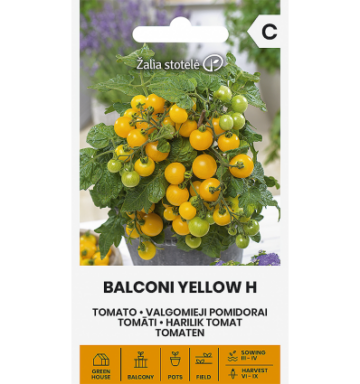
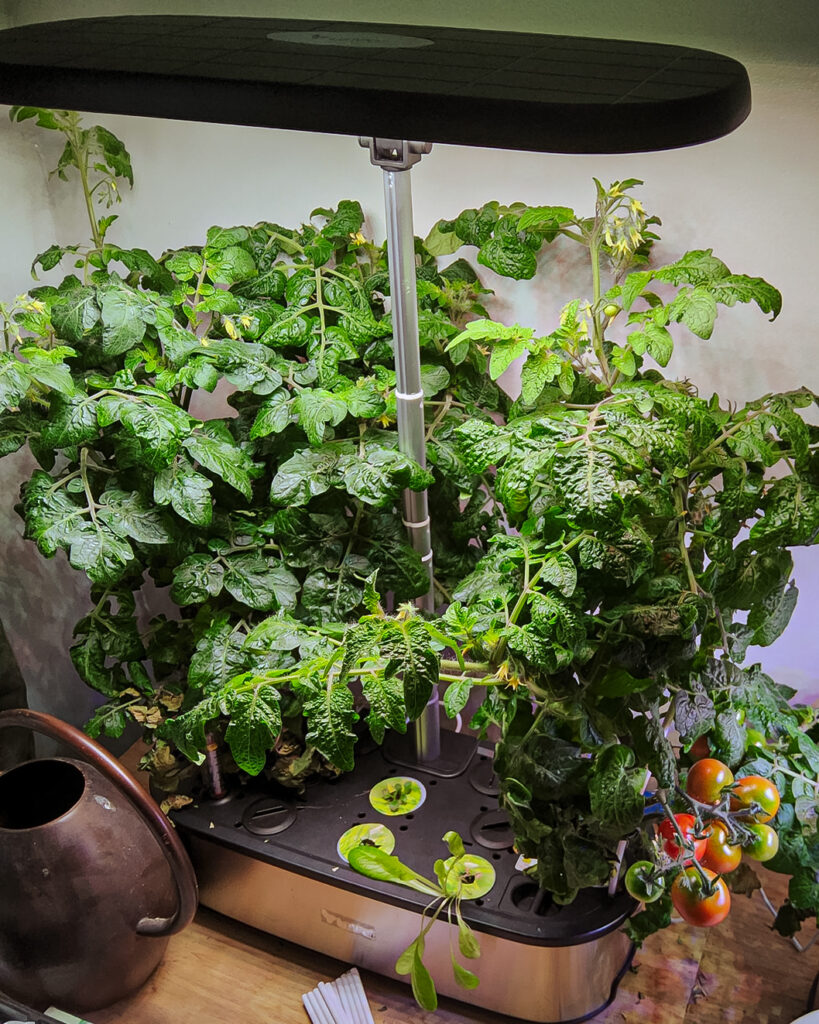
Tomato balconi yellow h – determinate balcony cherry tomato hybrid
1,49 €Add to cart
Why indoor seed varieties differ from outdoor ones
Not every seed variety that thrives in an outdoor vegetable patch suits an apartment. A standard outdoor tomato variety can grow to 1.5 m and topple a small pot, and a standard lettuce variety bolts to flower faster in a stable, temperature-controlled room than it would outdoors following a natural seasonal rhythm. Indoor growing favours compact, fast-maturing varieties that tolerate a steady 18-24°C and a limited amount of light. University of Maryland Extension recommends using fresh or properly stored seed for indoor sowing and following the recommended timing for each crop, since seeds sown too early grow tall, weak transplants that establish poorly afterwards.
12 reliable varieties for your first indoor harvest
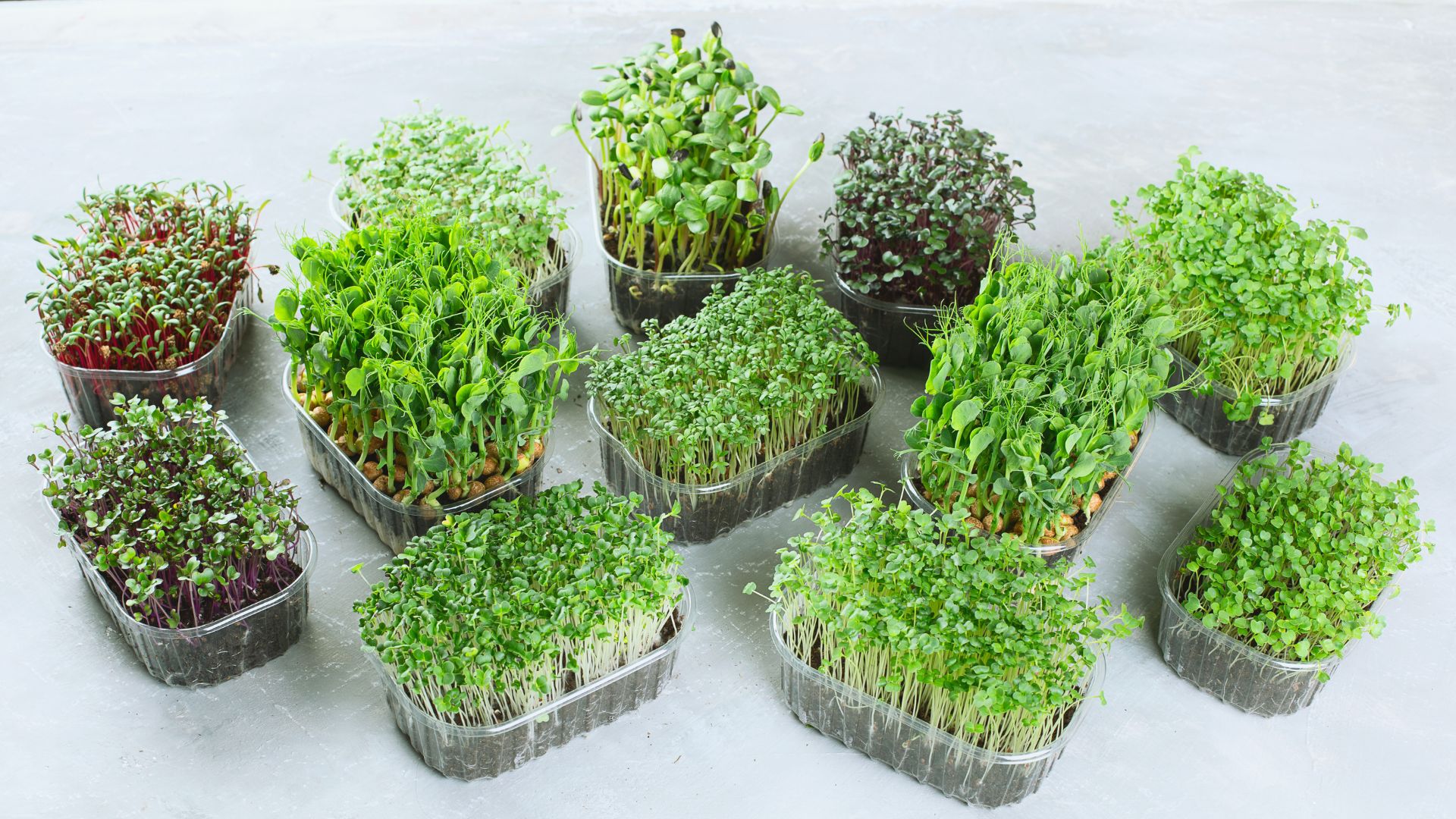
We split the varieties into three groups based on how they behave indoors. Vegetables and fruit for pots: dwarf tomatoes (such as Balconi Yellow, a compact balcony variety), cherry tomatoes, chilli peppers and wild strawberries all reach harvest in 8 to 12 weeks but need the most light of the twelve. Lettuce and leafy greens: leaf lettuce, rocket, spinach and microgreens (pea or radish) are the fastest group, reaching harvest in as little as 3 to 5 weeks, with microgreens ready to cut after just a week. Herbs: basil, parsley, dill and peppermint are the medium-speed group, rewarding you with a weekly harvest for several months from a single sowing if you pinch the tips regularly. Our Salad Bowl leaf lettuce seeds and Italiano Classico basil seeds were the two most reliable varieties across the whole test, both germinating within 4 to 6 days.
How to match seeds to your growing system
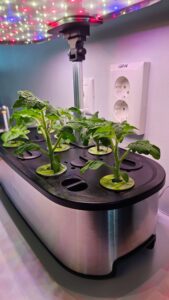
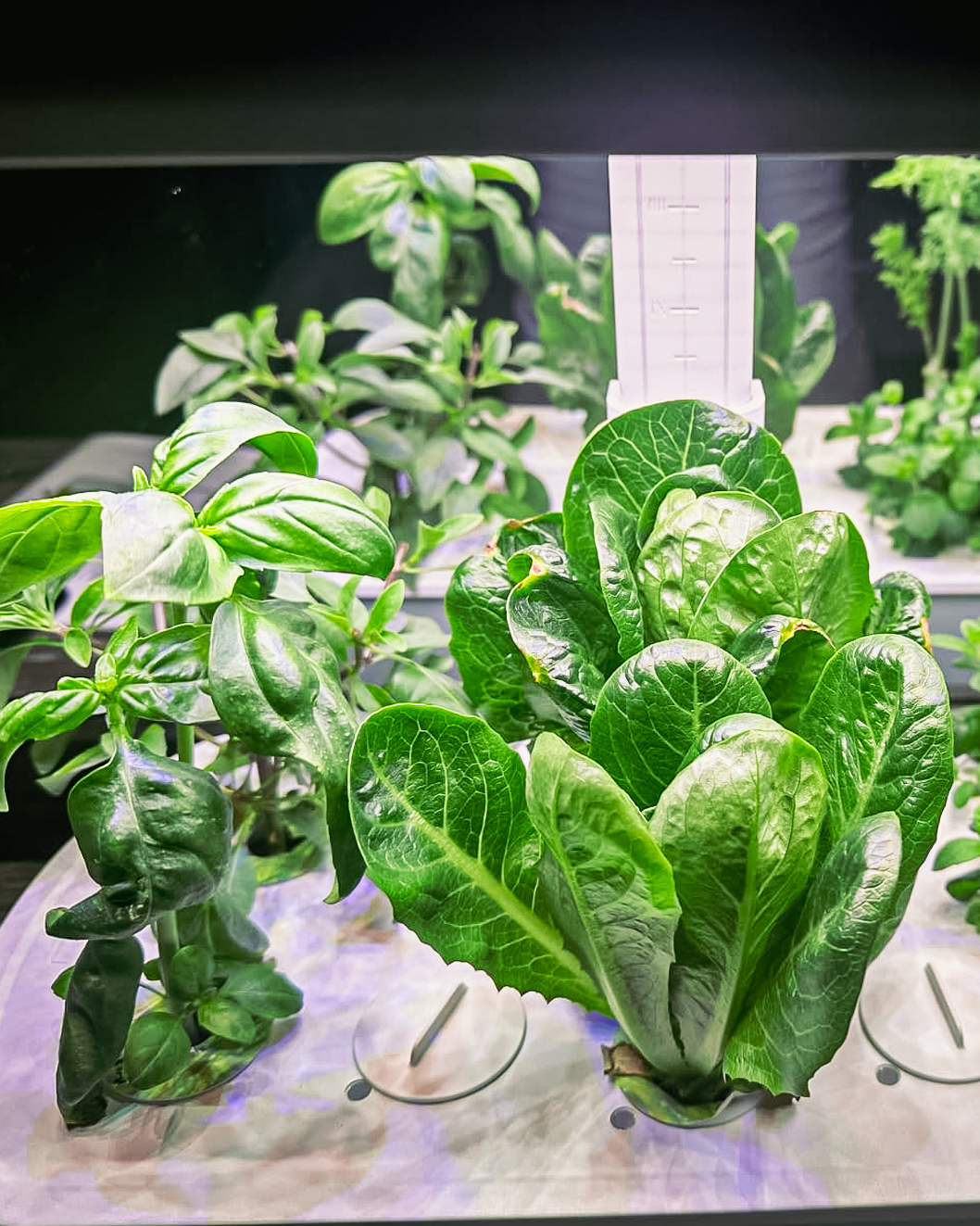
The system you sow into actually limits which size of variety is worth choosing. A hydroponic pod, such as a LetPot, takes 4 to 6 seeds per sponge and suits varieties that stay under 30 cm without extra support best, which is where leaf lettuce, basil and rocket feel most at home. A traditional pot on the windowsill takes a wider range, including taller tomato or pepper varieties, provided the pot is at least 15-20 cm deep. A germination tray or jar only suits microgreens and sprouting crops, where the harvest is cut after just 1 to 2 weeks, before the plant develops a real root system. Before sowing it’s worth checking the germination rate printed on the seed packet: fresh vegetable seeds usually stay viable for 2 to 4 years stored cool and dry, while onion-family and lettuce seeds lose viability faster, within 1 to 2 years.
Sowing step by step: from seed to seedling
Start by choosing the right growing medium. A hydroponic sponge needs no extra substrate, but in a pot a light, free-draining seed compost works far better than garden soil, which sits too dense and holds moisture too long on a windowsill. Plant the seed at roughly twice its own diameter in depth: fine lettuce or rocket seeds are barely covered at all, while tomato seeds go about 0.5 cm deep. Keep the substrate evenly moist but never waterlogged, since germination begins with water uptake and any drying-out period can stop it permanently. Most vegetable seeds germinate at 20-25°C substrate temperature within 4 to 10 days, and the process can take twice as long in a cooler spot. Once the first true leaves appear, not the initial heart-shaped seed leaves but the ones that follow and resemble the mature plant’s foliage, switch on a grow light or move the tray to the brightest spot you have; gentle light is enough before that point.
Common mistakes worth avoiding
The most common mistake is sowing too deep: bury a fine seed under a thick layer of substrate and the seedling simply runs out of energy before it reaches the surface. The second is constant overwatering, which suffocates the roots and rots the seed or young seedling before it has a chance to establish. Third is moving seedlings into direct sun or a strong grow light too close, too early, while they still only have two seed leaves, which can scorch the foliage. Fourth is sowing too densely: when every seed germinates in the same spot, the seedlings compete for light and grow thin and leggy, so it pays to thin them out, leaving only the strongest seedling per sponge or every 3-4 cm. RHS notes that herb seeds are particularly sensitive to overwatering at a young age, so it is better to sow more sparsely than too densely.
| Variety | Germination | Harvest from sowing | Price |
|---|---|---|---|
| Dwarf tomato Balconi Yellow | 7-10 days | 8-10 weeks | €1.49 |
| Leaf lettuce Salad Bowl | 4-6 days | 3-5 weeks | €1.99 |
| Basil Italiano Classico | 5-8 days | 5-7 weeks | €1.99 |
| Microgreens (pea, radish) | 2-4 days | 1-2 weeks | from €1.39 |
Frequently asked questions
Which seeds are easiest to germinate indoors for a beginner?
Leaf lettuce, rocket and microgreens are the most forgiving for beginners, since they germinate within days and tolerate minor watering or lighting mistakes better than tomatoes or peppers do.
Do the same seeds work for both a pot and a hydroponic garden?
Yes. The same variety germinates in soil and in a hydroponic sponge alike, only the growing medium and nutrient delivery differ, not the seed itself. The plant’s eventual size matters more for your choice than the growing method.
How long do seeds stay viable?
Most vegetable and herb seeds stay viable for 2 to 4 years when stored cool and dry. Lettuce and onion-family seeds lose viability faster, within 1 to 2 years, while tomato and chilli seeds can last 4 to 5 years.
Why didn’t my seeds germinate?
The most common causes are sowing too deep, the substrate drying out during germination, or too low a temperature. Check that the substrate stays consistently moist and the room is at least 18-20°C, and if you sowed an old seed packet, the cause may simply be lost viability.
When should I move seedlings into a bigger pot or pod?
Once the first true leaves appear and the roots start to fill the starting container, usually around 2 to 3 weeks after germination for tomatoes and peppers, or sooner for fast-growing greens.
If you want to fix this today
If you’re just getting started, pick one fast-growing variety, such as Salad Bowl leaf lettuce seeds, so you see a result within weeks, then move on to more demanding tomatoes or peppers. Browse the full range in our seeds for indoor gardens category, and if you’d rather skip the windowsill limitations altogether, take a look at our smart gardens, which manage light and moisture on their own.