The short answer: automatic watering for indoor plants comes down to 4 basic approaches — a capillary clay vessel, a passive drip cone, a pump with an app-based timer, or a full Wi-Fi controlled drip system — and we ran all 4 side by side for 6 weeks in our Tallinn test kitchen in August 2026. Prices range from €15.99 to €119, depending on how many plants and how long an absence the system needs to cover.
I run the test bench at IndoorGarden in Tallinn, and in August 2026 we set up four different automatic watering systems on the same windowsill — from a simple clay vessel to an app-controlled drip system. The goal was straightforward: see which system actually keeps plants alive over a two-week absence, and which one starts misbehaving after just a few days.
What we used — tested in our Tallinn test kitchen, ships from Estonia across the EU.
What automatic watering actually means
Automatic watering is any system that delivers water to a plant’s roots without your daily involvement, and it splits into 3 basic types: capillary or passive watering (clay vessels, felt or cord wicks), drip systems on a mechanical or digital timer, and app-controlled Wi-Fi drip irrigation. The capillary method relies on water moving through tiny pores against gravity as surface tension pulls it upward — the University of Kentucky Cooperative Extension explains that water can rise several centimetres above the reservoir level this way, creating a steadily moist zone around the roots without the risk of waterlogging (Kentucky Cooperative Extension, AEN-157). Drip and smart systems instead use a pump or pressure to deliver a precise amount of water through tubing and drippers directly to each plant’s base.
LetPot Automatic Watering System 2.0: a pump with app control
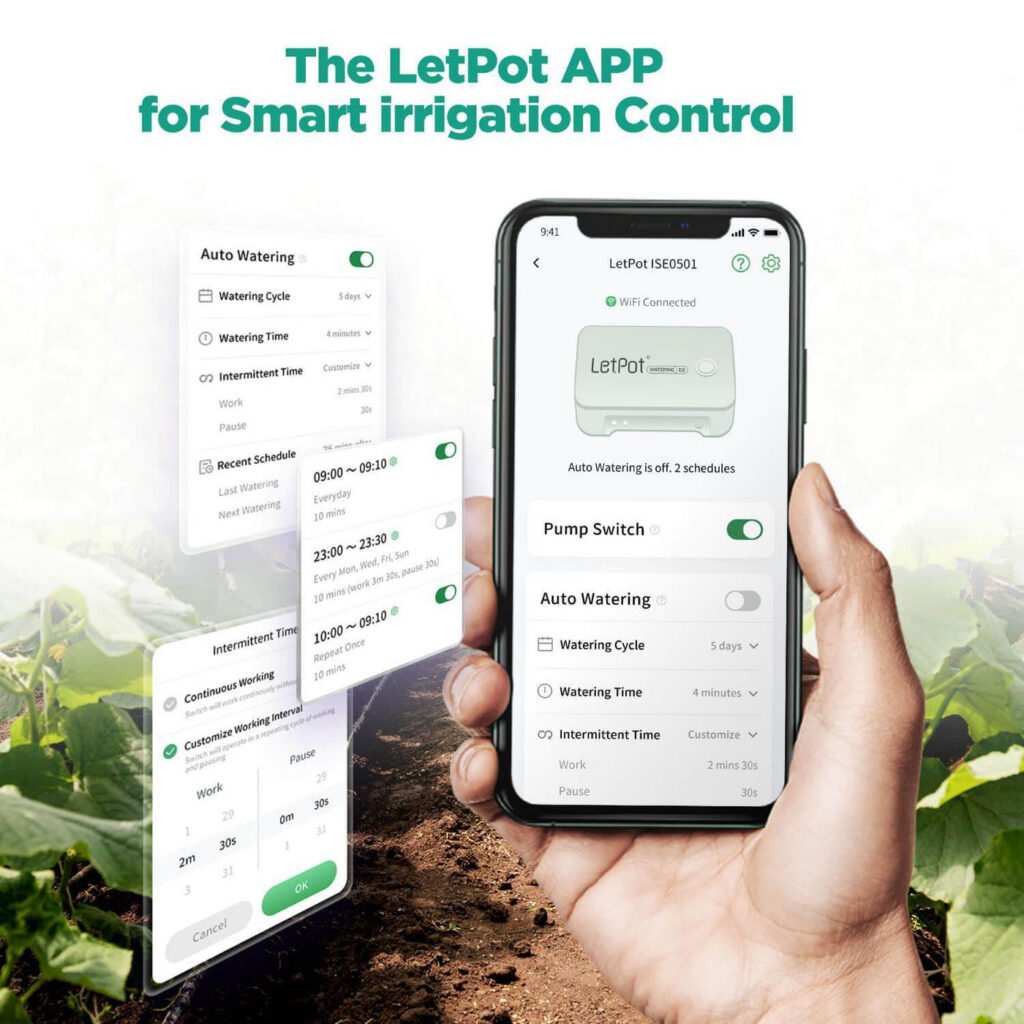
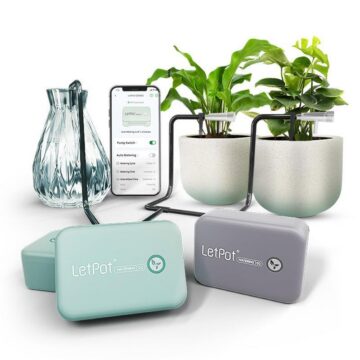
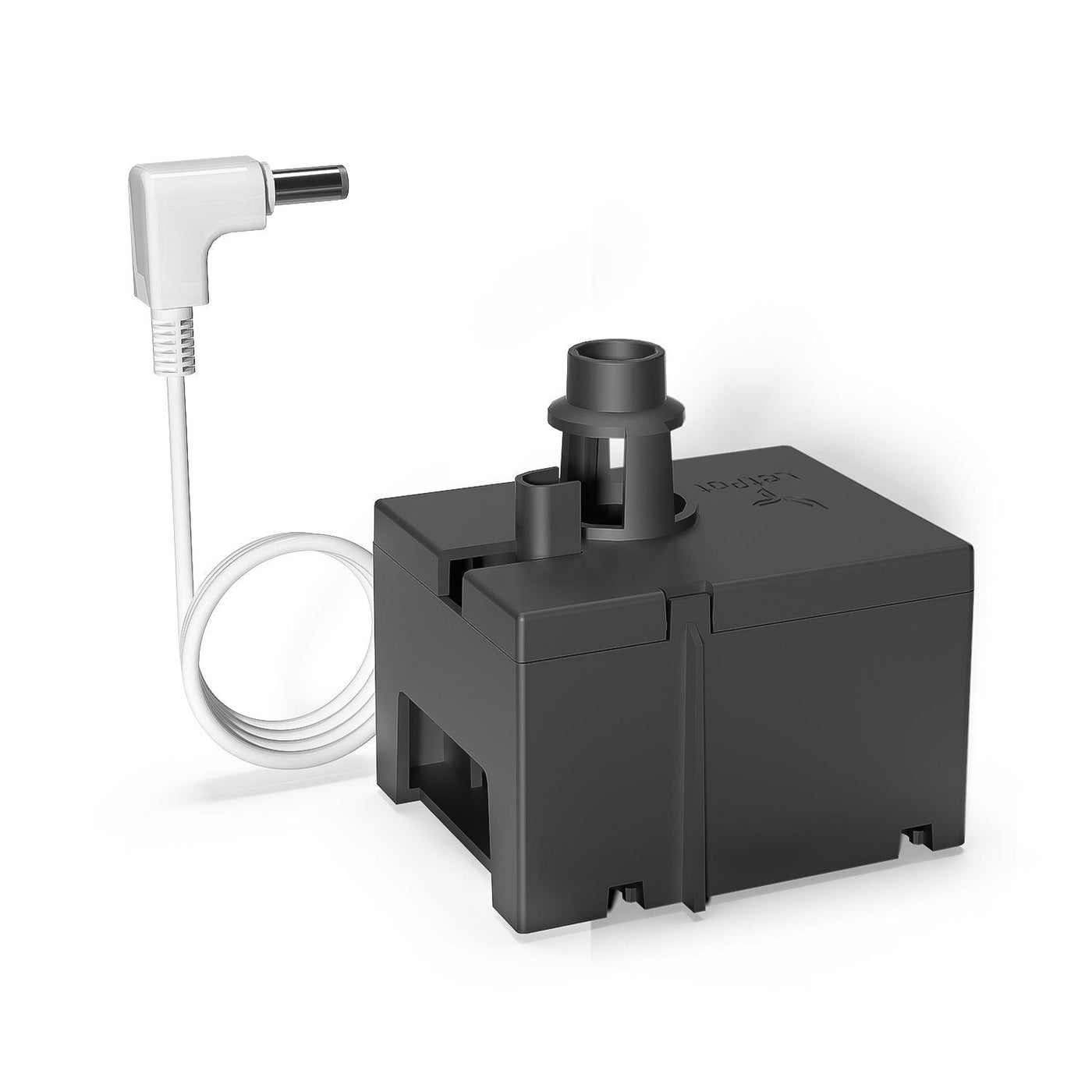
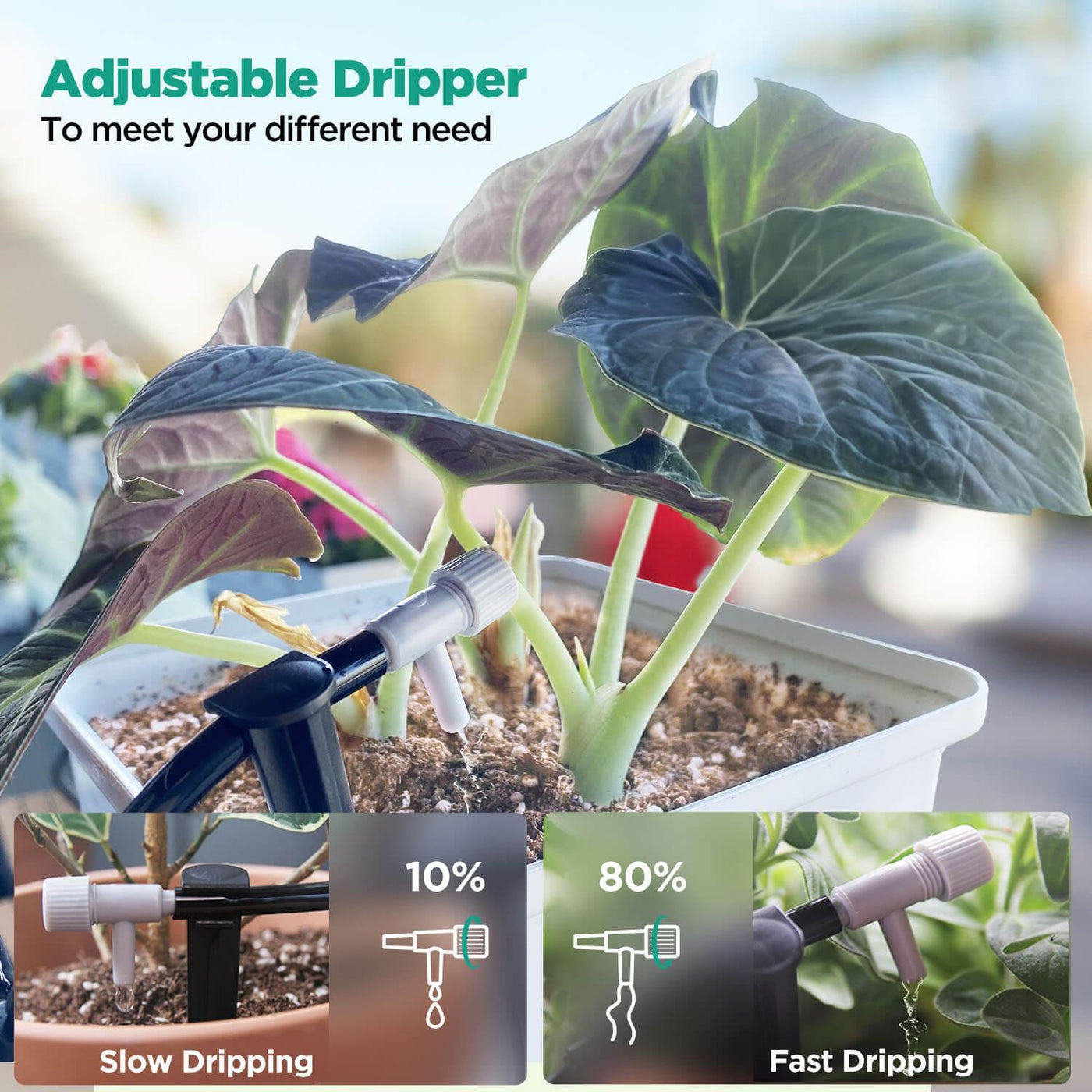
This is the most capable of our four test systems. The LetPot Automatic Watering System 2.0 at €69 includes a digital controller, 10 adjustable drippers and a 10-metre (33 ft) water pipe, enough for up to 20 plants at once. The app lets you set cycle frequency, session duration and on/off intervals within each session, so the growing medium stays evenly moist rather than swinging between soaked and dry. The pump runs at a flow rate of 12 gallons per hour on 5V power, carries an IP65 waterproof rating, and produces only 30 dB of noise — quieter than an average conversation. A built-in perlite filter traps debris before it reaches the pump, which mattered during our test since our tap water left a small amount of limescale residue.
The clay olla: passive watering with no electricity
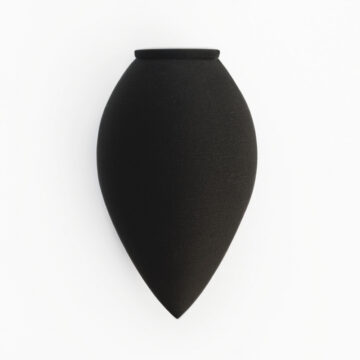
At the opposite end is the CitySens Hydrating Olla at €19.90 — a 15 cm tall, 35 cl amphora made from bioplastic and wood biofilament that runs entirely without power. You bury the olla in the growing medium, fill it with water, and it slowly releases moisture through its porous walls as the roots grow toward it. In our test, one olla in a 12 cm basil pot kept the medium moist for 9 days without a refill, while a larger, less thirsty pot stretched to nearly 2 weeks. The trade-off: it isn’t a fit for fast-drinking, thirsty plants, since the flow is slow and can’t be adjusted by volume.
Elho Aqua Care: the simplest option for short trips
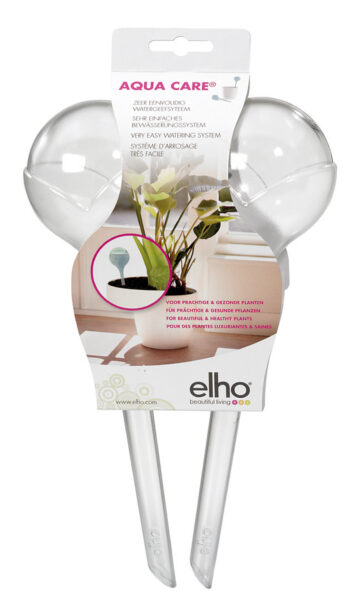
The Elho Aqua Care self-watering system at €15.99 (2-pack) is even simpler — a transparent cone you fill with water and insert into the growing medium at an angle, releasing water drop by drop based on how dry the medium already is. It fits pots with a diameter of 14 to 50 cm, and we tested it in two differently sized salad pots. It’s made from 100% recycled plastic, and its main advantage is price and setup speed — unboxing to working takes under a minute. The trade-off is the same as the olla: without a timer or app, you can’t precisely control how much water reaches the medium per day.
CitySens Automatic Drip Irrigation: scalable for multiple pots
If you have more than 5 to 6 pots, the CitySens Automatic Drip Irrigation System at €119 is the largest unit in our test: a 7-litre water reservoir, a digital LCD timer with up to 16 weekly watering cycles, and 12 pressure-compensated drippers that each deliver 2 litres per hour. Depending on how many plants are connected, autonomy ranges from 11 days for 20 plants up to 38 days for 6 plants without refilling the tank. A lid on the reservoir keeps out algae and odour, which was a noticeable improvement over an open water container in our test.
Which system to choose
If you have 1 to 3 plants and your next trip is a single weekend, the clay olla or the Elho Aqua Care are enough and cost less. If you have more than 6 plants, or an absence longer than 2 weeks, investing in the CitySens drip system or the LetPot Automatic Watering System 2.0 pays off in peace of mind — none of our test plants on either of those two systems wilted over the full 6-week test period.
| System | How it works | Plants it suits | Autonomy | Price |
|---|---|---|---|---|
| CitySens Hydrating Olla | Passive, capillary | 1 pot | 9–14 days | €19.90 |
| Elho Aqua Care (2-pack) | Passive, drip cone | 1–2 pots | ~1–2 weeks | €15.99 |
| LetPot Automatic Watering System 2.0 | Pump + app | up to 20 plants | depends on reservoir | €69.00 |
| CitySens Automatic Drip Irrigation | Pump + digital timer | 6–20 plants | 11–38 days | €119.00 |
Frequently asked questions
Does automatic watering work for all indoor plants?
It suits most potted plants, including herbs, salad greens and larger leafy plants, but not succulents and cacti, which need to dry out completely between waterings. A constant capillary or drip supply of moisture can cause root rot in these plants.
How long can a system run unattended?
It depends on reservoir size and number of plants — in our test the clay olla lasted up to 2 weeks, while the CitySens drip system with 6 plants connected reached 38 days without a refill.
Is a clay olla as effective as an electric system?
It’s effective for a small number of plants over a shorter period, but it doesn’t offer precise control over how much water is delivered — an electric system with a timer is more reliable for larger plant counts or longer absences.
Does automatic watering prevent overwatering?
Yes, when the system is set up correctly — it delivers small, regular amounts of water rather than one large dose, which is the most common cause of root rot in potted plants watered irregularly by hand.
What happens if the power goes out on the LetPot or CitySens systems?
A brief power interruption does no harm, since moisture already in the growing medium stays put. A longer outage of several days will stop the pump cycles, so for longer absences it’s worth plugging the system into a reliable socket, ideally with a UPS, or asking a neighbour to check in.
Do these systems work for larger groups of pots, like a balcony?
The CitySens Automatic Drip Irrigation System, with up to 20 drippers and an extendable hose (5, 10 or 20 m), is built for exactly that purpose, while the clay olla and Elho Aqua Care are designed for individual pots rather than larger groups at once.
If you want to fix this today
If you have a few pots and your next trip is short, start with the CitySens Hydrating Olla — it’s the cheapest and simplest of our four test systems. If you have more plants or a longer absence, browse the full automatic self-watering and irrigation range and choose a system based on how many pots you need to cover. Delivery on all of them is from our Estonian warehouse to any EU country, with exact timing shown at checkout.