Seeds for indoor growing only succeed when the variety is bred for it – of the dozens we tried this year in our Tallinn test kitchen, 12 varieties genuinely thrived, from basil to balcony tomatoes. Standard outdoor seed packets often stall or stretch for light, while compact, indoor-bred varieties reach harvest in as little as 3 to 5 weeks.
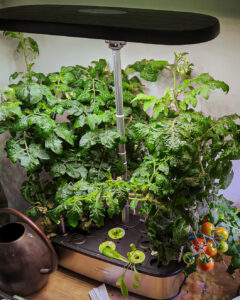
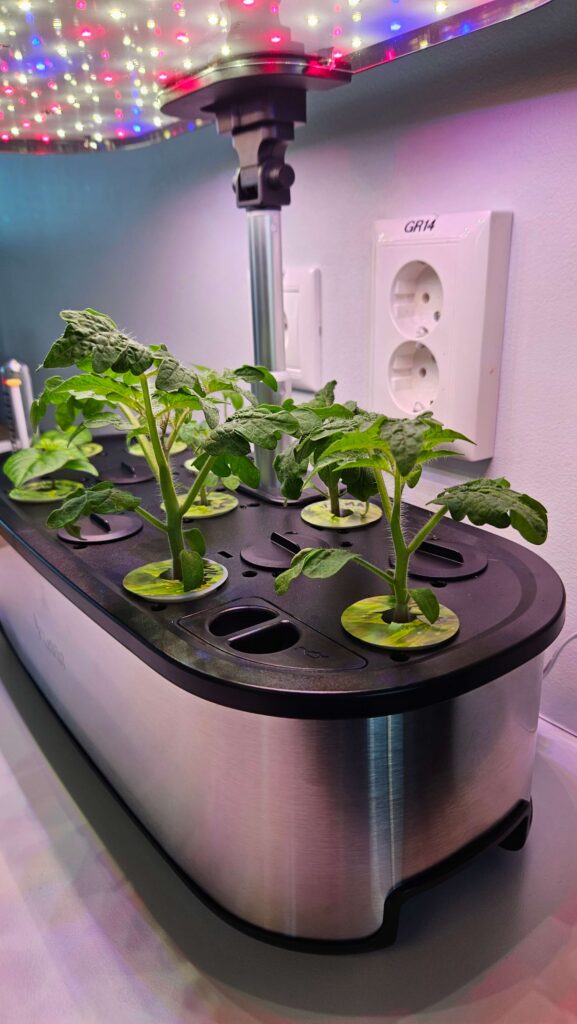
This year we grew all 12 varieties side by side on a windowsill, in a hydroponic smart garden and in traditional pots, to see which ones actually handle Baltic and Nordic home conditions: shifting daylight, dry heating-season air and limited space. Basil, leaf lettuce and balcony tomatoes shared the exact same LetPot system throughout, so the comparison would be fair.
What we used – tested in our Tallinn test kitchen, ships from Estonia across the EU.
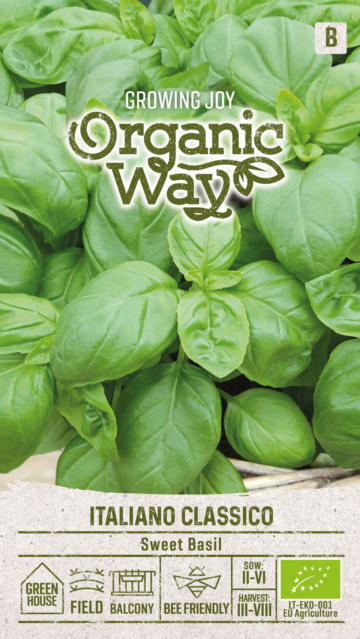
Organic Sweet Basil Italiano Classico Seeds | Aromatic Culinary Basil for Hydroponics & Smart Indoor Gardens
1,99 €Add to cart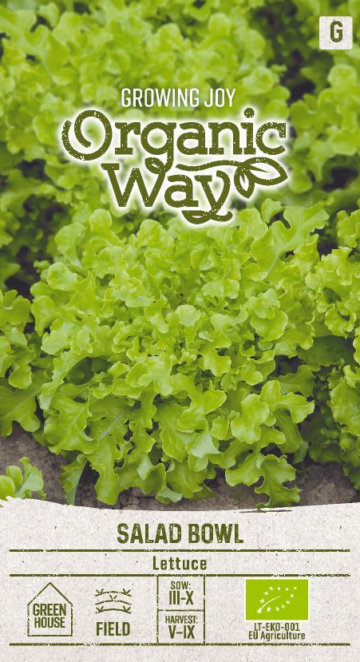
Organic Lettuce Salad Bowl Seeds | Fast-Growing Leaf Lettuce for Hydroponics & Smart Indoor Gardens
1,99 €Add to cart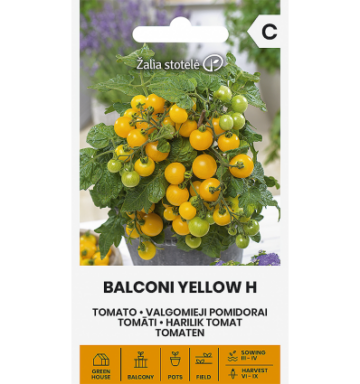
Tomato balconi yellow h – determinate balcony cherry tomato hybrid
1,49 €Add to cart
why most outdoor seeds fail indoors
Outdoor garden seeds are bred for variable weather, strong direct sun and unlimited root space – conditions indoors simply don’t replicate. Indoor light comes from one direction and is weaker than summer sun even right at a window, so tall tomatoes or sprawling lettuce varieties stretch, turn pale and weaken. Compact, purpose-bred varieties – like determinate balcony tomatoes or open-leaf lettuce – are selected specifically for low height and dense leaf growth, so they don’t topple or shade out their neighbours in a pot or smart garden.
The second reason is seed quality and germination rate. Old or poorly stored seed germinates unevenly, and indoors, without natural selection pressure, a weak seedling rarely catches up with the rest. That’s exactly why we sell packets with a tested batch germination rate.
12 varieties that genuinely grow on a windowsill or in a smart garden
These 12 varieties held up best in our test: ‘Italiano Classico’ basil, ‘Gigante d’Italia’ parsley, coriander, ‘Mammoth’ dill, chives, peppermint, rosemary, oregano, arugula, ‘Salad Bowl’ leaf lettuce, ‘Balconi Yellow’ balcony tomatoes and ‘Goldkrone’ cherry tomatoes. Each germinated within 5 to 14 days and gave its first harvest within 3 to 6 weeks, depending on the variety.
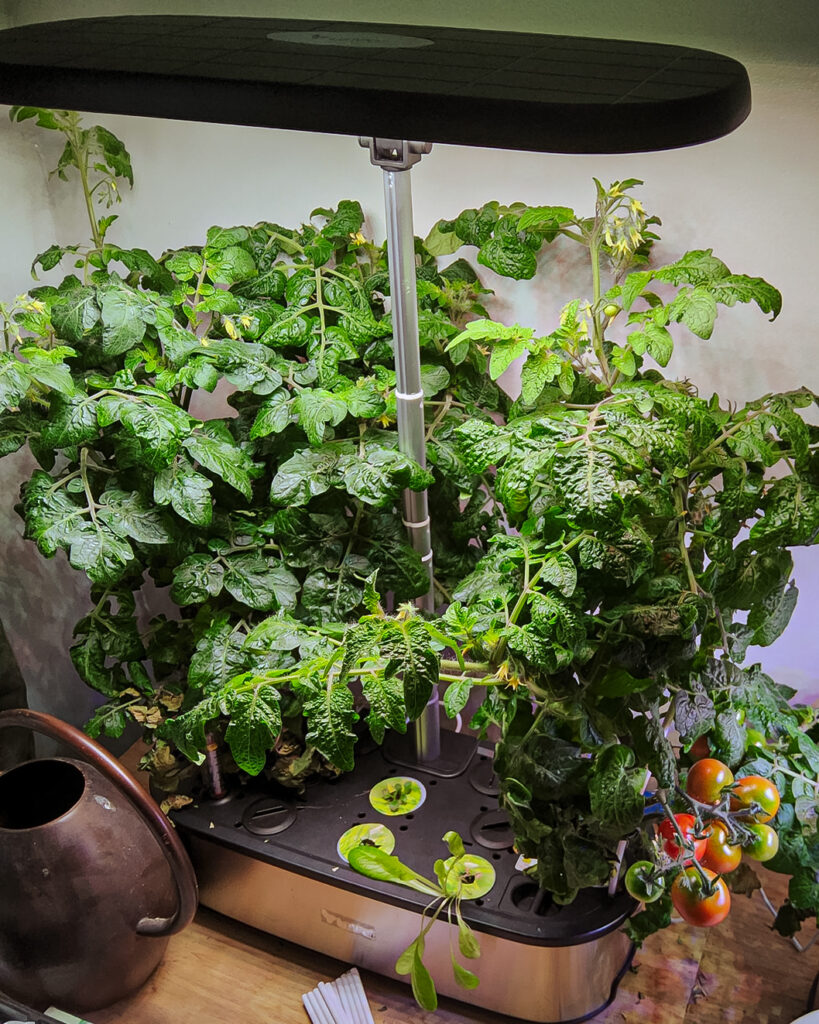
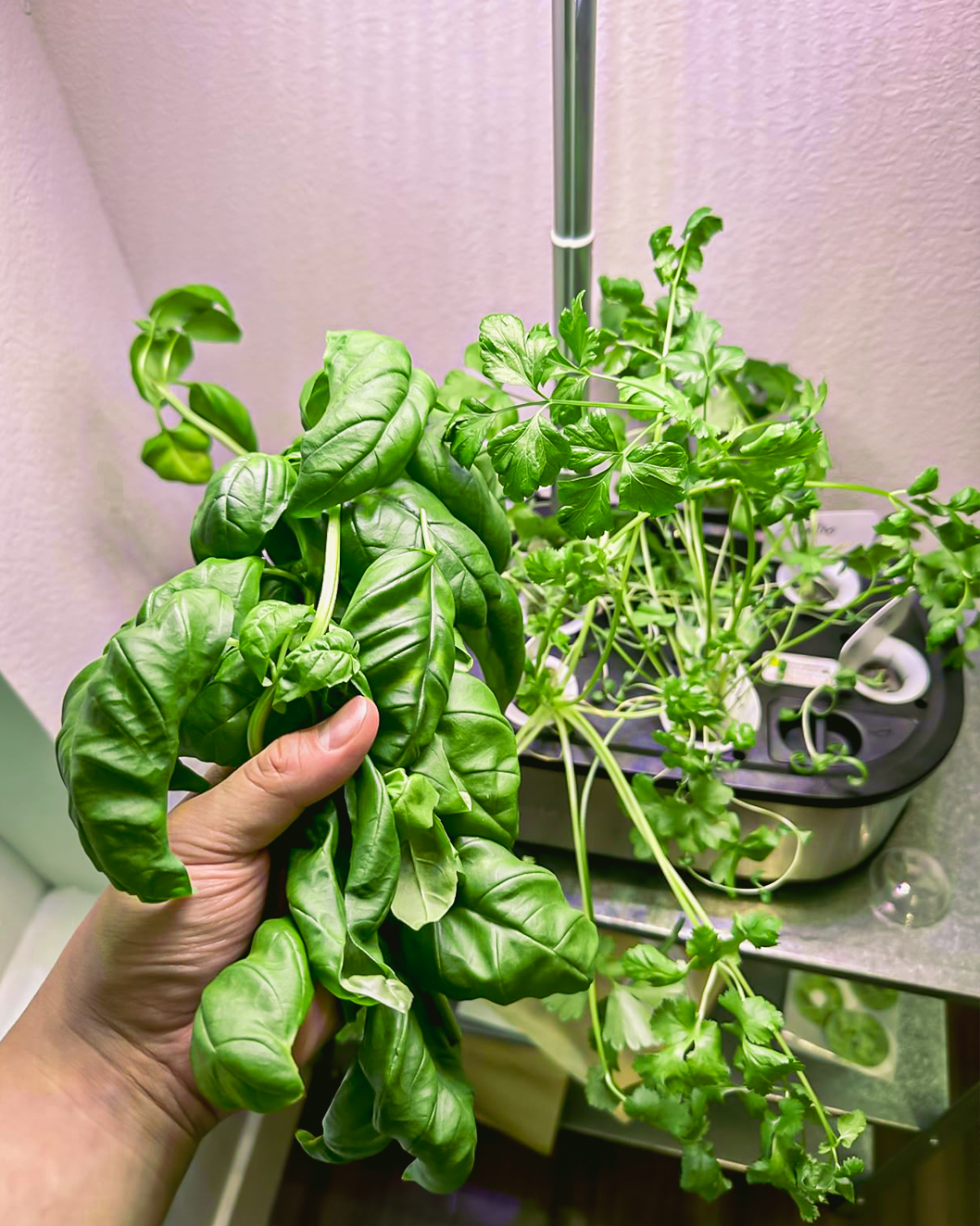
Herbs overall were the easiest for beginners – basil and arugula were ready for their first cut after just 3 weeks in our hydroponic smart garden. Tomatoes needed more patience (6 to 8 weeks to first fruit), but the balcony varieties stayed under 30cm and needed no staking even at full yield.
how to choose seeds for your setup
Seed choice starts with where it will grow. A hydroponic pod or grow sponge needs low, compact varieties with 4 to 6 seeds per spot – basil, leaf lettuce and arugula are ideal. A traditional soil pot accepts a wider range, including tomatoes and rosemary, which need deeper root space. Our seed catalogue lists plant height and sowing time for every variety, so you can match it to the space you actually have.
If you’re planning beyond herbs, also check our vegetable seeds and lettuce and leafy green seeds – both categories are stocked with varieties specifically tested for indoor conditions, not just outdoor beds.
sowing, germination and the first few weeks
Germination depends on temperature and moisture first, light second – most herb seeds need around 20°C to sprout evenly, and basil typically appears within 7 to 14 days at a steady temperature. In the first two weeks, seedlings don’t need full light intensity, but as soon as true leaves appear, move them to a stronger light source or a window spot with at least 4 to 6 hours of direct light.
In a hydroponic system this stage is simpler, since water and nutrients are delivered automatically – you just monitor the reservoir level and seat the pods at the right depth. In soil pots, the biggest risk in the first weeks is overwatering, since young seedlings are prone to root rot.
the most common mistakes growing seeds indoors
The most common mistake is overcrowded sowing – too many seeds in one pod or pot compete for light and nutrients, and the result is that no single plant thrives. The second is picking the wrong variety: a standard outdoor tomato or head lettuce that needs 60 to 80cm of height or a wide root zone simply doesn’t fit indoors and won’t produce. Third, many people forget that heating season dries indoor air significantly – this speeds up soil drying and can slow herbs like peppermint if watering isn’t adjusted.
| Variety | Germination | First harvest | Price |
|---|---|---|---|
| ‘Italiano Classico’ basil | 7-14 days | ~3 weeks | €1.99 |
| ‘Gigante d’Italia’ parsley | 14-21 days | ~5 weeks | €1.99 |
| Coriander | 7-14 days | ~4 weeks | €1.99 |
| ‘Mammoth’ dill | 10-14 days | ~4 weeks | €1.49 |
| Chives | 10-14 days | ~6 weeks | €1.49 |
| Peppermint | 10-15 days | ~5 weeks | €1.49 |
| Rosemary | 14-21 days | ~8 weeks | €1.49 |
| Oregano | 7-14 days | ~5 weeks | €1.99 |
| Arugula | 5-7 days | ~3 weeks | €1.39 |
| ‘Salad Bowl’ leaf lettuce | 5-7 days | ~4 weeks | €1.99 |
| ‘Balconi Yellow’ balcony tomato | 7-10 days | ~7 weeks | €1.49 |
| ‘Goldkrone’ cherry tomato | 7-10 days | ~8 weeks | €1.49 |
For further reading on germination conditions, the Royal Horticultural Society’s basil growing guide notes that basil germinates best around 20°C and can be harvested as microgreens within 10 to 14 days.
Frequently asked questions
Does every seed variety work indoors?
No. Standard outdoor varieties that need significant height or a wide root zone usually don’t succeed indoors. Choose compact, low varieties bred specifically for pots or hydroponics.
How long until the first harvest?
It depends on the variety – from 3 weeks for arugula and leaf lettuce up to 6 to 8 weeks for tomatoes and rosemary. Herbs generally produce faster than fruiting plants.
Does hydroponics need different seeds than soil?
No, the same variety germinates in both soil and a hydroponic grow sponge. What changes is the growing environment, not the seed itself.
Why are my seedlings leggy and falling over?
This usually means insufficient light. Move the pot closer to a window or add a supplemental light source as soon as true leaves appear.
Do organic seeds germinate better?
Not necessarily better, but equally reliably – organic and conventional seeds perform identically in hydroponic systems; the difference is in growing method, not germination rate.
Can I sow seeds indoors in any season?
In a smart garden with grow lights, yes, any time of year. On a windowsill without supplemental light, it’s best to start in spring or summer when there are more daylight hours.
If you want to fix this today
The simplest starting point is one reliable variety in one system – for example, ‘Italiano Classico’ basil in your existing pot or smart garden. Sow one pod, watch the light and moisture for the first two weeks, and in three weeks you’ll have your first fresh harvest on the windowsill.