
A raised planter changes the possibilities of indoor growing considerably. More soil volume, better drainage control, and easier access to roots means you can grow things that simply would not work in a shallow pocket or a small pot on a windowsill. The question is knowing which plants are worth putting in, because not everything suited to an outdoor raised bed translates well to an indoor setup. After years of experimenting indoors, I have a fairly clear sense of what performs reliably and what tends to disappoint.
Herbs — the Obvious Starting Point
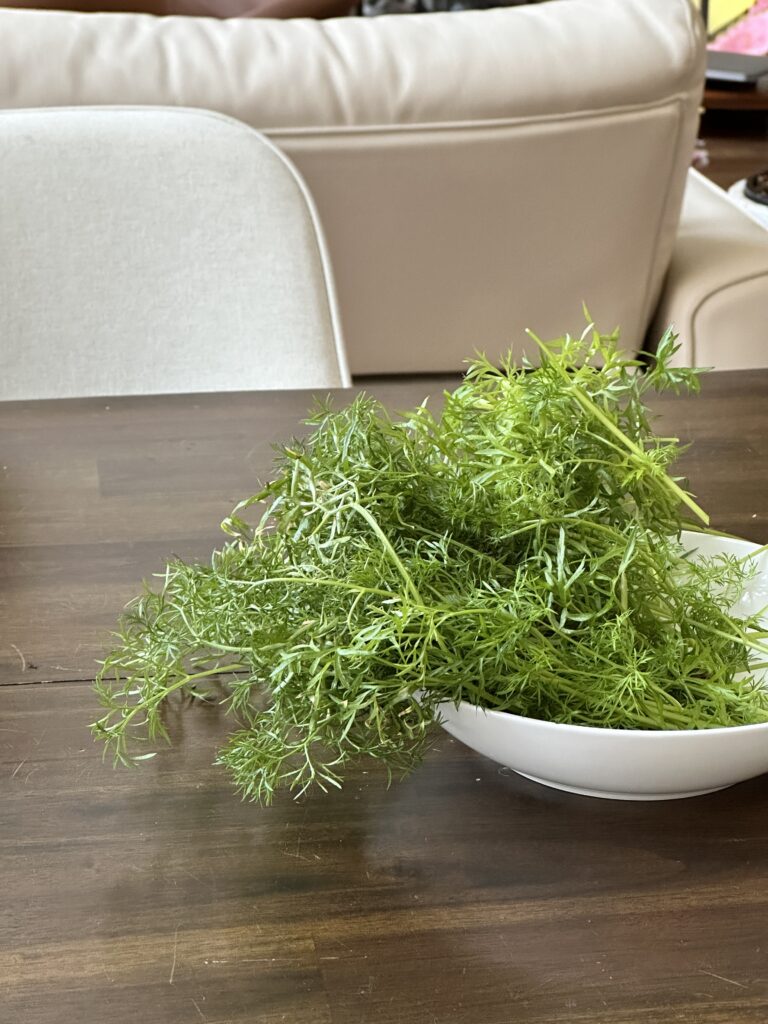
Herbs are the most consistently rewarding plants to grow in a raised indoor planter, and for good reason. They produce continuously, they are useful in everyday cooking, and most of them do not need a huge amount of root space to thrive. In a raised planter with 15 to 20 cm of depth, you can comfortably grow basil, parsley, chives, coriander, oregano, and thyme side by side. The slightly elevated soil temperature in a raised planter also suits Mediterranean herbs like basil and oregano, which prefer warmth around their roots.
The one thing to watch with herbs in a shared planter is growth rates. Mint is particularly aggressive and will spread into neighbouring plants if given the chance. It is worth either giving mint its own section or keeping it in a separate insert within the planter. Everything else tends to coexist reasonably well. You can find a good range of herb seeds for indoor growing to mix and match depending on what you actually cook with.
Lettuce and Leafy Greens
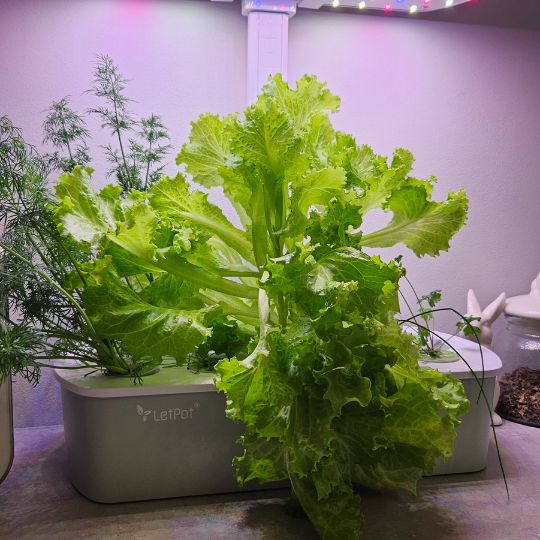
Leafy greens are arguably the most productive food plants you can grow indoors, and a raised planter suits them very well. Lettuce, spinach, rocket, and Swiss chard all have relatively shallow roots — 10 to 15 cm is usually enough — and they grow quickly from seed to harvest. In a raised planter with good light, you can be cutting leaves within three to four weeks of sowing and continue harvesting from the same plants for several months by taking outer leaves and letting the centre keep growing.
The cut-and-come-again approach works particularly well indoors because you are harvesting small amounts regularly rather than pulling up whole plants. This keeps the planter productive without needing constant replanting. Lettuce and leafy green seeds are a reliable first choice if you are filling a raised planter for the first time.
Tomatoes — Compact Varieties Only
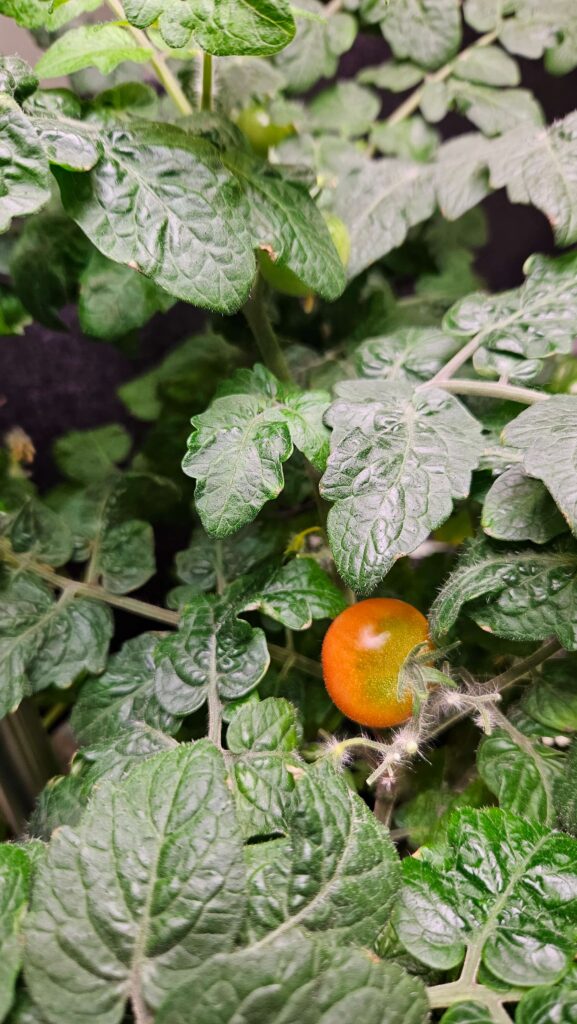
Tomatoes can absolutely be grown indoors in a raised planter, but variety selection matters enormously. Full-size tomato plants grow too tall and need more root space than most indoor planters can realistically provide. Compact or dwarf varieties — often labelled as patio, mini, or bush tomatoes — are a different story. These stay manageable in height, produce fruit continuously over a long season, and do well in containers with 25 to 30 cm of soil depth.
Light is the main constraint with indoor tomatoes. They need at least 12 to 14 hours of bright light per day to flower and fruit properly. Near a very bright south-facing window in summer that is sometimes achievable, but for reliable fruiting year-round a grow light is almost always necessary. If you are willing to provide that, compact tomato varieties are one of the most rewarding crops to grow indoors. Browse tomato seeds to find varieties suited to container growing.
Chilli Peppers
Chilli peppers are an excellent raised planter crop indoors and in some ways easier than tomatoes. They are more tolerant of slightly lower light levels, they stay compact naturally, and a single plant can produce a generous amount of fruit over a very long season. Some chilli varieties can be kept alive and productive for several years if brought indoors before winter, making them one of the better long-term investments in an indoor growing setup.
Like tomatoes, they benefit significantly from supplemental light in winter. Root depth of around 20 to 25 cm is sufficient for most varieties. If you enjoy cooking with heat, having a chilli plant or two in a raised planter is one of the most practical things you can grow indoors. Take a look at chilli pepper seeds for options ranging from mild to genuinely hot.
Strawberries
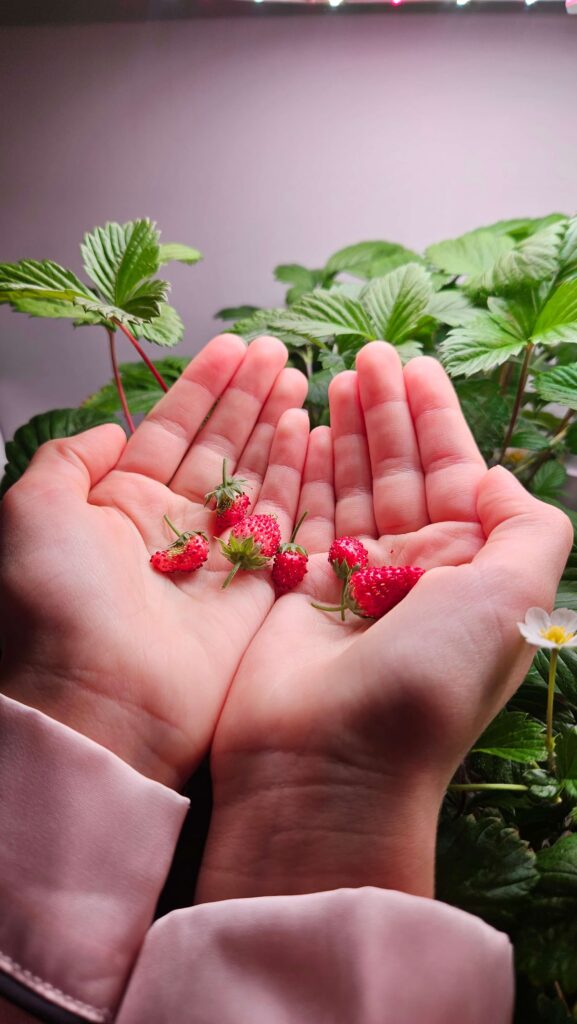
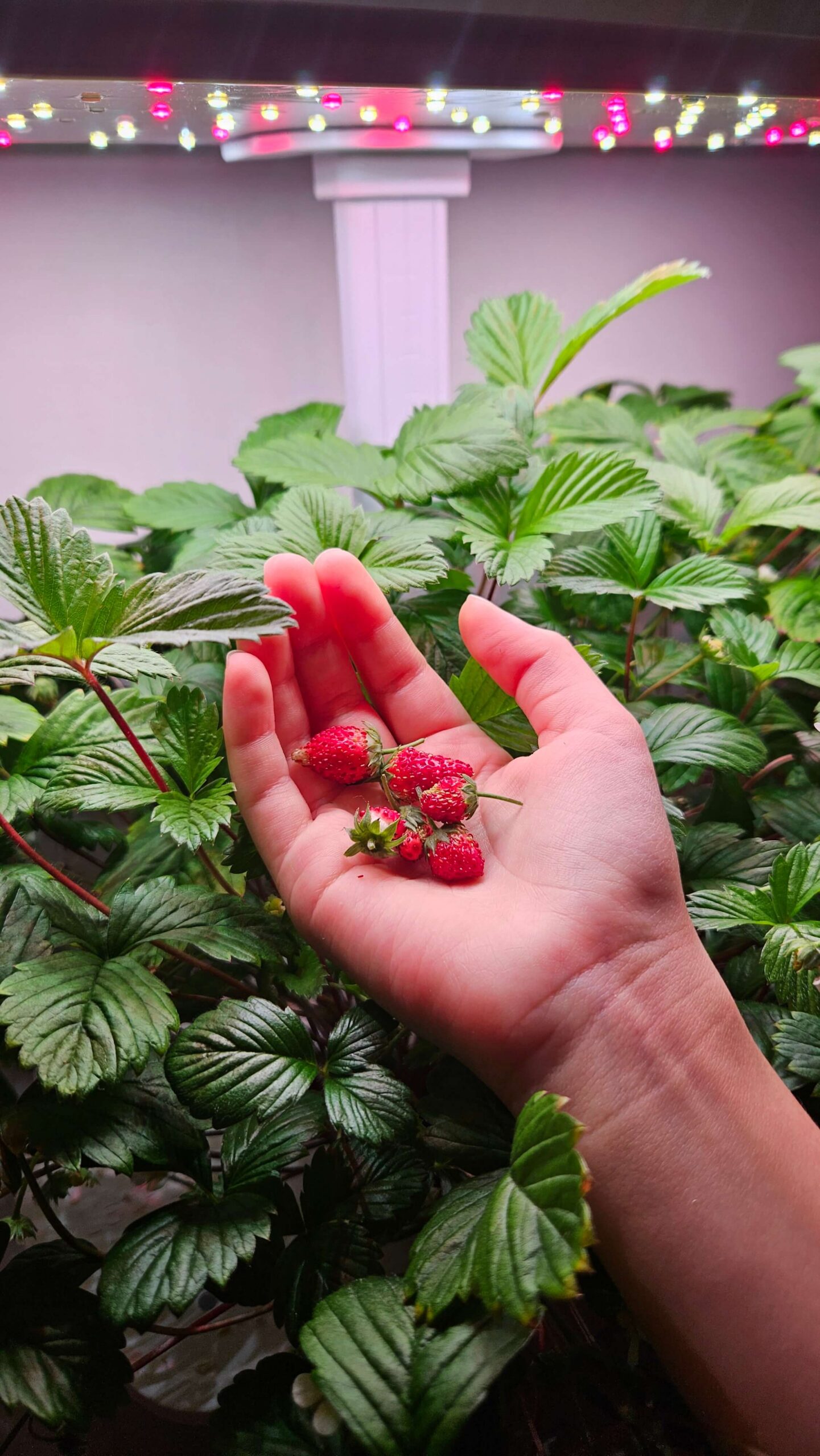
Indoor strawberries often surprise people who have not tried them before. In a raised planter with good drainage and consistent light, they produce fruit reliably and look attractive while doing it. Everbearing varieties work best indoors because they produce fruit continuously throughout the season rather than in one concentrated flush. Root depth of 15 to 20 cm is adequate, and the plants stay compact enough to share a planter with herbs or a few lettuce plants at the edges.
Pollination is the one thing to manage indoors — without bees, you need to gently transfer pollen between flowers with a soft brush or cotton bud when they open. It takes about thirty seconds per plant and makes the difference between getting fruit and getting nothing. Strawberry seeds take longer to establish from seed than from runners, so factor in a longer lead time before your first harvest.
Microgreens
If you want fast results from a raised planter, microgreens are hard to beat. These are simply seedlings harvested at the cotyledon or first true leaf stage, typically seven to fourteen days after sowing. They require almost no depth — 5 cm of growing medium is enough — so they can be grown in a shallow tray sitting inside or on top of a raised planter setup. Sunflower, pea, radish, and broccoli microgreens are among the most popular, and all of them are straightforward to grow indoors. Microgreen seeds are worth keeping on hand as a fast-turnaround crop between slower-growing plants.
What Does Not Work Well
It is worth being honest about what a raised indoor planter cannot realistically support. Root vegetables like carrots and parsnips need at least 30 to 40 cm of loose, stone-free soil to develop properly — achievable outdoors but difficult to manage well indoors. Brassicas like broccoli and cauliflower grow very large and need more space and light than most indoor setups can provide. Climbing plants like cucumbers and beans need vertical support and produce too much canopy to manage sensibly indoors unless you have a very specific setup for them.
Sticking to herbs, leafy greens, compact fruiting plants, and strawberries covers most of what a raised indoor planter does best, and gives you a productive, manageable growing space without overreaching what the setup can actually support.
A Note on Light and Feeding
Whatever you choose to grow, light and nutrients determine whether your raised planter is productive or frustrating. Most food plants need 12 to 14 hours of good light per day. In winter in Northern Europe, that means supplemental lighting is not optional — it is necessary. A well-positioned grow light above the planter keeps everything growing through the dark months. On the nutrition side, a liquid feed added weekly to your watering routine is usually enough. The fertilisers for indoor plants category has options that cover the range of crops mentioned here.
Conclusion
A raised indoor planter is most productive when filled with plants that match what it can realistically offer — good soil depth, controlled moisture, and consistent light. Herbs, leafy greens, compact tomatoes, chilli peppers, strawberries, and microgreens all perform well and give you a continuous supply of fresh food from a modest indoor space. Start with what you cook with most, pay attention to light, and the planter will pay you back quickly. If you are growing something in a raised indoor planter that is working particularly well, share it in the comments — it is always useful to hear what others are having success with.