A self-watering system for indoor plants uses a reservoir, wick or timed drip line to keep the growing medium evenly moist between refills, which stretches active watering from daily to roughly once every 7 to 21 days depending on the system. We ran three different types side by side for three weeks in our Tallinn test kitchen to see which one actually holds up.
I’m Anna, and I look after plant care testing at IndoorGarden. In August 2026 I set up three self-watering approaches on the same shelf: a pair of drip stakes, a timer-controlled drip irrigation kit, and an app-scheduled watering controller, running basil, parsley and a peace lily without touching any of them by hand for three weeks. Two of the three did exactly what they promised. One needed a fix on day four. Here is what actually happened, system by system.
What we used — tested in our Tallinn test kitchen, ships from Estonia across the EU.
How a self-watering system actually works
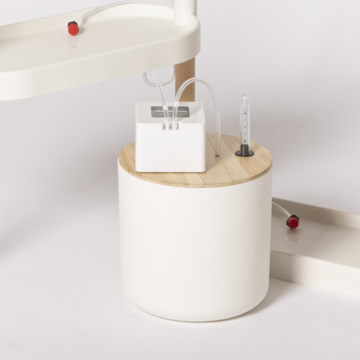
Every self-watering setup does one of two things: it stores water separately from the growing medium and lets the plant draw on it as needed, or it delivers small, timed doses through a drip line so the medium never dries out or floods in one go. A wick or capillary pot sits in the first camp, with a reservoir below the soil and a cord or porous base pulling moisture upward as the top layer dries. A drip system sits in the second camp, running a thin line to each pot with an emitter that releases water on a schedule you set. Neither approach thinks for itself. What they automate is delivery, not judgement, so choosing the right flow rate and refill interval for your plant still matters.
Why consistency matters more indoors than outside
Outdoors, rain and wind buffer a lot of watering mistakes. Indoors, a small pot has almost no buffer at all, so a single missed week or a single heavy soaking can swing the root zone from bone dry to waterlogged. That swing is the real problem, not watering itself. University of Maryland Extension explains that excess water pushes oxygen out of the soil, which damages the plant’s fine roots and shows up first as wilting or yellowing in the lower and inner leaves. Their guidance is refreshingly simple: water when the plant needs it rather than on a fixed calendar, check by lifting the pot or pushing a stick into the mix, and always let water run through the drainage holes rather than leaving a saucer full underneath. A well set-up self-watering system does the same job automatically, delivering small amounts often instead of large amounts occasionally.
Three systems we tested in Tallinn
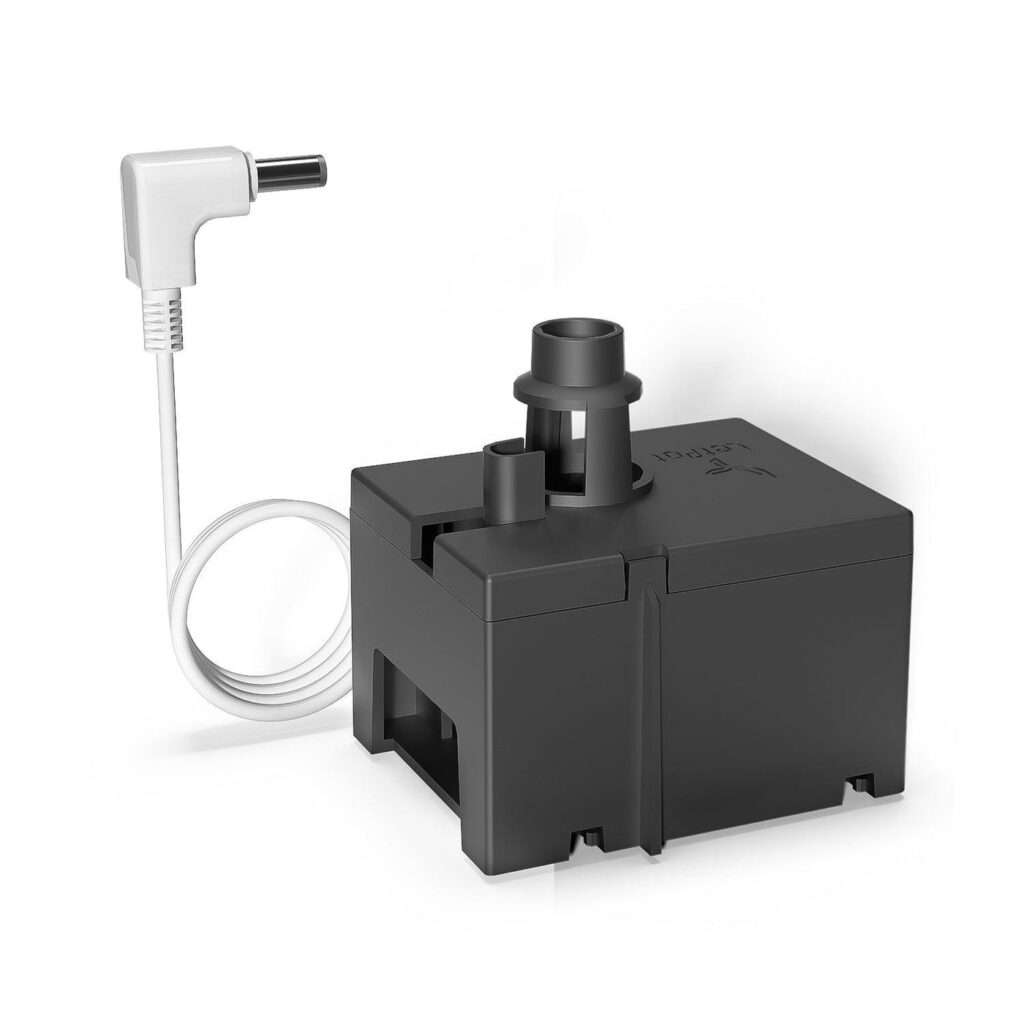
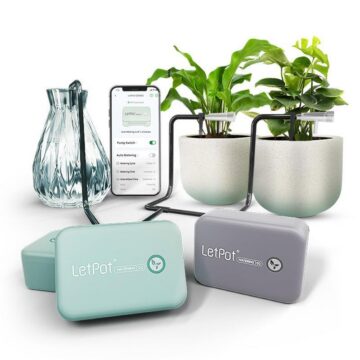
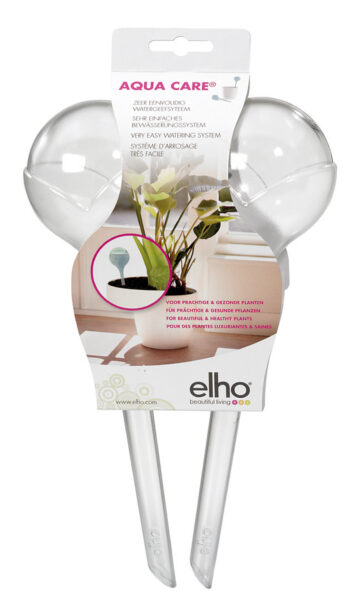
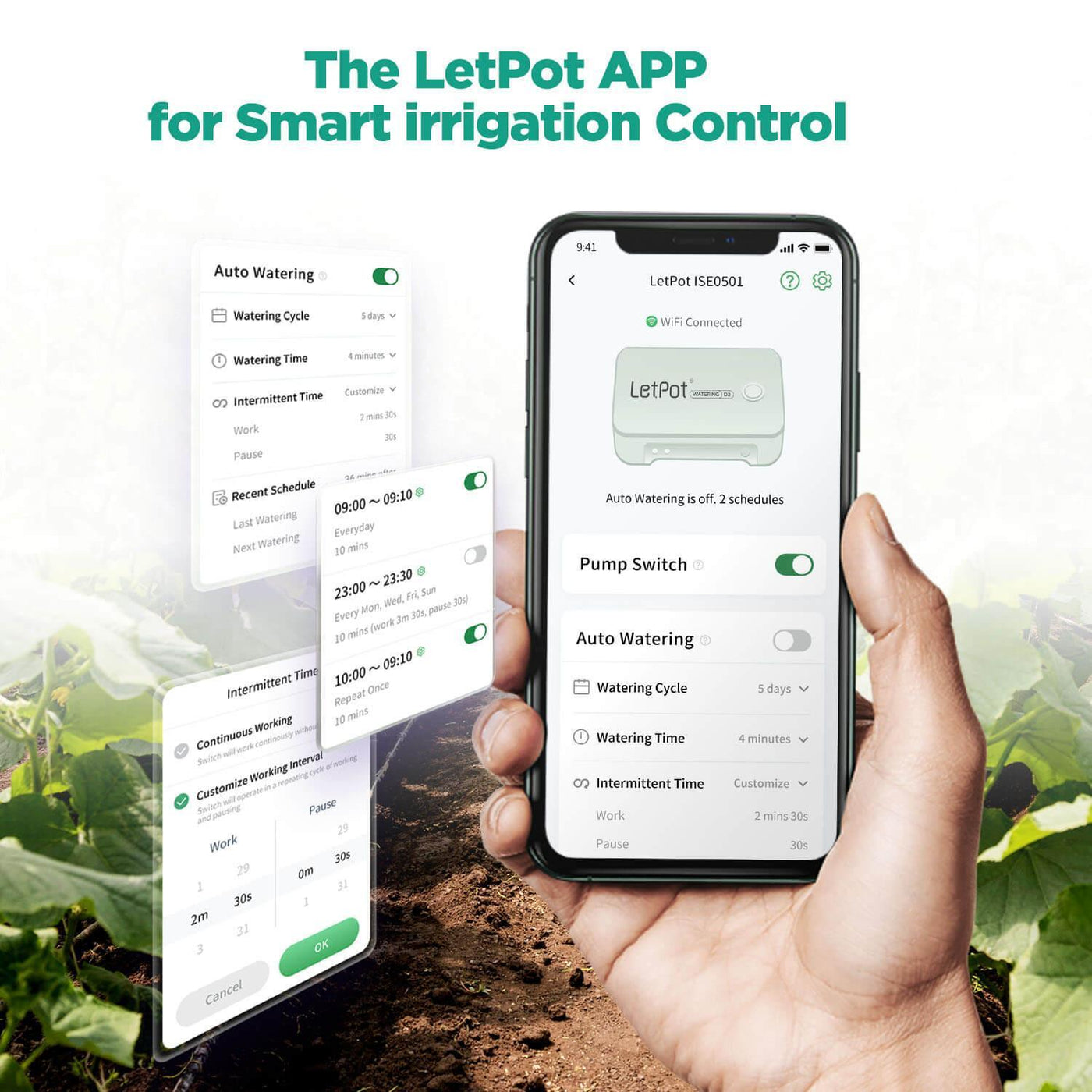
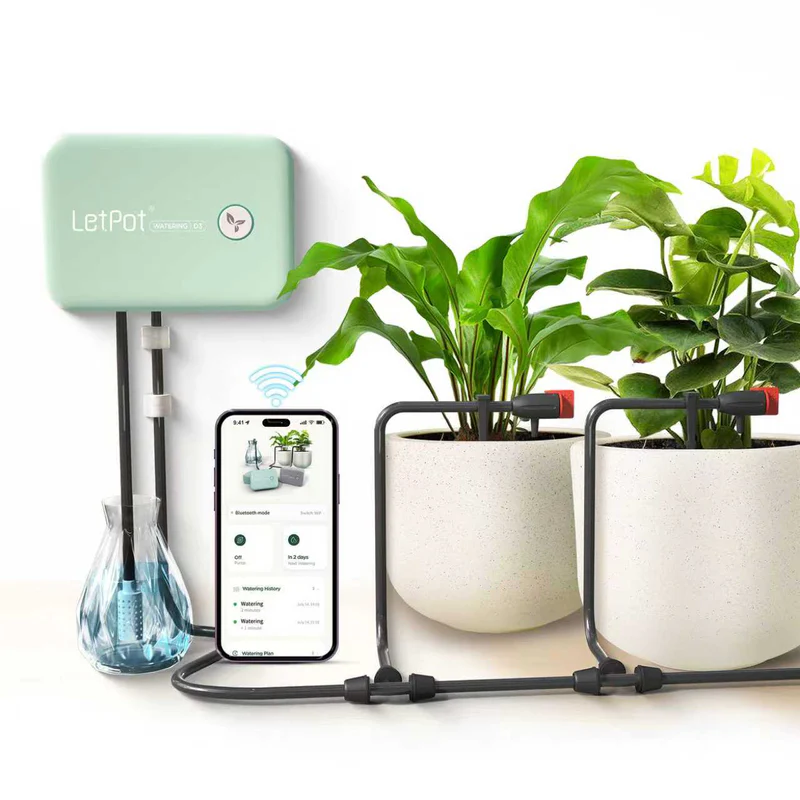
The Elho Aqua Care drip stakes are the simplest thing we tried: fill the transparent bulb with water, push it into the soil at an angle, and it drains slowly into the root zone. On a 14 cm basil pot it ran dry after 4 days, which makes it a good fit for a long weekend rather than a real week away, though it suits pots from 14 to 50 cm and costs almost nothing to try. The CitySens automatic drip irrigation system is the other end of the scale: a 7 L tank feeds up to 12 pressure-compensated drippers through a digital timer with up to 16 weekly cycles, and depending on how many plants you run off it, the reservoir lasts anywhere from about 11 to 38 days before a refill. Ours, set for a mixed tray of herbs, still had water left after our full three-week test. In between sits the LetPot Automatic Watering System 2.0, which connects to your own water container and lets you set cycle frequency, session length and on-off intervals from an app, watering up to 20 plants through adjustable drippers with a built-in filter to stop the line clogging. This is the one that needed a fix: our filter caught a piece of grit on day 4 and the flow to two drippers slowed until we rinsed it, a two-minute job once we noticed it. Colorado State University Extension makes the same point about any drip setup: timers typically run from every 6 hours to every 7 days, and the system still needs an occasional visual check rather than being genuinely set-and-forget.
Which plants do well, and which don’t
Herbs and leafy greens are the safest bet for any self-watering system, because basil, parsley and lettuce all prefer soil that stays lightly and evenly moist rather than swinging between wet and dry. A peace lily and most other moisture-loving houseplants behave the same way, which is why ours came through the three weeks with no visible stress at all. Mediterranean herbs are the exception worth knowing before you buy: rosemary, thyme and sage evolved for soil that dries out fully between waterings, and a reservoir or drip line that never lets that happen can leave them sitting wetter than they want for weeks at a time. Succulents and cacti are the clearest mismatch, since constant access to moisture is close to the opposite of what their roots need. If your collection is mostly the drought-tolerant kind, a self-watering system is the wrong tool, and a normal pot on a drier schedule will serve those plants better.
How long can a plant actually go unattended
The honest answer depends on the system, the pot size and the plant, but our three weeks of testing gave us a working range. Drip stakes in a small pot bought us about 4 days, which covers a long weekend and not much more. The CitySens tank, sized to the number of drippers running off it, is built for 11 to 38 days depending on the model and plant count, which comfortably covers a typical two-to-three-week holiday. The LetPot controller is only as limited as the container you connect it to, so a larger water source and a conservative schedule can extend it well past three weeks, though we would still recommend someone checks in visually every week or two, exactly as the Colorado State guidance suggests. None of these numbers replace common sense: a hot, dry room in summer will empty any reservoir faster than a cool one in autumn, so treat these ranges as a starting point rather than a guarantee.
Which system to choose
| System | Best for | Typical time unattended | Price |
|---|---|---|---|
| Elho Aqua Care drip stakes (2-pack) | A long weekend, single pots 14-50 cm | About 4-7 days | €15.99 |
| LetPot Automatic Watering System 2.0 | Up to 20 plants, app-scheduled control | Set by your container and schedule | €69.00 |
| CitySens automatic drip irrigation, 7 L | A full holiday, 6-20 plants on one timer | About 11-38 days | €119.00 |
Frequently asked questions
Can I overwater a plant even with a self-watering system?
Yes. A self-watering system only controls how water is delivered, not whether the setup suits the plant. If the reservoir never empties or the soil is too dense to drain, roots can sit wet for weeks, so match the system to plants that actually want steady moisture.
Do self-watering systems work for succulents and cacti?
Not well. These plants need the soil to dry out fully between waterings, and a reservoir or drip line removes that dry period. A normal pot on a manual schedule suits them better than any of the systems we tested.
How often do I need to refill a self-watering system?
It depends entirely on the system and the number of plants. In our test, drip stakes needed a refill after 4 days, while the 7 L CitySens tank ran for our full three weeks and beyond. Check the manufacturer’s range for your specific setup and plant count.
Is a self-watering system the same as a smart garden?
No. Self-watering systems still use soil and only automate water delivery. A smart garden replaces soil with a hydroponic reservoir and usually runs its own LED light too, which is a bigger step up if watering is not your only limiting factor. Our guide on setting up an automated indoor herb garden walks through that fuller setup.
Will a drip system clog if I don’t check it?
It can. Our LetPot controller’s filter caught debris on day 4 of testing and slowed two drippers until we rinsed it, which took about two minutes. A quick visual check every one to two weeks catches this before it affects the plant.
What is the cheapest way to try self-watering before committing?
Drip stakes are the lowest-cost entry point and need no setup beyond filling and inserting them, which makes them a reasonable way to test whether steady moisture actually suits your plants before buying a larger timer-based system.
If you want to fix this today
If missed waterings are the actual problem, start with whichever system matches your absence: drip stakes for a long weekend, or the LetPot Automatic Watering System 2.0 if you want app control over exactly when and how much each plant gets. Browse the full automatic self-watering and irrigation solutions range to compare capacity before you buy, and remember that herbs and leafy greens are the safest plants to start with.