
Growing your own food indoors starts with one important choice: the right seeds. Indoor garden seeds are selected for reliable germination, compact growth, and strong performance in smart gardens, hydroponic systems, and small indoor spaces. Whether you want fresh herbs, leafy greens, microgreens, or compact vegetables, choosing seeds suited for indoor growing makes the entire experience easier and more rewarding.
What Are Indoor Garden Seeds?
Indoor garden seeds are seeds that perform well in controlled environments such as smart gardens, hydroponic systems, windowsills, and containers. They are typically fast-germinating, grow compactly, and adapt well to artificial light and stable indoor temperatures. Many indoor gardeners also prefer organic seeds, especially when growing herbs, salad greens, and microgreens that are harvested and eaten young.
Why Seed Choice Matters for Indoor Growing
Indoor growing is different from outdoor gardening. Space is limited, light is controlled, and plants are often grown closer together. Seeds that are suitable for indoor gardens help ensure healthy growth, steady harvests, and fewer issues during the growing cycle. This is especially important for beginners who want predictable results without trial and error.
Herb Seeds for Indoor Gardens
Herbs are among the easiest and most rewarding plants to grow indoors. They stay compact, regrow after harvesting, and thrive in smart gardens and kitchen setups.
- Basil seeds
- Chives seeds
- Coriander (cilantro) seeds
- Dill seeds
- Oregano seeds
- Parsley seeds
- Peppermint seeds
- Rosemary seeds
- Sage seeds
- Thyme seeds
- Lemon balm seeds
- Lavender seeds
These herbs are ideal for continuous harvesting and are well suited for hydroponic and soil-based indoor systems.
Leafy Greens and Salad Seeds
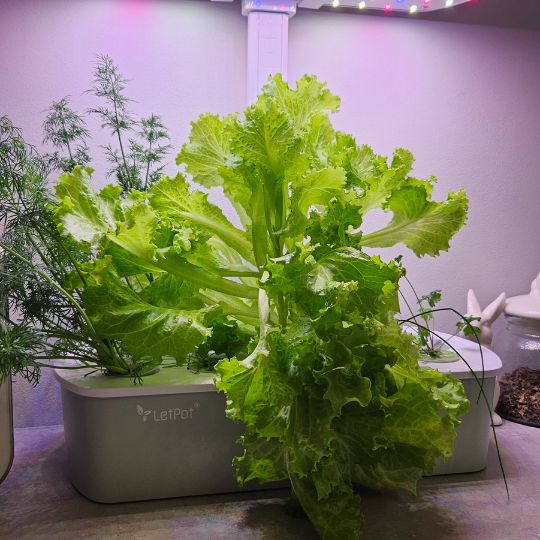
Leafy greens grow quickly indoors and are perfect for fresh, homegrown meals year-round. Many varieties can be harvested as baby leaves or regrown multiple times.
These seeds are excellent for smart gardens and indoor planters, offering fast results and reliable yields.
Vegetable Seeds for Indoor Growing
With the right varieties, growing vegetables indoors is both possible and practical. Compact plants and dwarf varieties are especially suitable for indoor conditions.
- Cherry tomato seeds
- Dwarf tomato seeds
- Chilli pepper seeds
- Broccoli seeds
- Kohlrabi seeds
- Pea seeds
- Radish seeds
- Lentil seeds
These vegetables can be grown for baby harvests, greens, or full production depending on your setup and available space.
Microgreens and Fast-Growing Seeds
Microgreens are harvested young and are valued for their nutrition, flavor, and fast growth. Because the entire plant is consumed, seed quality is especially important.
Organic seeds are particularly well suited for microgreens, as they are grown without synthetic chemicals and provide a cleaner growing and eating experience.
Flower and Specialty Seeds for Indoor Gardens
Indoor gardens are not only about food. Some seeds are grown for decoration, wellness, or family activities.
- Calendula seeds
- Chamomile seeds
- Easter grass seeds
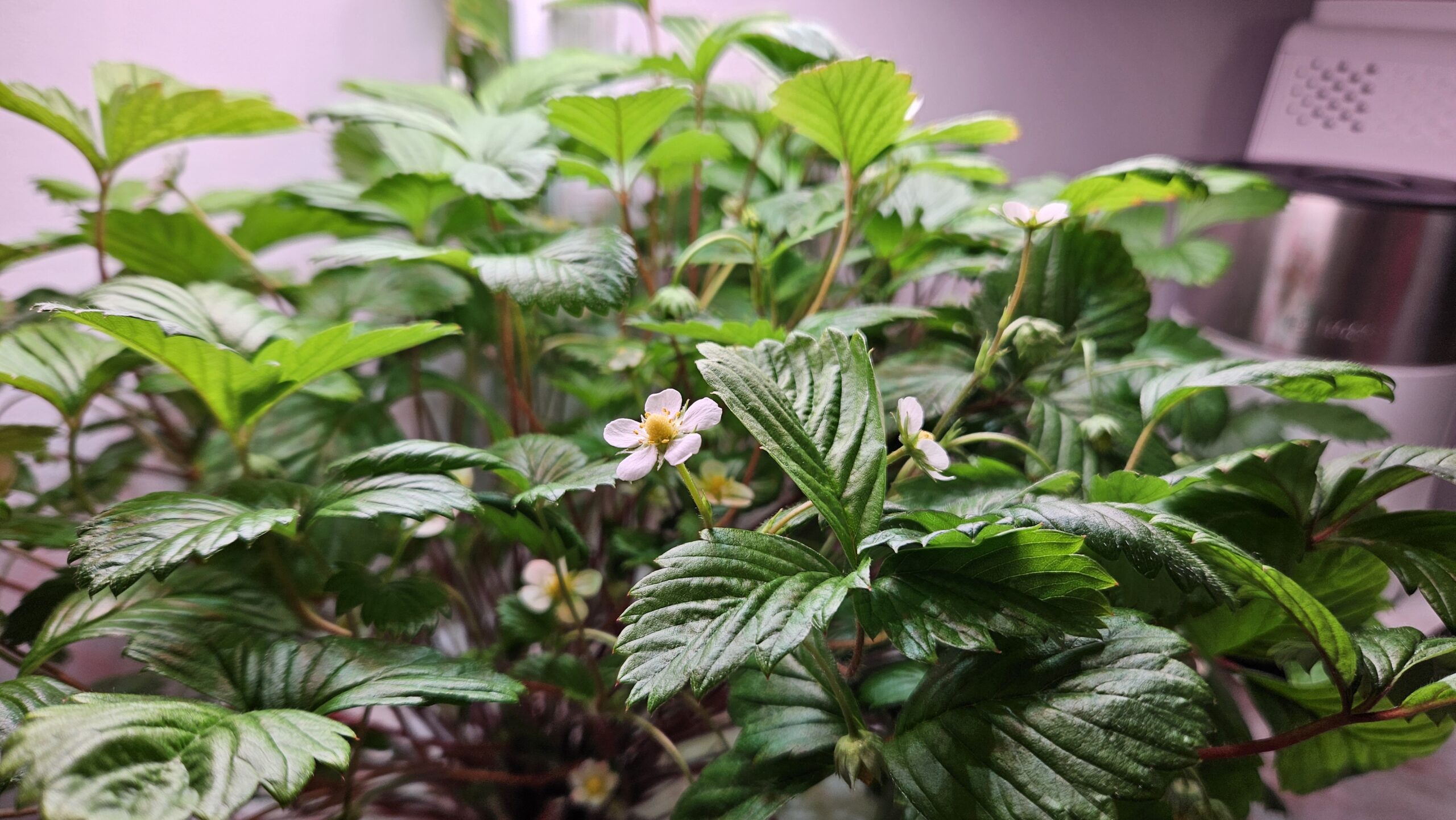
- Wild strawberry seeds (these are actually our top selling seeds and we grow also strawberries indoors all year round)
These seeds add variety to indoor gardens and are popular for teas, natural uses, seasonal décor, and even pet-friendly growing.
Choosing Organic Seeds for Indoor Gardening
Organic seeds are grown without synthetic pesticides, herbicides, or chemical fertilizers, and they are not genetically modified. They are especially suitable for indoor growing, herbs, and microgreens, where plants are harvested young and consumed whole. Choosing organic seeds supports healthier plants, cleaner indoor environments, and a more natural growing experience at home.
Start Growing with the Right Indoor Garden Seeds
Whether you are growing herbs on your kitchen counter, leafy greens in a smart garden, or microgreens for daily nutrition, choosing seeds designed for indoor growing makes all the difference. With the right indoor garden seeds, you can enjoy fresh harvests year-round and build confidence as an indoor gardener from the very first grow — our ultimate guide to indoor gardening for beginners can help you get started.