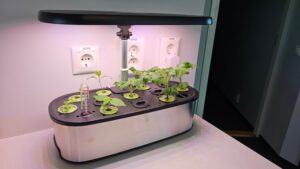
Short answer: at least 10 culinary herb seeds genuinely grow indoors year-round — from fast growers like basil and dill to slower perennials like rosemary and thyme — provided each gets 12 to 16 hours of light a day. In our Tallinn test kitchen, all 10 grow well both in windowsill pots and in a hydroponic smart garden.
I’m Anna, and herbs are the first thing I recommend to anyone starting out indoors. Over the past year I’ve kept herbs on our Tallinn windowsills and in a LetPot smart garden side by side, tracking which survive the grey Baltic winter and which just give up. This guide lists the 10 that earned a permanent spot, grouped by growth speed and light need, so you can choose by the space you actually have rather than guessing.
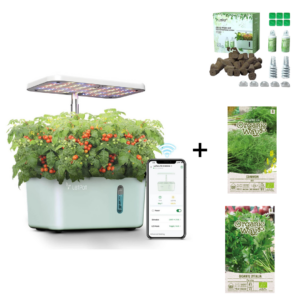
What we used — tested in our Tallinn test kitchen, ships from Estonia across the EU.
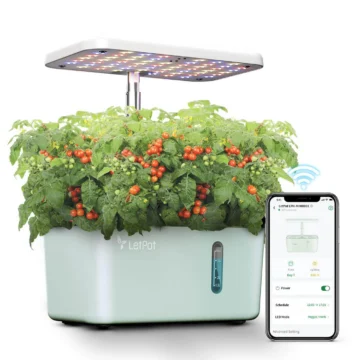
LetPot Mini 5-Pod Smart Indoor Hydroponic Garden – Grow Herbs, Greens & Veggies Year-Round
59,00 €Add to cart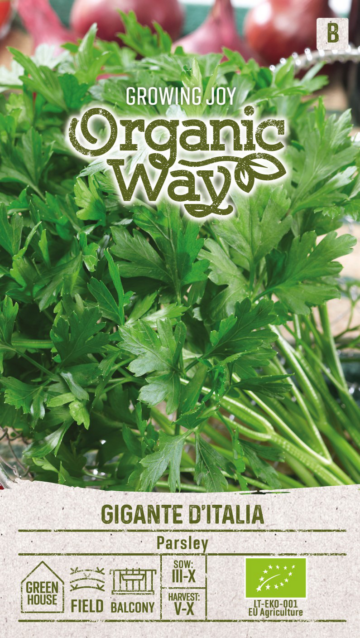
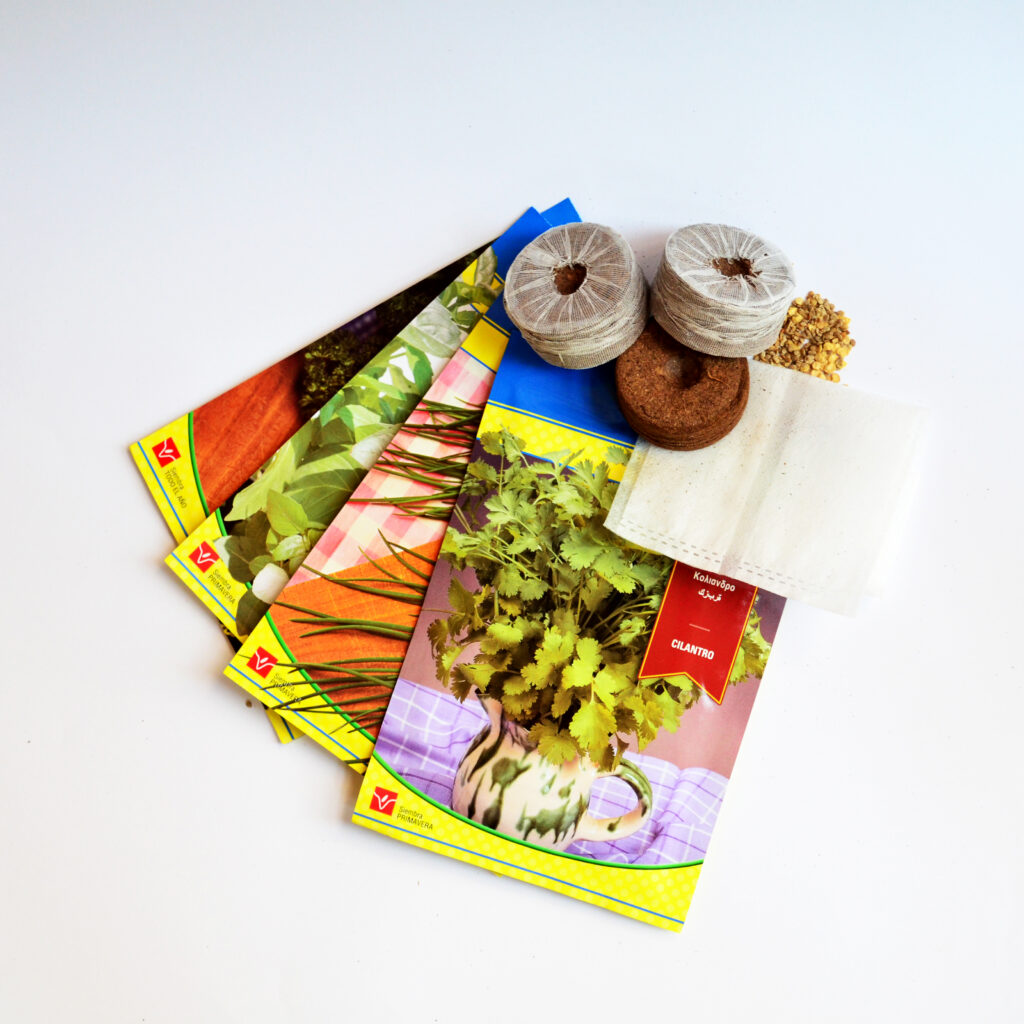
Organic Parsley ‘Gigante d’Italia’ Seeds | Smooth-Leaf Parsley for Hydroponics & Smart Indoor Gardens
1,99 €Add to cart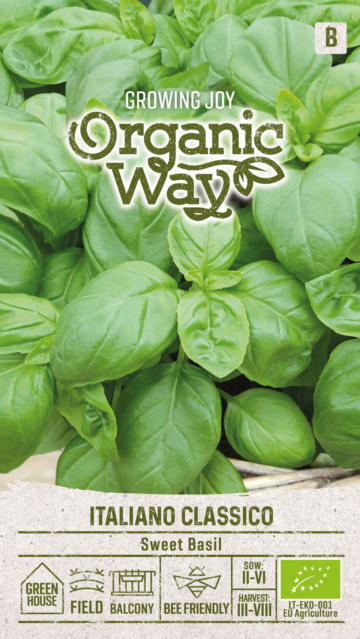
Organic Sweet Basil Italiano Classico Seeds | Aromatic Culinary Basil for Hydroponics & Smart Indoor Gardens
1,99 €Add to cart
What actually decides whether a herb grows indoors
Most “will this herb grow indoors” questions come down to light, not soil or watering skill. On a bright south-facing sill in summer, most of the herbs below get enough natural light. From October to March at Baltic latitudes, natural light drops to a fraction of what these plants need, which is why a supplemental LED or a self-lit hydroponic pod carries most of the growing season here. We sort every herb below into a light band so you know which ones need help first.
Fast annual herbs: basil, dill, coriander and cress
These four give the quickest payoff for a beginner. Basil wants 14 to 16 hours of light and steady warmth around 20 to 25°C, and rewards regular pinching with two to three months of continuous harvest from one sowing. Coriander and dill both bolt quickly in heat, so cooler, bright conditions suit them better than a hot windowsill, and both are ready to cut within a few weeks of sowing. Garden cress is the fastest of the four by far, ready in as little as 6 to 8 days, and needs only a shallow tray and bright indirect light rather than a full growing setup. All four do well in soil pots or hydroponic pods, since they prefer the substrate staying lightly and evenly moist rather than drying out between waterings. Browse the full range under herb seeds.
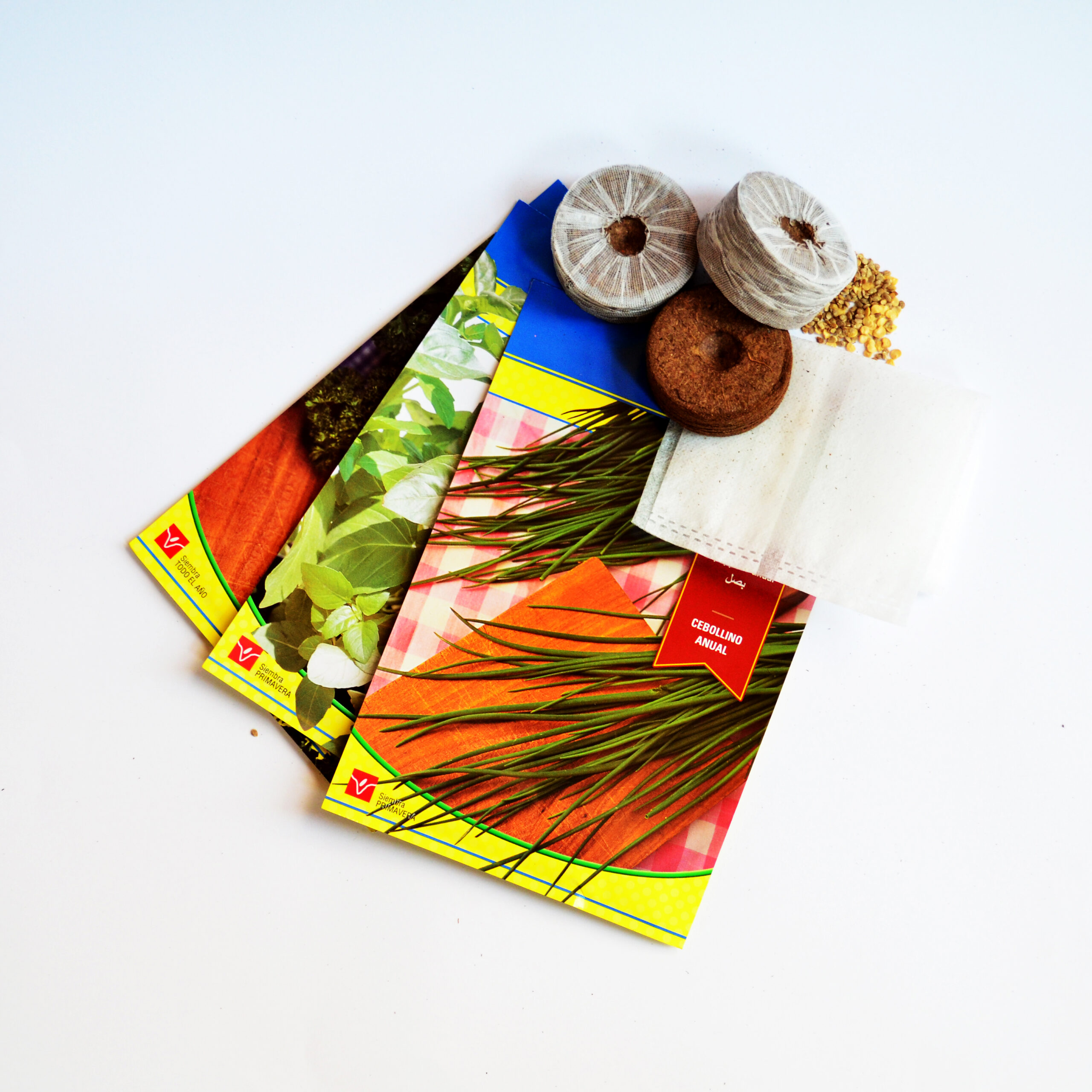
Slow perennials: rosemary, thyme, sage and lavender
These herbs are Mediterranean natives, and that background explains how to treat them indoors: bright light, full sun where possible, and soil that dries out between waterings rather than staying moist. Rosemary and lavender are the pickiest about drainage, since constantly damp roots are the most common way we’ve killed both in testing. Thyme tolerates poorer, grittier soil and rewards you with a bushier plant if you trim regularly rather than letting it get leggy. Sage wants full sun and dislikes damp, low-light winters, so a supplemental grow light matters more for sage than for the others once autumn arrives. None of these grow as fast as the annuals above, but a single well-established plant can keep producing for two to three years.
Moisture-loving herbs: parsley, chives and mint
This group is the opposite of the Mediterranean set: all three prefer soil or a hydroponic reservoir that stays consistently moist rather than drying out. Parsley is forgiving of beginner mistakes and does well in moderate light, making it a safe second herb after basil. Chives are a hardy perennial that tolerates cooler temperatures and even partial shade, and clipping the leaves with scissors encourages fast regrowth. Mint is the one to isolate in its own pot, since it spreads aggressively and will crowd out anything sharing its container within a season. In a hydroponic smart garden, all three benefit from the constant moisture the reservoir provides, which is part of why we run most of them in mini smart gardens rather than soil pots.
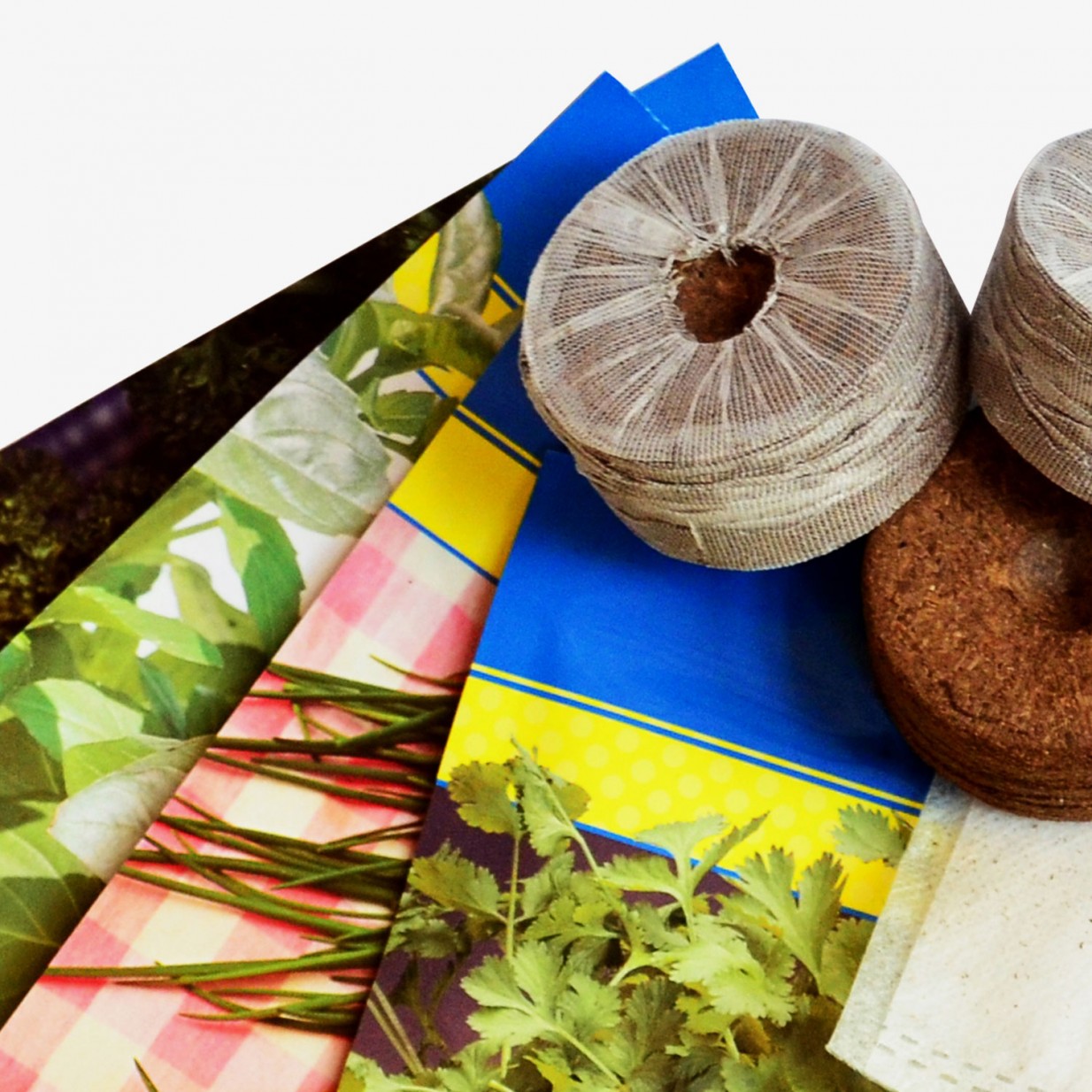
Windowsill pot or hydroponic smart garden
Both routes grow every herb on this list, and the choice comes down to how much daily attention you want to give it and how dark your kitchen gets in winter. A soil pot on a bright windowsill is the cheaper starting point and works well for the Mediterranean perennials that want to dry out between waterings. A hydroponic smart garden runs its own timed LED and reservoir, which removes the winter light problem entirely and suits the moisture-loving group especially well, since the constant water supply matches what parsley, chives and mint actually want.
| Herb | Germination / first cut | Light need | Price |
|---|---|---|---|
| Sweet basil ‘Italiano Classico’ | 3-4 weeks, then weekly cuts | 14-16 h | €1.99 |
| Parsley ‘Gigante d’Italia’ | 3-5 weeks | 10-14 h | €1.99 |
| Garden cress | 6-8 days | 10-12 h | from €1.39 |
| Rosemary, thyme, sage (perennials) | Slow start, produces 2-3 years | Full sun, 12+ h | from €1.49 |
| LetPot Mini 5-pod smart garden | — | Automatic 16 h cycle | €59.00 |
Frequently asked questions
Which herb is easiest to grow indoors for a beginner?
Basil and parsley are the two most forgiving. Basil grows fast and tells you clearly when it’s unhappy, while parsley tolerates moderate light and beginner watering mistakes better than most herbs on this list.
Do all 10 of these herbs need a grow light?
Not in summer, when a bright window supplies enough natural light for most of them. From autumn to spring at Baltic latitudes, natural light drops well below what these herbs need for steady growth, which is when a supplemental LED or a self-lit hydroponic system starts to matter.
Can I grow rosemary in a hydroponic smart garden?
You can, but it is more forgiving in soil that dries out between waterings. If you do grow rosemary, thyme or sage hydroponically, let the reservoir run lower than you would for parsley or basil, and watch for any sign of rot at the base.
Why does my mint take over its pot?
Mint is a naturally vigorous spreader. Give it its own container rather than sharing with other herbs, and divide the plant every year or two if it starts crowding its pot.
How many of these herbs can I grow at once in a small kitchen?
A 5-pod smart garden comfortably runs five of the moisture-loving or fast annual herbs at once, while two or three soil pots on a windowsill cover the Mediterranean perennials. Most home kitchens have room for 6 to 10 herbs running together without feeling crowded.
Do herb seeds work equally well in soil and hydroponics?
Yes. The same seed varieties germinate in either potting soil or a hydroponic grow sponge — only the medium and nutrient supply changes, not the seed itself.
If you want to fix this today
If you already know which group fits your kitchen, start there: fast annuals for a quick first harvest, or the moisture-loving group if you want a low-maintenance hydroponic setup. The LetPot Mini is the easiest way to run five herbs on one timer, and our full herb seeds range covers all 10 varieties in this guide.