
If you have ever looked at a wall covered in lush, growing plants and wondered why anyone would go through the trouble, the answer is usually pretty simple: space. Most of us do not have a backyard or even a balcony big enough to grow the plants we want. A vertical garden solves that problem by turning an unused wall or corner into productive growing space. But space-saving is just the beginning of why people are drawn to this setup.
The Space Problem Most Indoor Gardeners Face
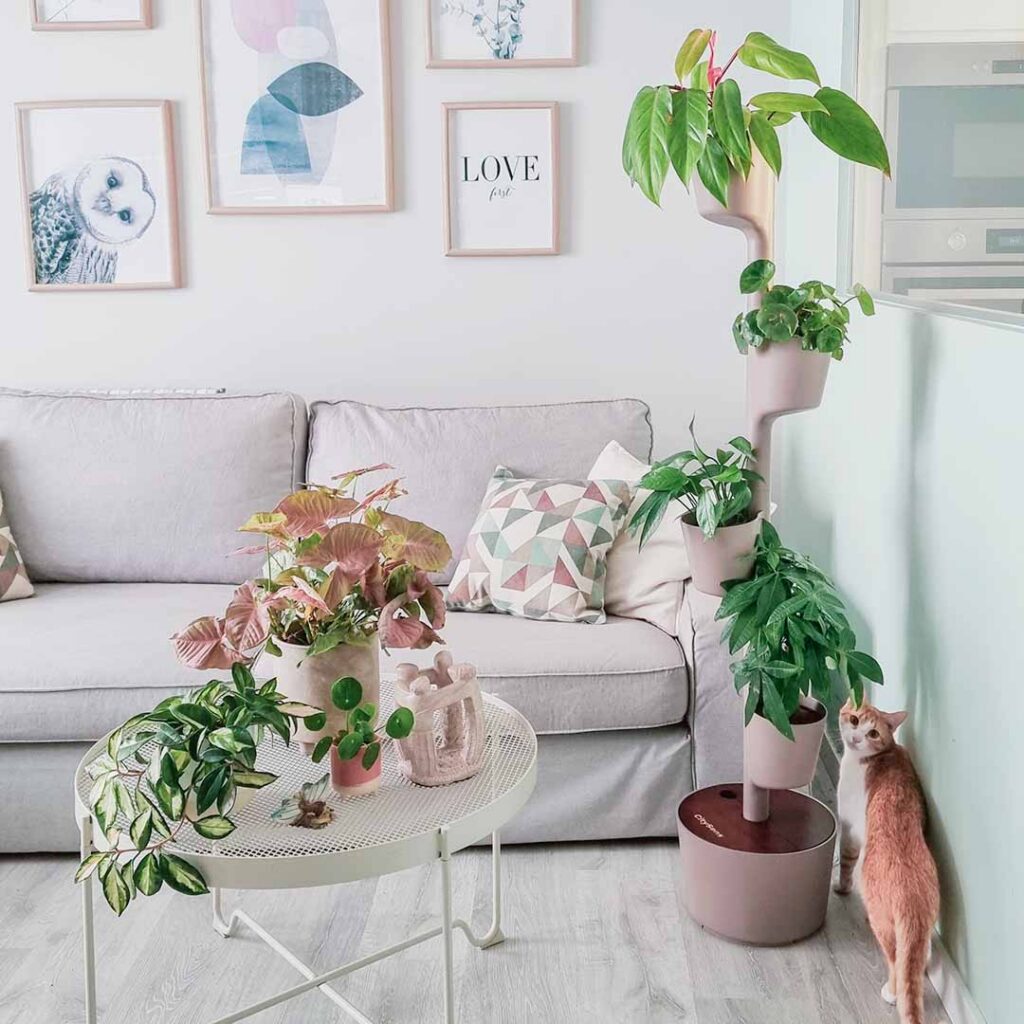
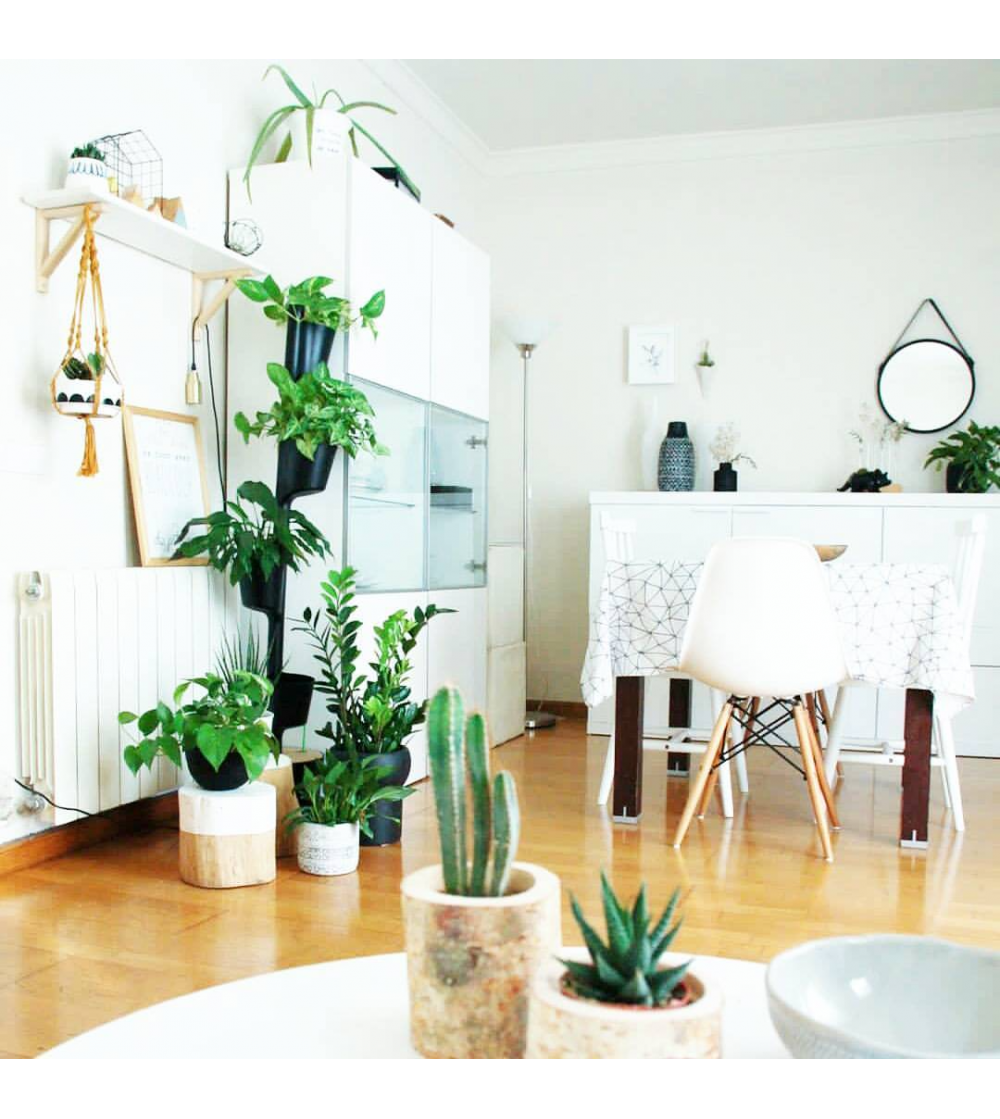
Apartment living, smaller homes, and urban lifestyles have pushed a lot of people to get creative with where they grow things. Floor space is limited and already taken up by furniture, but walls are almost always empty. A vertical garden takes advantage of that. You can grow herbs, leafy greens, strawberries, or decorative plants in a fraction of the footprint a traditional planter would need. For anyone living in a city, this shift from horizontal to vertical growing can genuinely change what is possible.
I started experimenting with vertical setups because I ran out of windowsill space long before I ran out of plants I wanted to grow. Moving upward rather than outward opened up a whole new way of thinking about indoor growing.
Air Quality and the Living Wall Effect
There is solid research behind the idea that plants improve indoor air quality. Studies from institutions like Penn State Extension have highlighted how houseplants can help filter certain volatile organic compounds from indoor air. A vertical garden, especially one with dense planting, amplifies this effect simply because you are fitting more plants into a single area. More leaf surface means more air interaction.
Beyond the measurable air quality benefits, there is something about having a wall of living plants that changes how a room feels. It is quieter, visually calmer, and noticeably fresher. That is not just aesthetic preference — Harvard Health has covered the psychological benefits of exposure to nature and greenery, which translates well to bringing that experience indoors.
Growing Food in Small Spaces
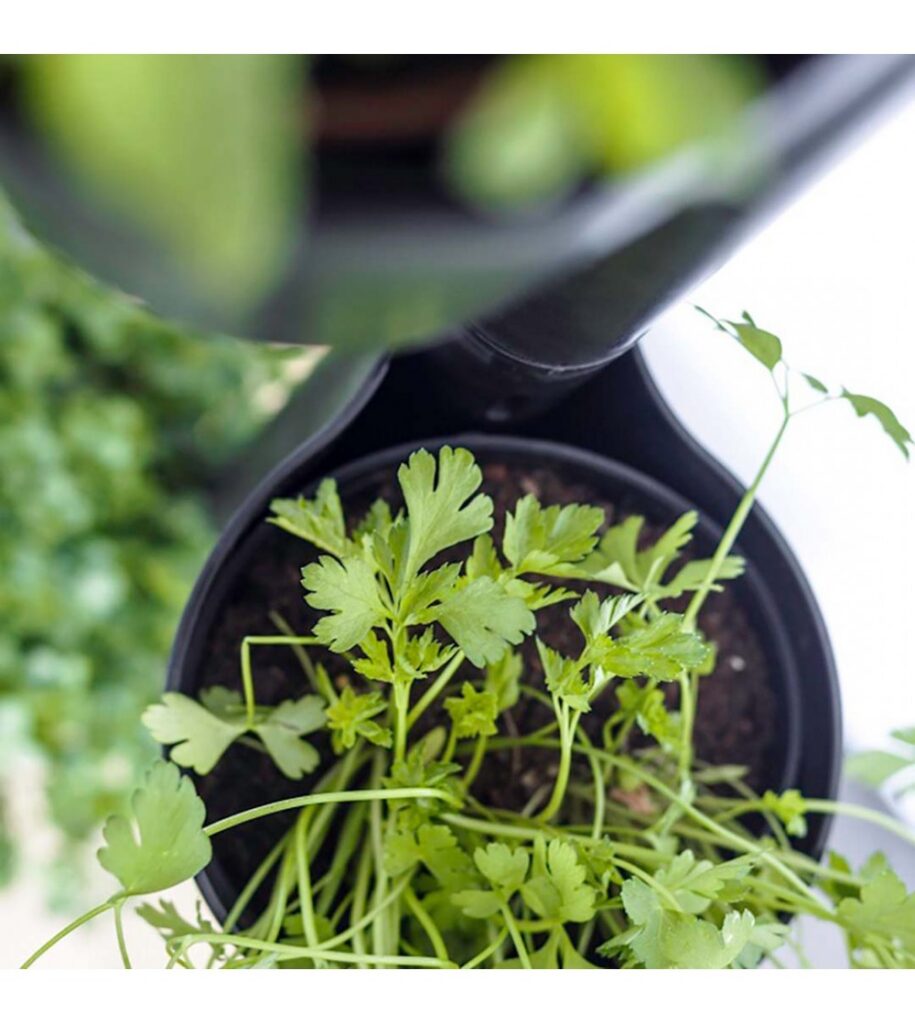
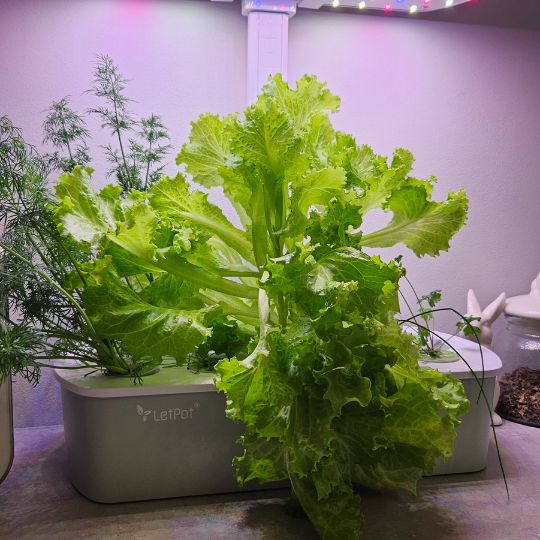
A lot of people turn to vertical gardens specifically because they want to grow food but do not have a garden. Herbs like basil, mint, and parsley do very well in vertical setups. Leafy greens such as lettuce and spinach also thrive with the right light and watering system. The key advantage of growing vertically for food is that you can keep your kitchen herbs within reach without cluttering your countertops.
With a well-designed vertical planter, you can run a simple drip or wicking system that keeps moisture consistent across all levels. This matters more than most beginners realise — uneven watering is one of the main reasons herbs fail indoors. A good system removes most of that guesswork.
Why the System You Use Matters
Not all vertical planters are equal. Some are purely decorative pocket systems that dry out quickly and make consistent watering very difficult. Others are purpose-built with water reservoirs, modular slots, and proper drainage that genuinely supports plant health rather than just holding plants in place.
If you are serious about vertical growing — whether for food, herbs, or decorative plants — it is worth investing in a system designed to handle moisture management well. The vertical planters at IndoorGarden are a good starting point if you want something that fits an apartment or home setup without requiring a complicated installation.
Aesthetic Appeal and Interior Design
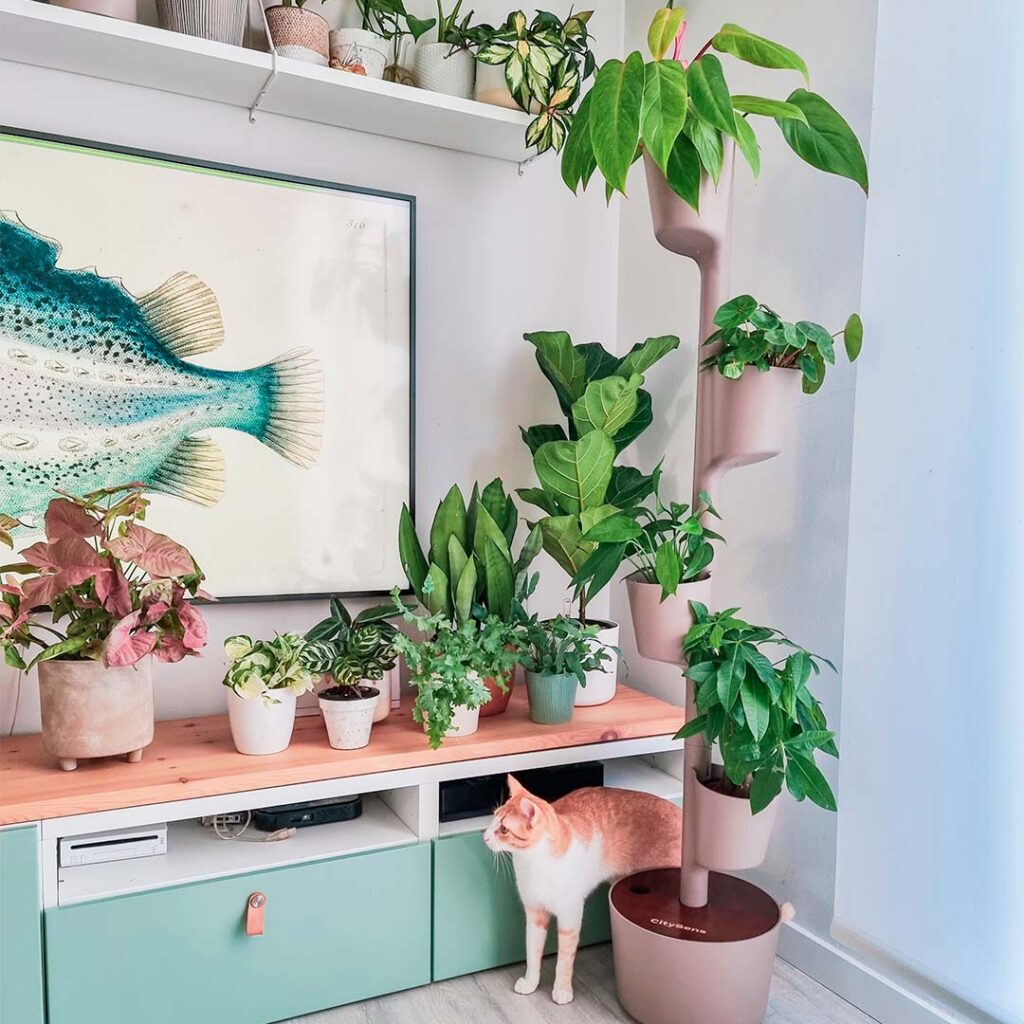
It would be dishonest to ignore the visual side of vertical gardens. They have become popular partly because they look genuinely beautiful when done well. A wall of healthy, green plants adds texture and life to a room in a way that no piece of furniture or wall art quite matches. For people who care about how their home looks and feels, a vertical garden delivers on both the practical and the visual.
This is also why modular systems have become so popular. You can start small with a few panels or pockets and expand over time as you get comfortable with the maintenance and find what grows best in your specific light conditions. There is no commitment to covering an entire wall from day one.
Low Maintenance When Set Up Correctly
One of the bigger myths about vertical gardens is that they are high maintenance. In my experience, the opposite is true once you get the setup right. A vertical planter with a built-in water reservoir needs far less daily attention than a row of individual pots. You fill the reservoir, and the system distributes moisture gradually. You check on it every few days rather than watering every single plant individually each day.
The main things to stay on top of are light and nutrients. Most herbs and leafy greens need around 12 to 14 hours of light per day to grow well indoors. It is worth knowing that vertical planters do not come with built-in grow lights, so placement matters. A bright south or west-facing wall works well for much of the year. In winter, though, natural light in Northern Europe drops significantly — days get short and the light angle is weak. That is when adding a separate grow light makes a real difference. Positioning one above or beside your vertical planter keeps your plants growing steadily through the darker months. You can find suitable options in the grow lights section at IndoorGarden. Liquid nutrients added to the water once a week are usually enough to keep everything healthy and productive.
Who Uses Vertical Gardens Most
From what I have seen, vertical gardens attract a few consistent groups of people. Apartment dwellers who want to grow food but have no outdoor space. Plant lovers who have run out of floor and shelf space and want to keep adding to their collection. People renovating or redesigning a room who want a design feature that also serves a practical purpose. And beginners who want to start growing indoors but want a contained, manageable system rather than a scattered collection of individual pots.
What all of these people have in common is that they want growing to fit into their actual life — not require a lifestyle change around it.
Conclusion
People use vertical gardens because they solve real problems: limited space, poor air quality, the desire to grow food, and the want for a home that feels alive and connected to nature. When the system is set up well, the maintenance is manageable and the rewards — fresh herbs, cleaner air, a more beautiful room — are easy to see. If you are thinking about starting a vertical garden, take a look at the vertical planters available at IndoorGarden to find a setup that fits your space. If you have already tried vertical growing, I would love to hear what has worked best for you — drop your experience in the comments.