
Soil choice is one of those things that seems straightforward until your plants start struggling and you cannot figure out why. In a vertical planter, it matters more than in a regular pot — the structure of the growing medium directly affects drainage, moisture retention, and how well roots develop across multiple levels. Get it wrong and you end up with waterlogged pockets at the bottom and bone-dry ones at the top. Get it right and the whole system runs smoothly with minimal fuss.
Why Regular Garden Soil Does Not Work
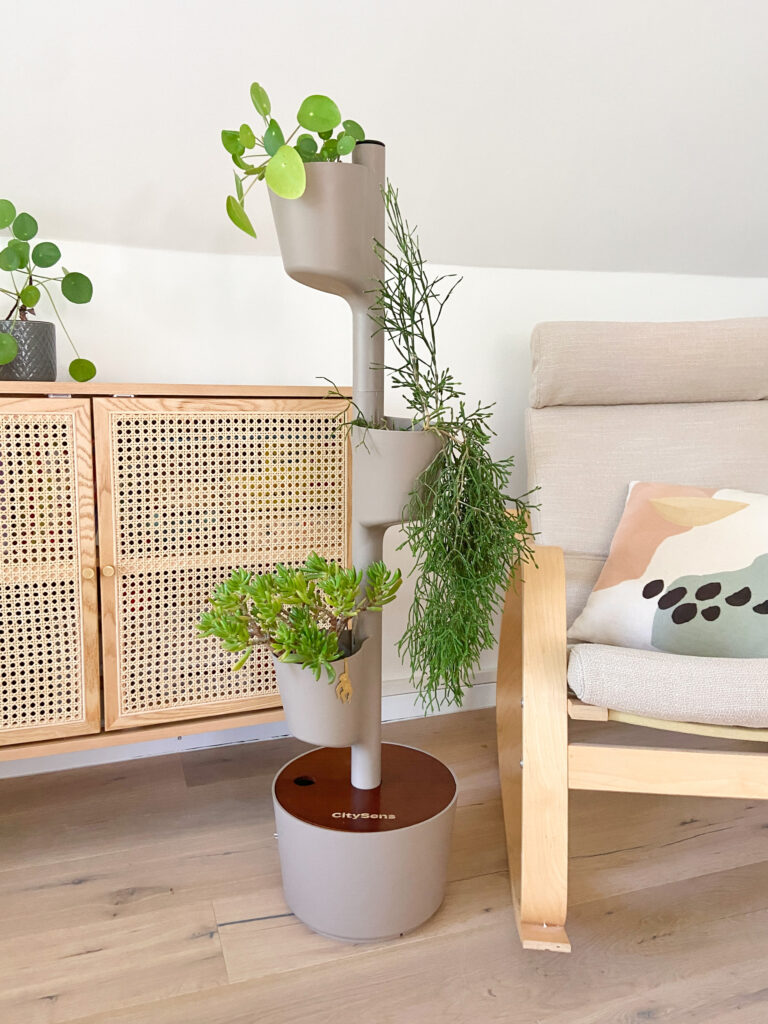
The first mistake most beginners make is filling a vertical planter with standard garden soil from the yard or a cheap general-purpose bag. Garden soil is too dense for container growing. It compacts quickly, restricts airflow around roots, and holds water in a way that suffocates plants rather than feeding them. In a vertical setup where each pocket or slot has limited volume, compaction becomes a problem fast. Within a few weeks the soil turns into a solid block, roots cannot expand, and plants stall.
The same applies to heavy all-purpose potting mixes that are mostly peat and little else. They work fine in large pots where there is room to buffer, but in the confined spaces of a vertical planter they tend to stay wet too long at the bottom while drying unevenly higher up.
What to Look for in a Vertical Planter Soil Mix
The ideal mix for a vertical planter is light, airy, and able to hold just enough moisture without becoming waterlogged. You want something that drains well but does not dry out completely between waterings. A few key properties to look for are good aeration, reasonable water retention, and a structure that stays loose over time rather than compacting under its own weight.
A quality indoor potting mix designed for containers is usually the right starting point. These are formulated to be lighter than garden soil and typically include materials like perlite or coconut coir that improve drainage and aeration. You can find suitable options in the indoor potting soil mixes at IndoorGarden, which are selected specifically for container and indoor growing rather than outdoor garden beds.
The Role of Perlite and Coir
If you are mixing your own growing medium or want to improve an existing bag of potting soil, two materials make a significant difference. Perlite is a volcanic mineral that looks like small white granules. It creates air pockets in the mix, prevents compaction, and improves drainage without adding weight. Adding around 20 to 30 percent perlite to a standard potting mix transforms how it behaves in a vertical planter.
Coconut coir is the fibrous material processed from coconut husks. It holds moisture more evenly than peat moss, breaks down more slowly, and stays loose over time. Coir-based mixes are a good choice for vertical planters because they resist the kind of shrinkage that leaves gaps between the soil and the walls of a planter pocket — gaps that cause water to run straight through rather than being absorbed.
What About Nutrients in the Soil
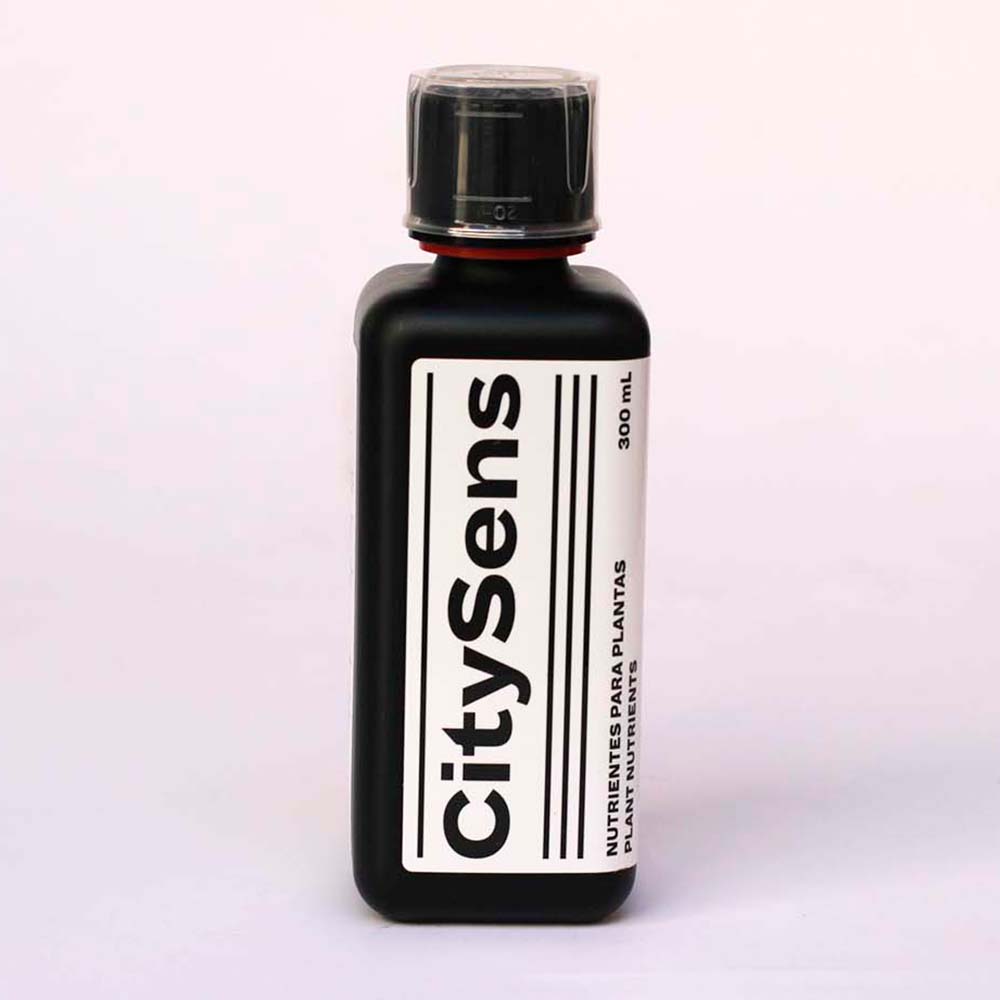
Most quality potting mixes come with a starter charge of nutrients built in, which is enough to support plants for the first few weeks. After that, you need to supplement. In a vertical planter, nutrients wash out faster than in a traditional pot because water moves through the system more quickly. I usually start feeding with a liquid fertiliser after the first three to four weeks and continue on a weekly basis through the growing season. The fertilisers for indoor plants are a practical place to look for something that works well in container setups like this.
Soil Depth and Volume Per Pocket
Something that often gets overlooked is how much soil volume each pocket in a vertical planter actually holds. Smaller pockets — anything under about 2 litres — limit what you can grow successfully. Shallow-rooted plants like lettuce, herbs, and strawberries handle these constraints well. Deeper-rooted plants like tomatoes or peppers need more volume and generally do not suit small vertical planter pockets regardless of how good the soil is.
If you are planning to grow herbs like basil, mint, or parsley, a well-draining indoor potting mix in a pocket with 1 to 2 litres of volume is perfectly adequate. For leafy greens, slightly more volume helps, but they are still well-suited to vertical growing. You can browse herb seeds suitable for indoor growing if you are still deciding what to plant.
Refreshing Soil Between Growing Cycles
One thing I have learned from running vertical planters over several years is that the soil needs refreshing more often than you might expect. In a traditional pot, you can get away with top-dressing with fresh compost and leaving the root structure largely intact. In a vertical planter, the small volume means nutrients deplete faster and the structure breaks down quicker. I replace or refresh the growing medium in each pocket at the start of every new growing cycle — typically once or twice a year depending on what I am growing.
When you refresh, it is also a good opportunity to check that drainage is working properly. If water is pooling or taking a long time to move through, it is a sign the mix has compacted and needs replacing rather than just topping up.
Matching the Soil to the Planter System
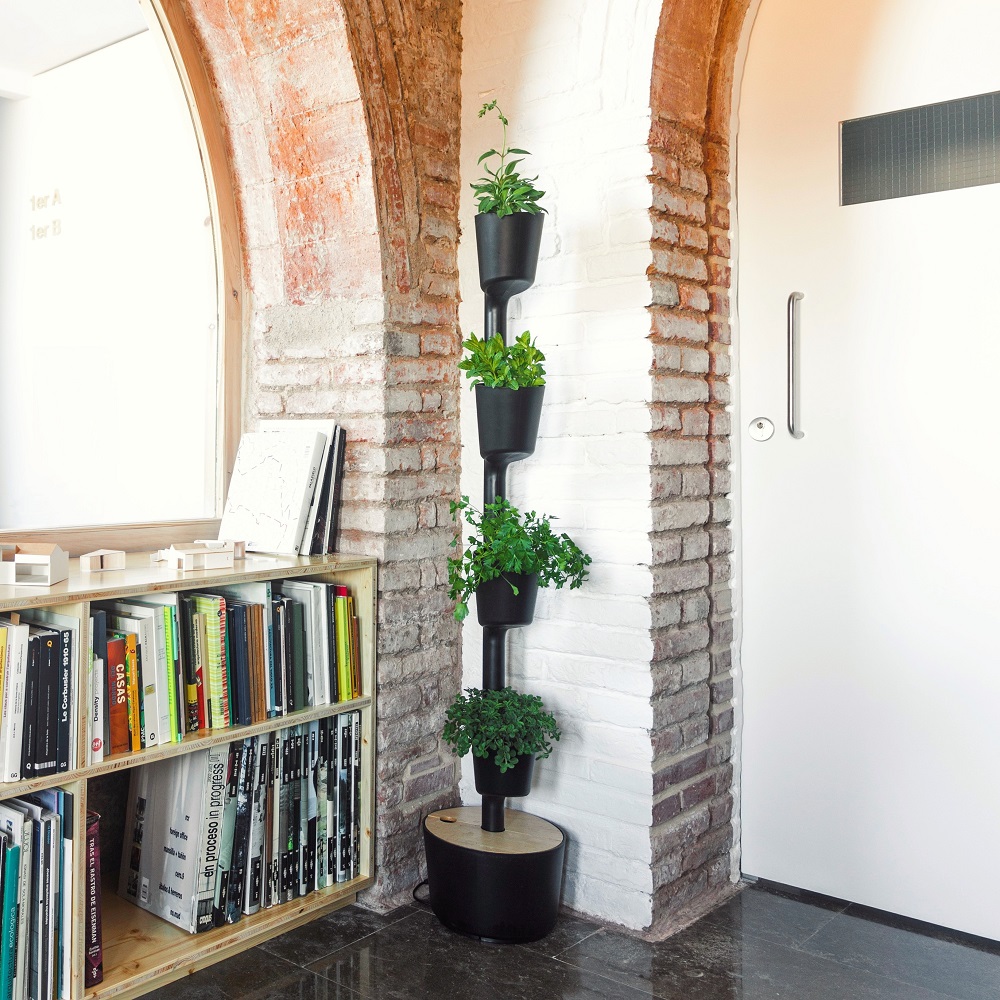
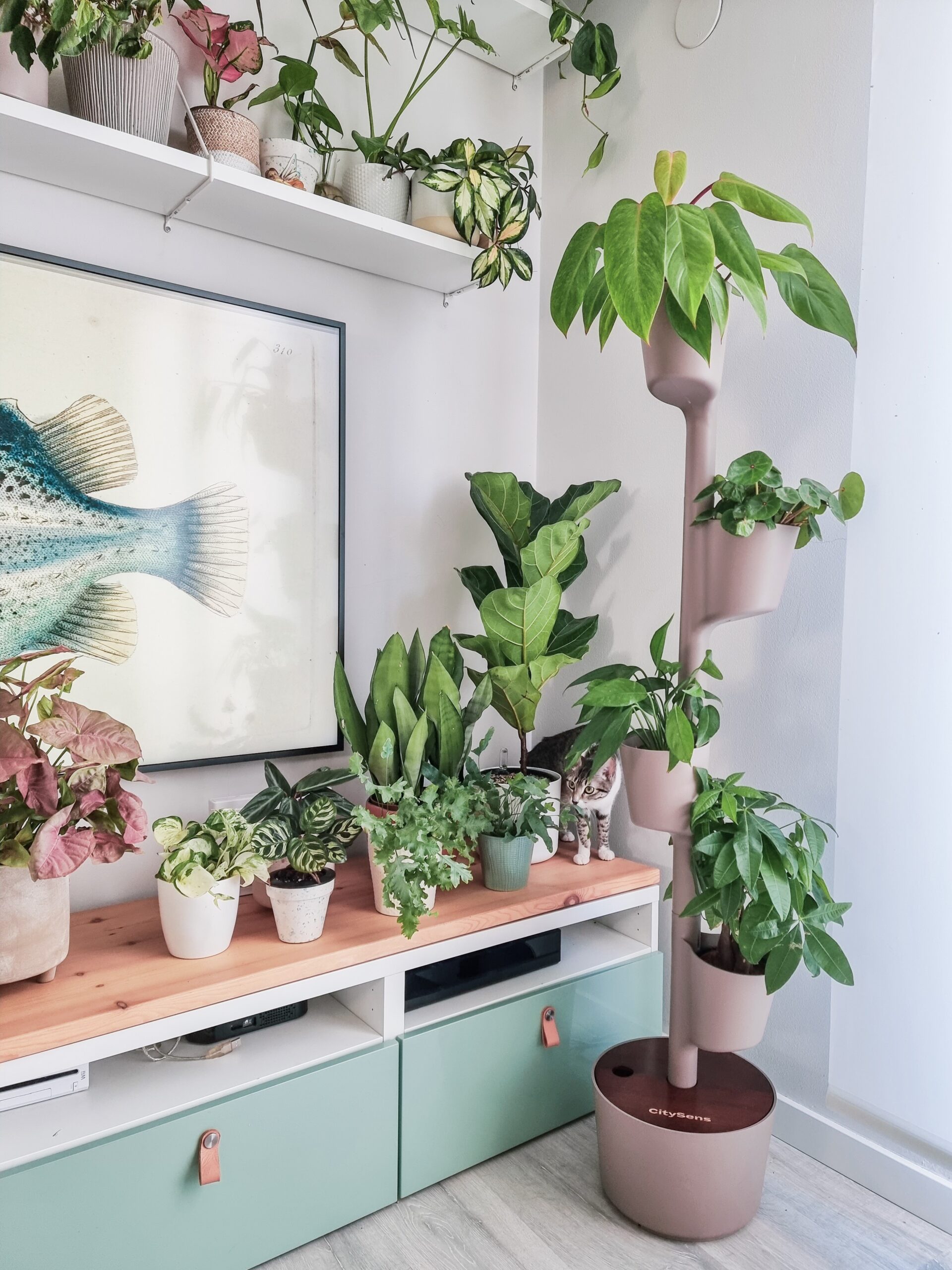
The type of vertical planter you use also influences which soil works best. A system with built-in water reservoirs and wicking channels benefits from a mix with good capillary action — meaning it can draw moisture upward from a reservoir. Coir-heavy mixes tend to perform well here. A simpler open-pocket or felt pocket system relies more on regular watering, so drainage matters more than wicking ability.
If you are still choosing a planter, take a look at the vertical planters at IndoorGarden to get a sense of what systems are available and how they are designed to handle moisture. Matching your soil choice to the specific system you use makes a bigger difference than most beginners expect.
Conclusion
The right soil for a vertical planter is light, well-draining, and resistant to compaction — a quality indoor potting mix, ideally with added perlite or a coir base, covers most situations. Avoid garden soil, avoid heavy all-purpose mixes, and plan to refresh the growing medium regularly. Pair it with consistent feeding and the right light conditions, and a vertical planter can be a highly productive setup for herbs, greens, and more. If you have questions about what is working in your setup, drop them in the comments — I would like to hear how others are approaching this.