
When you first get into growing plants from seed, the language around it can feel unnecessarily complicated. Germination, propagation, cotyledons, damping off — these terms come up constantly in growing guides and on seed packets, and if you do not know what they mean, following instructions becomes harder than it needs to be. This article covers the most common seed terminology you will encounter, including answers to some of the most frequently asked questions about what things are actually called.
What Is the Word for Seed Starting?
The proper term for starting seeds is germination — the process by which a seed begins to grow and a seedling emerges. The broader activity of starting seeds indoors before transplanting is usually called seed propagation or simply seed starting. If you are starting seeds in a controlled indoor environment, you might also see the term indoor propagation used. All of these refer to the same basic process: giving a seed the conditions it needs — warmth, moisture, and eventually light — to begin growing into a plant.
What’s It Called When You Start a Seed?
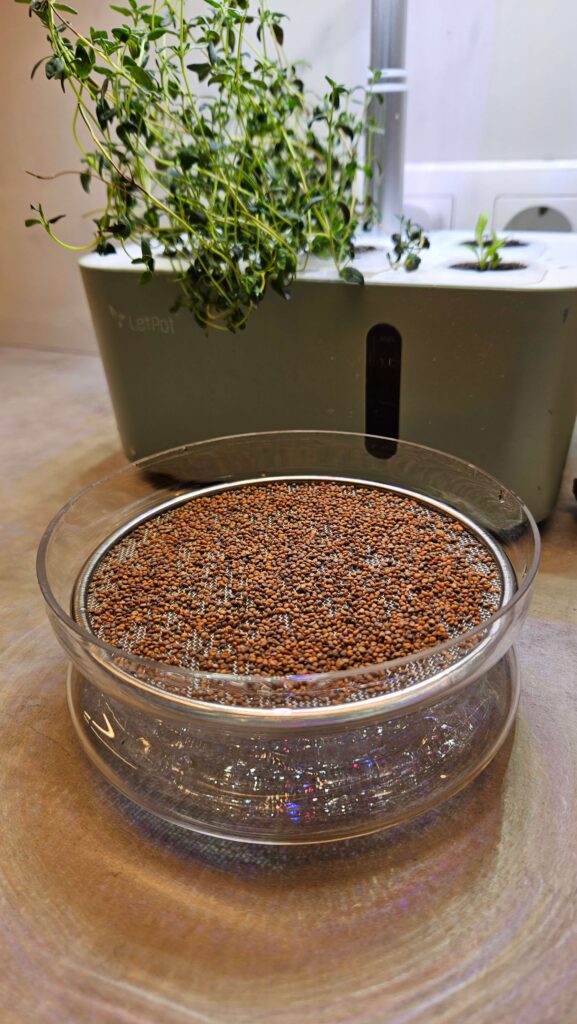
Starting a seed is called sowing. When you place a seed into soil or a growing medium, you are sowing it. The act itself is called a sow, and seeds are sown rather than planted — though in casual conversation the two are often used interchangeably. More technically, planting refers to putting an already-established seedling or bulb into the ground, while sowing refers specifically to placing a seed.
What Is Another Name for Seeds That Have Just Begun to Germinate?
Seeds that have just begun to germinate are often called sprouted seeds or sprouts. At the very first stage of germination, when the root tip just emerges from the seed coat, this is called radicle emergence — the radicle being the embryonic root. Once both a root and a shoot are visible, the seed is considered to have germinated and is technically a seedling, even if it is only a few millimetres tall.
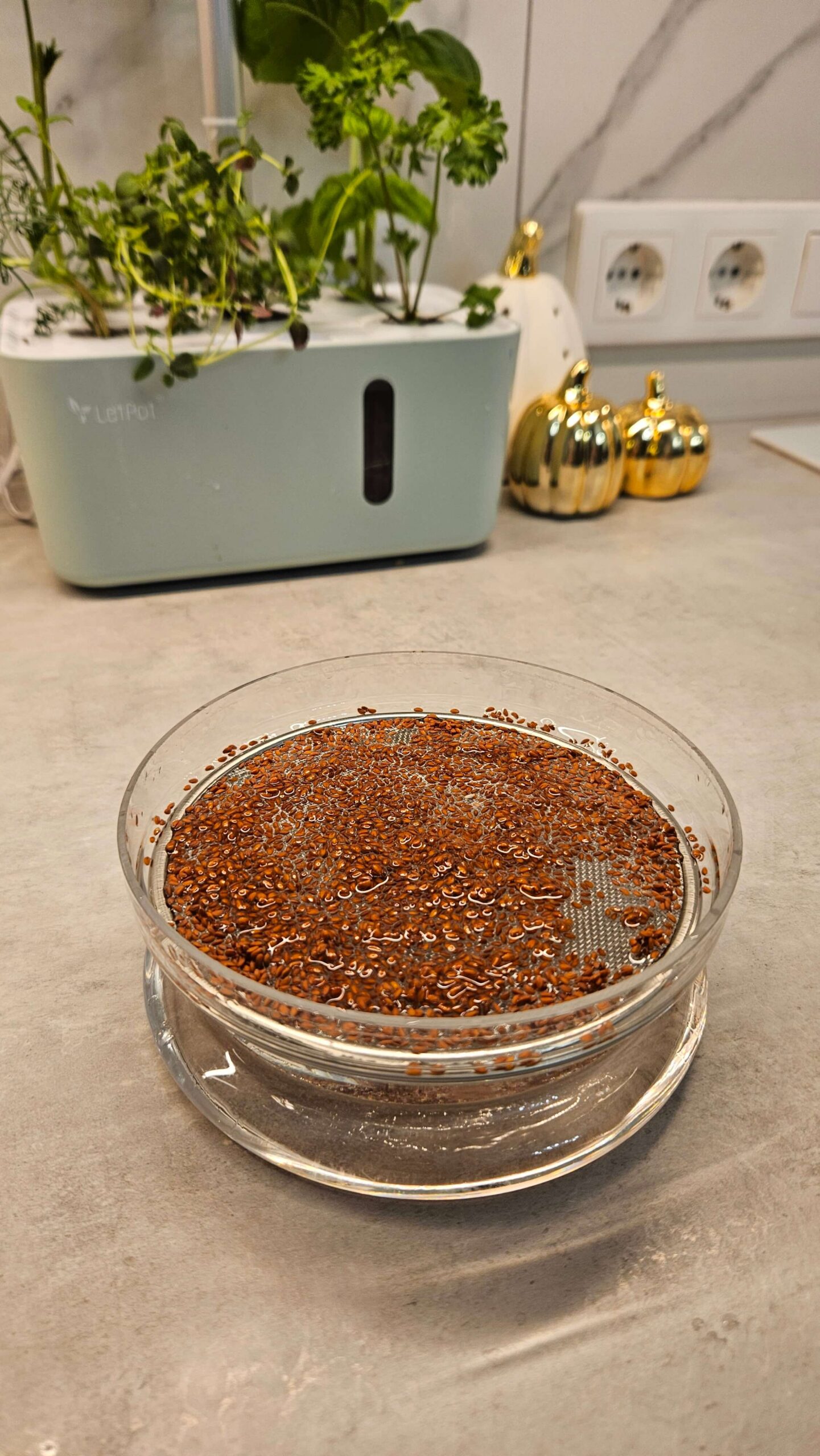
In the context of food growing, seeds that are germinated and eaten at this early stage — before they develop into full seedlings — are simply called sprouts. Microgreens are a related but distinct category: these are seedlings harvested slightly later, once the first true leaves begin to appear, and are grown in a growing medium rather than just in water. You can find a range of microgreen seeds if you want to grow either.
What Is the Stage Called When a Seed Begins to Grow?
The stage when a seed begins to grow is called germination. It starts when the seed absorbs water — a process called imbibition — and the embryo inside begins to activate. The seed coat softens and splits, the radicle (primary root) pushes downward, and the shoot pushes upward toward the surface. Germination is considered complete once the shoot, or hypocotyl, has emerged above the soil.
The conditions required to trigger germination vary by species, but for most common herbs and vegetables the requirements are consistent moisture, adequate warmth, and sometimes a period of cold treatment called stratification — though most common edible plants do not require this.
What Do We Call a Seed That Starts to Grow?
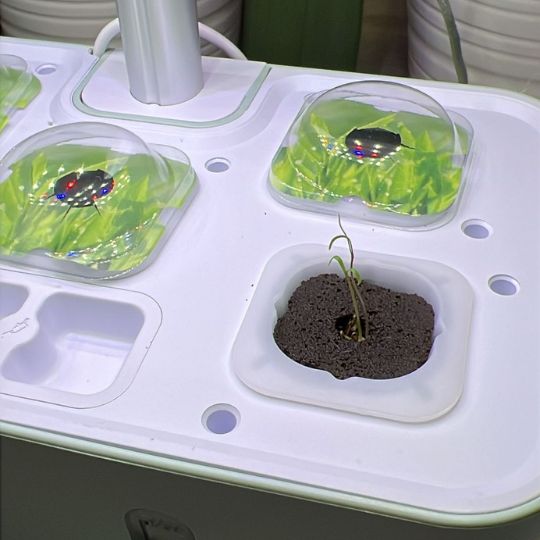
A seed that has started to grow is called a germinating seed or, once the shoot has emerged from the soil, a seedling. The very first leaves a seedling produces are called cotyledons (also called seed leaves). These are not true leaves — they are part of the seed’s embryo and serve as the seedling’s initial food source while the root system establishes itself. The first leaves that actually resemble the mature plant are called the first true leaves, and their appearance is an important milestone because it signals that the seedling is now producing its own food through photosynthesis and is ready for its first diluted feed.
What Is the Tiny Opening of a Seed Called?
The small opening or pore in a seed coat is called the micropyle. This is the point through which water enters the seed during imbibition to trigger germination. It is also the opening through which the pollen tube entered the ovule during fertilisation. On most seeds the micropyle is very small and not easily visible without magnification, but it is a critical structure in the germination process.
Synonyms for Germination and Seed Starting
Several terms are used interchangeably with germination and seed starting depending on context. Sprouting is the most common everyday synonym for germination. Propagation is the broader term covering all methods of starting new plants, including from seed, cuttings, division, and layering. Cultivation refers to the active process of growing plants and is often used to describe the whole growing cycle from seed to harvest. Germinating, sprouting, shooting, and emergence are all used to describe the visible signs that a seed has begun to grow.
In a more technical context you may also encounter seedling establishment, which refers to the period after germination when the young plant is developing its root system and first leaves before being transplanted or thinned.
Other Common Seed Terms Worth Knowing
Seed viability refers to whether a seed is still capable of germinating. Seeds lose viability over time, and storage conditions — cool, dark, and dry — have a significant effect on how long they stay viable. Most vegetable and herb seeds remain viable for two to five years if stored well.
Germination rate is the percentage of seeds in a batch that successfully germinate under ideal conditions. A packet labelled with an 85% germination rate means roughly 85 out of 100 seeds can be expected to sprout. Sowing a few extra seeds per pot accounts for the ones that do not.
Damping off is one of the most common problems in seed starting. It is a fungal condition that causes seedlings to suddenly collapse and die at soil level, usually due to excessive moisture, poor airflow, or contaminated soil. Using a clean growing medium and avoiding overwatering significantly reduces the risk.
Thinning is the process of removing weaker seedlings from a pot or tray to give the strongest one space to grow. It feels counterintuitive to remove plants you have just grown, but overcrowded seedlings compete for light, water, and nutrients and generally produce weaker plants as a result.
Hardening off is the process of gradually acclimatising seedlings started indoors to outdoor conditions before transplanting them outside. It involves moving them outdoors for increasingly long periods over one to two weeks so they adjust to wind, temperature variation, and direct sunlight.
Pricking out refers to the process of carefully transferring seedlings from a shared seed tray into individual pots once they are large enough to handle. Using individual cultivation pots from the start avoids this step entirely and reduces root disturbance.
Bolting is what happens when a plant — particularly a leafy vegetable or herb — switches from producing leaves to producing flowers and seeds prematurely, usually triggered by heat, long days, or stress. Bolted plants become bitter and less productive. Keeping temperatures consistent and harvesting regularly delays bolting in most edible plants.
Stratification is a cold treatment applied to certain seeds before sowing to simulate winter conditions and break dormancy. Most common herbs and vegetables do not require it, but some perennial and wildflower seeds do.
Conclusion
Understanding seed terminology makes it much easier to follow growing guides, read seed packets accurately, and troubleshoot problems when they arise. The core process — sowing, germination, seedling establishment — is straightforward once you know what each stage is actually called and what to look for. If you are ready to put the terminology into practice and want a full overview, our ultimate guide to indoor gardening for beginners covers everything from setup to harvest. If you are ready to put the terminology into practice, browse the full range of seeds for indoor growing to find something worth starting. And if there is a term you have come across that is not covered here, drop it in the comments and I will add it.