
A balcony can feel like wasted space or it can feel like an extension of your home — the difference is almost entirely about how you arrange and fill it. You do not need a large budget or a professional design eye to make a balcony look and feel like a proper garden. What you need is a clear sense of how to use vertical space, which plants work in your conditions, and how to layer things so the whole setup feels full and intentional rather than a collection of random pots. Here is how to approach it.
What Are the Basics of Planting a Balcony Garden?
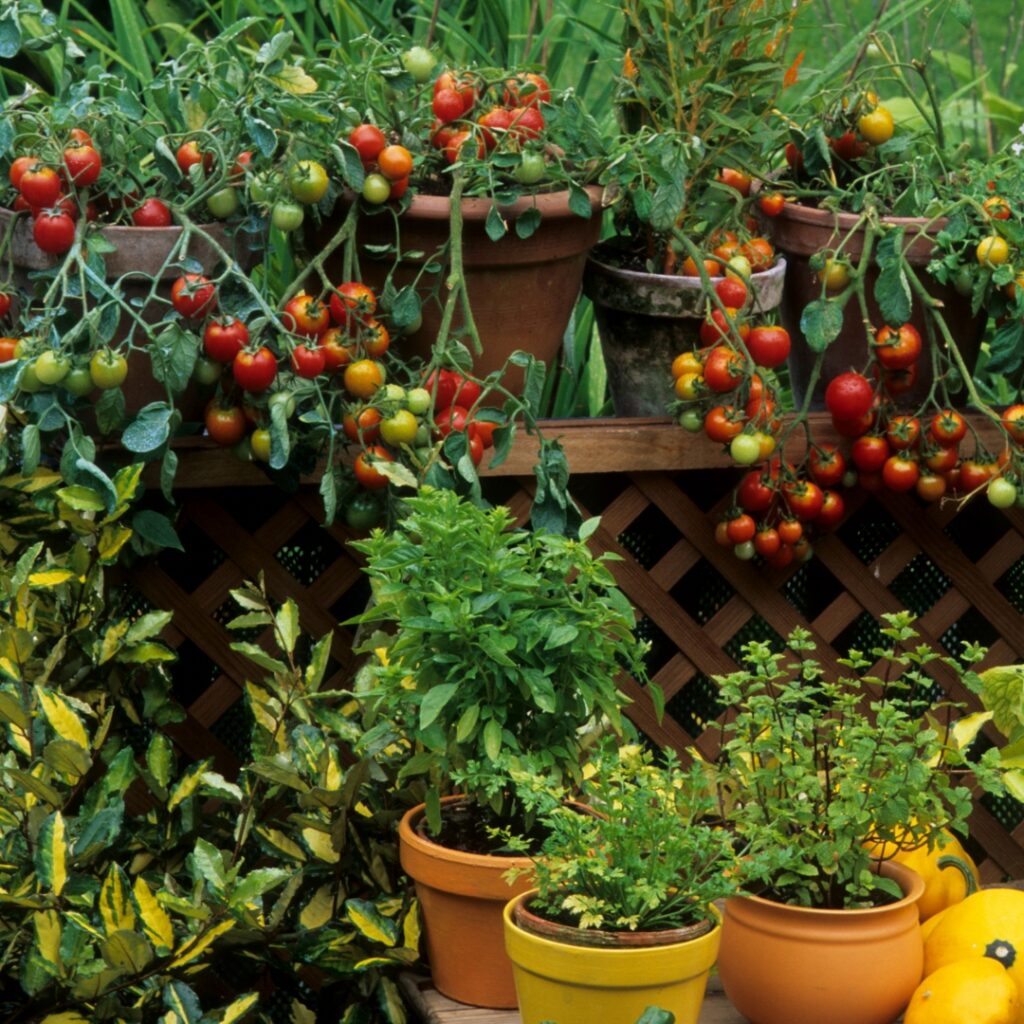
The first decision is how you are going to arrange your growing space. Balconies are almost always short on floor space but generous on wall and railing space that goes unused. Working vertically from the start — rather than lining up pots along the floor — immediately makes the balcony feel more like a garden and less like a storage area with plants in it.
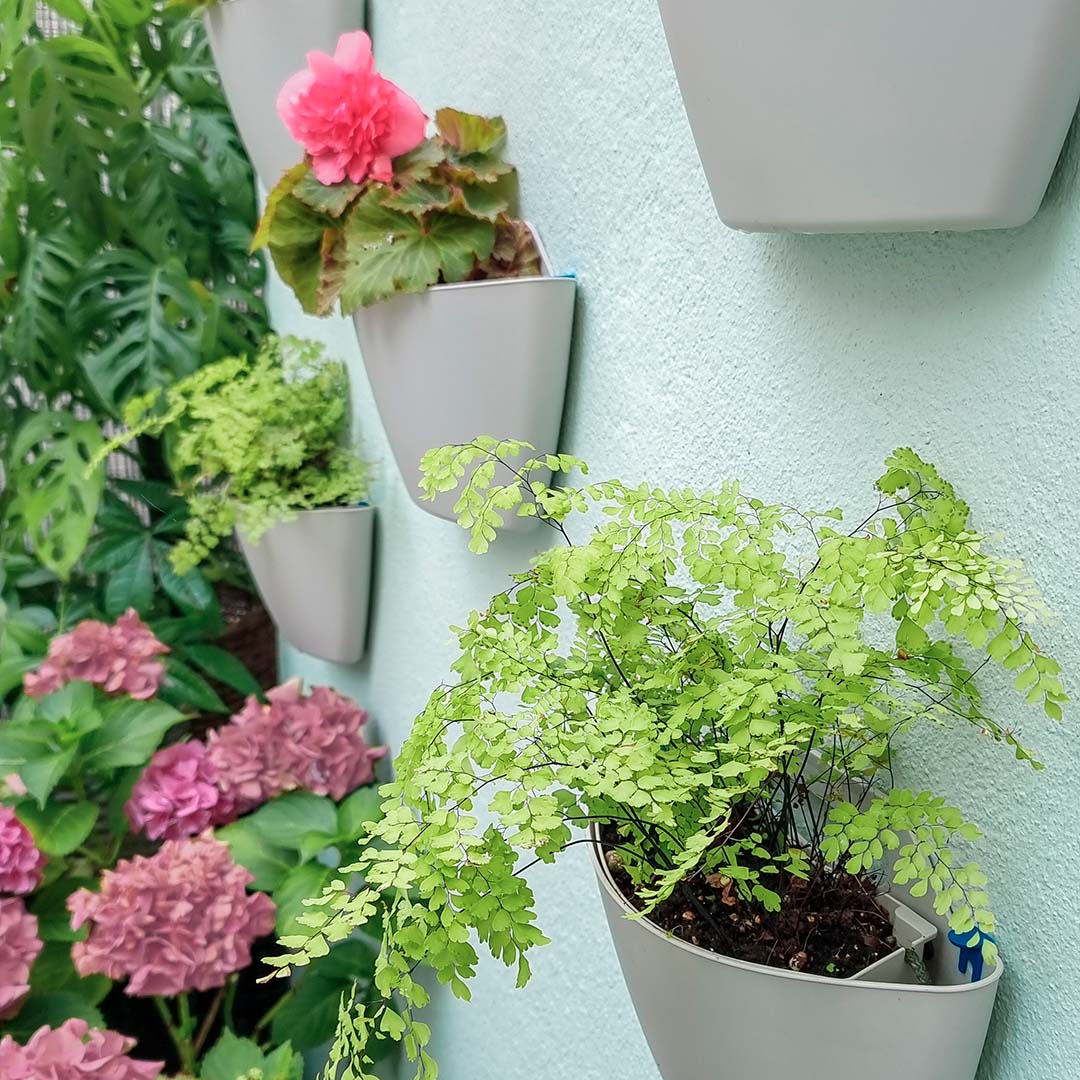
Wall planters fixed to the balcony wall or railing bring plants up to eye level and create the kind of layered greenery that makes a space feel lush. Vertical planters standing in a corner stack multiple plants into a compact footprint and are particularly effective on narrow balconies where floor space is limited. Modular plant shelves let you build height in a flexible way — adding or removing tiers as your collection grows. Combining all three creates genuine depth and variety without covering the entire floor.
How to Place Plants on a Small Balcony?
On a small balcony the principle is simple: keep the floor mostly clear and put as much as possible on walls, railings, and shelves. This preserves the feeling of space while maximising how many plants you can actually fit. A single vertical planter or a set of wall-mounted pockets along the railing can hold eight to twelve plants without using any floor space at all.
Group plants with similar light and water needs together — it makes maintenance easier and means you are not constantly moving things around. Taller plants or shelving units work best at the back or sides rather than in the centre, where they would block light from smaller plants in front. Leave enough clear space to actually sit and use the balcony, because a balcony you cannot enjoy is not much of a garden.
What to Put on an Outdoor Balcony?
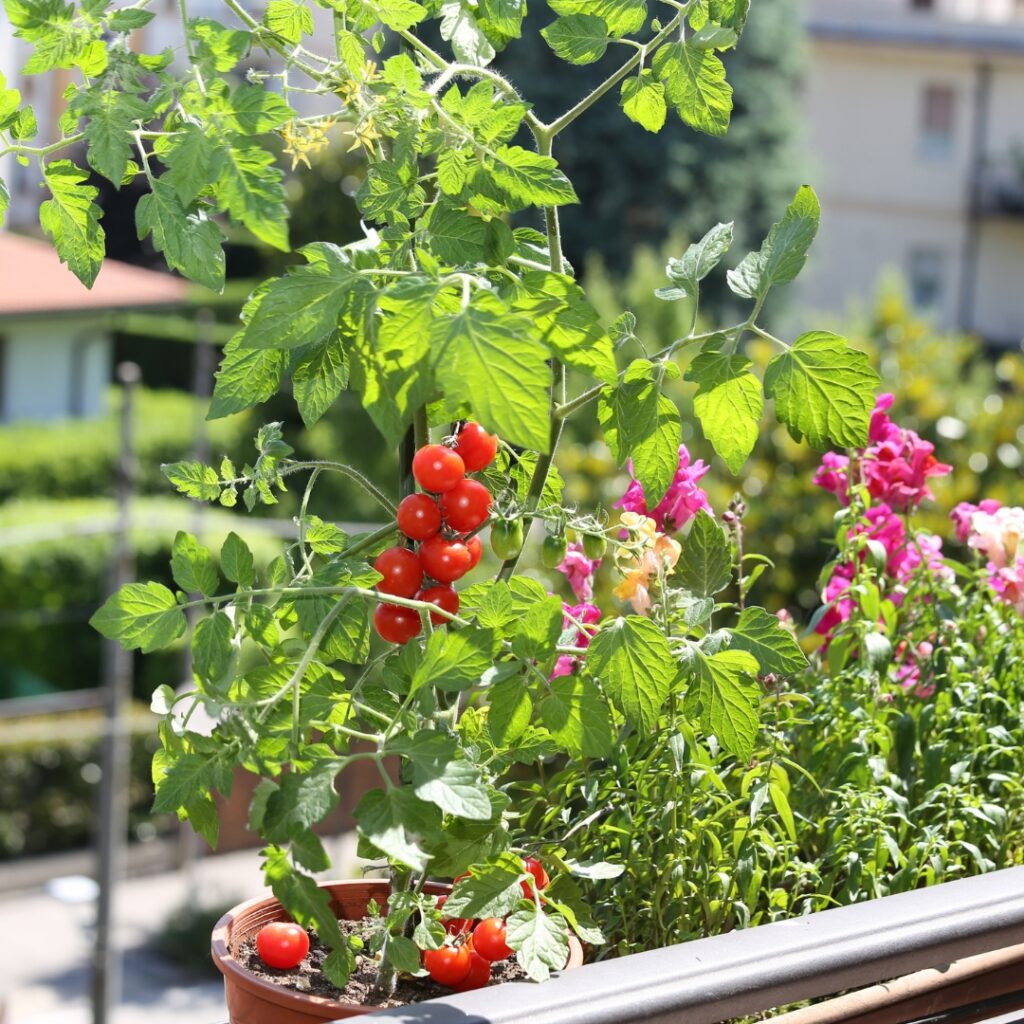
If you want your balcony to look like a garden and also produce food you can eat, the combination of herbs, leafy greens, and fruiting plants is hard to beat. A wall planter or railing-mounted pockets filled with basil, parsley, chives, and mint gives you a living herb wall that looks impressive and is genuinely useful every day. Herb seeds are easy to start and most varieties establish quickly outdoors in spring and summer.
For something with more visual height and structure, compact tomato or chilli pepper plants in larger containers anchor the space well. They grow upright, produce interesting foliage and colourful fruit, and give the balcony a productive feel that purely decorative plants simply do not. Tomato seeds in a compact or bush variety and chilli pepper seeds are worth growing at least one of if your balcony gets reasonable sun.
Strawberries add another dimension — they trail slightly as they grow and produce runners that hang attractively over the edge of a container or wall planter. A few strawberry plants scattered through the setup add colour and variety alongside the herbs and greens.
What Are Low-Maintenance Balcony Plants?
From an edible plant perspective, chives, mint, oregano, and thyme are the most forgiving balcony herbs. They tolerate some neglect, bounce back from drying out better than basil, and return year after year once established. Chives in particular are almost indestructible — you cut them back, they regrow. Mint is vigorous to the point of being aggressive, which is an advantage when you want something that fills space quickly without much help.
For lower-maintenance watering overall, self-watering planters — read our self-watering systems guide — with built-in reservoirs make a significant difference on a balcony, especially in summer when containers in direct sun can dry out within a day or two. Filling the reservoir every few days rather than watering every single pot daily keeps the balcony manageable even when you are busy or away.
How to Beautify a Small Balcony?
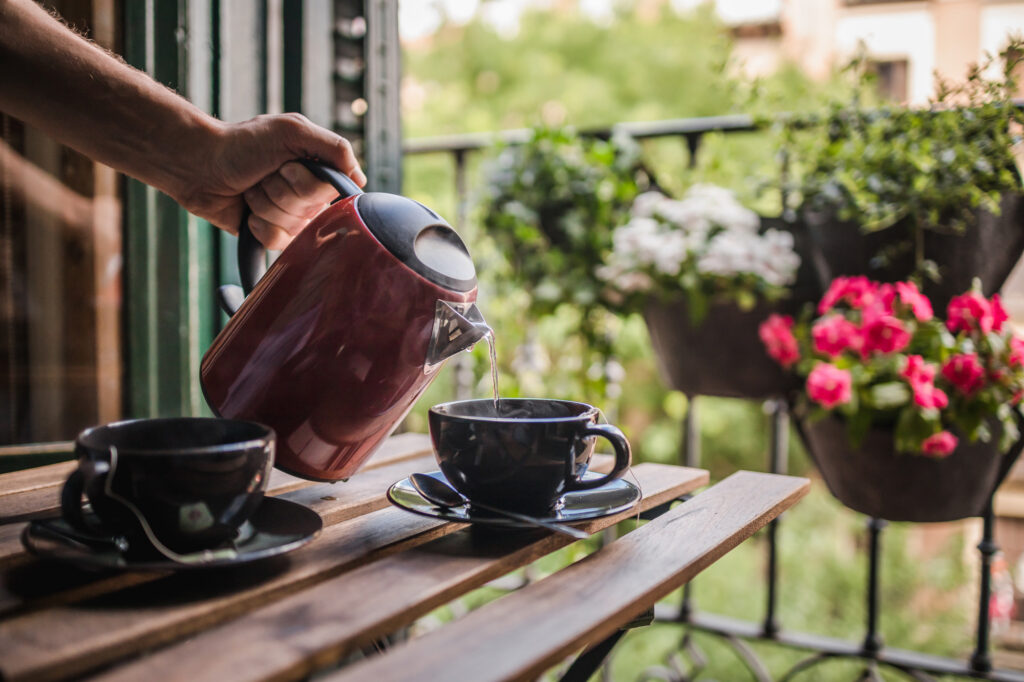
The details that make a balcony feel finished rather than improvised are mostly about consistency and layering. Using planters in a cohesive style and colour palette — even if the plants themselves are varied — makes the whole setup look intentional. Mixing container sizes and heights adds visual interest without needing more floor space.
Edible flowers are worth including here. Nasturtiums grow quickly, produce bright flowers in orange, yellow, and red, and every part of the plant is edible — flowers and leaves both go well in salads. Flower seeds suited to container growing add colour and variety to a productive balcony setup without taking space away from food crops. Growing things that are both beautiful and edible is the most efficient use of balcony space there is.
Can I Put a Planter on My Balcony?
Yes, with a few practical checks first. Make sure the planter is secured against wind — lightweight planters on exposed high-floor balconies can tip or blow off in strong gusts, which is a safety issue. Railing-mounted or wall-fixed planters are the safest option in exposed positions. For floor-standing containers, heavier bases or grouping them together reduces the risk of tipping. Check that drainage water can flow away without dripping onto a neighbour’s balcony below — using drip trays under containers or choosing planters with integrated drainage management solves this.
Weight is worth considering if you are planning several large containers. Most balconies comfortably handle a reasonable load, but very large raised bed setups or multiple heavy planters grouped together in one spot are worth thinking about in older buildings.
What Are Some Unique Balcony Garden Ideas?
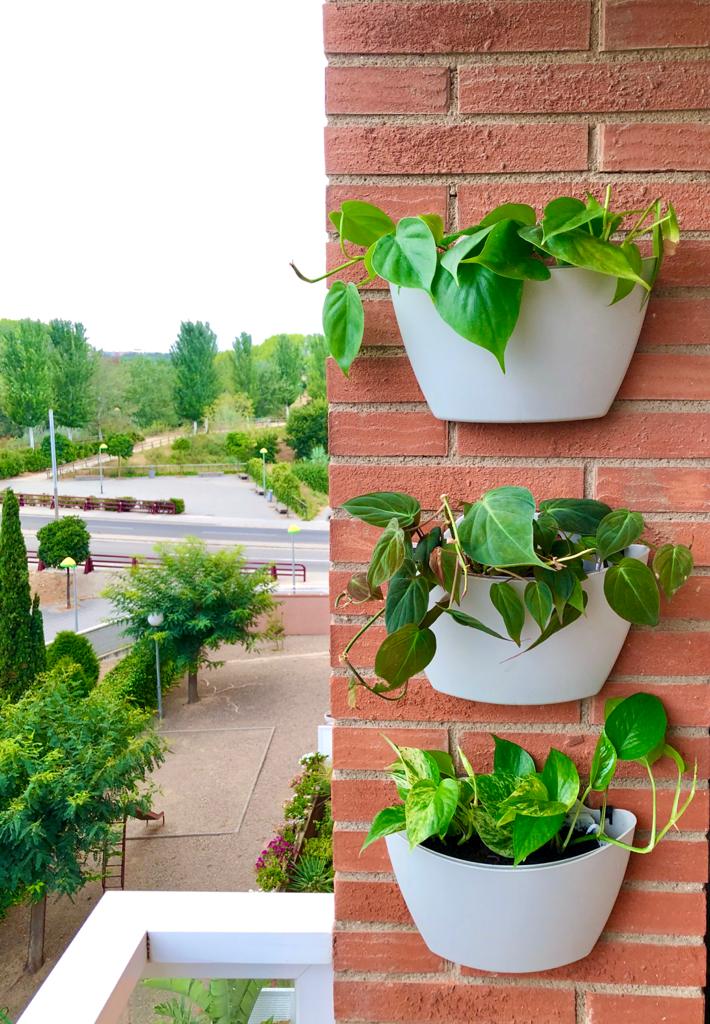
A dedicated herb wall using railing-mounted wall planters is one of the most striking and practical things you can do with a balcony. Position it near the door for easy access when cooking and fill it with the herbs you actually use — it becomes both a design feature and a functional kitchen resource. A tiered modular shelf in a corner stacked with herbs at the top, leafy greens in the middle, and strawberries trailing from the lower level creates a productive food display that looks intentional and considered.
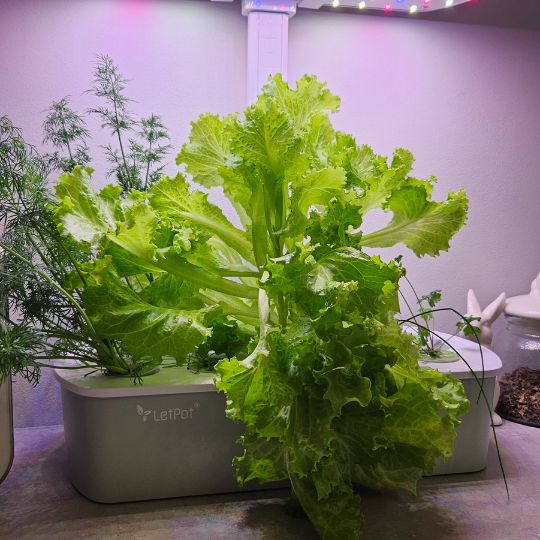
Growing a mix of lettuce and leafy greens in a vertical planter alongside a couple of compact tomato plants in larger floor containers gives you the visual structure of a proper garden — height variation, different leaf textures, colour — while keeping everything edible and productive through the growing season.
Conclusion
Making a balcony look like a garden comes down to using vertical space well, choosing plants that earn their place by being both attractive and useful, and keeping the setup manageable enough that it stays looking good through the season. Start with a wall planter or a vertical setup, fill it with herbs and greens, add a couple of larger fruiting plants for height and structure, and build from there. If you have found a combination that works particularly well on your balcony, share it in the comments — it is always useful to see how others are using their space.