
A smart garden is an indoor growing system designed to make growing plants at home simple, clean, and predictable. It combines controlled lighting, automated watering, and guided plant nutrition into one compact setup. For home growers, especially beginners, smart gardens remove many of the traditional barriers that make indoor gardening feel difficult or frustrating.
In this guide, we’ll explain what a smart garden actually is, how it works, how it compares to traditional growing methods, and why so many home growers choose it for herbs, greens, and vegetables.
What exactly is a smart garden?
A smart garden is typically a countertop or freestanding indoor growing system that uses technology to manage the most important factors plants need to grow. Most smart gardens are based on hydroponics, meaning plants grow in water instead of soil.
While designs vary, smart gardens usually include:
- Integrated LED grow lights
- A built-in water reservoir
- A hydroponic growing method (no soil)
- Guidance for feeding and maintenance
The purpose is not to replace gardening knowledge, but to reduce guesswork and create consistent growing conditions indoors.
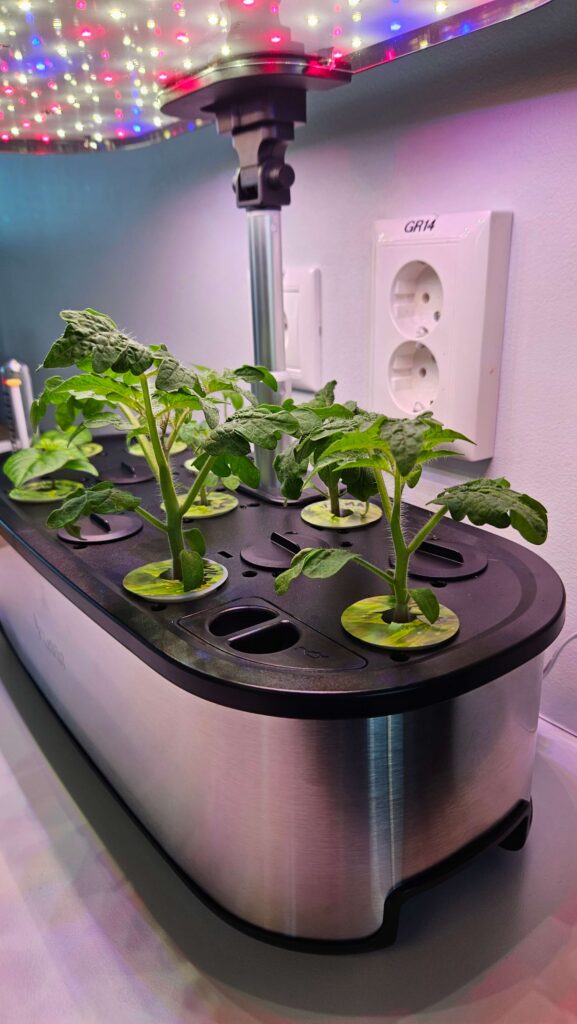
How does a smart garden work?
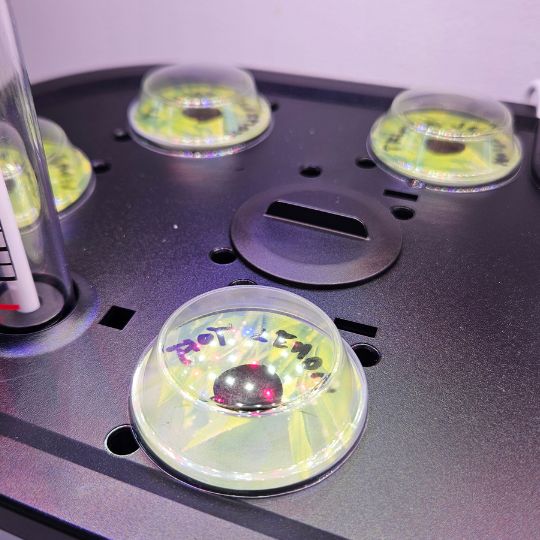
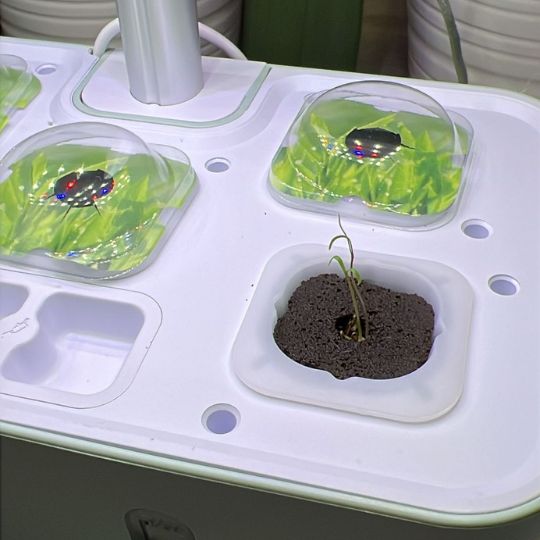
In a smart garden, seeds are started in small grow sponges or pods. These sit above a water reservoir that contains dissolved plant nutrients. As roots grow, they reach into the water and absorb exactly what they need.
The system’s LED lights provide the right spectrum and duration of light, regardless of season or window placement. This is especially important in homes with limited natural light.
Instead of daily watering, you simply top up the reservoir when needed and add nutrients according to the instructions. Many systems guide you through this with reminders or simple indicators.
What can you grow in a smart garden?
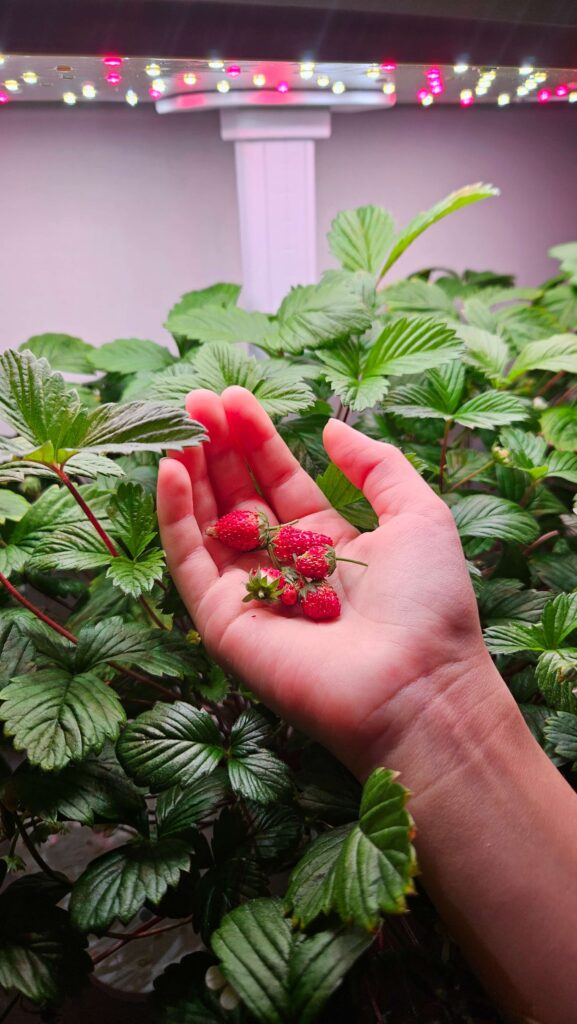
Smart gardens are ideal for plants that grow quickly and don’t require deep root systems. Common choices include:
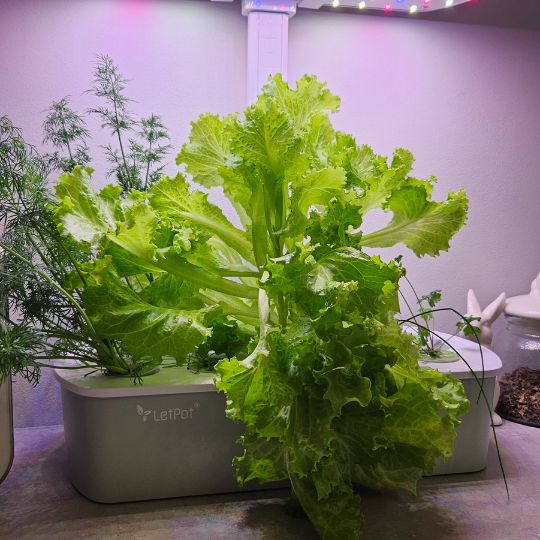
- Herbs like basil, parsley, chives, dill, and coriander
- Leafy greens such as lettuce, spinach, and salad mixes
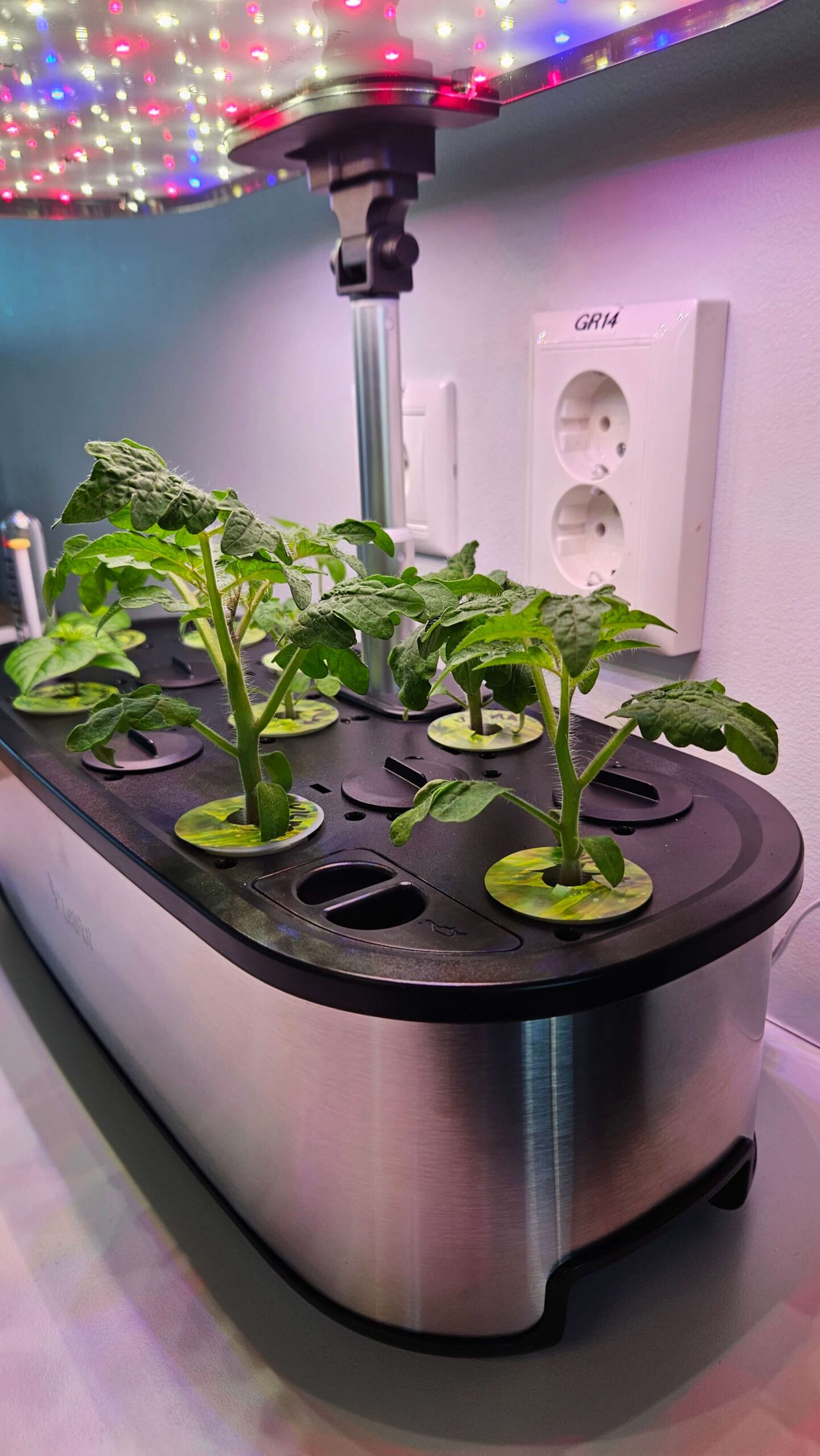
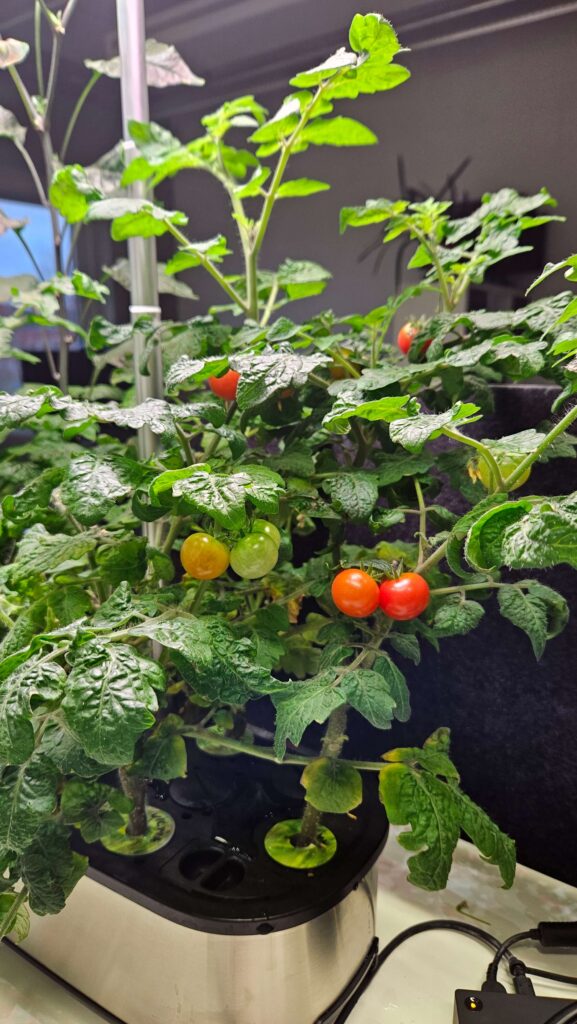
- Compact fruiting plants like chilli peppers and cherry tomatoes
- Microgreens and fast-growing greens
Choosing the right varieties matters. Starting with indoor-friendly seeds helps ensure predictable results.
Key benefits of a smart garden for home growers
1. Reliable results, even for beginners
One of the biggest benefits of a smart garden is consistency. Light, water, and nutrients are controlled, which removes many common beginner mistakes like overwatering, underwatering, or insufficient light.
2. No dependence on windows or seasons
Because smart gardens use built-in LED lights, you don’t need a sunny windowsill. Plants grow year-round, regardless of weather or daylight hours.
3. Cleaner and more compact than soil gardening
No soil means no spilled dirt, fewer pests, and easier cleanup. This makes smart gardens well suited for kitchens, apartments, and shared living spaces.
4. Faster growth
Hydroponic plants often grow faster than soil-grown plants because nutrients are delivered directly to the roots. Many home growers notice quicker harvests, especially with herbs and leafy greens.
5. Efficient use of water
Smart gardens use significantly less water than traditional soil gardening. Water is recirculated and only absorbed as needed, making them efficient and practical.
Smart garden vs traditional soil gardening
Soil gardening is familiar and flexible, but it relies heavily on good light and careful watering. Indoors, these factors are often inconsistent.
Smart gardens solve these challenges by standardizing conditions. The trade-off is that they rely on electricity and use mineral-based nutrients instead of compost or organic soil amendments.
If you enjoy hands-on care and have excellent natural light, soil gardening can be rewarding. If you want predictable results with minimal daily effort, smart gardens usually win.
Smart garden vs self-watering systems
Self-watering systems still use soil, but include a water reservoir that reduces watering frequency. They help with consistency, but they do not solve light limitations.
Smart gardens go a step further by managing both water and light. This makes them better suited for homes where light is limited or inconsistent.
Are smart gardens safe for growing food?
Yes. Smart gardens are designed specifically for edible plants. They use clean water, controlled nutrients, and indoor environments with no exposure to outdoor pollutants.
Plants absorb nutrients as minerals whether they are grown in soil or hydroponics. The key is using the correct nutrient dose and keeping the system clean.
Do smart gardens use “chemicals”?
This is a common question. Smart gardens use mineral nutrients dissolved in water. These are the same nutrient forms plants absorb from soil, just delivered directly.
When used as directed, these nutrients support healthy growth and good flavor. Overfeeding is the main thing to avoid, which is why following instructions is important.
How much maintenance does a smart garden need?
Smart gardens are low maintenance, but not maintenance-free. Typical tasks include:
- Refilling the water reservoir
- Adding nutrients according to schedule
- Occasional cleaning between growing cycles
- Pruning plants to manage height
Replacement parts and accessories can help extend the life of your system. You can find compatible items in smart garden accessories.
Who benefits most from a smart garden?
Smart gardens are especially useful for:
- Beginners who want reliable success
- Apartment dwellers with limited light
- Busy people who want low-effort growing
- Families who want to grow food indoors with kids
- Anyone who wants fresh herbs year-round
Is a smart garden worth it?
For many home growers, yes. The value of a smart garden comes from consistency, convenience, and year-round harvests. While the upfront cost is higher than a pot and soil, the ease of use and success rate often make it worthwhile.
If you’ve tried growing indoors before and struggled with light or watering, a smart garden can completely change the experience.
Conclusion
A smart garden is a modern indoor growing solution that combines hydroponics, LED lighting, and guided care into one system. It benefits home growers by reducing guesswork, saving space, and making fresh herbs and greens available year-round.
If you want predictable results with minimal effort, exploring smart gardens and pairing them with reliable seeds is one of the easiest ways to succeed in indoor gardening.