Most indoor herbs germinate within 5 to 14 days and reach their first real harvest somewhere between 3 and 10 weeks, but the exact timeline depends heavily on the herb, the light it gets, and whether it’s growing in soil or a hydroponic system. Basil, dill and coriander are usually the fastest. Rosemary, thyme and lavender are the slowest, sometimes taking two months or more before there’s enough growth to cut.
If you’ve just put seeds into pots or pods and you’re wondering when anything is actually going to happen, that waiting period is normal; it’s also the single biggest reason people give up on indoor herbs too early. Below is a realistic breakdown of 12 common herbs, grouped by how fast they move, along with the light and temperature conditions that speed things up or slow them down.
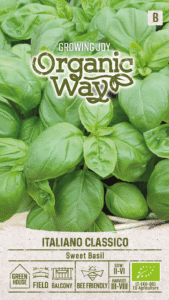
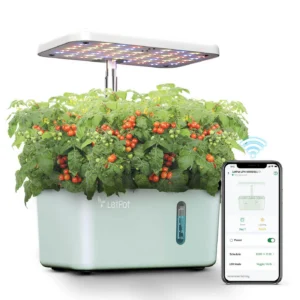
Products used in this guide: Sweet Basil Italiano Classico seeds and the LetPot Mini smart garden.
What actually controls how fast an indoor herb grows
Three things decide the timeline more than anything else the packet says: light, temperature, and whether the roots sit in soil or a nutrient solution. According to University of Minnesota Extension’s guide to growing herbs, most culinary herbs need at least 6 hours of bright light a day to grow well, and a dim windowsill in winter rarely provides that. Warmth matters too: seeds like basil and coriander germinate fastest in soil that’s around 21 to 27°C, while a cold room can double germination time or stop it altogether.
Growing method is the third variable. A hydroponic smart garden keeps roots in constant contact with water and nutrients, which removes two of the most common reasons seeds stall in soil: drying out between waterings and compacted growing medium that roots struggle to push through. It doesn’t change a herb’s biology, but it narrows the gap between a “slow” herb and a “fast” one by cutting out the delays caused by inconsistent watering.
Fast growers: basil, coriander and dill
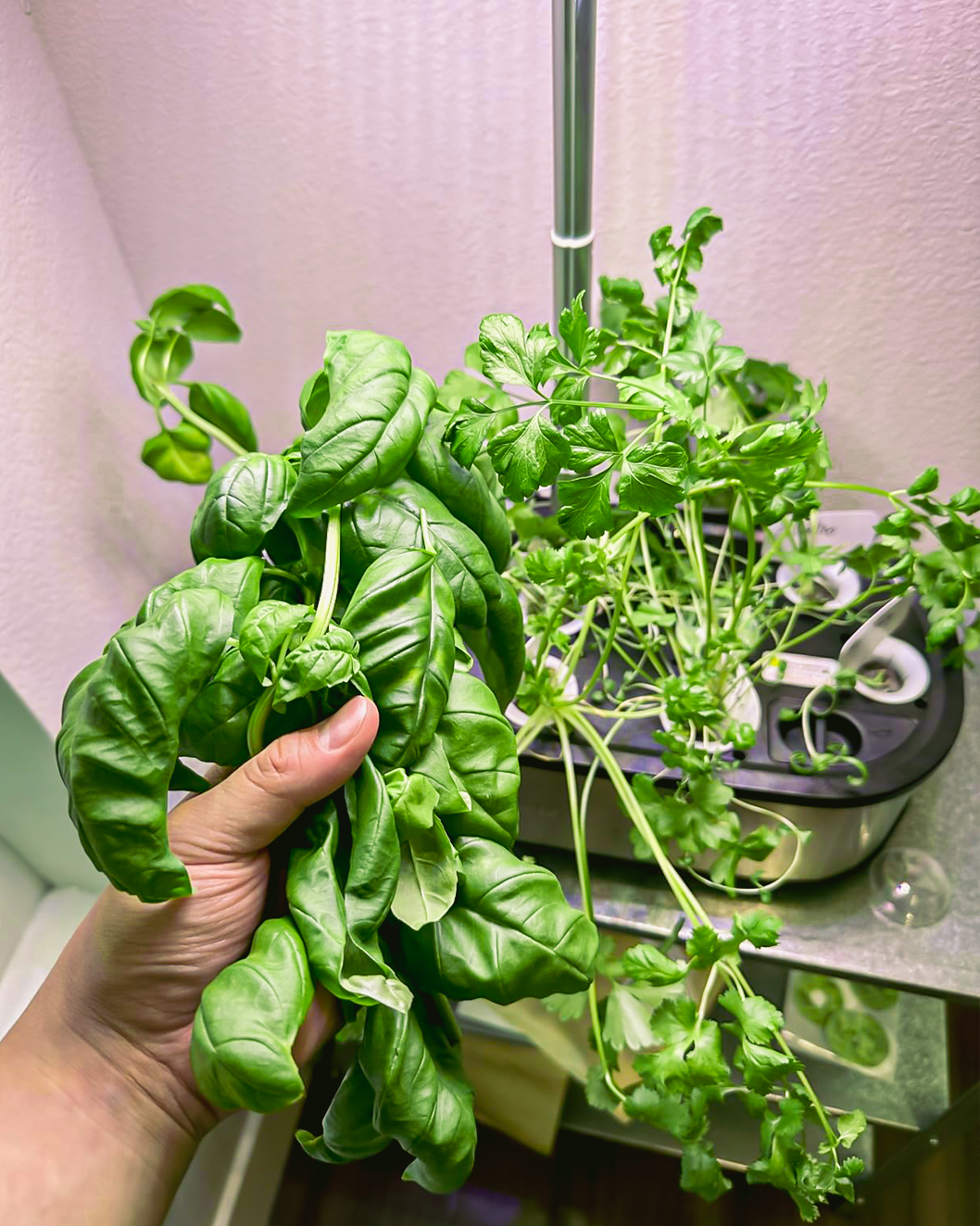
These three are the best starting point for anyone new to growing herbs indoors, because the feedback loop is short enough to stay motivating. Basil usually germinates in 5 to 10 days and is ready for its first light harvest around 4 to 6 weeks after sowing, once the plant has several sets of true leaves and can afford to lose a few. Coriander germinates in a similar 7 to 10 days but tends to bolt to seed quickly in warm, bright conditions, so leaf harvests are often concentrated into a shorter 4 to 5 week window. Dill germinates in about 7 to 14 days and is usually ready to snip for its feathery fronds by week 5 or 6.
Steady growers: parsley, chives, oregano and lemon balm
Parsley is notoriously slow to germinate, often taking 14 to 21 days, and the first real harvest doesn’t usually arrive until 8 to 10 weeks in. Chives germinate in 10 to 14 days and need about 8 weeks before the grass-like blades are thick enough to trim without stunting the clump. Oregano and lemon balm both germinate in 7 to 14 days but grow slowly at first, typically reaching a harvestable size around 7 to 9 weeks, after which both tend to pick up speed and fill out a pot or pod quickly.
Slow starters: rosemary, thyme, sage, lavender and peppermint
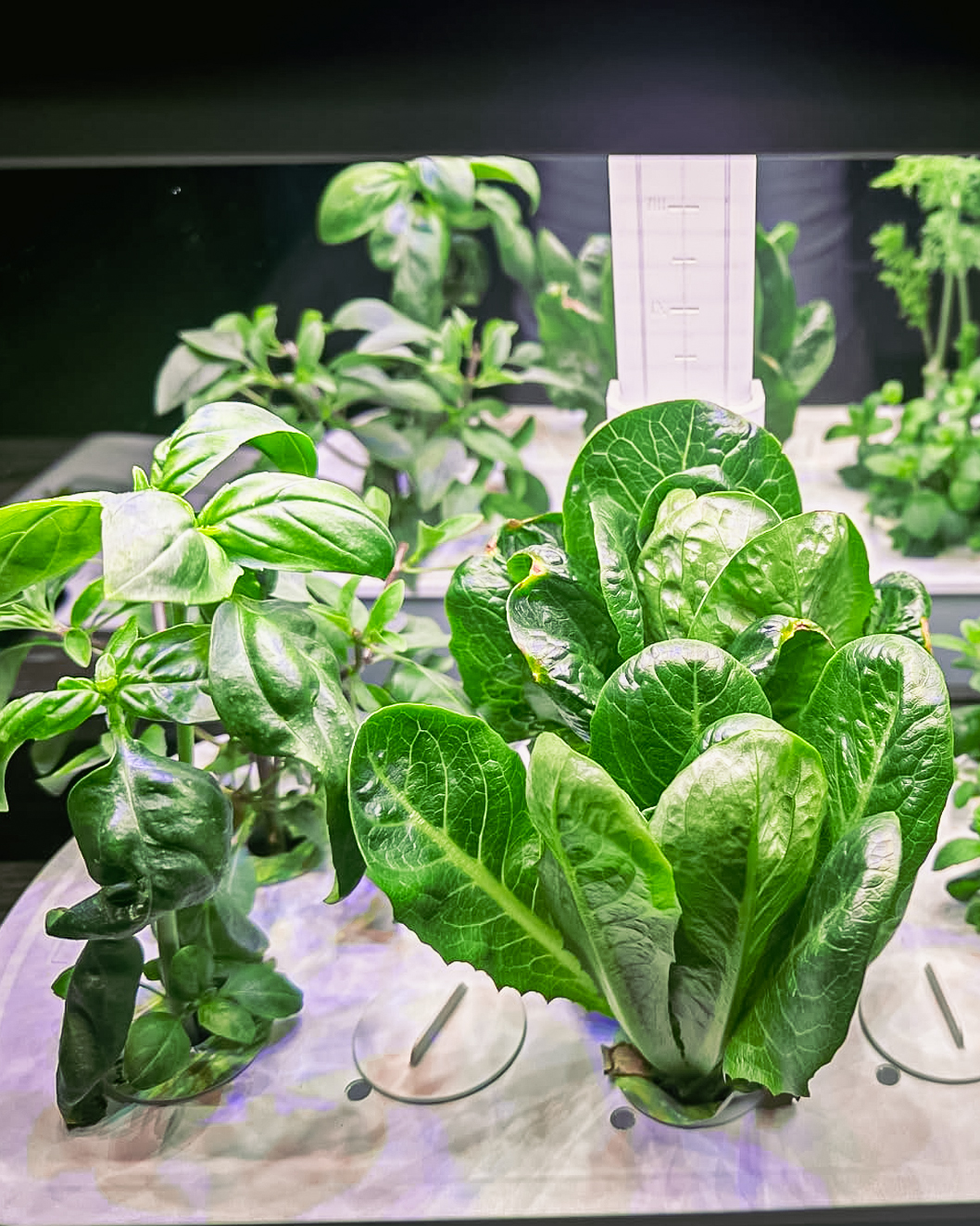
This group is where most of the frustration happens, mainly because expectations are usually set by how fast basil grows rather than how these herbs actually behave. Rosemary germinates unevenly over 14 to 25 days and can take 3 to 4 months to reach a size worth cutting from, since it’s a slow-growing perennial shrub even outdoors. Thyme and sage both germinate in 14 to 21 days and typically need 10 to 14 weeks before there’s enough growth for a real harvest. Lavender is the slowest of the twelve, often taking 14 to 21 days just to germinate and several months to become a usable plant, which is why many growers start it from a cutting or young plant instead of seed. Peppermint sits in between: germination takes 10 to 14 days, but once it’s established it spreads fast and can usually be harvested from around week 8.
The Royal Horticultural Society’s guide to growing and harvesting herbs notes that quick crops like coriander and dill can be ready within days to a few weeks of sowing, while woody Mediterranean herbs such as rosemary need steady, unhurried growth before they’re worth cutting from, which matches what most indoor growers see in practice.
Does a hydroponic smart garden actually shorten the wait?
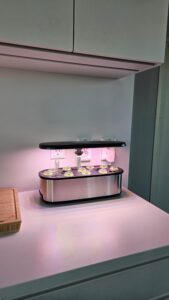
It can, mainly by removing the setbacks that slow a plant down rather than by speeding up its biology. A seed that dries out, gets overwatered, or sits in compacted soil loses days or weeks recovering before it can grow again, and those lost days add up. In a hydroponic system such as a LetPot Mini, roots sit in a loose growing sponge with constant access to water and nutrient solution, and a built-in grow light removes the guesswork around whether a windowsill is actually bright enough. That combination won’t turn rosemary into basil, but it does mean a fast herb reaches its fastest possible timeline and a slow herb isn’t slowed down even further by inconsistent care.
Germination and first-harvest timeline for all 12 herbs
| Herb | Germination | First harvest |
|---|---|---|
| Basil | 5–10 days | 4–6 weeks |
| Coriander | 7–10 days | 4–5 weeks |
| Dill | 7–14 days | 5–6 weeks |
| Chives | 10–14 days | ~8 weeks |
| Parsley | 14–21 days | 8–10 weeks |
| Oregano | 7–14 days | 7–9 weeks |
| Lemon balm | 7–14 days | 7–9 weeks |
| Peppermint | 10–14 days | ~8 weeks |
| Sage | 14–21 days | 10–14 weeks |
| Thyme | 14–21 days | 10–14 weeks |
| Rosemary | 14–25 days | 3–4 months |
| Lavender | 14–21 days | 3+ months |
These are typical ranges drawn from extension-service and RHS growing guides rather than fixed rules. A warm room, strong light and a hydroponic system tend to land a herb at the fast end of its range, while a cool, dim spot pushes it toward the slow end or beyond.
Frequently asked questions
Why hasn’t my basil germinated after two weeks?
Basil normally germinates within 5 to 10 days in warm conditions. After two weeks with no sign of growth, the most common causes are soil that’s too cold (below about 18°C), seed that’s been sown too deep, or a growing medium that’s dried out between waterings. Checking moisture and warmth usually resolves it.
Which indoor herb grows the fastest from seed?
Basil, coriander and dill are generally the fastest, with a usable harvest possible within 4 to 6 weeks of sowing under decent light and warmth.
Which indoor herb takes the longest to grow?
Lavender and rosemary are typically the slowest, often needing three months or more before there’s enough growth for a real harvest, which is why many growers buy a young plant instead of starting from seed.
Does a grow light speed up germination?
A grow light mainly speeds up growth after germination rather than germination itself, since most seeds germinate using stored energy and don’t need light to sprout. Where a grow light helps most is in the weeks right after sprouting, when seedlings in a dim room often stretch and weaken instead of filling out.
Do herbs grow faster in a hydroponic system than in soil?
They can, mainly because a hydroponic system keeps roots consistently supplied with water and nutrients and removes common soil problems like compaction or drying out. The herb’s own biology still sets the overall pace, so a naturally slow herb like rosemary will still take longer than basil even hydroponically.
How do I know when a herb is ready for its first harvest?
A good rule of thumb is to wait until the plant has enough leaves that removing some won’t set it back, usually several sets of true leaves on fast growers like basil, or a visibly full, bushy clump on slower herbs like chives and oregano. Taking no more than about a third of the plant at once lets it keep growing steadily.
Where to start
If you’re starting from scratch, a fast grower like basil is the easiest way to see results within a month. Pair Sweet Basil Italiano Classico seeds with the LetPot Mini for consistent water and light, or browse the full herb seed range to mix fast and slow growers in the same system. For more on choosing what to grow, see What herbs can I grow indoors? and the best herbs to start from seed indoors in spring.