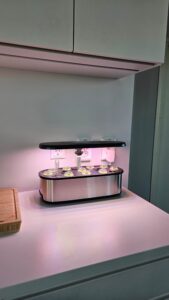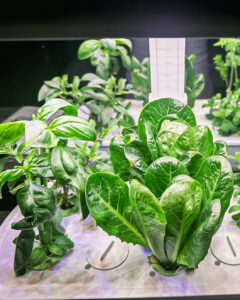
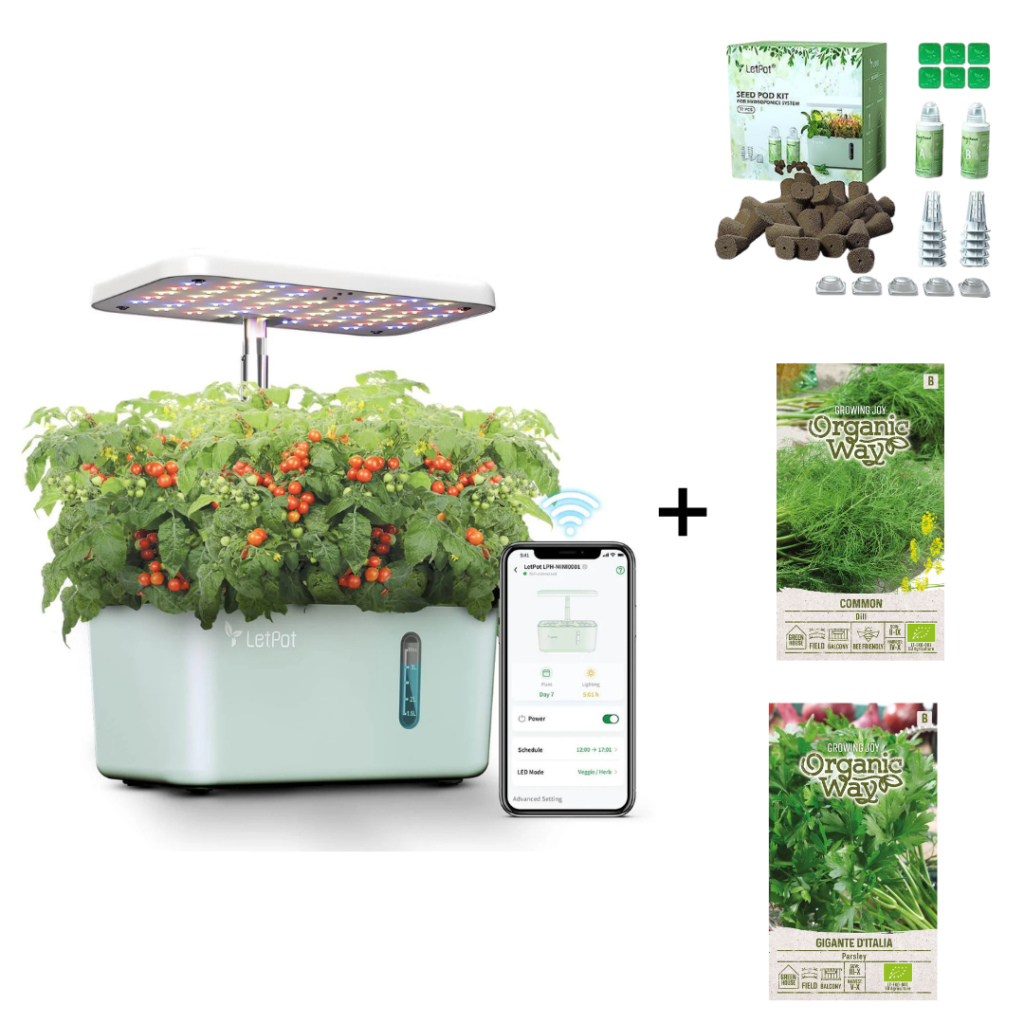
Is a herb garden worth it? For most households cooking with fresh herbs weekly, yes: a 5-pod LetPot Mini costs about €59 upfront and roughly €14 to run for 6 months, working out to well under €0.30 per cut — far below the €1.50 to €2.00 a bunch most Baltic supermarkets charge for basil.
A herb garden pays for itself fastest when you actually cook with several fresh herbs every week, since a hydroponic pod keeps producing rather than wilting in a fridge drawer. This guide breaks the cost down three ways — what it runs per month, what one harvest actually costs once the hardware is paid off, and what that works out to per gram — using manufacturer power specifications and current EU electricity prices, so the payback is visible rather than assumed.
Products mentioned — in stock at IndoorGarden, shipped from Tallinn across the EU.
What “worth it” actually means for a herb garden
Worth it is really three separate questions: does the hardware pay for itself, does each harvest cost less than buying the same herb, and does the system keep producing long enough for that to matter. A seed packet and a pot on a windowsill can answer the first two questions cheaply, but without supplemental light a Baltic windowsill rarely keeps a herb producing through a full winter, which is where the third question usually breaks down. A self-lit hydroponic system answers all three at once, provided the pods actually stay planted rather than sitting empty, which is the detail that decides whether the maths below works out in practice.
The monthly running cost of a hydroponic herb garden
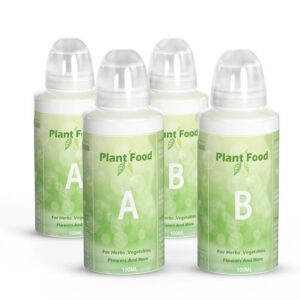
A 5-pod LetPot Mini’s running cost over 6 months, hardware aside, comes to around €14 based on the manufacturer’s power rating and current EU electricity prices: about €7.20 in electricity for a 10 W LED run 16 hours a day, roughly €2 from a 200-piece grow-sponge pack, and €4 to €5 of seed packets across several sowings, a breakdown covered in full in our guide to whether indoor garden systems are worth it. That averages to a little over €2 a month once the €59 hardware is set aside. The electricity figure is small because Eurostat’s EU household electricity price data puts the average rate at around €0.25 per kWh, and a 10 W LED on a 16-hour timer draws only about 4.8 kWh a month. A larger 12-pod system draws more, typically 24 W, so its electricity line roughly doubles, though the cost per herb usually falls because more pods are producing at once.
Cost per harvest: what one cut of basil actually costs
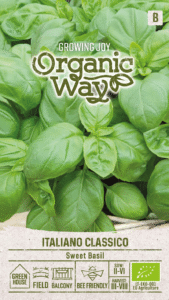
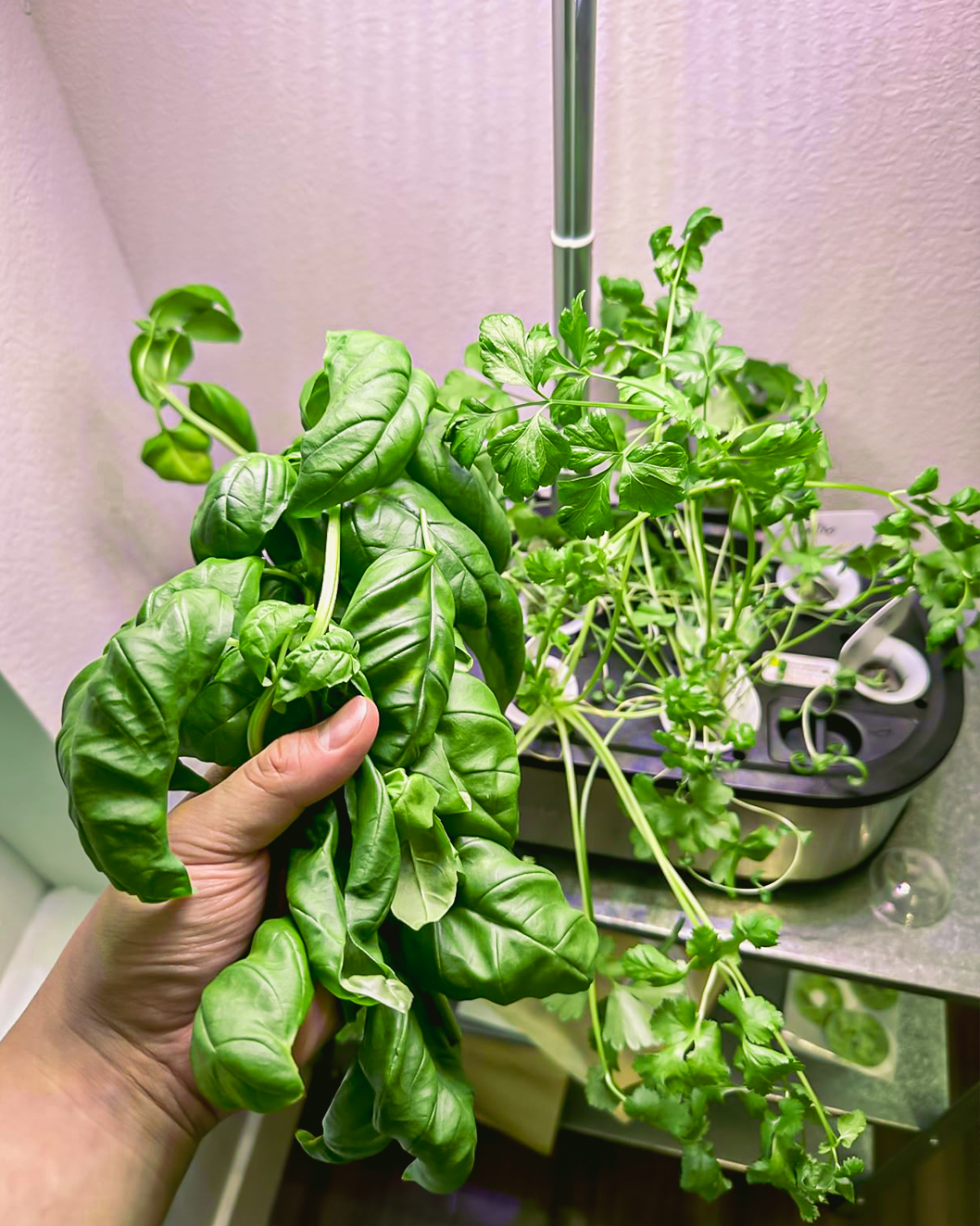
A single sweet basil seed packet at €1.99 covers several sowings rather than one, and a basil pod commonly gives a first cut after 3 to 4 weeks and then a weekly cut for about ten weeks before it needs resowing, a pattern Utah State University Extension also describes when it recommends cutting no more than a third of the plant at a time to keep it productive. Spread the seed cost, a share of the monthly electricity, and a share of a bottle of hydroponic nutrients across roughly ten harvests from one sowing, and each cut works out to somewhere around €0.20 to €0.30 once the hardware itself has been paid off, in line with the “under €0.30” figure in the opening answer above.
Cost per gram against supermarket herbs
A home-cut handful of basil commonly weighs somewhere around 10 to 20 g, so that €0.20 to €0.30 per cut works out to roughly €1.50 to €3.00 per 100 g once the hardware is paid off. A supermarket basil bunch in the Baltics commonly costs €1.50 to €2.00 for about 20 to 30 g, closer to €6 to €10 per 100 g, and a meaningful share of that bunch typically wilts in the fridge before it is used. The gap is largest for the herbs eaten little and often — basil, parsley, coriander and chives — rather than for a herb bought once and used sparingly across months, such as a jar of dried oregano.
Where a herb garden does not pay off
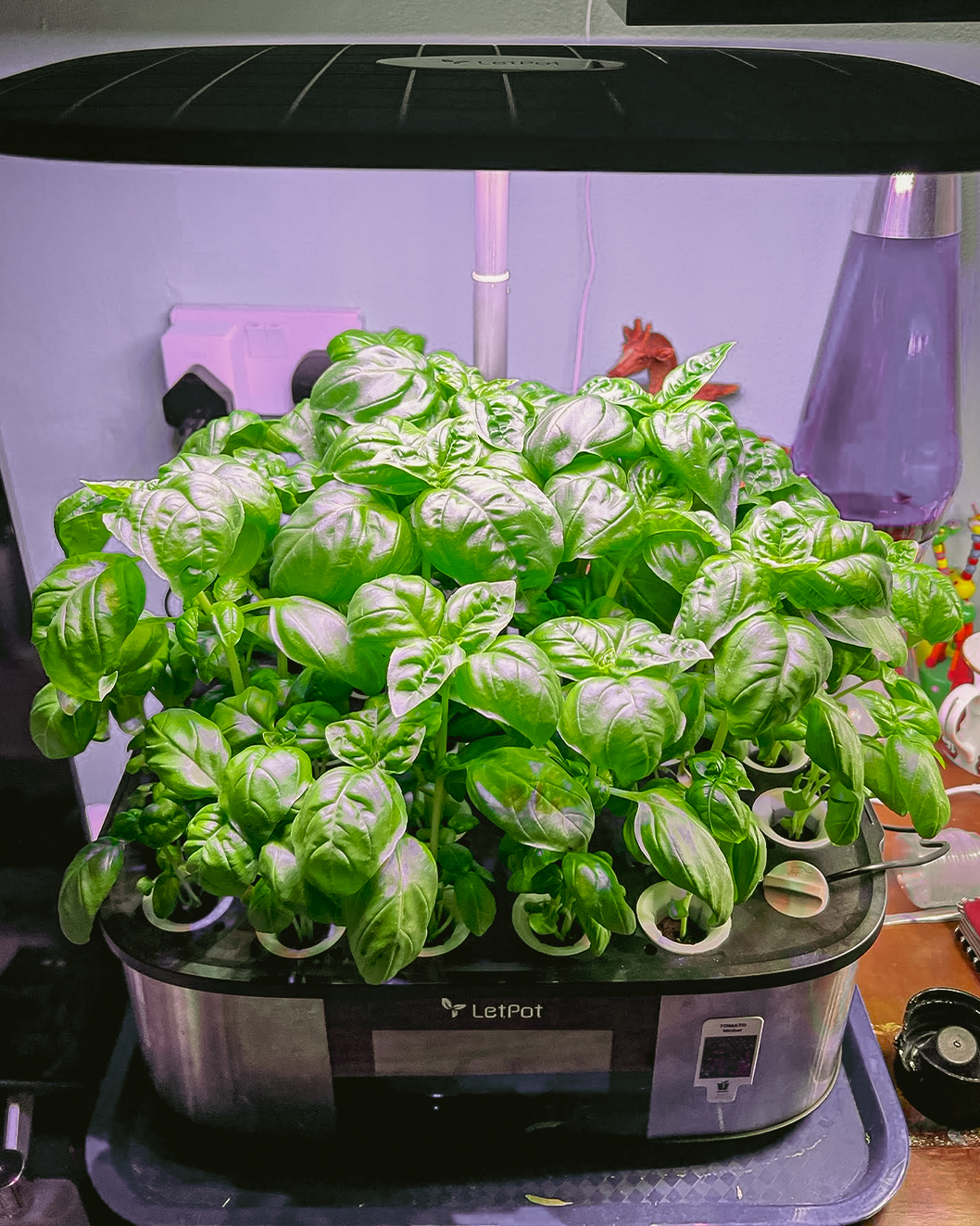
The maths above assumes every pod stays planted and gets harvested regularly, and that assumption is exactly where a herb garden stops paying off. A household that reaches for fresh basil once or twice a month will take years to recover even the €59 hardware cost against occasional supermarket bunches, and a kitchen with a genuinely bright, south-facing windowsill may not need the hardware at all for Mediterranean perennials that prefer drier soil anyway. Leaving pods empty is the other common waste, since the electricity and hardware cost stay fixed whether one pod is planted or five, so an unfilled pod simply makes the per-herb cost worse rather than neutral. A household relying on mains power with frequent long outages should also not treat any of these figures as guaranteed, since a multi-day outage stops both the light and the pump.
Which herbs make the running cost work hardest
Fast, cut-and-come-again herbs are what make the monthly running cost pay off quickly, because each sowing gives many harvests rather than one. Basil, parsley, coriander, dill and chives all fit this pattern, cropping repeatedly over weeks rather than months, which is why they are worth planting first in a new system. Slower Mediterranean perennials such as rosemary, thyme and sage are worth growing too, but they take months to establish and tend to do better in a soil pot that dries out between waterings than in a reservoir that stays constantly wet, so they are a second-wave addition rather than the crop that proves the economics.
Running cost at a glance: brands compared
LetPot is the open system we stock, taking any seed in a plain growing sponge rather than a sealed capsule, which is the detail that keeps the per-harvest cost low in the maths above. The table below lines it up against the other names shoppers commonly compare it with, using each brand’s own published specifications; sources are listed at the end.
| Brand | Price range | Pods / capacity | Warranty | EU spare parts | Light power |
|---|---|---|---|---|---|
| LetPot | €59 – €249 | 5 to 21 + 2 pods | 2 years | Yes, stocked in Tallinn | 10 – 36 W |
| Click & Grow | ~€109 – €129 (EU retail)1 | 3 or 9 pods | 1 year | Pods sold at EU retailers | 8 W (Smart Garden 3) |
| AeroGarden | No EU storefront | 6 to 9+ pods (US range) | Not published for EU buyers | No | Not published |
| Plantaform | Not published2 | Up to 15 plants | Not published | No, ships only to US, Canada, UAE, Saudi Arabia | Not published |
| iDOO | Marketplace-dependent | 10 to 12 pods (typical) | Varies by seller, no EU programme | No | Not consistently published |
| Gardyn | $899 (~€830), no EU price3 | 30 plant sites | 3 years | No | 80 W (2 x 40 W) |
| Rise Gardens | $349 – $899 (~€320 – €830)4 | 8 to 108 plants | 2 years hardware/electronics | No | 75 – 205 W, by model |
Frequently asked questions
Is a herb garden worth it for one or two herbs only?
Less so. The hardware and electricity cost stay the same whether one pod is planted or five, so filling most of the pods with herbs actually used every week is what makes the economics work. Growing a single herb occasionally is usually cheaper from a supermarket.
How long does it take for a herb garden to pay for itself?
Based on the figures above for a 5-pod LetPot Mini, around 6 months against buying the same herbs weekly from a Baltic supermarket, provided most pods stay planted and harvested, as covered in full in our guide to whether indoor garden systems are worth it.
Does the cost per gram really beat supermarket herbs?
For herbs eaten often, such as basil and parsley, typically yes, once the hardware is paid off, since a home cut avoids the part of a shop bunch that wilts unused. For a herb used rarely, such as dried oregano bought once and used over months, the comparison does not favour a hydroponic system in the same way.
Do I need to buy a new seed packet every time I resow a pod?
No. A single packet typically covers several sowings, so the seed cost per harvest is small once it is spread across all the cuts one sowing gives.
Which herbs give the fastest payback in a smart garden?
Fast, cut-and-come-again herbs such as basil, parsley, coriander, dill and chives, since each sowing gives many harvests over several weeks. Our herb seeds range covers all of these.
Is electricity the biggest ongoing cost?
No. On a 5-pod Mini it is typically the smallest of the three running costs, behind seeds and grow sponges, because the LED only draws about 10 W.
Where to start
If you already cook with two or three fresh herbs most weeks, the LetPot Mini is the cheapest way to test this maths yourself, and our mini smart gardens range covers the other compact options if a 5-pod unit is more than you need. Check your own numbers with the calculators on our free indoor gardening tools page before buying.
Sources: 1. Click & Grow, Smart Garden 3 specifications. 2. Plantaform official site. 3. Gardyn, Home Kit product page. 4. Rise Gardens FAQ; Rise Gardens warranty policy.