Seeds for Indoor Gardens
Seeds for indoor gardens cover everything you need to grow herbs, vegetables, salad leaves, microgreens, and flowers inside — whether you are using a smart hydroponic system, a sprouting jar, or a soil-based planter. Choosing the right seeds for your setup matters more indoors than it does outside, because limited light, root space, and air movement narrow which varieties actually thrive.
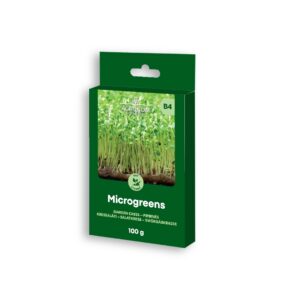
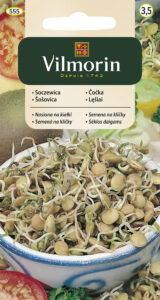
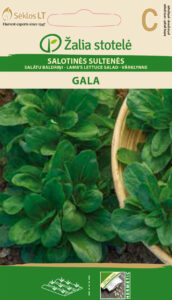
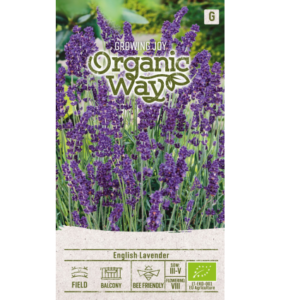
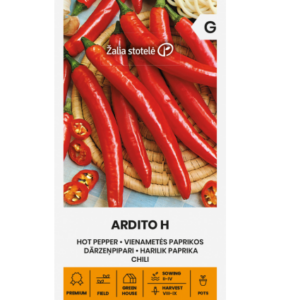
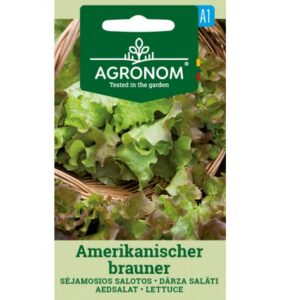
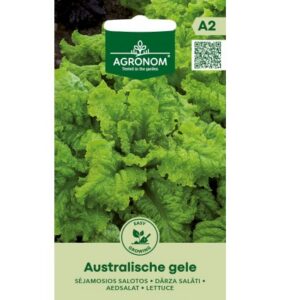
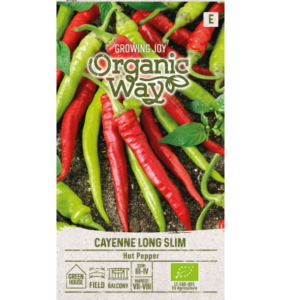
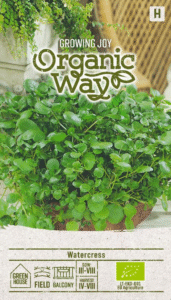
Our seed catalogue covers six categories: herb seeds (basil, parsley, coriander, mint, oregano, rosemary, thyme, sage, dill, chives, lavender, chamomile), lettuce and leafy green seeds (butterhead, oak leaf, lamb’s lettuce, rocket, spinach), vegetable seeds, tomato seeds (compact and balcony varieties bred for containers), chilli pepper seeds, and microgreens seeds (sunflower, pea, radish, kale, mustard). All are tested for germination rate and come in package sizes that suit single-cycle indoor growing.
Why indoor varieties matter
A standard outdoor lettuce variety will bolt fast under steady indoor temperatures. A standard tomato will grow 1.5 m tall and tip over your smart garden. The varieties we stock are selected to stay compact, tolerate constant temperature, and produce continuously rather than once. For micro-cycle crops like microgreens, the seed quality (clean, untreated, viable) matters more than the variety.
How to choose
Match seed to system. A LetPot or Botanium pod takes 4-6 seeds per sponge and needs varieties under 30 cm tall — basil, leaf lettuce, and arugula are ideal. A sprouting jar or microgreens tray takes 100 g packs of broccoli, radish, sunflower, or pea seeds. Traditional pots accept the broadest range, including tomatoes, chillies, and herbs that would outgrow a smart garden.
These seeds work in both soil pots and our smart gardens. For herb gardens, see herb seeds. Beginner? Read indoor garden seeds — what to grow at home.
Frequently asked questions
How long do seeds stay viable?
Most herb and vegetable seeds remain viable for 2-4 years if stored cool and dry. Lettuce and onion-family seeds lose germination faster (1-2 years). Tomato and chilli seeds last 4-5 years. The packets we sell list the lot’s tested germination rate so you know what to expect.
Can I use store-bought herbs as seed?
Most dried culinary herbs are heat-treated and will not germinate. Whole seeds you might find in spice racks (coriander, dill, mustard, fennel) can germinate if untreated, but their rates are unreliable. Purpose-grown indoor seed packs give you a predictable harvest.
Do I need different seeds for hydroponics vs soil?
No. The same seed varieties germinate in both soil and hydroponic sponges. What changes is the medium and the nutrient delivery — not the seed itself. The seed quality and the variety’s growth habit matter more than the system.
When should I start seeds indoors?
For a smart garden, anytime. The light cycle stays constant year-round. For seedlings you plan to move outdoors, start 6-8 weeks before your local last-frost date — for Estonia and the Baltics, that means early March for transplant in mid-May.
Why are some seeds organic and some not?
Organic seeds (we stock Botanium’s organic range) are grown without synthetic pesticides or fertilizers. For indoor use the practical difference is small, but organic seeds are reassuring if you eat the resulting greens daily. Both organic and non-organic seeds work identically in hydroponic systems.