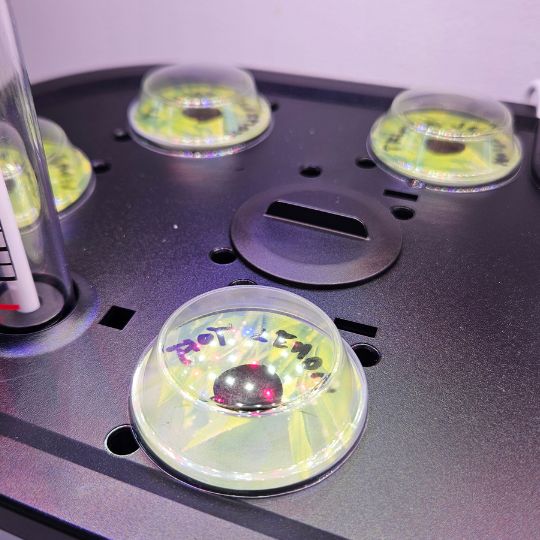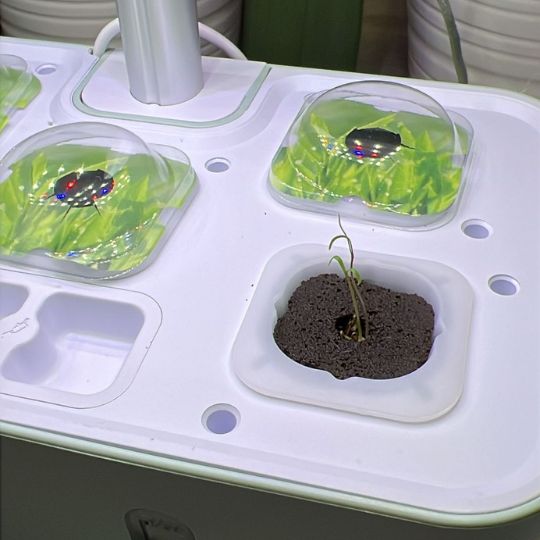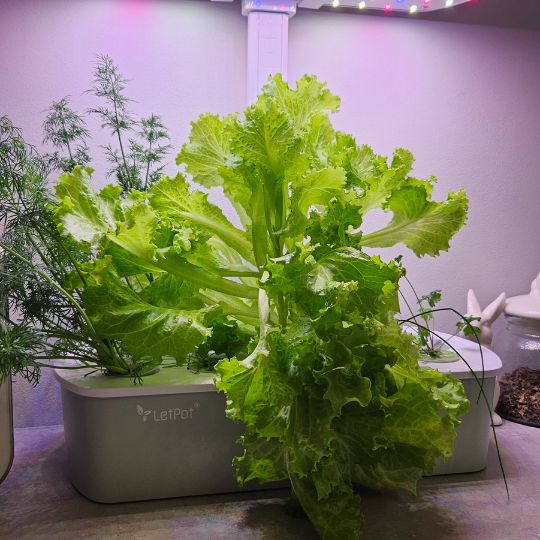

Smart gardens make indoor growing easier, but they do have some limitations that are worth considering before choosing one.
One disadvantage is limited space. Most smart gardens are designed for compact plants, so larger or deep-rooted plants do not grow well. This makes them best suited for herbs, leafy greens, and small edible plants rather than large vegetables.
Another consideration is the initial cost. Smart gardens usually cost more upfront than a simple pot and soil setup. However, this can balance out over time for people who grow herbs and greens regularly.
Smart gardens also rely on electricity and system maintenance. LED lights, pumps, and reservoirs need occasional cleaning and refilling. If a system is not maintained, plant health can suffer.
Finally, smart gardens offer less flexibility than traditional gardening. Because conditions are automated, advanced growers may feel limited in how much they can customize light, nutrients, or spacing.
In real indoor use, smart gardens work best for people who value convenience and consistency over full control or large plant variety.
See our honest look at whether indoor garden systems are worth it for a balanced overview of the benefits and downsides.