
Light usually gets all the attention in indoor gardening, but plants need much more than light alone to grow well. Many indoor growing problems come from overlooking other essentials like water balance, nutrients, oxygen, and stability around the roots. Once these basics are understood and supported properly, plants become far more resilient and predictable, regardless of whether they are grown in soil or hydroponically.
If you want a broader foundation on indoor growing methods and environments, our beginner pillar The Ultimate Guide to Indoor Gardening for Beginners gives helpful context before diving deeper into specific needs.
Water: not too much, not too little
Water is essential for transporting nutrients, maintaining cell structure, and supporting photosynthesis, but overwatering is one of the most common reasons indoor plants struggle. Roots need access to moisture, but they also need air. When soil stays constantly wet or roots sit in stagnant water, oxygen levels drop and roots begin to suffocate.
This balance is much easier to manage with systems designed to regulate water automatically. Self-regulating setups like those found in smart gardens or passive systems from self-watering solutions — our self-watering systems guide covers how these work — deliver water gradually and consistently, reducing the risk of both underwatering and root rot.
For soil-grown plants, tools such as indoor watering cans with controlled flow help avoid compacting soil or flooding containers.
Nutrients: food for growth and structure
Plants need nutrients to build leaves, stems, and roots. In nature, these come from soil minerals and organic matter. Indoors, nutrients must be supplied deliberately, whether through soil amendments or nutrient solutions.
In hydroponic systems, nutrients are delivered directly through water, which is one reason plants often grow faster in these setups. In soil-based indoor growing, nutrients are gradually depleted and need to be replenished. Using dedicated fertilizers for indoor plants helps ensure plants receive balanced nutrition without overfeeding.
Slow growth, pale leaves, or weak stems are often signs that nutrient levels are insufficient or imbalanced rather than lighting problems.
Oxygen at the roots
Roots need oxygen to function properly. Without it, nutrient uptake slows and root diseases become more likely. This requirement is often underestimated because oxygen needs are less visible than water or nutrients.
Well-aerated substrates, proper drainage holes, and avoiding compacted soil all help improve oxygen availability. In hydroponic systems, oxygenated water and open root structures make this easier to control, which is one reason hydroponics can be more forgiving for beginners.
Healthy root zones are also supported by clean, well-maintained components such as grow sponges and baskets available under smart garden grow sponges and smart garden replacement parts.
Stable temperature and humidity
Most indoor plants prefer stable temperatures and moderate humidity. Sudden fluctuations caused by radiators, cold windows, or dry indoor air can stress plants even when light and water are adequate.
While full climate control is not always necessary, placing plants away from extreme heat or drafts goes a long way. Consistent watering systems and enclosed growing setups also help reduce stress caused by drying cycles.
Physical support and space
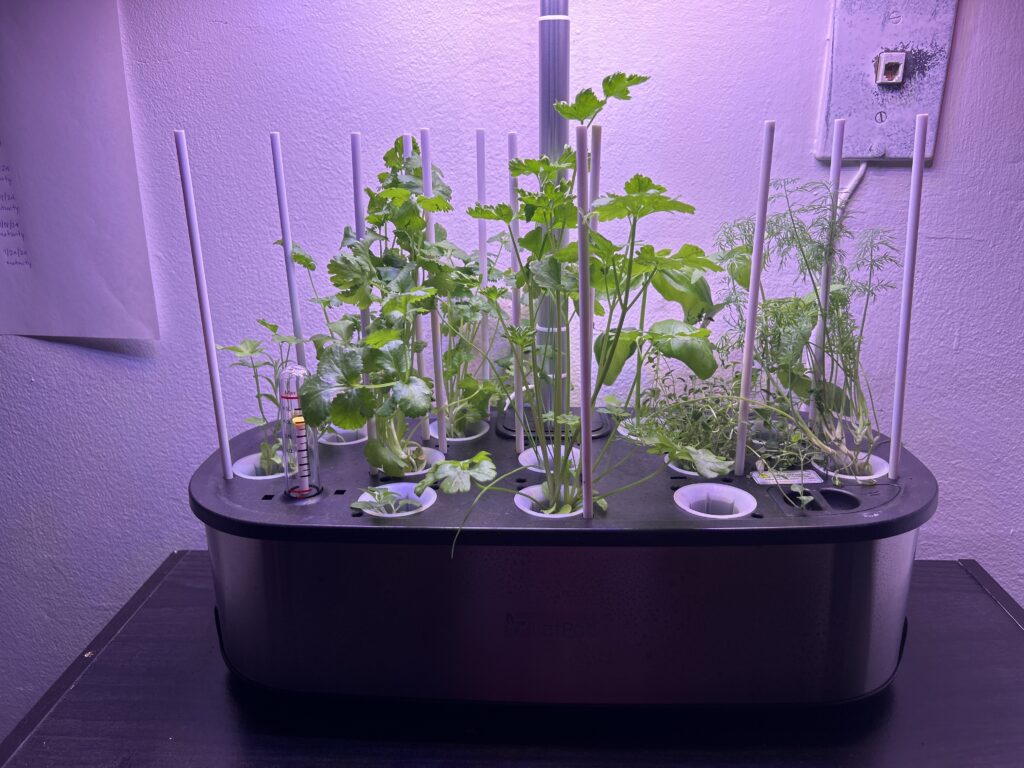
Plants need space to grow and, in some cases, physical support to stay upright. As plants mature, weak stems or overcrowded roots can limit growth and airflow.
Using appropriate containers, plant spacing, and supports such as plant support trellises helps plants grow upright and reduces damage. For compact indoor setups, choosing the right system size matters, whether that is a small countertop unit or a larger growing system.
If you are choosing a system for your space, the categories for mini smart gardens, medium smart gardens, and large smart gardens help match plant needs to available space.
Monitoring and small adjustments
Plants constantly respond to their environment. Small changes in watering habits, nutrient levels, or temperature can have noticeable effects over time. Being able to observe and adjust is just as important as having the right equipment.
Simple tools from the indoor testers and meters category can help confirm moisture or nutrient-related issues before visible damage occurs, making plant care far more predictable.
How all of this fits together
Besides light, plants rely on water balance, nutrients, oxygen, temperature stability, and physical support to grow well indoors. When any one of these is missing, growth slows or problems appear, even under strong lighting.
Modern indoor growing solutions make it easier to meet these needs consistently. Whether through automated systems, self-watering setups, or well-chosen accessories, supporting these fundamentals removes much of the guesswork from indoor gardening.
For a deeper comparison of different growing systems and how they address these plant needs, see Smart Gardens Explained: Hydroponics vs Soil vs Self-Watering Systems, where we break down which approach works best for different situations.