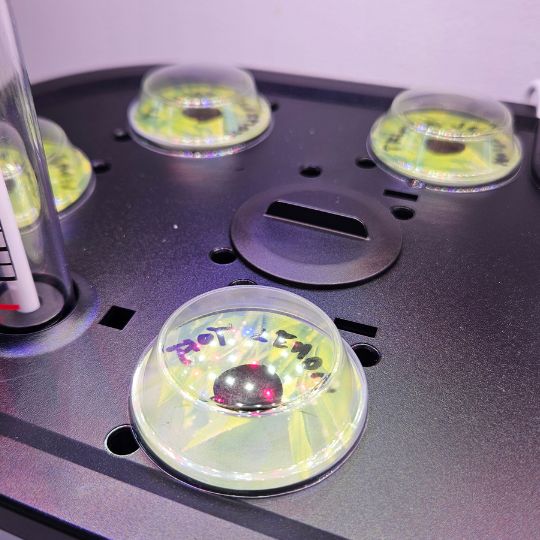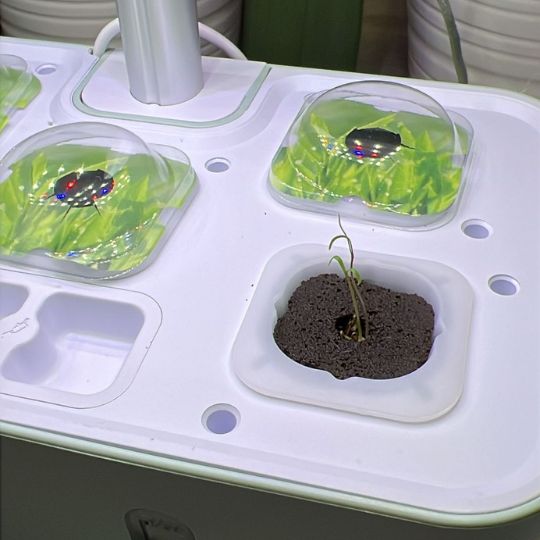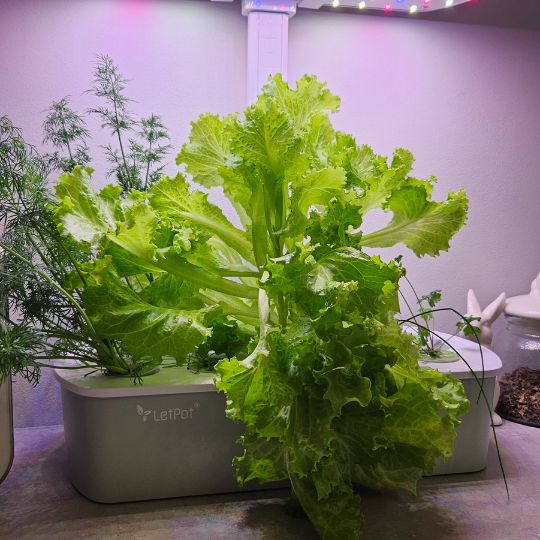


If you’ve ever opened an Easter basket and thought, “I wish the grass was real (and not messy plastic),” you’re in the right place. Indoor Easter grass is one of the fastest, simplest growing projects you can do on a windowsill. In a week or two you can have a thick, bright-green “mini lawn” that looks great in a basket, a bowl, or as table decor.
Most “Easter grass” you grow at home is a quick-sprouting cereal grass (like wheat/rye) or a fast decorative grass. The idea is the same: sow thickly, keep it evenly moist, give it light, and trim if it gets floppy. Some traditions link basket “grass” to the idea of a nest, which fits the Easter basket story really well. You can see that “nest” explanation in common tradition write-ups. Time’s overview and Mental Floss’ Easter traditions piece both describe the basket-as-nest idea.
What you’ll need
- Easter grass seeds (sow thickly for that lush look)
- A shallow tray, bowl, pot, or basket liner (5–8 cm deep is plenty)
- Potting soil (or seed-starting mix)
- Spray bottle or small watering can
- Kitchen scissors (for trimming)
- A bright windowsill (or a grow light if you have one)
If you want to browse more options for indoor sowing projects, you can also start from our main seeds collection.
Step-by-step: grow Easter grass in a pot or tray
1) Prepare your container
Add soil and level it. You do not need a deep layer. A shallow container works well because Easter grass is usually grown for quick, short-term display. If your container has no drainage, be extra careful with water so the roots do not sit in a puddle.
2) Sow the seeds thickly
Scatter seeds densely across the surface. This is one of the big secrets to a “full lawn” look. Press them gently into the soil so they make good contact. Add a very light dusting of soil on top, just enough to barely cover them.
3) Moisten evenly (do not flood)
Mist or water gently until the soil is evenly moist. You want “damp like a wrung-out sponge,” not soggy. Too much water is the fastest way to invite mold.
4) Cover for faster germination (optional, but helpful)
For the first 2–4 days, you can loosely cover the top with plastic wrap (poke a few holes) or place the container in a clear bag. This holds humidity and helps the seeds sprout evenly. Remove the cover as soon as you see sprouts pushing up, so fresh air can circulate.
5) Move to bright light
Once sprouted, give it bright light on a windowsill. If you notice the blades stretching and leaning, it usually means it wants more light.
6) Water little and often
Keep the soil lightly moist. Check daily. In a warm home, a shallow tray can dry out quickly, especially near a sunny window.
7) Trim for a tidy, upright “lawn”
When it reaches the height you like, trim the top with clean scissors. Trimming encourages a thicker look and helps it stand up better.
How long does Easter grass take to grow?
For many fast grasses used as “Easter grass,” you’ll see sprouts in about 3–5 days and a basket-ready look around 7–10 days, depending on warmth and light. That “about a week” timeline is commonly used in Easter grass how-to guides. Gardenista’s wheatgrass project notes visible shoots in just a few days, and many DIY guides plan around a one-week window for a full look.
What happens if you don’t pick up cut grass?
If you trim your Easter grass and leave the clippings sitting on top, they can mat down, block light, and hold moisture against the living blades. Indoors, that trapped dampness can make the surface look messy and can increase the chance of mold. The easy fix is simple: trim, then gently lift off the clippings with your fingers, a dry paper towel, or a small brush.
What to do with Easter grass
- Line an Easter basket: It cushions eggs and treats and gives a clean, natural look.
- Table decor: A shallow bowl of grass makes an easy spring centerpiece.
- Kids’ growing project: It’s quick, visible progress, which is perfect for beginners.
- Pet-friendly greenery (with care): Many people grow grassy trays as a nibble option for pets, but always watch for over-chewing and check what species you are growing.
How to dispose of Easter grass
If you grew real grass in soil, the simplest option is to compost it (grass + soil) or put it into green waste, depending on what your local system accepts. If you used it as basket liner and it’s still clean, you can keep it going for a while longer on the windowsill. If you used artificial “plastic grass,” treat it like packaging waste where possible, or reuse it next year to reduce waste.
Can you eat Easter grass?
It depends on what you mean by “Easter grass.”
- Real, edible grasses: Many people grow wheatgrass (or similar cereal grasses) as “edible Easter grass” because it is commonly juiced or used in small amounts. This is why you’ll see “edible Easter grass” projects that specifically call it wheatgrass.
- Decorative grasses: If you are growing Easter grass mainly as decoration, treat it as non-food unless the seed packet clearly states it is intended for sprouting/food use.
- Plastic Easter grass: Do not eat it.
If you want an evidence-based rule that keeps things simple: only eat what is grown from seeds sold and labelled for sprouting/food use, and only if you’ve grown it in clean, food-safe conditions.
What does edible Easter grass taste like?
Edible “Easter grass” is usually wheatgrass (or a similar cereal grass). People often describe it as fresh, green, and grassy. It can taste slightly sweet when young, and more “intense” as it gets older. Many use it in juice or smoothies because the flavour is strong on its own.
How to grow Easter grass in a sprouting jar (and when it makes sense)
You can use sprouting jars for the first part of the process, but there’s an important limit: jars are great for sprouting seeds, not for growing long, upright “grass blades” for a basket. A reliable approach is to sprout in a jar, then transfer to a tray or pot once the seeds have “tails.” Sprouting guides often describe this jar-then-tray workflow for longer growth stages. Cultures for Health explains sprouting in a jar and then transferring for longer growth, and wheatgrass guides show jar steps for pre-sprouting before growing on. AlphaFoodie’s wheatgrass tutorial is one example of the jar-based sprouting start.
Option A: Jar pre-sprout (best “jar” method for Easter grass)
- Soak seeds in a jar for about 8–12 hours.
- Drain well, then rinse and drain 2 times per day until you see small sprout tails.
- Transfer the sprouted seeds onto moist soil in a tray/pot and continue like the standard method above.
This gives you faster, more even germination and can reduce the chance of patchy trays.
Option B: Use a sprouting bowl for sprouts (not “basket grass”)
If your goal is edible sprouts rather than decorative “grass,” a sprouting bowl or jar is perfect. You can browse our seed sprouting jars & bowls collection for easy indoor setups. Just keep expectations clear: sprouts are harvested young, usually in days, and they are not meant to become a tall lawn in a basket.
What is the Easter grass tradition?
The “grass” in an Easter basket is commonly explained as a nod to nests and springtime, tying into the idea of eggs being found in a nest. Several popular explanations of Easter basket history describe baskets evolving from nests used in older traditions and the grass as part of that nest look. Mental Floss and Time both discuss this kind of origin story.
Why do we put grass in Easter baskets?
Practically, it cushions eggs and gifts. Symbolically, it helps the basket look like a nest and leans into spring themes like new growth and renewal. If you prefer a cleaner, more sustainable version, growing real grass indoors does the same job without plastic shred.
What are three Catholic Easter traditions?
Catholic Easter practices vary by country and parish, but these are three widely recognised traditions:
- The Easter Vigil: Held on Holy Saturday night, it includes the blessing and lighting of the Paschal candle and readings that trace salvation history. CatholicCulture’s Easter Vigil overview describes the Vigil structure and themes, and the Paschal candle is a central part of Easter liturgy. Paschal candle background
- Easter Sunday Mass: Celebrating the Resurrection, often with special music, white/gold vestments, and festive gatherings.
- Blessing of Easter food baskets (in many Catholic cultures): In places like Poland and other Central and Eastern European communities, families bring baskets of foods to be blessed before Easter meals. Diocese of Pittsburgh and this bishops’ resource (PDF) describe the basket-blessing tradition and symbols.
Why do people wear green on Easter?
Not everyone wears green specifically, but green is widely used as a spring colour because it signals fresh growth. Some explanations of Easter colour symbolism describe green as representing growth and new life around the season. Southern Living includes green as a growth symbol in Easter colour meanings.
What is the meaning of saltgrass?
“Saltgrass” usually refers to grasses that tolerate salty conditions, often in coastal marshes or alkaline soils. It is not the same as Easter basket grass. If you saw the term while researching Easter grass, it is likely just a separate plant name rather than an Easter tradition. For a clear definition, see Cambridge Dictionary or a plant profile like Nature Collective.
Why are sweetgrass baskets so expensive?
This question usually refers to the famous handwoven “sweetgrass baskets” (often associated with Charleston and Gullah Geechee heritage), not Easter basket grass. These baskets take skilled labour and many hours to weave, and the materials can be harder to source. Markets that document the tradition describe them as long-standing cultural craftwork. Charleston City Market explains the sweetgrass basket tradition and materials.
Quick indoor troubleshooting tips
- Grass is falling over: Give it more light and trim it shorter.
- Patchy growth: Sow thicker next time, or pre-sprout in a jar and then transfer.
- Mold on the surface: Improve airflow, remove any clippings, and reduce watering frequency while keeping the soil lightly moist.
- Yellowing: Often from low light or uneven moisture. Move it brighter and keep watering consistent.
Conclusion
If you want a simple Easter project with a big visual payoff, indoor Easter grass is hard to beat. Sow thickly, keep it evenly moist, give it bright light, and trim it once it reaches the height you like. If you enjoy the clean, practical side of growing indoors, you can also use a sprouting jar to pre-sprout seeds before transferring them to a tray, or grow quick edible sprouts in a bowl as a separate project. When you’re ready, you can pick up Easter grass seeds and explore more seeds for easy indoor growing.
FAQ
What is Easter grass?
Easter grass is the “grass” used to line baskets and decorate for Easter. You can use artificial shredded grass, but many people grow real fast-sprouting grass indoors for a cleaner, natural look.
Can you eat Easter grass?
Only if it is an edible grass grown from food-grade sprouting seeds in clean conditions. Decorative grass or plastic “Easter grass” should not be eaten.
What does edible Easter grass taste like?
Edible “Easter grass” is commonly wheatgrass or similar cereal grass, which tastes fresh and grassy, sometimes slightly sweet when young.
How long does Easter grass take to grow?
You often see sprouts in 3–5 days and a basket-ready look around 7–10 days, depending on warmth and light.
How to grow Easter grass?
Sow seeds thickly on moist soil in a shallow tray, keep evenly moist, provide bright light after sprouting, and trim to keep it neat and upright.
What happens if you don’t pick up cut grass?
Clippings can mat, block light, and trap moisture, which can look messy and increase mold risk. Remove clippings after trimming.
What to do with Easter grass?
Use it as basket liner, spring table decor, a kids’ growing project, or keep it going as a small windowsill “mini lawn.”
How do you dispose of Easter grass?
Real grass can usually be composted or put in green waste. Plastic grass is best reused, or disposed of according to local recycling rules.
Can you grow Easter grass in sprouting jars?
You can sprout seeds in a jar first, then transfer them to a tray to grow tall grass. Jars are better for sprouts than for growing a basket-style “lawn” of long blades.
What is the Easter grass tradition?
It is commonly linked to the idea of lining baskets like nests and celebrating spring growth and renewal.
Why do we put grass in Easter baskets?
It cushions eggs and gifts and helps the basket resemble a nest, tying into springtime symbolism.
What are three Catholic Easter traditions?
The Easter Vigil (including the Paschal candle), Easter Sunday Mass, and in many cultures the blessing of Easter food baskets.
What is the meaning of saltgrass?
Saltgrass usually refers to salt-tolerant grasses found in coastal or alkaline soils and is not the same as Easter basket grass.
Why do people wear green on Easter?
Green is widely used as a spring colour symbolising growth and new life, although wearing green is not a universal Easter custom.
Why are sweetgrass baskets so expensive?
Sweetgrass baskets are handwoven cultural craft items that require skill, time, and specific materials, which makes them costly.
For more on what grows well indoors, see our guide to choosing seeds for your indoor garden.