
Smart gardens and modern indoor growing systems have made it possible for almost anyone to grow herbs, greens, and even vegetables at home. But beginners — check our beginner’s guide for a full overview — (and even experienced growers) often ask the same question: which growing system is actually best?
In this guide, we’ll break down the three main indoor growing approaches—hydroponic smart gardens, soil-based growing, and self-watering systems — read our self-watering systems guide. We’ll explain how each system works, their pros and cons, who they’re best for, and how they compare in real-life indoor use. By the end, you’ll know exactly which option fits your space, lifestyle, and goals.
What is a smart garden?
A smart garden is an indoor growing system designed to automate the most difficult parts of plant care. Most smart gardens combine:
- Hydroponic growing (plants grow in water instead of soil)
- Built-in LED grow lights
- A water reservoir
- Guided nutrient dosing and reminders
The goal is simple: reduce guesswork and make indoor gardening reliable, even in homes with little natural light.
Examples include countertop systems and larger indoor units found in the smart gardens category.
The three main indoor growing systems
1. Hydroponic smart gardens
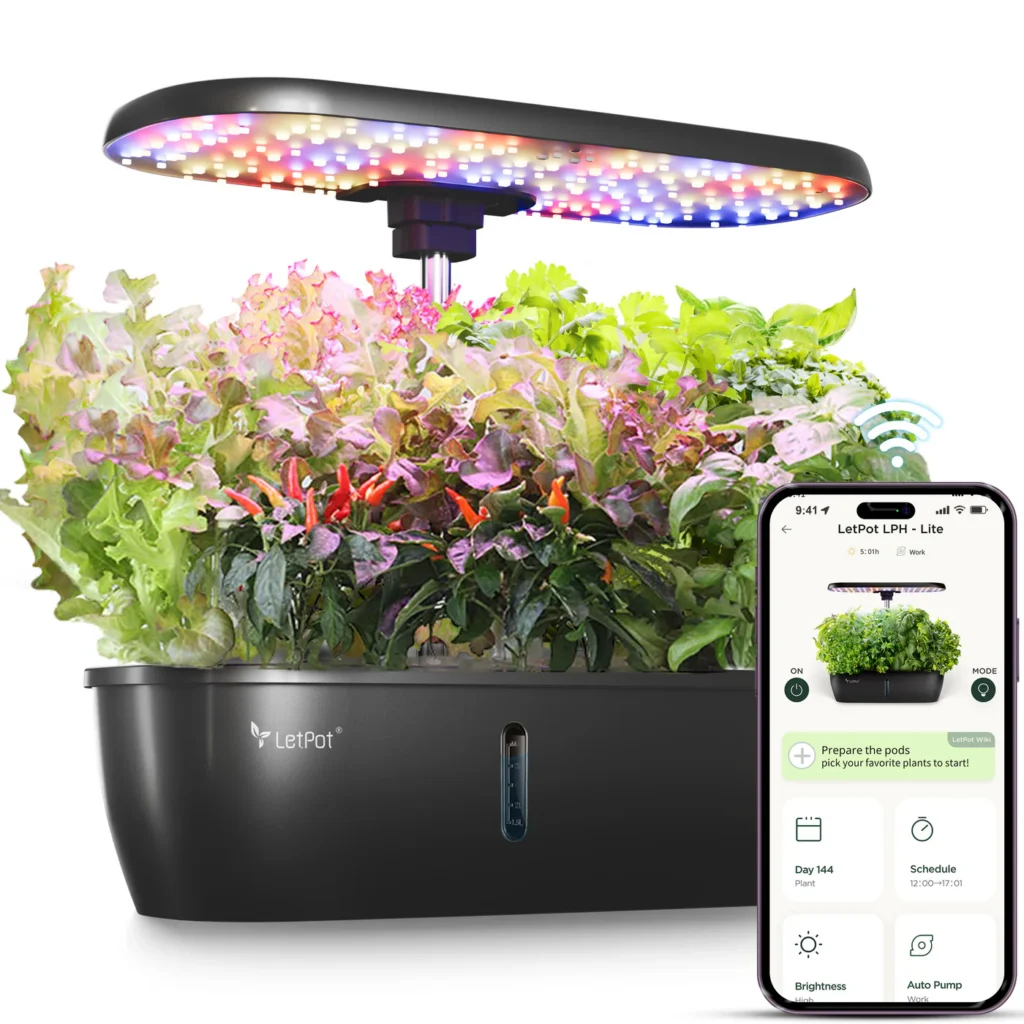
Hydroponics means growing plants without soil. Instead, roots sit in water enriched with mineral nutrients. Oxygen, water, and nutrients are delivered directly to the roots, which is why hydroponic plants often grow faster than soil-grown ones.
How hydroponic smart gardens work
- Seeds are placed in sponges or grow plugs
- Roots grow into nutrient-rich water
- LED lights provide consistent light regardless of season
- Nutrients are added according to a schedule
Advantages of hydroponic smart gardens
- Fast growth: Plants receive nutrients directly, which often speeds up growth
- No soil mess: Ideal for apartments and kitchens
- Consistent results: Light and water are controlled
- Beginner-friendly: Less daily decision-making
Limitations to consider
- Uses mineral-based nutrients rather than organic compost
- Requires occasional cleaning and water replacement
- Dependent on electricity for lighting and pumps
Hydroponic systems are widely studied and used commercially because of their efficiency. University extension programs such as Penn State Extension explain that hydroponics allows precise control over plant nutrition, which leads to predictable growth.
If you want the most automated option with the least reliance on natural light, hydroponic smart gardens are usually the best choice.
2. Soil-based indoor gardening
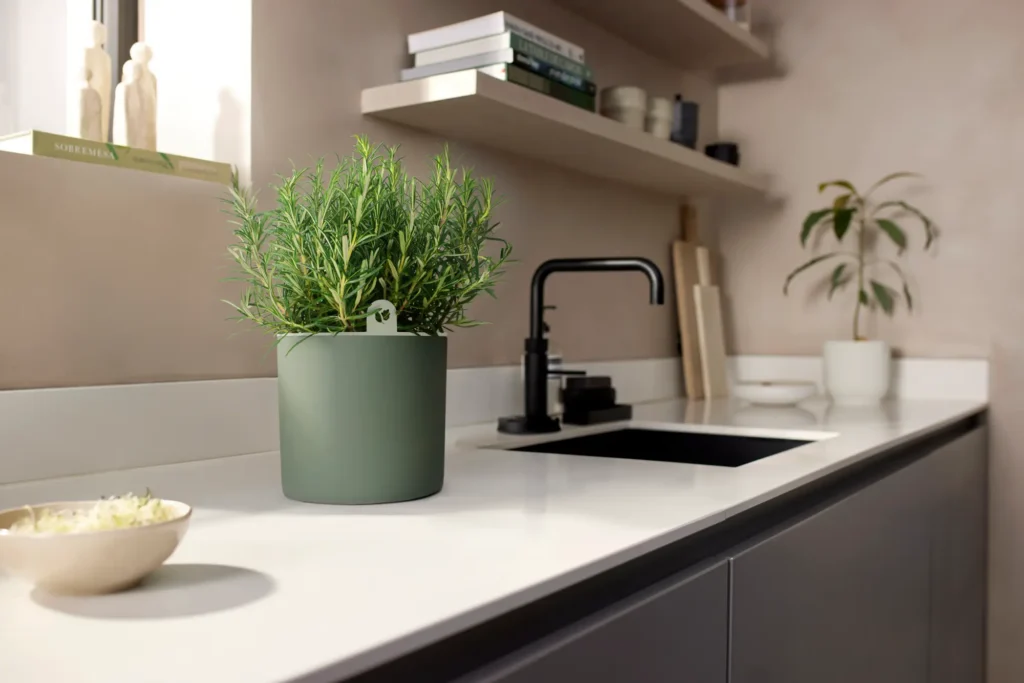
Soil growing is the traditional method most people recognize. Plants grow in pots filled with potting mix, and water and nutrients are supplied through regular watering.
How soil growing works indoors
- Seeds or seedlings are planted in pots with drainage
- Plants rely on soil for structure and nutrient storage
- Light comes from windows or supplemental grow lights
Advantages of soil growing
- Familiar and flexible: Easy to understand and adapt
- Organic-friendly: Compost and organic fertilizers can be used
- Wide plant choice: Works for almost all houseplants
Limitations to consider
- Watering mistakes are common (over- and underwatering)
- Soil can attract pests like fungus gnats
- Growth depends heavily on window light
According to University of Minnesota Extension, most indoor plant problems in soil come from improper watering and insufficient light. For beginners, these two factors can be difficult to balance.
Soil growing is best for people who enjoy hands-on care and have good natural light.
3. Self-watering systems
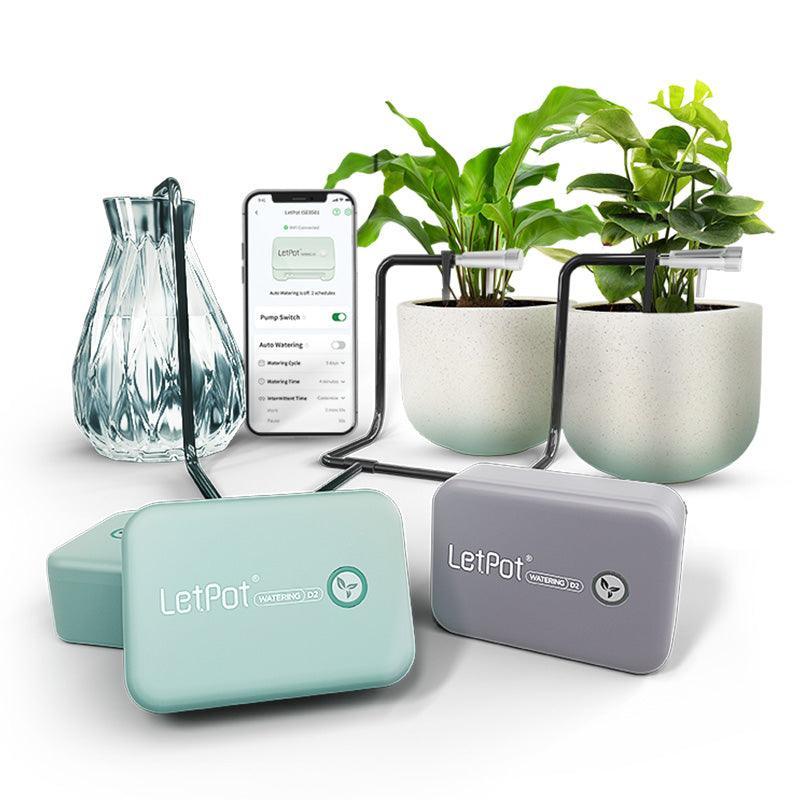
Self-watering systems sit between soil and hydroponics. Plants still grow in soil, but water is supplied from a reservoir below via capillary action.
How self-watering systems work
- Soil absorbs water as needed from a built-in reservoir
- Roots are less likely to sit in standing water
- Watering frequency is reduced
Advantages of self-watering systems
- More forgiving watering: Helps avoid dry or flooded soil
- Lower maintenance: Great for busy schedules
- Still soil-based: Works with organic fertilizers
Limitations to consider
- Still relies on available light
- Salt buildup can occur if fertilizer is overused
- Not all plants like constant moisture
Self-watering containers are often recommended by extension services for beginners who struggle with watering consistency. They are especially useful for herbs and leafy greens.
You can explore examples in self-watering pots.
Hydroponics vs soil vs self-watering: side-by-side comparison
- Ease of use: Smart garden > self-watering > soil
- Mess level: Smart garden (lowest) > self-watering > soil
- Light dependence: Soil/self-watering (high) vs smart garden (low)
- Growth speed: Smart garden > self-watering ≈ soil
- Organic growing: Soil/self-watering > hydroponics
What can you grow in each system?
Best plants for hydroponic smart gardens
- Herbs (basil, parsley, chives, dill)
- Leafy greens (lettuce, spinach, salad mixes)
- Compact fruiting plants (chilli peppers, cherry tomatoes)
Start with reliable seeds suited for indoor and hydroponic use.
Best plants for soil growing
- Most houseplants
- Herbs and greens with good window light
- Plants that prefer drier roots
Best plants for self-watering systems
- Herbs
- Leafy greens
- Plants with moderate, steady water needs
Nutrients and plant food: an important difference
Soil and self-watering systems store nutrients in the soil. Hydroponics supplies nutrients directly in water. Plants absorb nutrients as mineral ions in all systems, but hydroponics requires more precision.
Extension research from Oklahoma State University explains that maintaining correct nutrient concentration and refreshing solutions prevents salt buildup and stress.
For hydroponic systems, always use nutrients designed for water-based growing, such as those found in fertilizers for hydroponics.
Which system is best for beginners?
If your priority is success with minimal effort, hydroponic smart gardens are usually the easiest starting point. They eliminate most light and watering issues.
If you prefer natural soil and organic inputs and have good light, soil or self-watering systems are excellent choices.
How to choose the right system for your home
- Low light apartment: Smart garden
- Bright window and time to care: Soil
- Busy schedule but soil preference: Self-watering
- Kitchen herbs year-round: Smart garden or self-watering
Conclusion
Smart gardens, soil growing, and self-watering systems all work—but they solve different problems. Hydroponic smart gardens offer speed, consistency, and low mess. Soil growing offers flexibility and organic options. Self-watering systems balance ease with traditional growing.
The best system is the one that fits your space, light, and routine. If you want a predictable, modern indoor growing experience, explore smart gardens. If you prefer hands-on care, soil or self-watering systems may be your path.
Whichever method you choose, starting with the right seeds and understanding how your system works will set you up for long-term success.