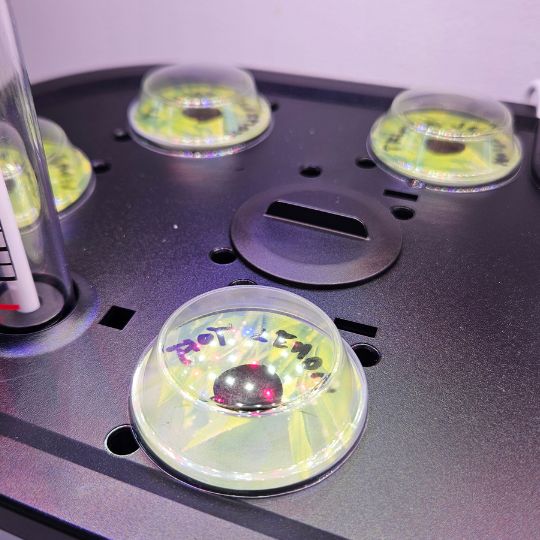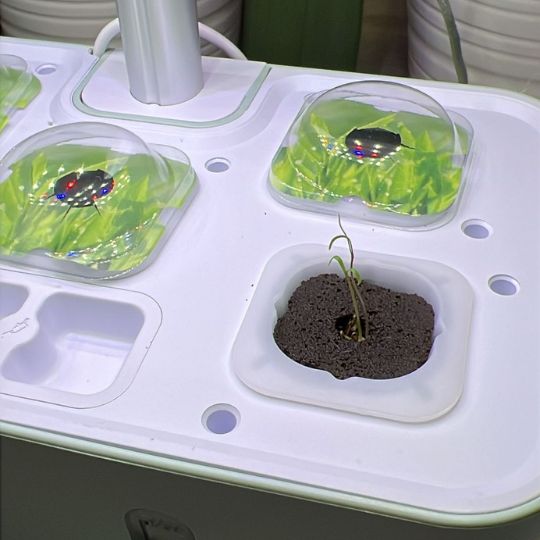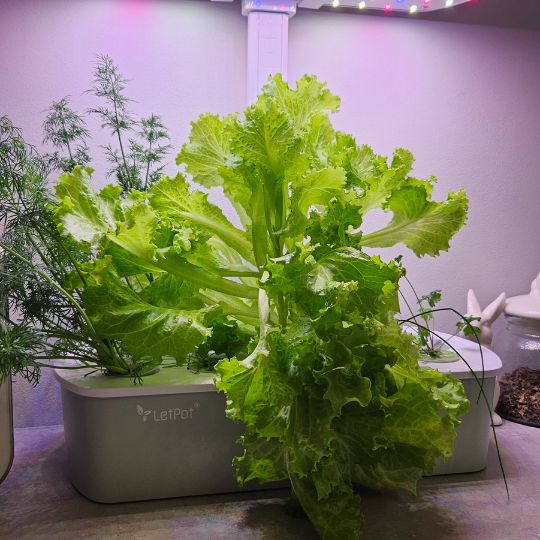

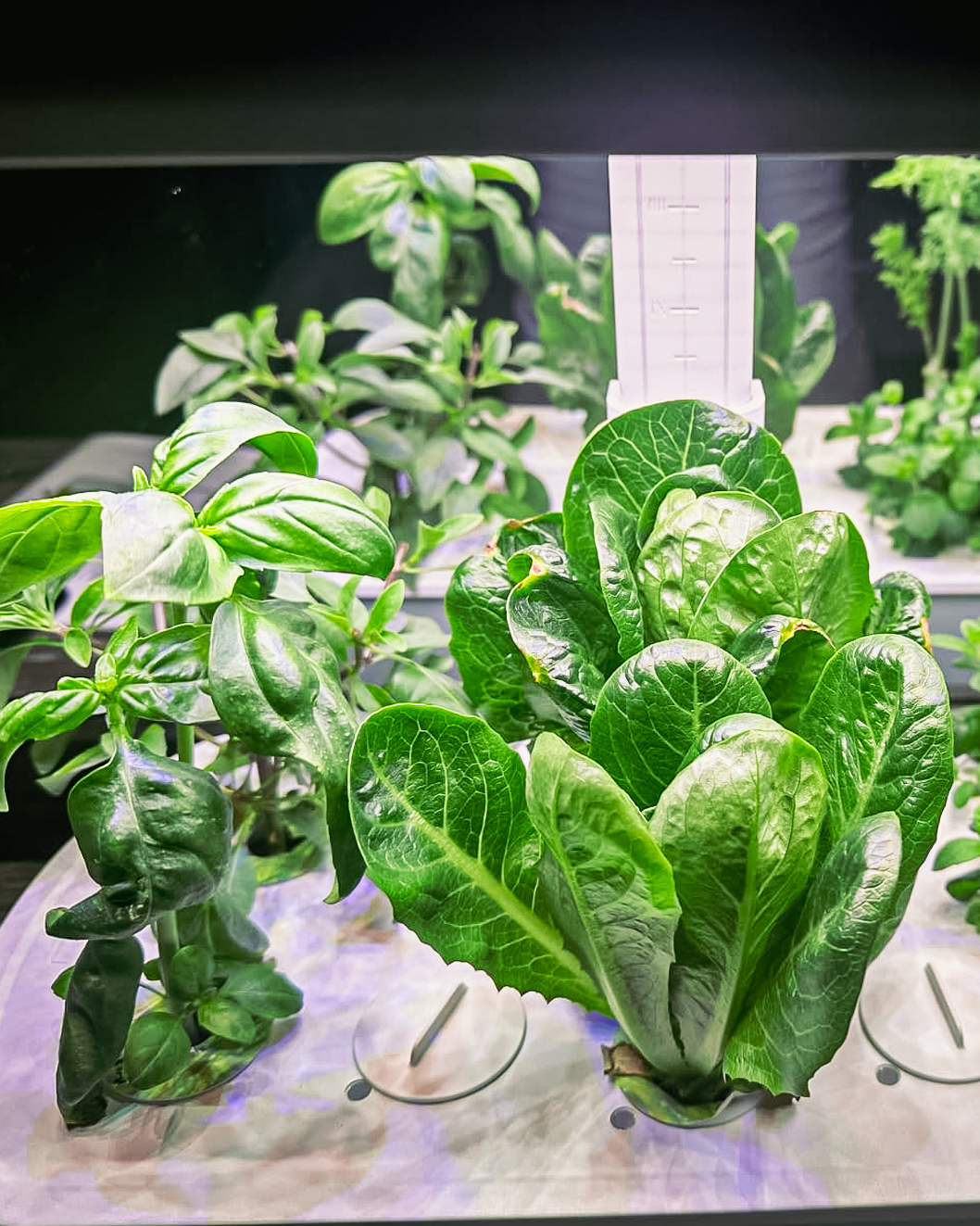
Blue light is a specific part of the visible light spectrum, roughly between 400 and 500 nanometers. While plants use many wavelengths of light, blue light plays a unique role in regulating how plants grow, develop, and function. It influences not only photosynthesis, but also plant shape, leaf development, and internal processes that determine overall plant health.
In indoor gardening, understanding blue light becomes especially important because artificial lighting allows us to control spectrum intentionally. For a broader explanation of indoor lighting and how spectrum choices affect plant growth, see our guide on Grow Lights for Indoor Plants.
Blue light and photosynthesis
Plants use light to drive photosynthesis, converting carbon dioxide and water into sugars that fuel growth. Chlorophyll pigments absorb light most efficiently in the blue and red regions of the spectrum. Blue light is particularly effective because it is strongly absorbed by chlorophyll-b and accessory pigments that support energy transfer during photosynthesis.
Scientific overviews explain that while red light is efficient for photosynthesis, blue light improves overall photosynthetic performance when included in a balanced spectrum. This is why most horticultural LED systems combine blue and red wavelengths rather than relying on a single colour. You can read more about chlorophyll absorption and photosynthesis fundamentals on Wikipedia’s overview of photosynthesis.
Blue light controls plant shape and structure
Beyond energy production, blue light acts as a signal that tells plants how to grow. This process is known as photomorphogenesis, which describes how light quality influences plant form rather than growth rate alone.
Plants contain specialized blue-light photoreceptors, including phototropins and cryptochromes. These receptors trigger developmental responses when blue light is detected. According to the Wikipedia article on photomorphogenesis, blue light influences stem length, leaf expansion, and overall plant architecture.
- Phototropism: Blue light causes plants to bend toward the light source, helping leaves position themselves for better light capture. This response is explained in detail in the overview of phototropism.
- Compact growth: Higher proportions of blue light tend to reduce excessive stem elongation, resulting in shorter, sturdier plants with thicker leaves.
- Leaf development: Studies published in journals such as Frontiers in Plant Science show that blue light can increase leaf thickness and improve internal leaf structure, which supports gas exchange and photosynthetic efficiency (Frontiers in Plant Science).
Blue light and stomatal function
Stomata are tiny pores on leaf surfaces that regulate gas exchange. They allow carbon dioxide to enter the leaf and oxygen and water vapour to exit. Blue light has a strong and direct effect on stomatal opening.
Research summarized in the Wikipedia article on stomata explains that blue light activates specific signalling pathways that cause guard cells to open stomata efficiently. This improves carbon dioxide uptake during periods when light is available, supporting photosynthesis while helping plants regulate water loss.
Why blue light matters for seedlings and leafy crops
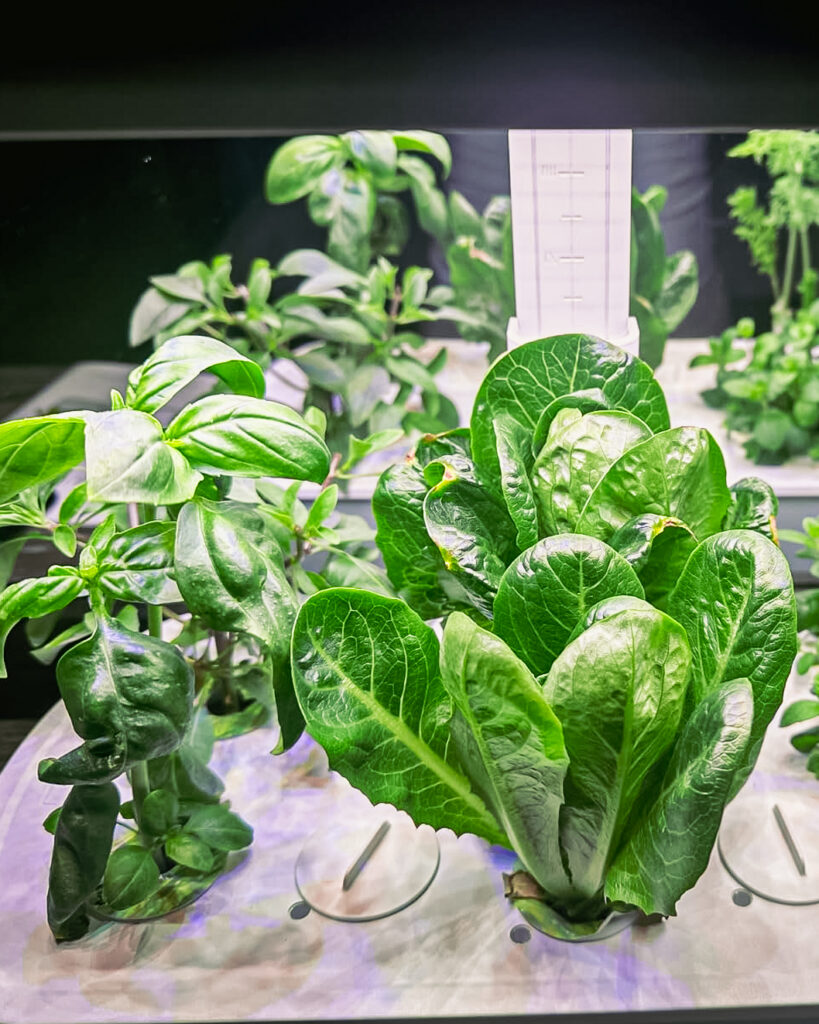
Blue light is particularly important during early plant development. Seedlings grown under light that includes blue wavelengths tend to develop stronger stems, healthier leaves, and more compact growth compared to those grown under light lacking blue wavelengths.
University extension resources, such as the University of Minnesota Extension guide on lighting for indoor plants, recommend full-spectrum or white light that includes blue wavelengths for seed starting and leafy greens.
This is especially relevant when growing leafy crops like lettuce or microgreens indoors. Categories such as lettuce and leafy green seeds and microgreen seeds respond well to lighting that includes sufficient blue light early in growth.
Blue light and plant quality
Beyond growth form, blue light influences plant quality traits such as pigment production and secondary metabolites. Research published in horticultural and plant science journals indicates that blue light can increase flavonoids and other compounds associated with colour, flavour, and nutritional value in herbs and leafy greens.
An overview of these effects can be found in peer-reviewed articles such as those published by MDPI in Horticulturae, which discuss how blue light affects plant biochemical composition (MDPI – Horticulturae).
How this applies to indoor growing
Plants use blue light for much more than basic energy. It supports photosynthesis, controls plant shape, regulates stomatal behaviour, strengthens seedlings, and influences plant quality. In indoor gardens, providing light that includes blue wavelengths helps plants grow compact, healthy, and efficient.
When combined with stable watering, nutrients, and appropriate systems such as smart garden systems, balanced lighting ensures plants develop predictably and with fewer issues.
For a deeper look at how spectrum, intensity, and duration work together, revisit our full guide on Grow Lights for Indoor Plants.