
Leafy greens are among the easiest and most rewarding plants to grow indoors, but the results depend heavily on choosing the right grow light. When lighting is mismatched, greens often grow slowly, stretch toward the light, lose color, or develop poor texture. The goal is not maximum power or advanced equipment, but light that matches how leafy greens naturally grow.
This guide explains what leafy greens need from light, how to choose a suitable grow light without overcomplicating the decision, and how to avoid the most common mistakes that lead to disappointing harvests.
What Counts as Leafy Greens
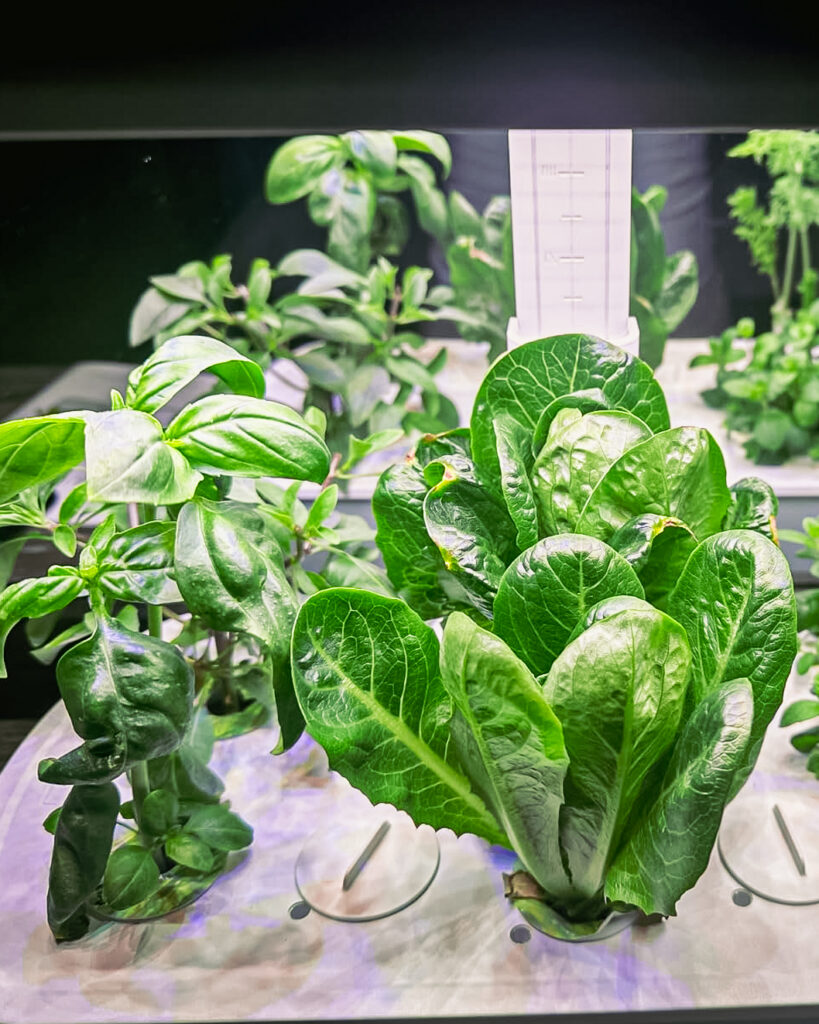
Leafy greens are plants grown primarily for their leaves rather than flowers or fruit. This group includes lettuce, spinach, mixed salad greens, arugula, kale, chard, and many Asian greens. While these plants differ in shape and flavor, their light needs are very similar, which makes grow light selection more straightforward than it is for fruiting crops.
How Leafy Greens Use Light
Leafy greens focus their energy on producing foliage, not flowers or fruit. Because of this, they benefit most from steady, moderate light delivered consistently each day. They respond well to balanced light that supports compact growth and healthy leaf structure rather than intense bursts of energy. Excessive light rarely improves results and often leads to stress, bitterness, or stalled growth.
Best Light Spectrum for Leafy Greens
Broad, white-spectrum grow lights are the most reliable choice for leafy greens. Blue wavelengths help maintain compact growth and strong leaves, while red wavelengths support overall energy production. Leafy greens do not need heavy red dominance like fruiting plants do, which is why full-spectrum white grow lights work so well for this group. They support healthy growth while keeping plants visually easy to monitor.
Red and Blue Grow Lights: When They Make Sense
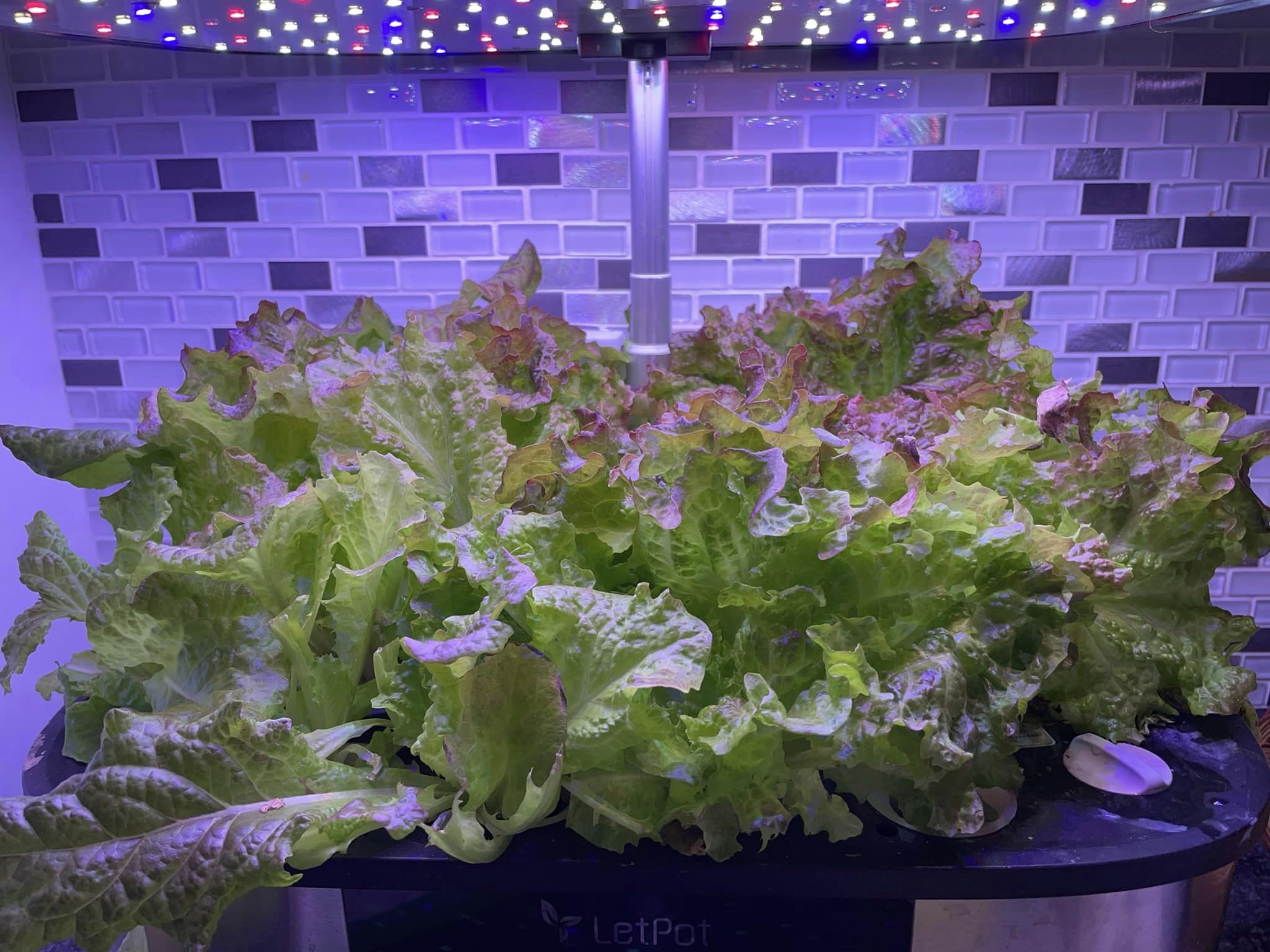
Red and blue grow lights can grow leafy greens successfully, but they are rarely ideal for home environments. The purple light can make it harder to spot early signs of nutrient problems or leaf damage, and many people find it unpleasant in kitchens or living spaces. These lights make more sense in dedicated grow areas where visual comfort is not a concern.
How Much Light Intensity Leafy Greens Need
Leafy greens prefer moderate light intensity and do not benefit from the high-output lighting used for fruiting plants. When light intensity is too high, greens may develop pale or bleached leaves, bitter flavor, or slow growth despite strong lighting. Even, moderate light delivered consistently across the plant canopy produces better results than intense light focused on a small area.
Coverage Area Matters More Than Power
One of the most common mistakes is choosing a grow light based on wattage alone. Leafy greens grow best when light is spread evenly across all plants rather than concentrated in a narrow beam. A light with wide, uniform coverage almost always outperforms a more powerful light that leaves parts of the growing area shaded. Matching the size of the light to the size of the growing space is more important than choosing the strongest option available. This applies whether you’re growing leafy greens, herbs, or other indoor crops.
Distance Between Light and Plants
The distance between the grow light and the plant canopy plays a major role in plant health. When lights are too far away, leafy greens stretch and become thin and fragile. When lights are too close, leaves may curl, dry out, or lose color. Adjusting the distance gradually and observing how plants respond leads to better outcomes than relying on fixed measurements alone.
Daily Light Duration for Leafy Greens
Leafy greens respond best to long, consistent days rather than extreme brightness. Stable daily light cycles support steady leaf production and better texture. Using a timer helps maintain consistency and prevents accidental overexposure. More hours of light do not always improve growth, as plants still need a period of darkness to function properly.
Using Natural Light Together With Grow Lights
Leafy greens can grow well using a combination of window light and grow lights. In brighter rooms, grow lights often work best as a supplement that extends the day or stabilizes light levels during mornings, evenings, or darker seasons. In rooms with limited natural light, grow lights may become the primary light source. Both approaches work when total daily light exposure remains consistent.
Beginner-Friendly Grow Light Features
For leafy greens, simplicity leads to better results. If you’re also growing microgreens, similar principles apply. Useful features include white or full-spectrum output, wide and even coverage, low heat output, and compatibility with timers. Advanced spectrum controls and extreme brightness add complexity without improving results for this type of plant.
Common Mistakes When Lighting Leafy Greens
Most problems come from overthinking or overcorrecting. Common mistakes include using lights designed for fruiting plants, placing lights too far away, running lights continuously without dark periods, or mixing different light types inconsistently. Leafy greens reward steady, moderate conditions rather than constant adjustment, and once lighting is balanced, growth becomes predictable and low effort.
What Success Looks Like
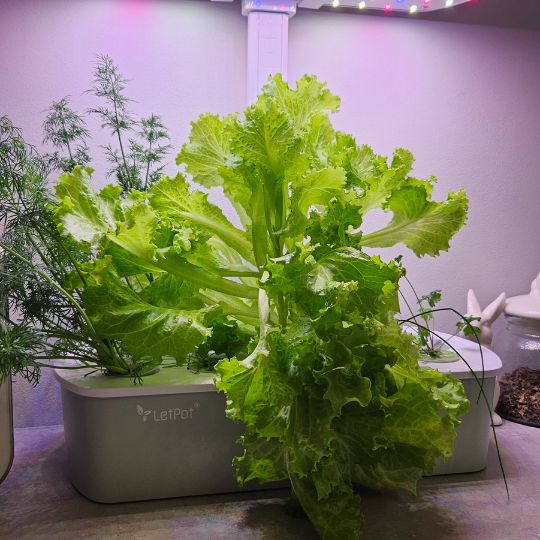
Healthy leafy greens grown under the right light show compact growth, rich green color, firm leaves, and predictable harvest timing. When lighting is correct, plants grow steadily without constant troubleshooting, and harvesting becomes routine rather than uncertain.
Final Takeaway
Choosing the right grow light for leafy greens comes down to matching light quality and coverage to how these plants naturally grow. A balanced, white-spectrum grow light with even coverage and consistent timing delivers better results than chasing maximum power or complex settings. Once the light is right, leafy greens become one of the easiest and most reliable crops to grow indoors.