

Latest posts
-
What Is the Word for Seed Starting? A Beginner’s Guide to Seed Terminology
When you first get into growing plants from seed, the language around it can feel unnecessarily complicated. Germination, propagation, cotyledons, damping off — these terms come up constantly in growing guides and on seed packets, and if you do not know what they mean, following instructions becomes harder than it needs to be. This article Read more
-
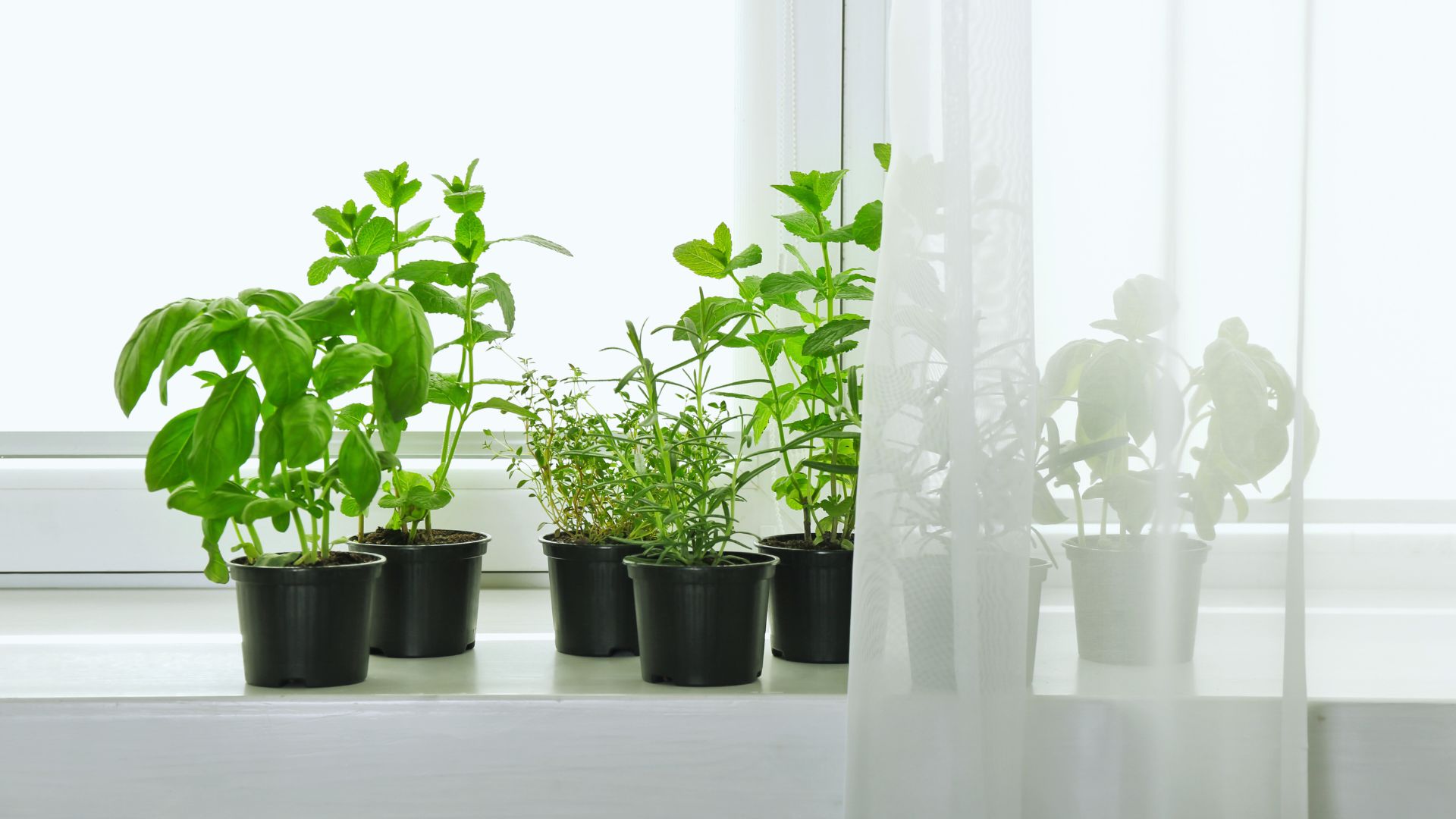
When Should You Start Seeds Indoors?
Timing is one of the most common points of confusion for anyone starting seeds indoors for the first time. Start too early and seedlings outgrow their containers before it is warm enough to move them outside. Start too late and you miss weeks of productive growing time. The good news is that once you understand Read more
-
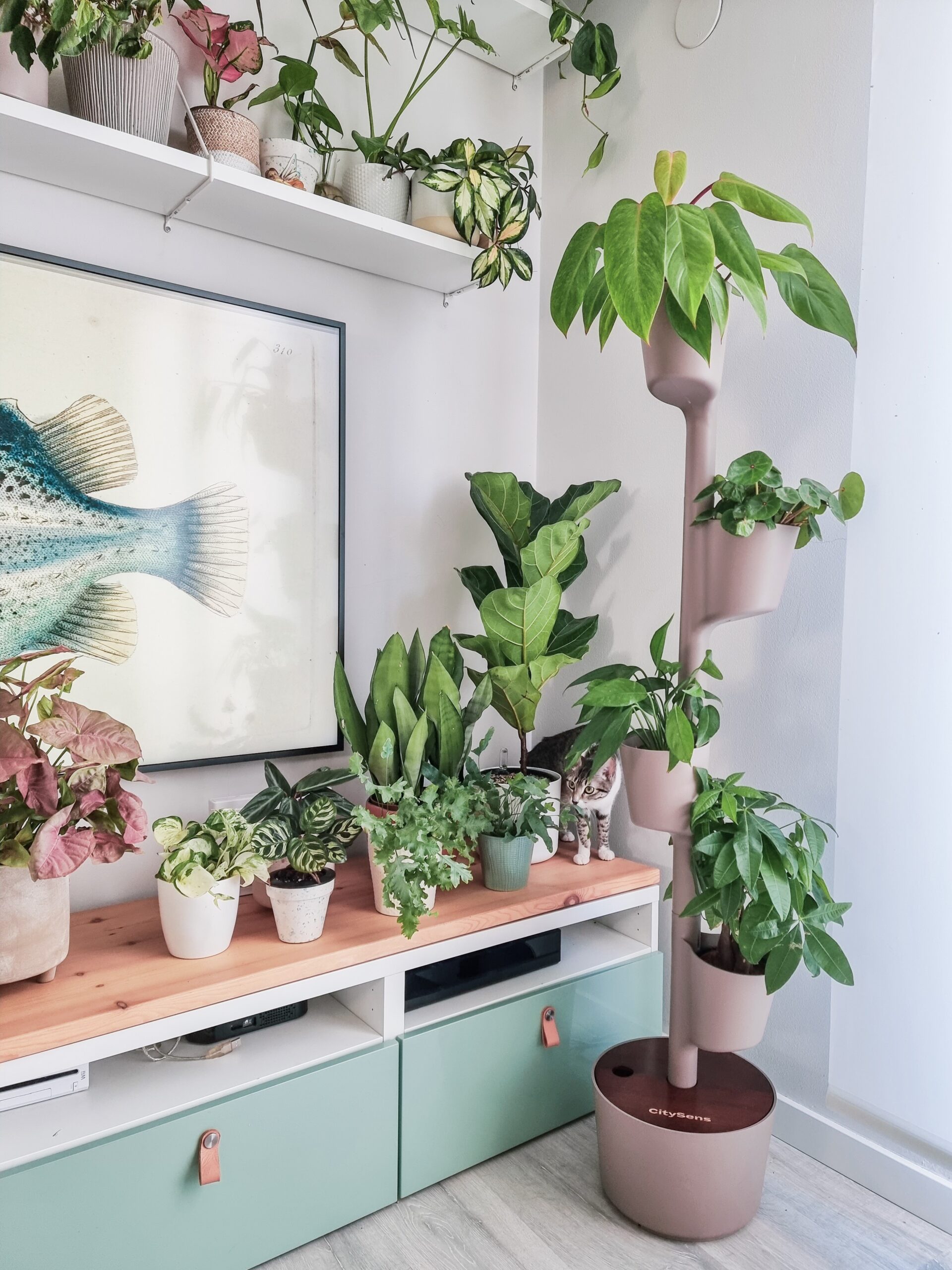
What Soil Should You Use in a Vertical Planter?
Soil choice is one of those things that seems straightforward until your plants start struggling and you cannot figure out why. In a vertical planter, it matters more than in a regular pot — the structure of the growing medium directly affects drainage, moisture retention, and how well roots develop across multiple levels. Get it Read more
-
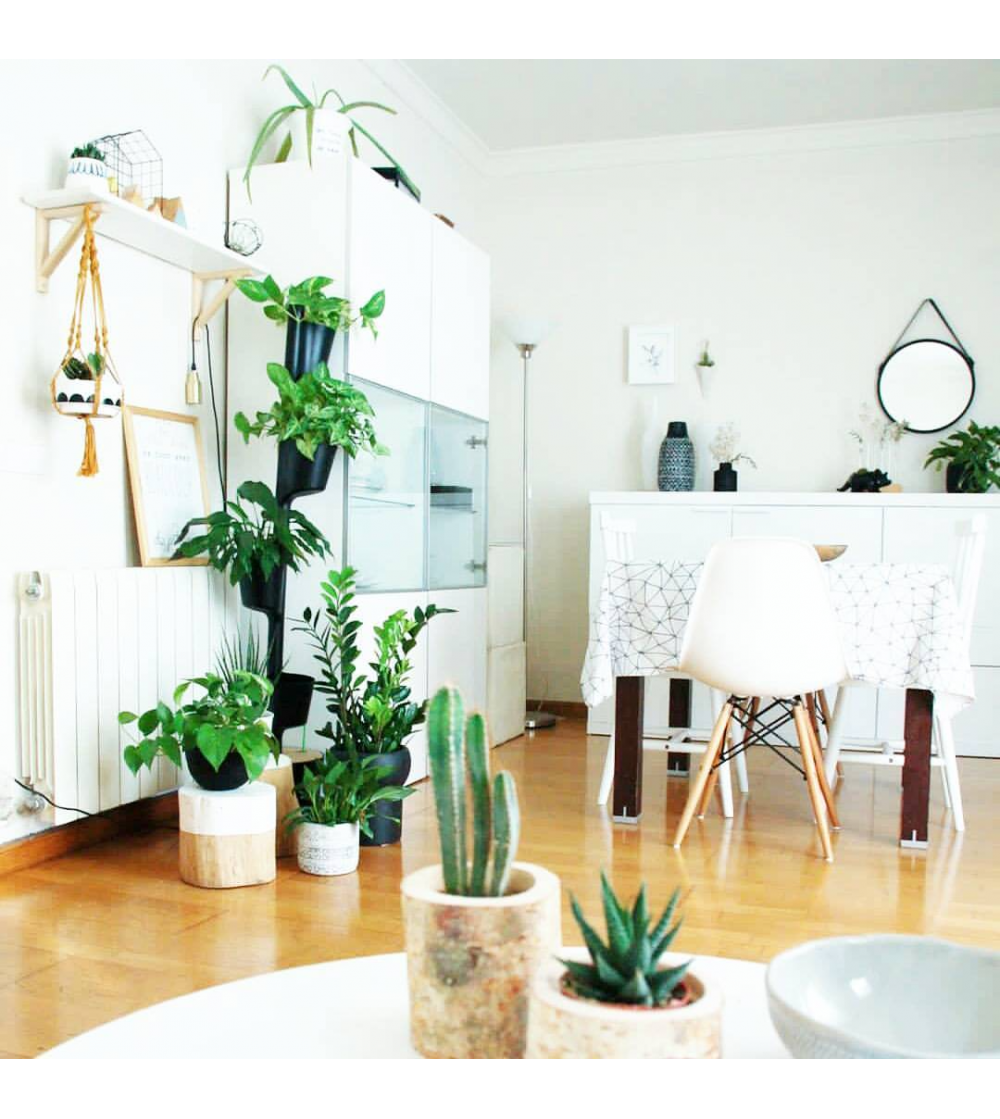
Why Do People Use Vertical Gardens?
If you have ever looked at a wall covered in lush, growing plants and wondered why anyone would go through the trouble, the answer is usually pretty simple: space. Most of us do not have a backyard or even a balcony big enough to grow the plants we want. A vertical garden solves that problem Read more
-
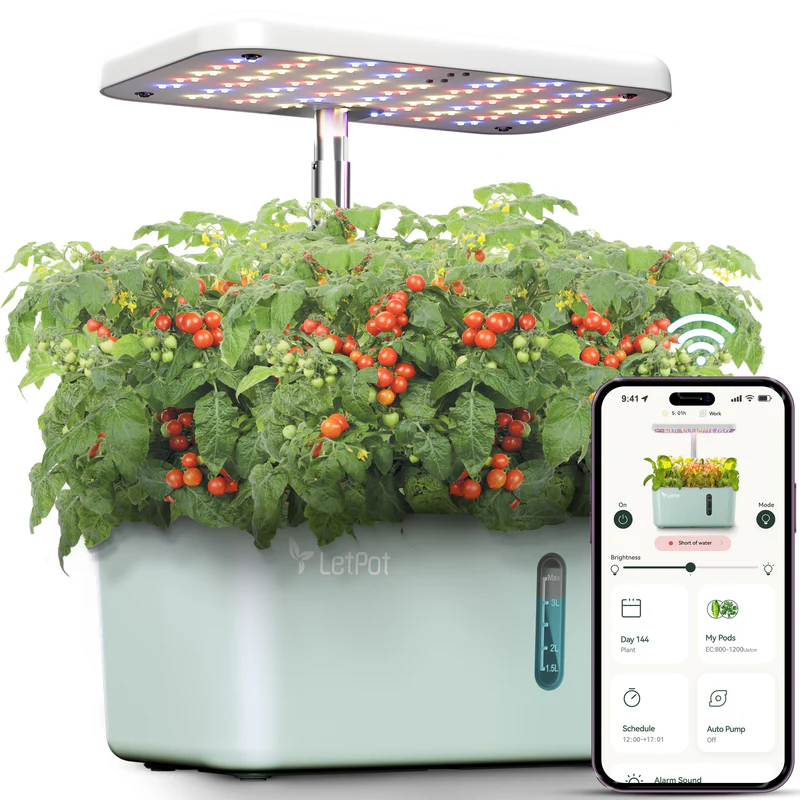
What Are the Best Rise Gardens Alternatives Available in Europe?
Rise Gardens has built a strong following in the US by solving a problem that most smart garden brands ignore: what happens when you outgrow your first system. The Rise Garden is a modular, stackable hydroponic unit that starts as a single-level countertop garden and expands into a full three-level floor structure that can hold Read more
-
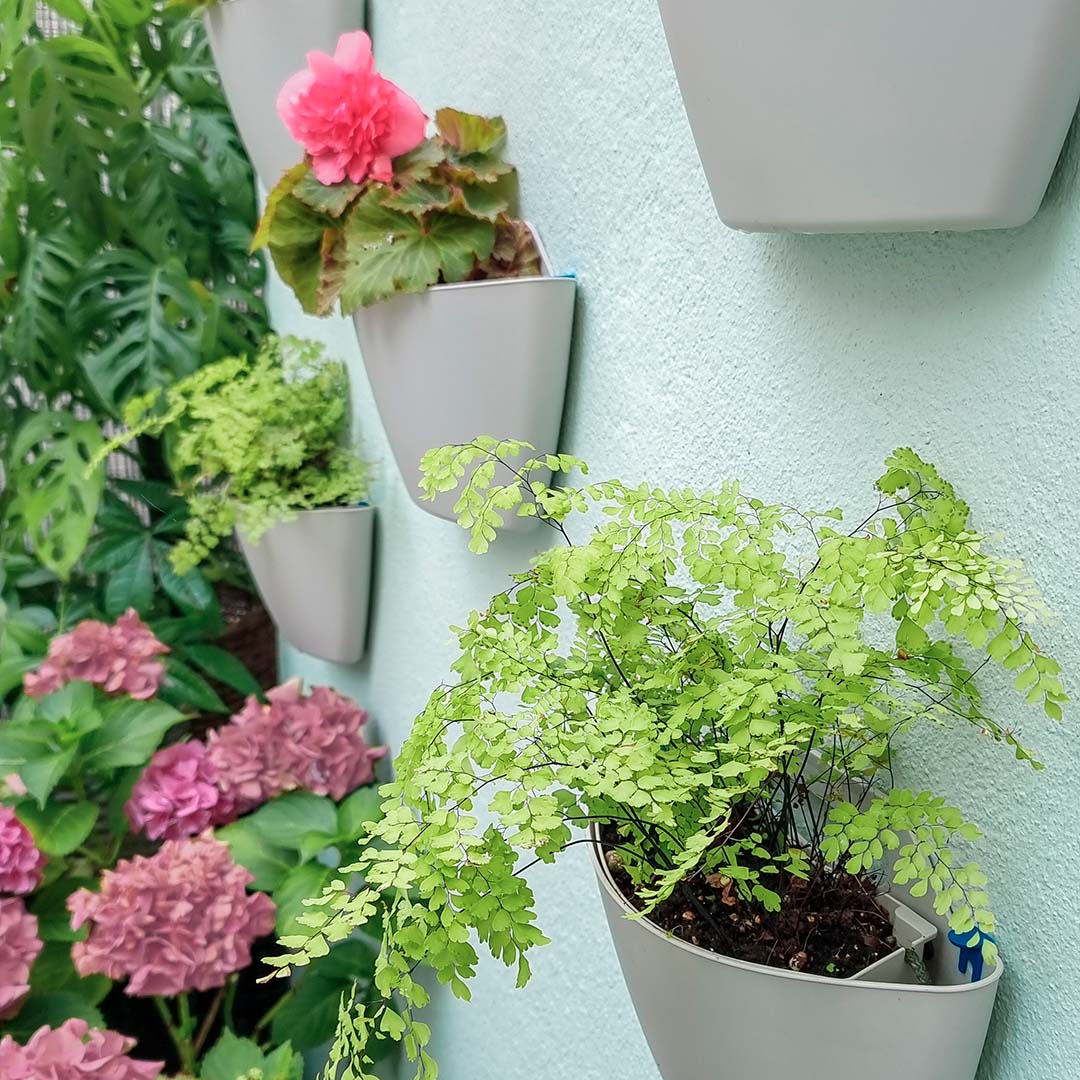
How Do I Make My Balcony Look Like a Garden?
A balcony can feel like wasted space or it can feel like an extension of your home — the difference is almost entirely about how you arrange and fill it. You do not need a large budget or a professional design eye to make a balcony look and feel like a proper garden. What you Read more
-
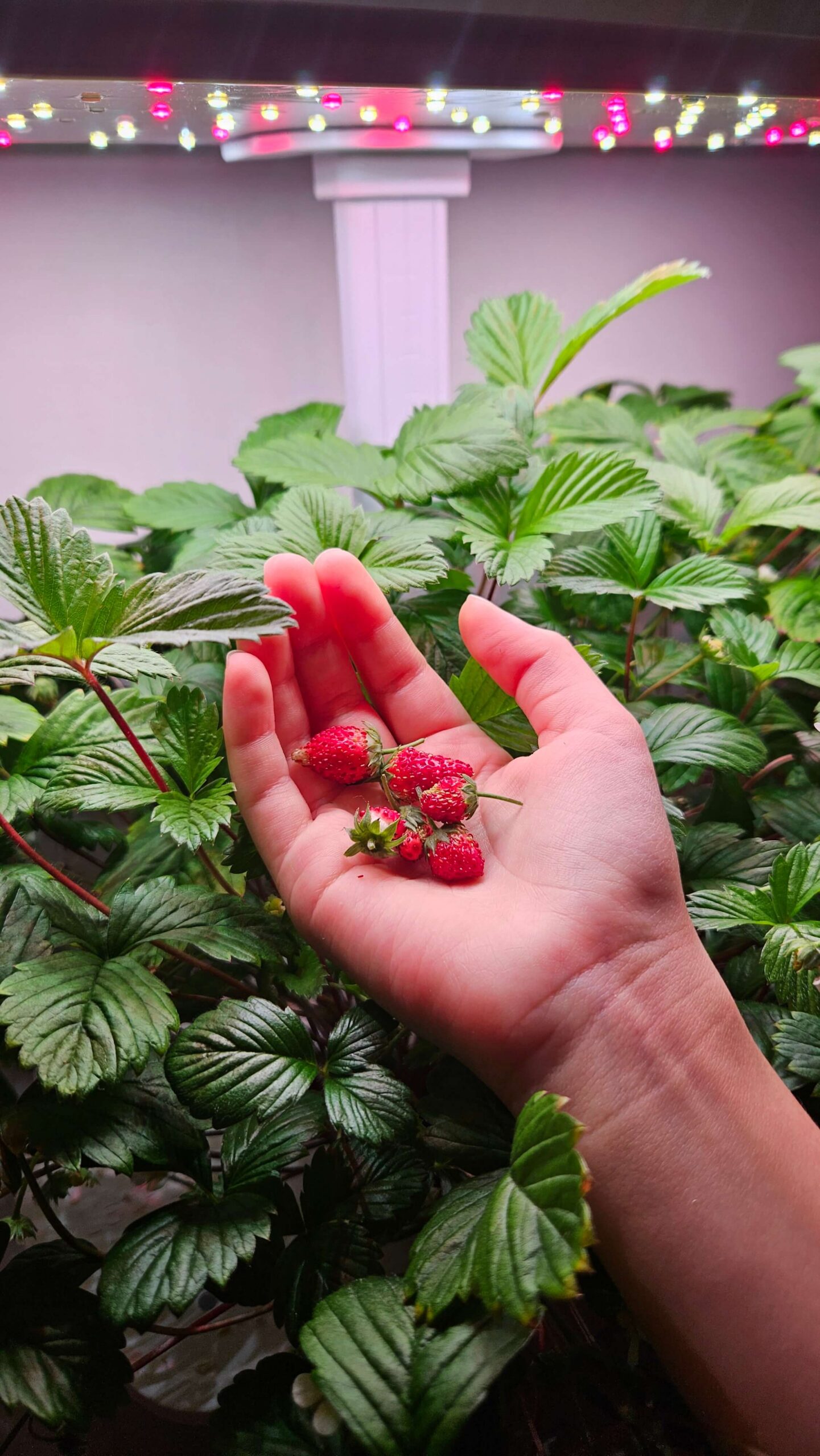
What Grows Well in a Raised Planter?
A raised planter changes the possibilities of indoor growing considerably. More soil volume, better drainage control, and easier access to roots means you can grow things that simply would not work in a shallow pocket or a small pot on a windowsill. The question is knowing which plants are worth putting in, because not everything Read more
-
What Are the Benefits of Vertical Planters?
Growing your own food indoors used to feel like something only people with a lot of space and time could manage. Vertical planters have changed that. By stacking growing space upward rather than spreading it across a floor or windowsill, you can produce a surprising amount of fresh food in a small apartment, a narrow Read more
-
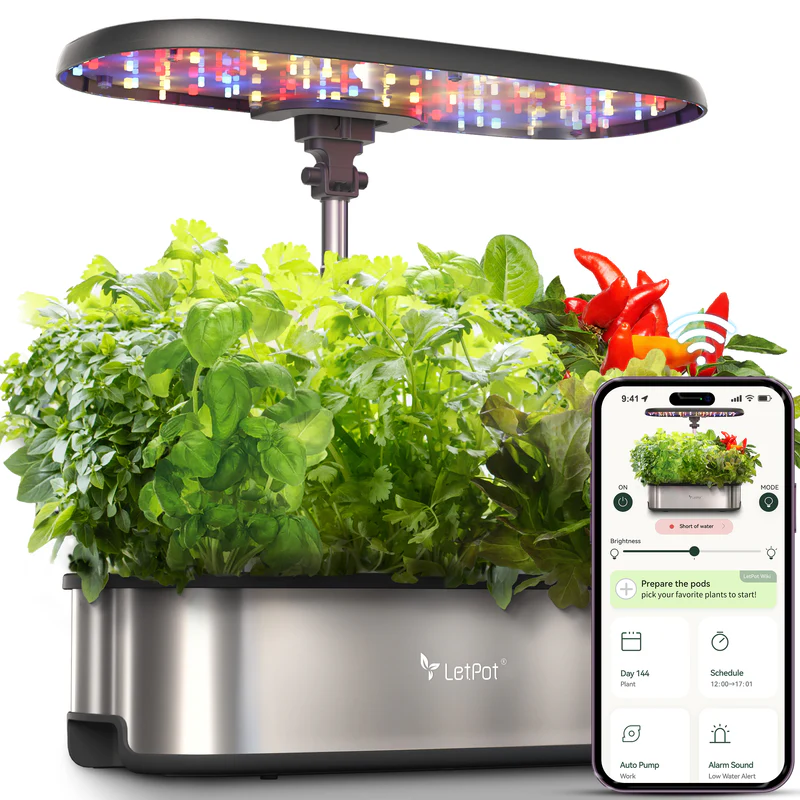
Best Click and Grow alternatives: comparison based on real user feedback
Click and Grow is one of the most recognised smart garden systems in Europe, mainly because it is simple to use and visually compact. It is an Estonian brand built around self-watering indoor gardens that rely on pre-seeded proprietary pods designed for low-maintenance growing. You can read a general background overview on Wikipedia. That simplicity Read more
-
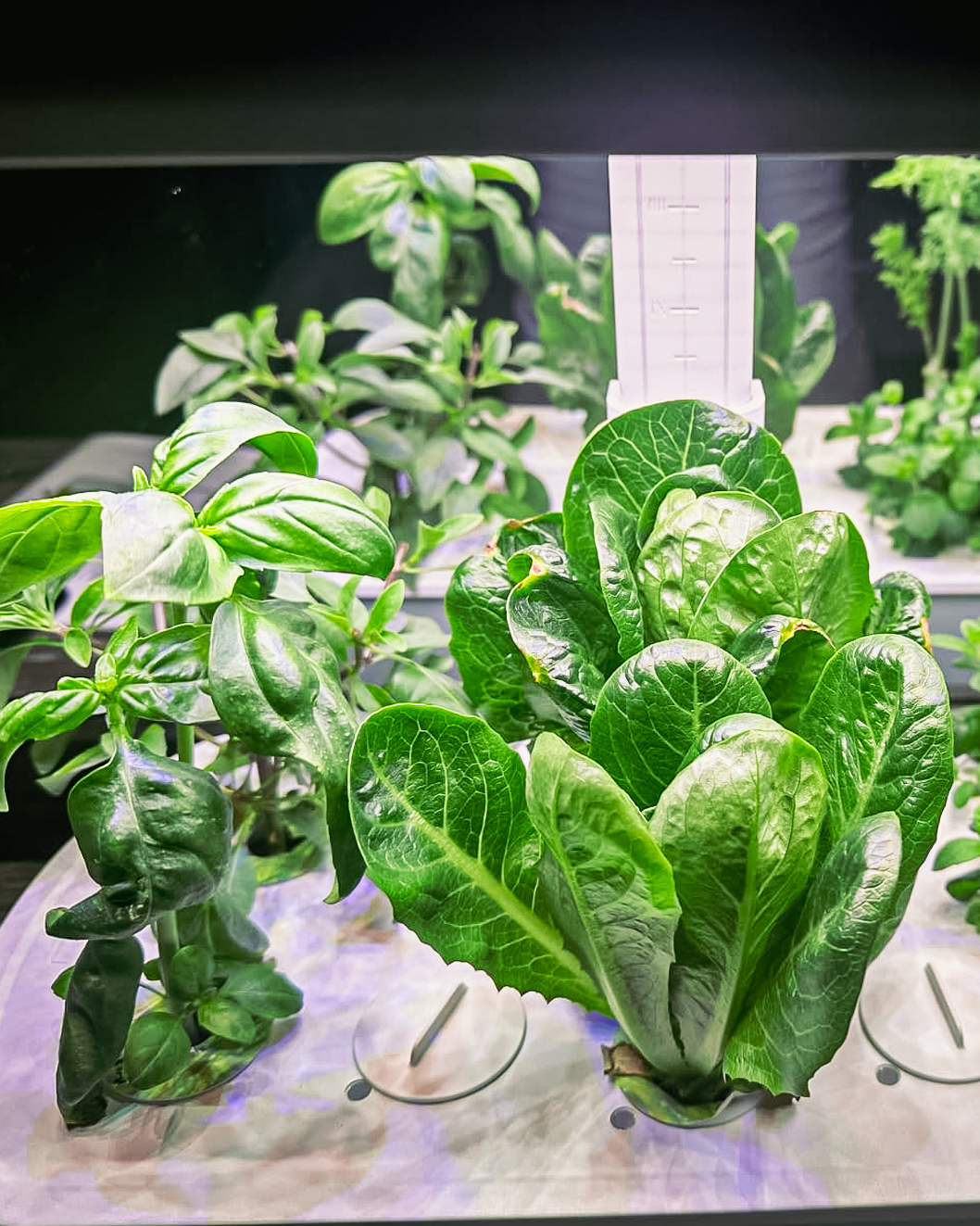
What do plants use blue light for?
Blue light is a specific part of the visible light spectrum, roughly between 400 and 500 nanometers. While plants use many wavelengths of light, blue light plays a unique role in regulating how plants grow, develop, and function. It influences not only photosynthesis, but also plant shape, leaf development, and internal processes that determine overall Read more